Introduction
Pressure-tight die castings are widely used in automotive transmission housings, motor housings, hydraulic valve bodies, and other metal components that must withstand gas or liquid pressure. During high-pressure die casting, rapid metal filling and solidification can create gas porosity, shrinkage porosity, and interconnected voids that cause leakage during pressure or leak testing. Vacuum impregnation can improve the leak-tightness of certain die castings by sealing interconnected porosity, but it does not eliminate every internal defect or automatically prove that a component meets its pressure-tightness requirements.
For automotive product development teams and component buyers, the key decision is not simply whether vacuum impregnation works, but whether the process can satisfy the component’s operating pressure, media compatibility, and long-term reliability requirements. At Xiamen Ruicheng, we recommend evaluating casting processes, defect analysis, impregnation treatment, and final performance validation together during product development to reduce the risk of relying on a single successful leak test. Vacuum impregnation should be treated as a controlled quality solution supported by defined acceptance criteria and validation procedures, rather than a temporary repair that conceals manufacturing problems.
When Is Vacuum Impregnation an Acceptable Repair for Die Castings?
Vacuum impregnation is generally suitable for pressure-tight die castings that leak because of interconnected porosity while retaining adequate structural integrity. The process uses vacuum and pressure conditions to draw a suitable impregnation sealant into connected voids, where it subsequently cures to form a barrier against gas or liquid leakage. For aluminum alloy and other compatible die castings, suitability depends on defect location, component function, and the condition of the part after machining. Vacuum impregnation is technically acceptable only when the leakage originates from sealable interconnected porosity and the treated component subsequently passes the required performance validation.
Defect Type: Vacuum impregnation primarily addresses leakage caused by interconnected porosity and cannot reliably repair structural cracks, severe cold shuts, or major casting defects that compromise load-bearing capacity.
Operating Requirements: The component’s working pressure, media type, temperature range, and expected service life should be defined before selecting an impregnation process.
Process Compatibility: The impregnation sealant must be compatible with the alloy, machined surfaces, sealing features, and subsequent assembly processes to prevent additional quality issues.
Customer Approval: For critical automotive components, the acceptability of impregnation must be established against customer drawings, quality agreements, and applicable industry requirements, with the approval basis properly documented.
🔧 Vacuum impregnation is acceptable only when the defect can be effectively sealed and the treated component meets its intended operating requirements.
What Tests Are Needed to Verify Pressure Tightness After Vacuum Impregnation?

Completing vacuum impregnation does not automatically qualify a component for final acceptance because the sealant may close only part of a leakage path, or new leakage risks may emerge during subsequent machining, temperature changes, or pressure cycling. At Xiamen Ruicheng, we recommend developing a validation plan based on the component’s operating conditions, covering pre-treatment defect assessment, post-impregnation leak testing, and any necessary durability verification. Test methods must match the customer’s acceptance criteria rather than simply produce a passing result in a single test. Final acceptance of a pressure-tight die casting should be based on agreed leakage limits, test pressure, holding time, and applicable reliability requirements.
Leak Testing: Depending on the application, use pressure-decay, differential-pressure, or other suitable leak-detection methods, with clearly defined test media, pressure, stabilization time, and allowable leakage rate.
Liquid Pressure Testing: For components that contain pressurized liquids, determine the applicable hydrostatic testing requirements from the product specification rather than assuming that a standard air leak test proves performance under liquid-service conditions.
Durability Validation: For components exposed to pressure cycling, temperature fluctuations, or prolonged contact with service media, conduct risk-based validation to determine whether sealing performance remains stable over time.
Inspection Records: Maintain traceable records of impregnation batches, process parameters, test results, and nonconforming-part disposition so that quality issues can be linked to specific production lots and manufacturing conditions.
📋 Post-impregnation performance testing provides the evidence needed to determine whether a component meets its specified pressure-tightness requirements.
How Can You Ensure Vacuum Impregnation Does Not Conceal Serious Casting Defects?
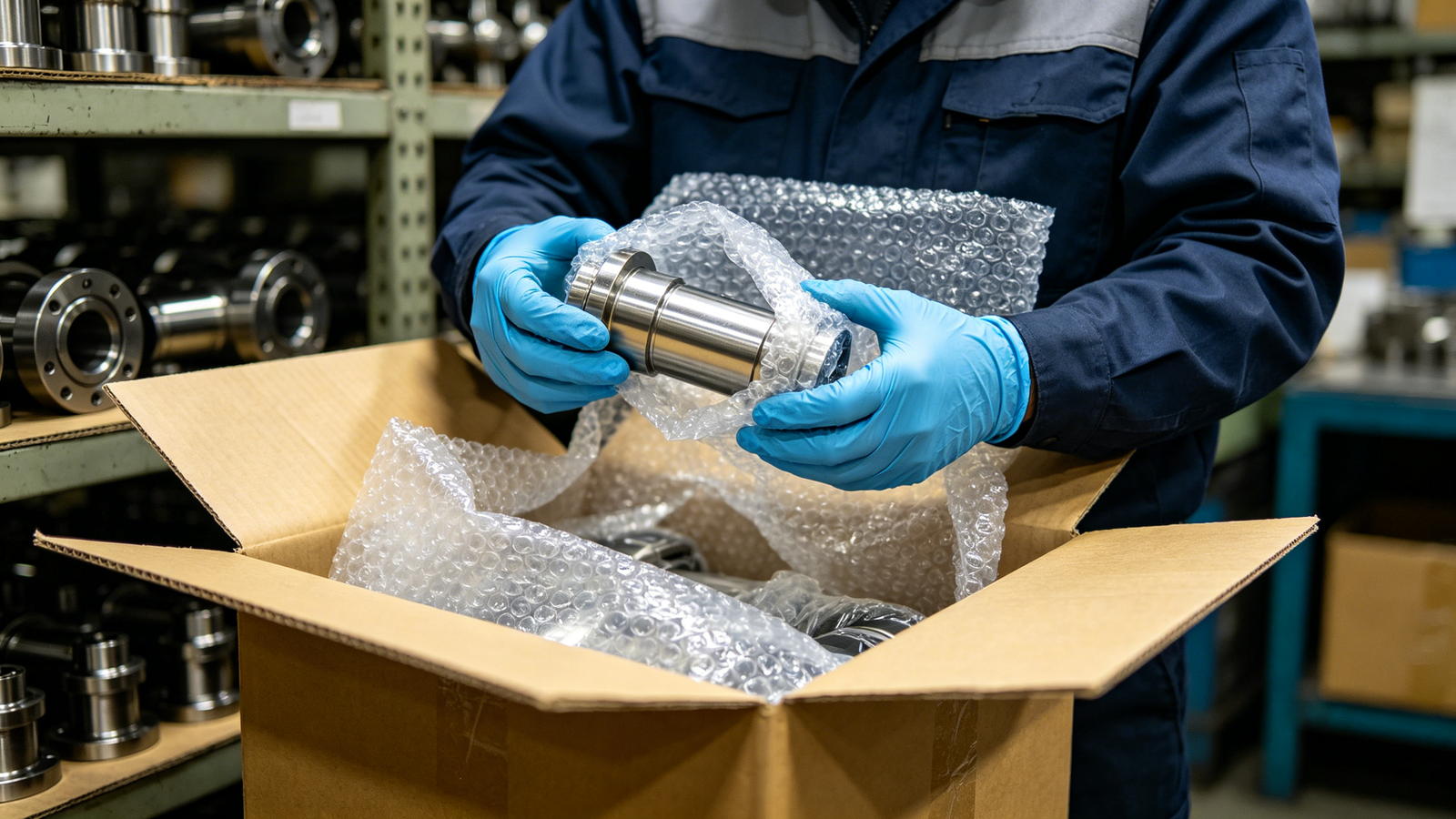
Leakage in pressure-tight die castings can result from several different causes, including interconnected porosity, localized shrinkage cavities, cold shuts, cracks, and defects exposed during machining. Although vacuum impregnation can improve leak-tightness in certain cases, it cannot restore structural strength lost through serious defects or replace improvements to the underlying casting process. For automotive product development teams, repeated impregnation may increase the individual part acceptance rate, but a persistently high defect rate can still increase rework costs, delivery risks, and production variability. When defects affect structural integrity, load-bearing capacity, or violate explicit customer requirements, manufacturers should prioritize appropriate repair restrictions, rejection criteria, or corrective actions instead of relying on impregnation to release the parts.
Defect Identification: Combine leak-test results with the leakage location, machining conditions, and appropriate internal defect inspection to determine whether the defect is caused by treatable interconnected porosity.
Root Cause Analysis: Review mold venting, metal-filling conditions, injection parameters, and solidification behavior to identify the main manufacturing factors responsible for porosity and leakage.
Risk Classification: Based on component function and the consequences of failure, distinguish defects that may be eligible for approved impregnation from structural defects that require rejection.
Corrective Action: If defects continue to occur, improve casting parameters, tooling design, and process monitoring instead of treating impregnation as a permanent substitute for process improvement.
🛠️ Reliable quality decisions must address both the leakage itself and the underlying causes that may compromise structural integrity.
Vacuum Impregnation Acceptance Strategies for Different Pressure-Tight Applications
| Evaluation Criteria | Impregnation May Be Suitable | Further Evaluation Required | Do Not Release Without Resolution |
|---|---|---|---|
| Defect Type | Leakage caused by interconnected porosity | Unknown defect location or nature | Cracks or serious structural defects |
| Operating Conditions | Defined pressure requirements and conventional service conditions | High pressure, temperature cycling, or special media | High-consequence applications without validated approval |
| Test Results | Meets specified acceptance criteria after treatment | Variable results or insufficient repeatability | Leakage remains above the allowable limit |
| Process Control | Approved and traceable process | Insufficient long-term validation data | Unapproved treatment or violation of specifications |
This table provides an engineering decision framework, not a universal acceptance standard for every automotive project. Actual decisions must follow component drawings, customer specifications, risk classification, and documented validation results.
If your die castings fail leak testing after machining, or you need to assess the impact of impregnation on mass-production quality, Xiamen Ruicheng can help review component requirements, manufacturing risks, and validation priorities. Contact us to discuss your part drawings, leakage test requirements, and expected production volumes.
How Can Vacuum Impregnation Be Integrated into a Stable Mass-Production Quality System?
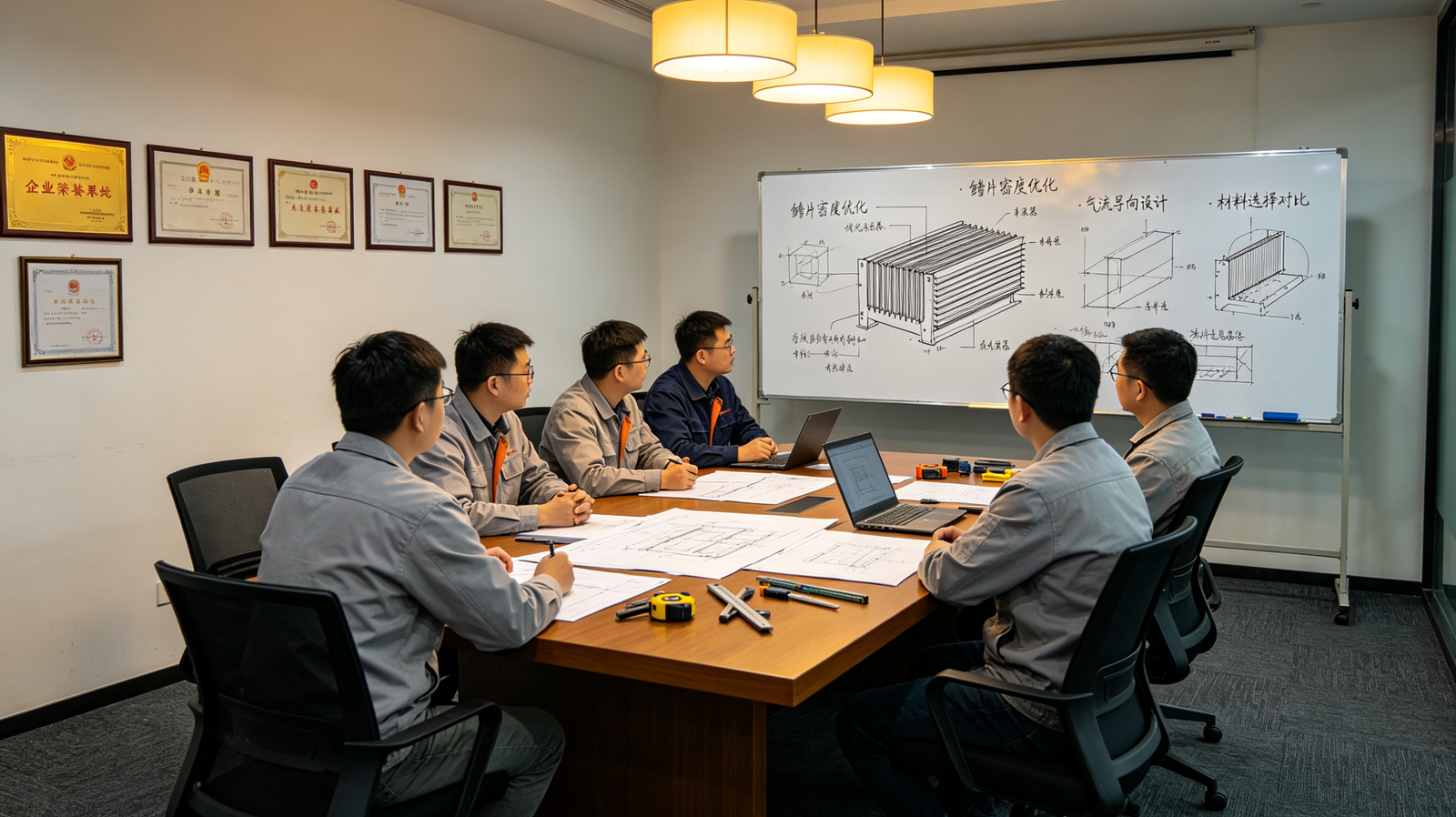
Vacuum impregnation should be incorporated into the complete manufacturing and quality-management process rather than treated as an isolated finishing operation. From the perspective of custom manufacturing and engineering collaboration, Xiamen Ruicheng recommends defining acceptable defect dispositions, validation conditions, and customer approval requirements early in product development, then confirming process repeatability during pilot production. Integrating impregnation, final inspection, and batch traceability into a closed-loop quality system helps manufacturers balance product quality, delivery performance, and manufacturing costs more reliably.
1.Product Development: Define operating pressure, service media, temperature, allowable leakage rate, and service-life requirements, then confirm whether impregnation is permitted and under what conditions.
2.Pilot Production: Evaluate representative defects, validate impregnation effectiveness, and confirm that the inspection method can consistently identify nonconforming parts.
3.Mass Production: Record treatment batches, relevant process information, and final inspection results while establishing nonconforming-product containment and traceability procedures.
4.Continuous Improvement: Track impregnation frequency, rework rates, and leakage failures to reduce dependence on corrective treatment through improvements to the casting process.
Vacuum Impregnation for Die Castings: Frequently Asked Questions
1.How do I know if vacuum impregnation is suitable for my die casting?
Suitability depends on the leakage mechanism, component design, operating pressure, and customer acceptance requirements. Provide the component drawing, alloy specification, leakage location, test conditions, and actual operating environment so the engineering team can assess whether the defect involves treatable interconnected porosity and determine the required validation procedures.
2.What information should I provide to receive a quotation?
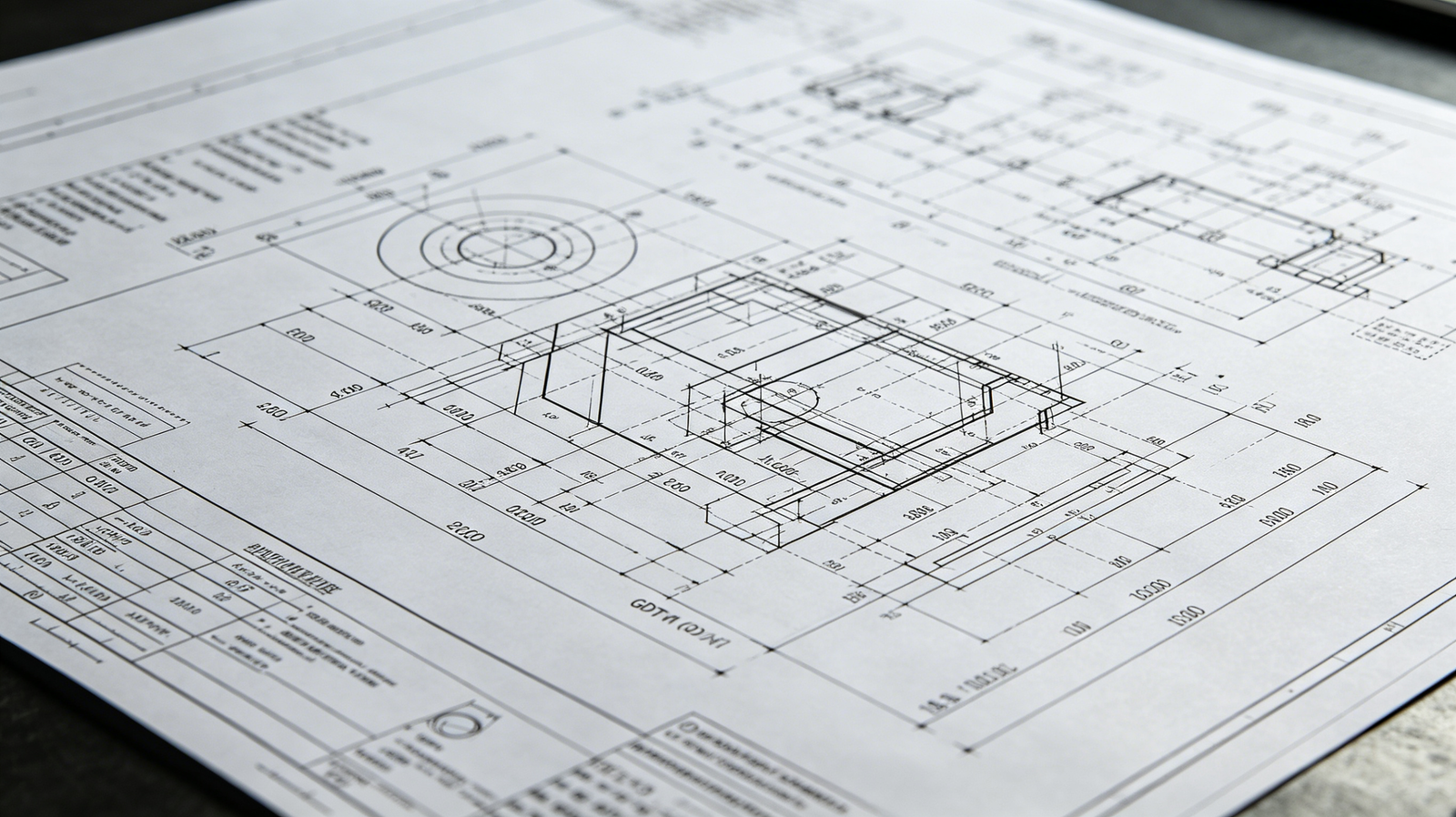
Provide a 2D engineering drawing, 3D model, material requirements, expected order quantity, leak-test specification, and any existing impregnation requirements. If the component has already failed a leak test, include the test report and defect location to help determine whether the issue is more likely related to casting, machining, or the sealing design.
3.Can vacuum-impregnated die castings be used in mass production?
Yes, provided the treatment is permitted by the customer and its effectiveness is demonstrated through process validation, final leak testing, and any necessary reliability tests. Pilot quantities, production lead times, and minimum order quantities should be confirmed according to part complexity, tooling condition, treatment requirements, and inspection scope rather than promised without project-specific information.
4.What happens if a part still leaks after impregnation?
The affected parts or batch should first be contained, followed by verification of the test equipment, test conditions, and sealing fixture. If impregnation has not resolved the issue, the manufacturer should determine the appropriate next steps under the customer’s approved disposition procedure, including further evaluation, authorized rework, or rejection, while investigating whether casting-process improvements are necessary.
5.Can Xiamen Ruicheng support custom die casting projects and validation planning?
Xiamen Ruicheng provides custom manufacturing and engineering collaboration and can discuss die casting development, machining requirements, quality documentation, and validation planning according to project needs. The specific impregnation service arrangements, inspection capabilities, lead times, and project responsibilities must be confirmed against the component requirements and the agreed scope of cooperation.
Conclusion
Vacuum impregnation can help resolve leakage in certain pressure-tight die castings caused by interconnected internal porosity, but it is not a universal repair method for every casting defect. Manufacturers must evaluate defect characteristics, structural integrity, operating conditions, customer approval requirements, and post-impregnation validation results before making a release decision. For automotive die casting projects, the most reliable strategy is to integrate defect prevention, appropriate impregnation treatment, final testing, and continuous process improvement into a unified quality-management system. Xiamen Ruicheng can work with customers to evaluate manufacturing risks and validation priorities for custom components, supporting more reliable product development and mass-production delivery.
For expert assistance with custom die casting and manufacturing requirements, visit our resource center or contact us. Let’s help you scale up your manufacturing with precision and efficiency!