Introduction
CNC-machined aluminum parts are widely used in consumer electronics, automotive components, industrial equipment, and premium product housings. Anodizing not only improves corrosion and wear resistance but also plays a critical role in the final appearance of a product. When a product consists of multiple aluminum components, even parts specified with the same color and finishing process may exhibit noticeable differences in shade, brightness, surface uniformity, or batch-to-batch consistency. Color consistency depends on more than the anodizing supplier’s dyeing capability; it is influenced by the aluminum alloy, CNC machining conditions, surface preparation, and anodizing process as a whole.
For brand owners, product development teams, and OEM project managers, color variation can result in inconsistent assemblies, failed customer inspections, and costly batch rework. These risks are particularly significant for dark anodized finishes, brushed aluminum components, and products with multiple visible parts. At Xiamen Ruicheng, we approach these challenges by coordinating CNC machining, material selection, and surface finishing requirements. Our objective is to help customers establish practical color acceptance criteria during product development rather than address color inconsistencies after mass production has begun.
Why Do CNC Aluminum Parts Develop Color Differences After Anodizing?
CNC-machined aluminum parts can develop different anodized colors even when the same color specification is used, because variations in alloy composition, metallurgical structure, machining texture, and oxide-layer characteristics affect the final appearance. Common contributing factors include using different aluminum alloys, such as 6061 and 7075, switching material batches, changing tool-generated surface patterns, and applying inconsistent blasting, brushing, or chemical pretreatment. Oxide-layer formation and dye absorption are also influenced by electrolyte conditions, temperature, current density, and processing time. The first step toward controlling color variation is to manage material selection, machining, and anodizing as one integrated manufacturing process.
Material Consistency: Standardize the aluminum alloy grade, material source, and batch management process because differences in alloying elements and metallurgical structure can affect oxide formation and dye response.
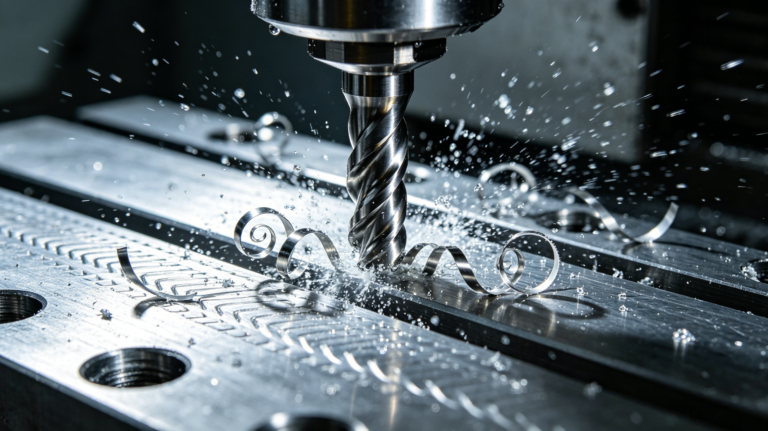
Machining Texture: CNC toolpaths, feed rates, tool wear, and cutting direction can create different surface-reflection patterns, making parts appear lighter or darker even when their actual colors are similar.
Surface Preparation: Maintain consistent blasting media, surface roughness, brushing direction, and chemical pretreatment conditions because variations before anodizing can produce inconsistent final appearances.
Anodizing Process: Control oxide-layer thickness, dyeing conditions, and sealing parameters to reduce color differences within the same batch and across different production runs.
🎯 Effective color control starts with consistent materials and machining conditions, not just adjustments to the anodizing dye.
How Can You Establish a Repeatable Anodizing Color Standard?
For custom CNC aluminum parts, specifying only black, silver, gold, or gray is insufficient because suppliers may interpret colors differently, and surface texture can change their visual appearance. Before mass production, customers should approve a physical color sample and document the target appearance, finishing method, viewing conditions, and acceptable variation. The CIELAB color space can be used to describe color, while ΔE provides a quantitative measure of color difference. However, the acceptable tolerance must be agreed upon by the customer and supplier based on the application and inspection method. An approved physical sample and clearly defined inspection criteria provide a more reliable production reference than a color name or an image displayed on a screen.
Approve a Physical Sample: Produce samples using the intended aluminum alloy, CNC surface texture, and anodizing process, then obtain written customer approval before using them as the production reference.
Define Viewing Conditions: Specify lighting, viewing angle, part orientation, and background, particularly for brushed, blasted, and highly reflective surfaces where viewing conditions can influence perceived color.
Establish Measurement Rules: For surfaces suitable for instrument measurement, define the colorimeter or spectrophotometer, measurement locations, number of readings, and acceptance method. Repeat measurements should be used to verify that results are comparable.
Create Acceptance Limits: Where some variation is unavoidable, establish customer-approved upper and lower visual limits using physical reference samples. These limits help inspectors distinguish acceptable variation from nonconforming parts.
🎨 Define the target color and inspection method before production to make color consistency measurable and repeatable.
How Can You Maintain Consistent Anodizing Colors Across Production Batches?

Once a color standard has been established, it must be applied consistently throughout material receiving, CNC machining, surface preparation, and anodizing. Batch-to-batch color variation rarely results from a single factor alone; it may arise from changes in material lots, blasting conditions, fixture positions, or drifting anodizing parameters. At Xiamen Ruicheng, we emphasize coordination between machining and surface finishing through documented engineering requirements, approved samples, process records, and outgoing inspection criteria. Reliable mass production requires every batch to follow a validated process and be inspected against the same approved standard.
Lock Process Parameters: Document the alloy grade, surface roughness, blasting or brushing requirements, anodizing type, and approved color reference. Changes should not be made without the agreed authorization process.
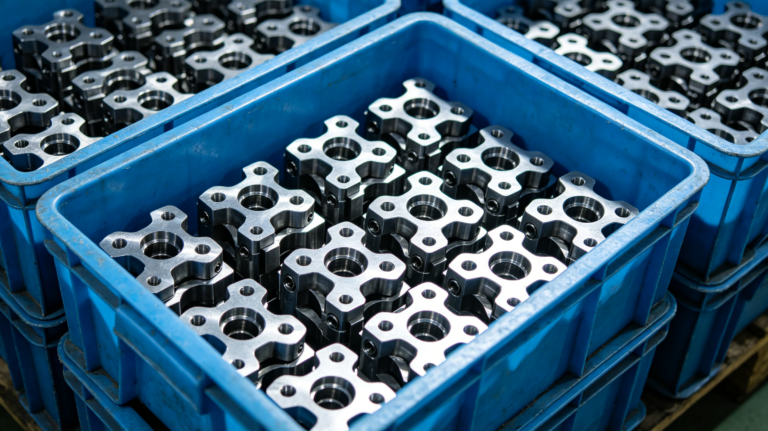
Manage Production Batches: Record aluminum material lots, CNC machining batches, anodizing batches, and outsourced finishing details so that the source of any variation can be traced rather than investigated through repeated trial and error.
Verify First Articles: After introducing a new material batch, changing a process, or adjusting equipment, inspect color, appearance, and critical dimensions before authorizing full production.
Inspect Before Shipment: Apply an agreed sampling plan to evaluate color and surface consistency. Where necessary, compare colorimeter readings with approved samples and retain inspection records for traceability.
📋 Connecting process control, batch traceability, and outgoing inspection is essential to maintaining consistent anodized colors.
How Should You Choose an Anodizing Color Control Strategy?
| Control Strategy | Typical Applications | Main Advantages | Key Risks to Manage |
|---|---|---|---|
| Natural-color anodizing | Industrial components and silver housings | Avoids dye-related color variation | Alloy structure and surface texture can still affect appearance |
| Black anodizing | Consumer electronics, automotive parts, and equipment housings | Provides a consistent, recognizable appearance target | Dark finishes can reveal process variation and surface defects |
| Dye-colored anodizing | Branded housings and decorative components | Supports a wide range of custom colors | Dye absorption and sealing conditions may cause batch variation |
| Brushing followed by anodizing | Premium housings and visible panels | Combines directional texture with a metallic appearance | Brushing direction, roughness, and viewing angle affect visual consistency |
If your project involves multiple CNC aluminum components, strict brand color requirements, or long-term production consistency, Xiamen Ruicheng can help evaluate the relationship between material selection, machining texture, and surface finishing. contact us to discuss your drawings, color samples, and production acceptance requirements.
How Can You Integrate Color Control into CNC Aluminum Product Development?
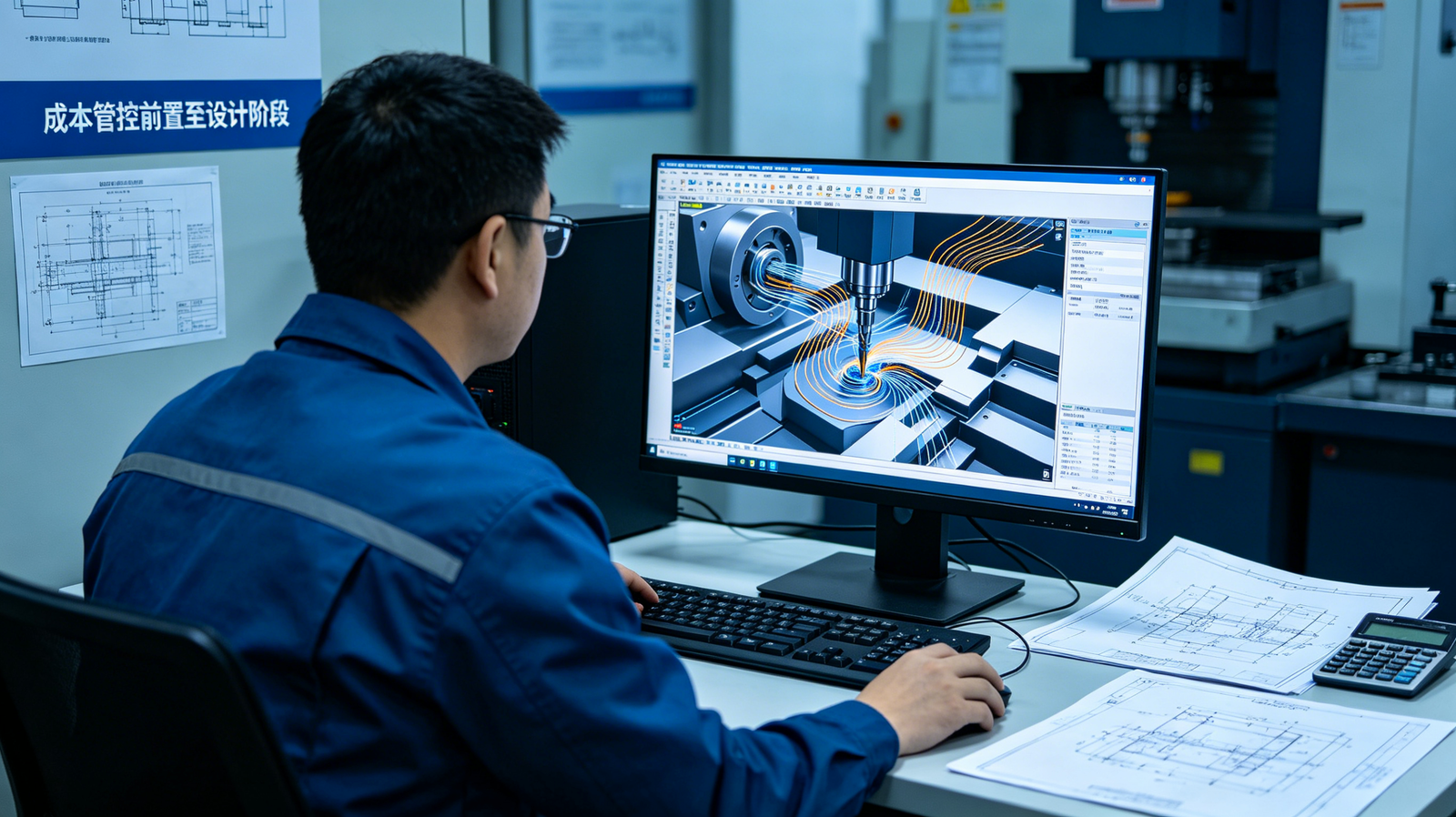
Anodizing color management should begin during product design and supplier selection rather than being introduced as a last-minute inspection requirement. For products with multiple components, engineering teams must consider material availability, machined surface conditions, assembled appearance, and the repeatability of the finishing process. Xiamen Ruicheng provides custom CNC machining and manufacturing coordination to help customers define critical requirements early and confirm that the proposed process can meet both appearance and delivery expectations before mass production. Establishing color requirements during design review and sample approval is generally more effective than correcting defects after an entire batch has been produced.
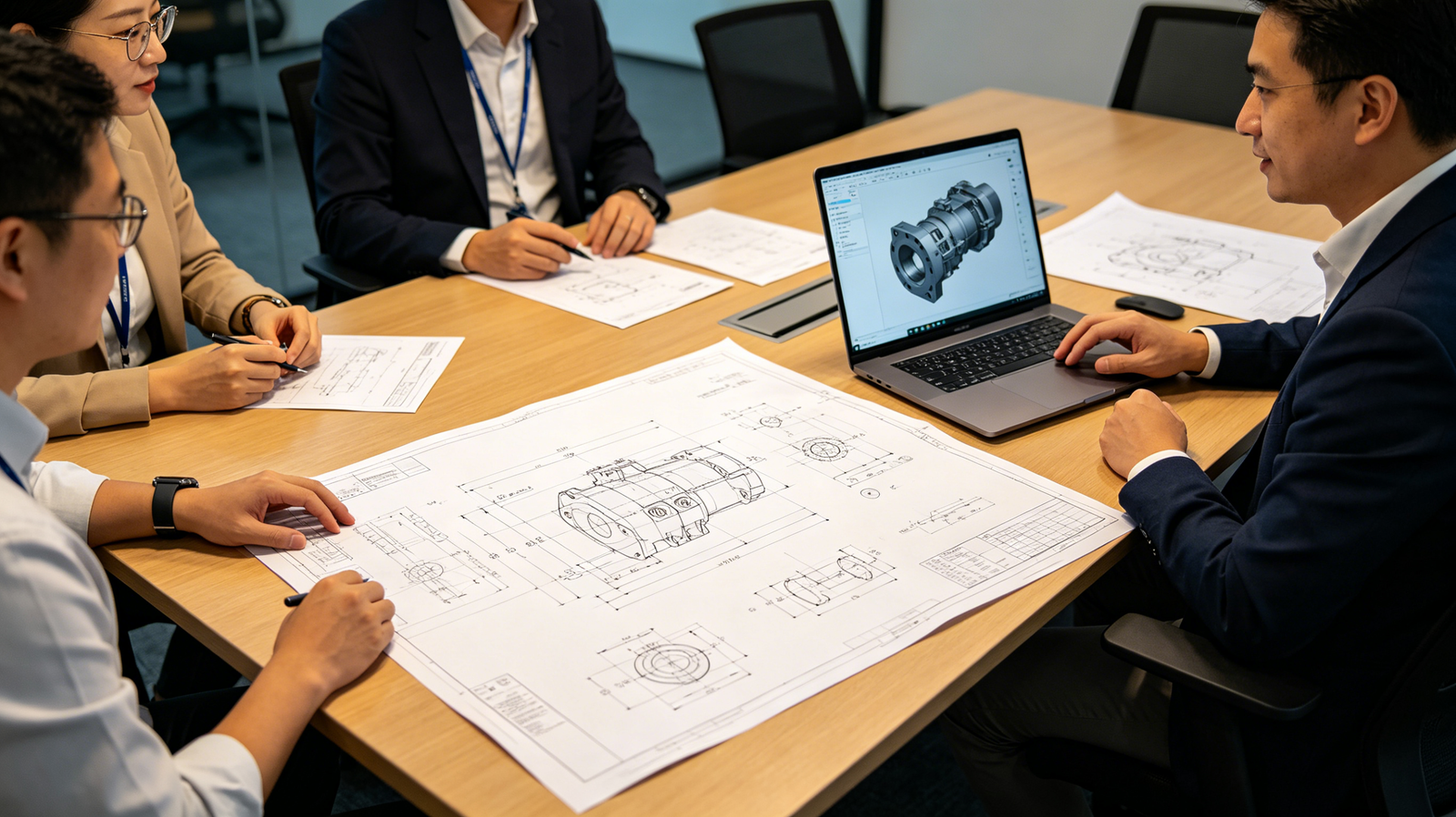
1.Design Stage: Specify the aluminum alloy grade, visible surfaces, texture direction, anodizing type, and color reference on the engineering drawings to prevent suppliers from interpreting unclear requirements differently.
2.Sampling Stage: Produce samples using the intended production materials and finishing route, then evaluate individual-part color, component-to-component matching, and overall appearance after assembly.
3.Production Preparation: Freeze the approved samples, inspection methods, and critical process requirements. Define a reapproval process for material substitutions, finishing supplier changes, and manufacturing process adjustments.
4.Supplier Management: Evaluate whether the supplier can coordinate CNC machining and anodizing, maintain batch records, investigate quality deviations, and provide traceable quality documentation.
FAQ: Controlling Anodizing Color Variation in CNC Aluminum Parts
Question 1: How do you ensure consistent anodizing colors on CNC aluminum parts?
Answer: Xiamen Ruicheng recommends standardizing aluminum alloy grades, confirming surface finishing methods, approving physical color samples, and establishing batch inspection requirements. For projects with strict appearance requirements, the color target, surface texture, measurement conditions, and acceptance criteria should be defined during quotation and sampling. The actual color tolerance must be agreed upon based on the application, material, and customer requirements rather than applying an unverified universal limit.
Question 2: What information should we provide to receive a CNC machining and anodizing quotation?
Answer: Please provide 2D engineering drawings, a 3D CAD model, the aluminum alloy grade, estimated order quantities, the required anodizing type, color references, and critical dimensional tolerances. If your product has approved appearance samples, specific color-difference requirements, or special assembly surfaces, include those details as well. Xiamen Ruicheng can use this information to assess machining complexity, finishing options, and inspection requirements before confirming the quotation and development schedule.
Question 3: Can anodizing colors remain consistent between prototypes and mass production?
Answer: Consistency can be improved through approved samples, controlled processes, and batch verification, but a successful prototype alone cannot guarantee identical results across every production batch. Pilot production should use the same materials, machining methods, and anodizing route planned for mass production whenever possible. MOQ and lead time depend on part geometry, machining hours, finishing supplier availability, and inspection requirements, so they should be confirmed after project review.
Question 4: What should we do if noticeable color variation appears after delivery?
Answer: First, compare the affected batch with the approved reference sample under the agreed lighting and viewing conditions. If necessary, use a colorimeter to quantify the difference. Next, review material batch records, CNC machining conditions, pretreatment methods, and anodizing parameters to identify the source of the deviation. Xiamen Ruicheng recommends defining procedures for quality notification, reinspection, rework feasibility, responsibility assessment, and corrective actions in the quality agreement before production begins.
Question 5: Can you customize anodizing colors, surface textures, and finishes?
Answer: Xiamen Ruicheng can evaluate customized CNC aluminum machining and finishing solutions based on project requirements, including color, brushing direction, blasted texture, and appearance requirements for different visible surfaces. Customers should provide the target color, material specification, part model, reference samples, and intended operating environment so that process feasibility can be assessed. Special colors, complex textures, and multi-component color-matching projects may require additional sampling and validation, with costs and development lead times confirmed after the process is agreed upon.
Conclusion
Controlling anodizing color variation in CNC aluminum parts requires coordinated management of material consistency, machined surface conditions, anodizing parameters, and final acceptance criteria. Approved color samples, defined measurement conditions, batch traceability, and change control create a practical foundation for repeatable quality. For brand owners and product development teams that prioritize appearance, assembly consistency, and long-term supply reliability, working with a manufacturing partner capable of coordinating CNC machining and surface finishing can reduce repeated sampling and production rework. Xiamen Ruicheng aims to help customers translate appearance requirements into practical, measurable, and verifiable manufacturing standards through engineering collaboration and process-wide quality management.
For expert assistance with CNC aluminum machining and anodizing solutions for your production needs, visit our resource center or contact us. Let’s help you scale up your manufacturing with precision and efficiency!