Introduction
In custom manufacturing projects involving automotive components, industrial equipment, and hydraulic systems, pressure testing is essential for verifying a product’s ability to withstand specified operating pressures. It also directly affects sealing reliability, structural integrity, and production acceptance. For die-cast components, CNC-machined parts, and complex metal assemblies requiring gas or liquid leak testing, specifying only a pressure value in an RFQ is insufficient. Without clearly defined test media, hold times, allowable leakage limits, and acceptance criteria, suppliers and customers may apply different testing methods and reach inconsistent conclusions.
A well-prepared pressure testing RFQ must translate actual operating conditions into clear, executable, and traceable inspection requirements. From the perspective of Xiamen Ruicheng, a custom manufacturing partner, we recommend defining the testing boundaries, acceptance criteria, and documentation requirements during the quotation stage. This approach helps prevent misunderstandings that could otherwise emerge during prototype validation or mass production.
What Core Conditions Must a Pressure Testing RFQ Specify?
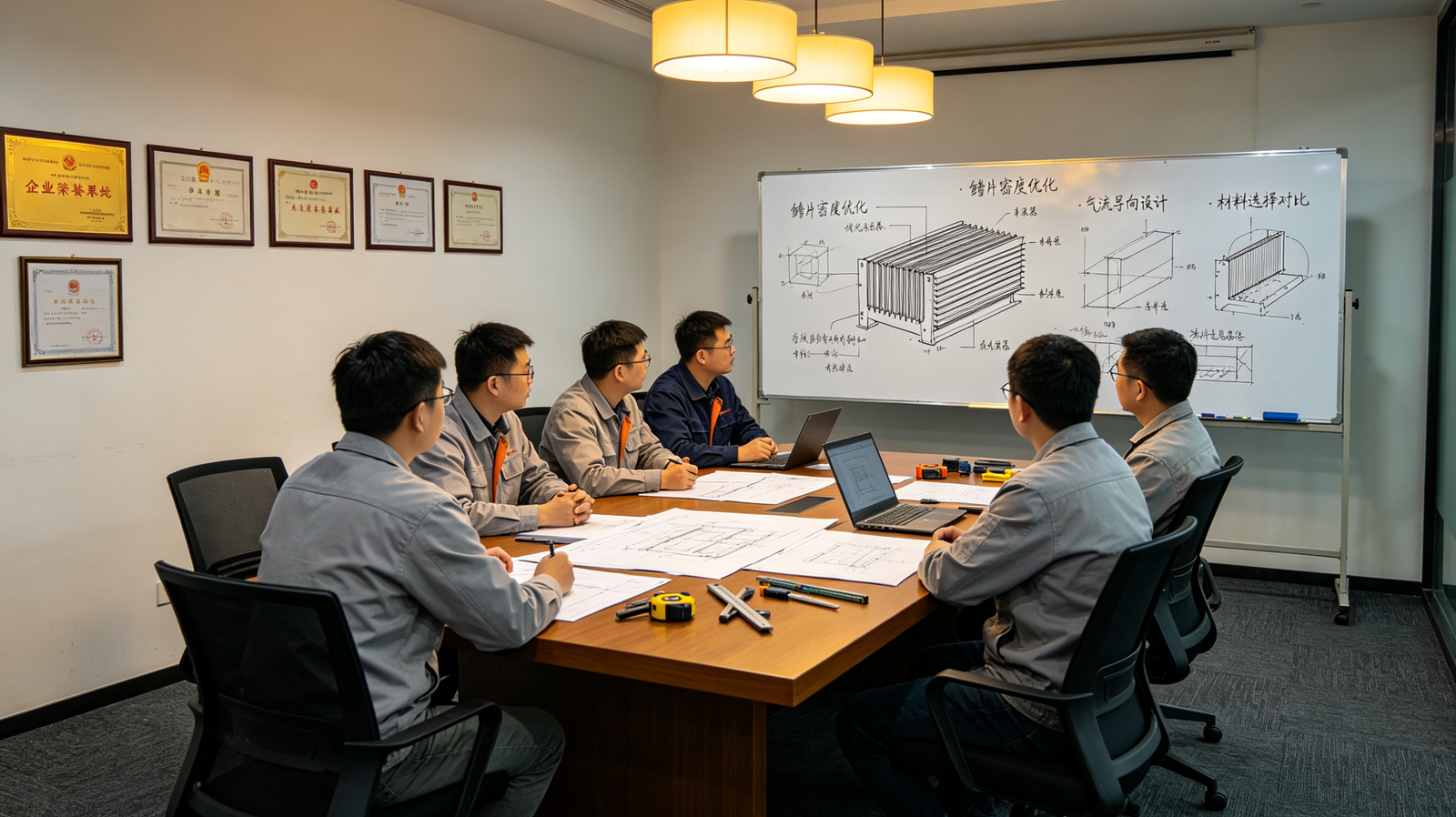
The primary purpose of pressure testing requirements in an RFQ is to ensure that the supplier understands the required pressure levels, testing environment, and final acceptance criteria. For sealed housings, automotive die castings, fluid connectors, and precision-machined components, incomplete specifications can result in inaccurate quotations, unsuitable testing equipment, or products that pass prototype testing but fail under actual operating conditions. Xiamen Ruicheng recommends defining the pressure testing requirements and intended operating conditions in the RFQ, supported by drawings, sealing details, and application information where necessary. Pressure is only one part of the test specification; reliable results depend on a complete and consistent set of requirements.
Test Pressure: Specify the operating pressure, required test pressure, and applicable units. Clarify whether the pressure refers to gauge pressure or absolute pressure to prevent differences in interpretation.
Test Medium: Identify whether the test uses air, nitrogen, water, oil, or another medium. Consider the medium’s compatibility with the component material, sealing elements, and test equipment.
Pressure Hold Time: Define the pressurization procedure, stabilization period, and actual holding time. This prevents measurements taken before pressure stabilizes from being used for acceptance decisions.
Acceptance Criteria: Specify the allowable leakage rate, pressure decay limit, or other applicable acceptance metrics. Explain how results must be recorded and how nonconforming parts will be handled.
🔧 Clearly defined pressure, test medium, holding time, and acceptance criteria enable suppliers to quote, test, and deliver against the same requirements.
How Can Test Methods and Leakage Limits Prevent Inconsistent Results?
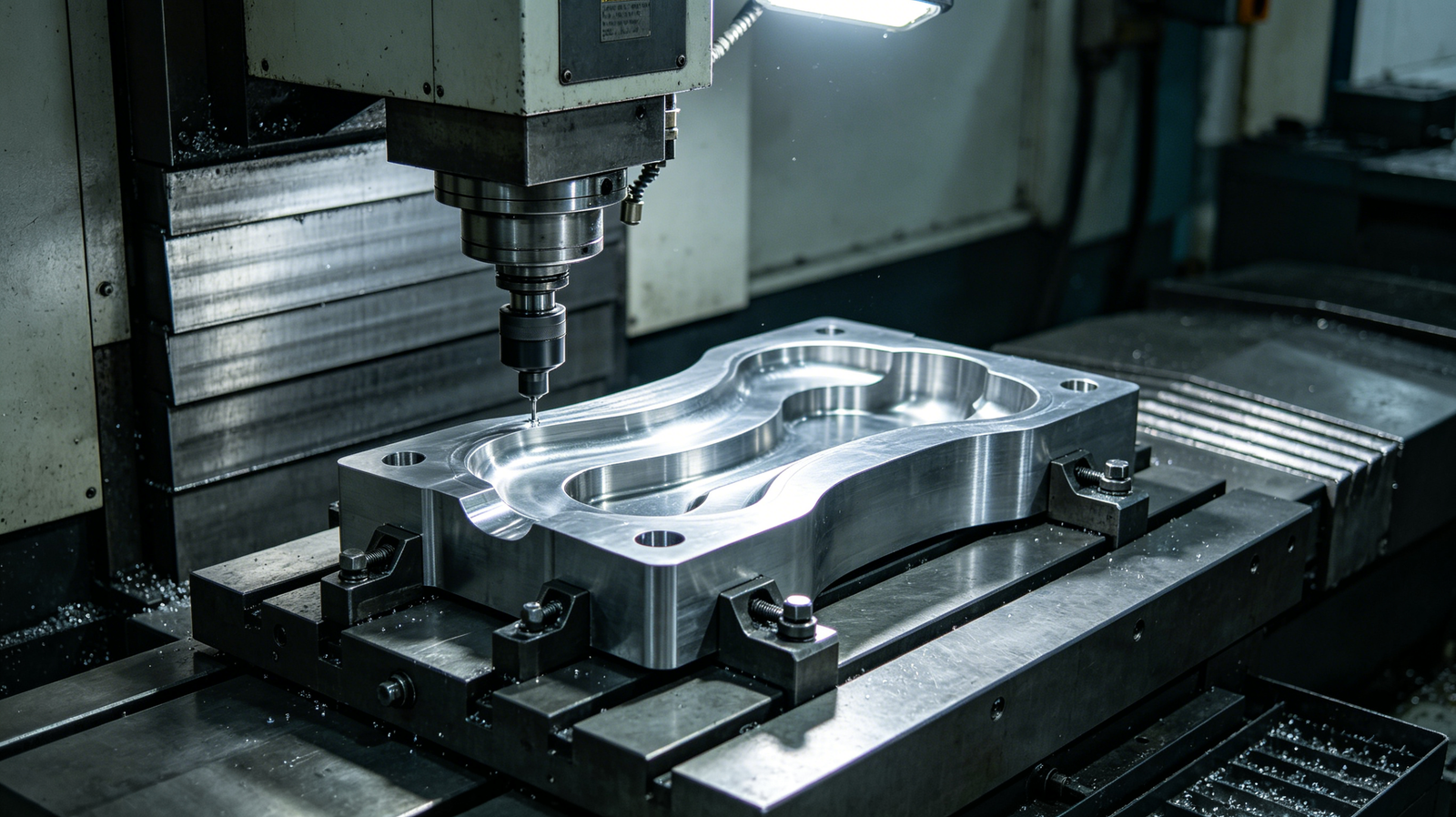
Different pressure testing methods serve different purposes, so the RFQ should identify an appropriate method based on the component’s function and failure risks. Pressure decay testing may be suitable for sealed metal housings, while differential pressure testing or tracer-gas leak detection may be considered for components with more demanding leakage requirements. Customers should also define the required equipment range, detection sensitivity, and environmental conditions to avoid inaccurate results caused by inadequate measurement capabilities. If an RFQ states only “no leakage” without defining the test method and acceptable leakage limit, the supplier lacks an objective basis for consistent acceptance decisions.
Test Method: Specify whether the component requires a direct pressure test, pressure decay test, differential pressure test, or another approved method. Confirm that the selected method is suitable for the component’s design.
Leakage Limit: State the allowable leakage rate and its units. Where necessary, define the test medium, reference temperature, and pressure conditions because results obtained under different conditions may not be directly comparable.
Environmental Control: Specify the testing temperature, stabilization requirements, and component preconditioning procedures. These controls help reduce the influence of temperature fluctuations on pressure readings and test results.
Equipment Capability: Verify that the testing equipment’s measurement range, resolution, and calibration status meet the specified requirements. Relevant equipment information and test records should be retained.
🔍 Test results become reliable quality evidence only when the test method, measurement capability, and allowable leakage limit are properly aligned.
How Should Pressure Testing Be Integrated into Prototype Validation and Mass Production?
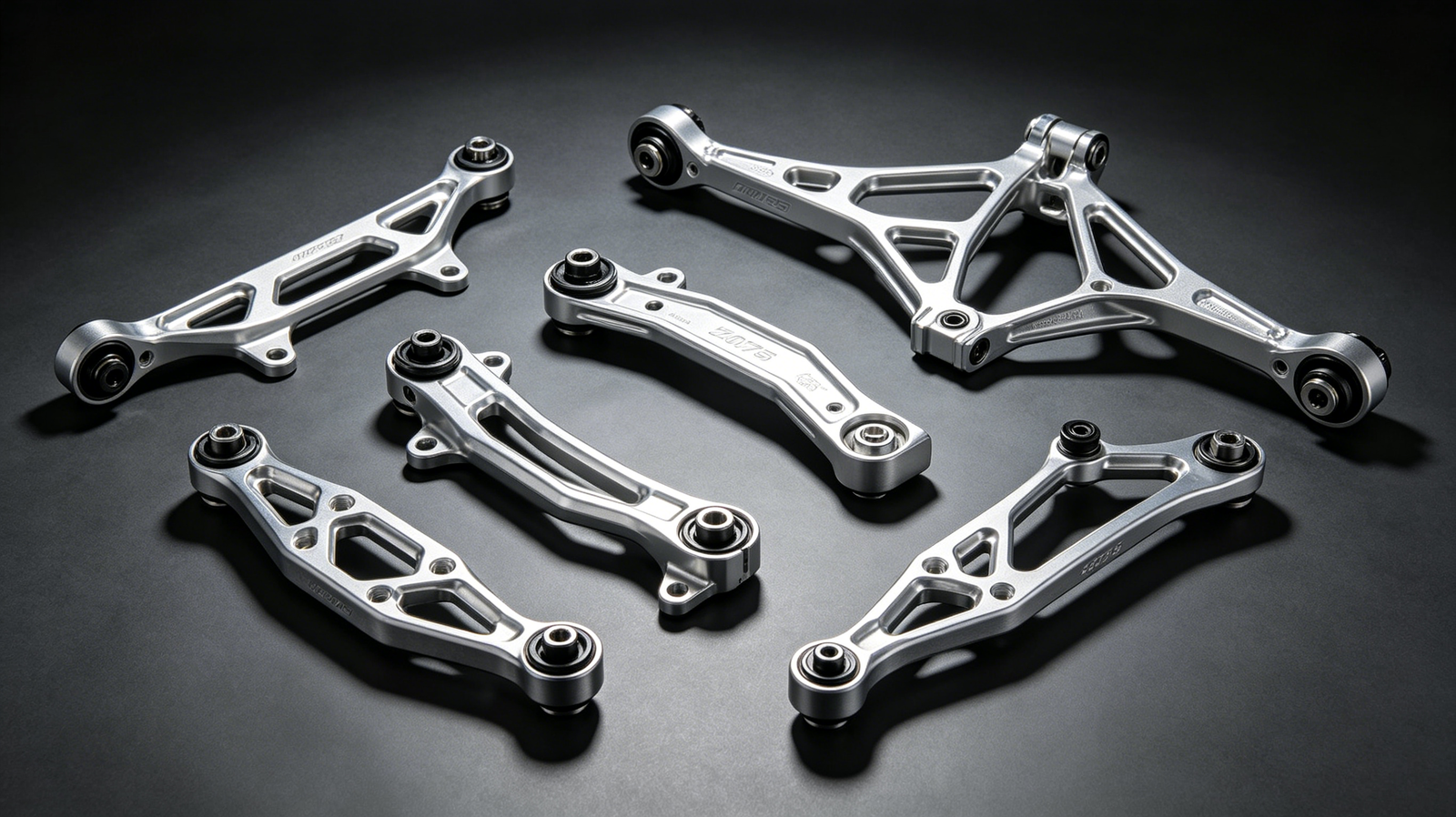
Pressure testing serves different quality control purposes during product development, sample approval, and mass production. The RFQ should therefore define the testing scope and sampling requirements for each stage. During development, multiple samples may need to be evaluated to validate the design, sealing performance, and manufacturing process. Once production begins, inspection frequency should be established according to product risk, customer specifications, and demonstrated process capability. Xiamen Ruicheng recommends incorporating the test plan, nonconformance procedures, and quality documentation requirements into the project specifications to ensure that development results remain relevant to subsequent production control. Passing a prototype pressure test does not automatically prove that every production batch will maintain consistent sealing performance.
Prototype Validation: Specify the number of samples, their manufacturing status, and whether parts must be produced using production-intent tooling and processes.
Sampling Requirements: Define whether testing requires 100% inspection, sampling, or batch-based verification. Determine the frequency according to product risk and customer quality requirements.
Process Monitoring: Where applicable, track pressure or leakage data over time to identify sealing failures, process changes, and equipment abnormalities.
Failure Handling: Define requirements for product containment, retesting, root cause analysis, and corrective actions. Acceptance limits must not be relaxed without appropriate authorization.
📋 Integrating pressure testing into product validation and production control reduces repeat testing, batch disputes, and delivery risks.
Comparing RFQ Requirements for Different Pressure Testing Methods
| Test Method | Conditions to Specify | Primary Risk | Evidence to Request |
|---|---|---|---|
| Proof Pressure Testing | Test pressure, pressurization procedure, hold time | Structural damage or insufficient pressure resistance | Test report and abnormality records |
| Pressure Decay Testing | Initial pressure, stabilization time, allowable pressure decay | Incorrect results caused by temperature changes | Pressure curves and acceptance results |
| Differential Pressure Testing | Reference component, differential pressure limit, equipment capability | Measurement error or poor repeatability | Equipment details and inspection records |
| Tracer Gas Leak Testing | Tracer gas, detection sensitivity, leakage limit | Failure to detect small leaks | Leak test report and calibration records |
If you are developing custom components that require pressure resistance, gas-tightness, or liquid-tightness validation, provide Xiamen Ruicheng with your component drawings, operating pressure, test medium, and allowable leakage limits. Our team can help assess manufacturing and inspection requirements before production begins. Contact us to discuss your project.
How Can Pressure Testing Requirements Become an Executable Supplier Acceptance Plan?
A pressure testing RFQ should be more than a list of technical parameters. It should connect product design, supplier quotation, engineering validation, and mass production delivery through a consistent set of requirements. From Xiamen Ruicheng’s perspective, clear testing specifications help identify the relationship between sealing design, machining accuracy, and inspection capabilities during manufacturing feasibility reviews. Resolving testing requirements before a supplier submits a quotation is generally more efficient than redesigning the test plan after prototype failures occur.
1.Define Operating Conditions: Provide the operating pressure, pressure cycles, test medium, temperature range, and intended application environment so the supplier can understand the actual operating boundaries.
2.Establish Acceptance Criteria: Specify the test pressure, holding time, leakage limit, inspection method, and pass/fail criteria. This prevents suppliers from quoting against different interpretations of the same requirement.
3.Confirm Documentation Deliverables: State whether the project requires raw test data, formal inspection reports, equipment calibration information, batch traceability records, or customer-specific validation documents.
4.Evaluate Supplier Capability: Confirm that the supplier can meet the required pressure range, detection sensitivity, and production throughput. Establish the procedures for nonconforming products and revalidation before production approval.
Frequently Asked Questions About Pressure Testing RFQs
1.What pressure testing requirements should I include in an RFQ?
Your RFQ should include the operating pressure, test pressure, pressure reference, test medium, pressurization procedure, stabilization time, holding time, test temperature, allowable leakage rate, and acceptance criteria. For custom components, also specify the drawing revision, sample quantity, reporting format, and any customer-specific standards. Xiamen Ruicheng recommends providing complete technical documentation so manufacturing feasibility, testing methods, and quotation scope can be evaluated accurately.
2.What information do you need to quote a pressure-tested component?
Please provide component drawings or a 3D model, material requirements, sealing design, operating pressure, test pressure, test medium, leakage limits, estimated order quantity, and delivery requirements. Existing customer testing specifications and historical failure records are also useful. Xiamen Ruicheng can use this information to evaluate manufacturing requirements, testing feasibility, and documentation needs. The final quotation and lead time can be confirmed after the technical requirements have been reviewed.
3.Can I use the same pressure test conditions for prototypes and mass production?
Not necessarily. Prototype testing generally focuses on design validation and manufacturing feasibility, while mass production requires an inspection plan appropriate to customer requirements, product risks, and process capability. Test pressure and acceptance criteria should remain consistent with the approved technical specification unless formally revised. Sampling frequency, sample quantity, and documentation procedures may vary according to the project stage and customer requirements.
4.What happens if a component fails the pressure test?
The nonconforming component should be contained according to the agreed acceptance criteria. The supplier should then review the testing equipment, fixtures, sealing interfaces, and test procedure before investigating possible component defects such as porosity, cracks, machining defects, or sealing assembly problems. Retesting must follow a defined procedure rather than selectively repeating tests until a passing result is obtained. Xiamen Ruicheng recommends defining root cause analysis, corrective actions, retest conditions, and responsibility allocation in the quality agreement.
5.Can Xiamen Ruicheng support custom pressure testing requirements?
Xiamen Ruicheng can evaluate manufacturing and testing requirements for custom metal components, die-cast parts, and related assemblies based on the project specifications. Our team can help customers review testing conditions, manufacturing feasibility, and required quality documentation. Whether a component can meet a specified pressure range, leakage limit, or testing method depends on its design, test medium, available inspection equipment, and applicable standards. Providing complete requirements during the RFQ stage helps establish feasibility, cost, and project lead time.
Conclusion
The effectiveness of a pressure testing RFQ depends on clearly defined test conditions, appropriate inspection methods, and traceable acceptance results. Buyers should specify operating conditions, pressure parameters, leakage limits, validation stages, and reporting requirements before requesting quotations. Defining pressure testing requirements early in engineering reviews and supplier selection helps identify risks sooner and establish an executable quality acceptance process. Xiamen Ruicheng can work with customers to assess the engineering feasibility and quality control requirements of custom components based on their drawings, manufacturing specifications, and validation objectives.
For expert assistance with pressure-tested components for your production needs, visit our resource center or contact us. Let’s help you scale up your manufacturing with precision and efficiency!