How Do Anodizing Types and Colors Affect Automotive CNC Parts?
CNC-machined aluminum components used in the automotive industry must often meet demanding requirements for corrosion resistance, wear resistance, dimensional accuracy, and appearance consistency. Anodizing creates a protective oxide layer on aluminum surfaces, but the anodizing type, coating thickness, and coloring method can significantly affect the final performance of a part. For automotive electronics housings, sensor brackets, precision connectors, and lightweight structural components, the surface treatment must be selected according to the material, operating environment, and assembly requirements. Anodizing is not simply a cosmetic choice; it is an engineering decision that affects component reliability, manufacturing costs, and long-term performance.
At Xiamen Ruicheng, we evaluate surface treatment requirements from the perspective of custom manufacturing and engineering collaboration, helping customers identify potential risks during product development. For CNC-machined automotive components with strict appearance, dimensional, or corrosion-resistance requirements, we recommend evaluating the anodizing type, color, coating thickness, and critical dimensions before finalizing the manufacturing process. Defining surface treatment acceptance criteria early helps reduce color variations, assembly interference, and rework between prototype and mass production. For automotive product development teams, a capable manufacturing partner should do more than machine parts; it should help establish manufacturing requirements that are measurable, repeatable, and suitable for production.
Which Anodizing Type Is Best for CNC-Machined Automotive Aluminum Parts?
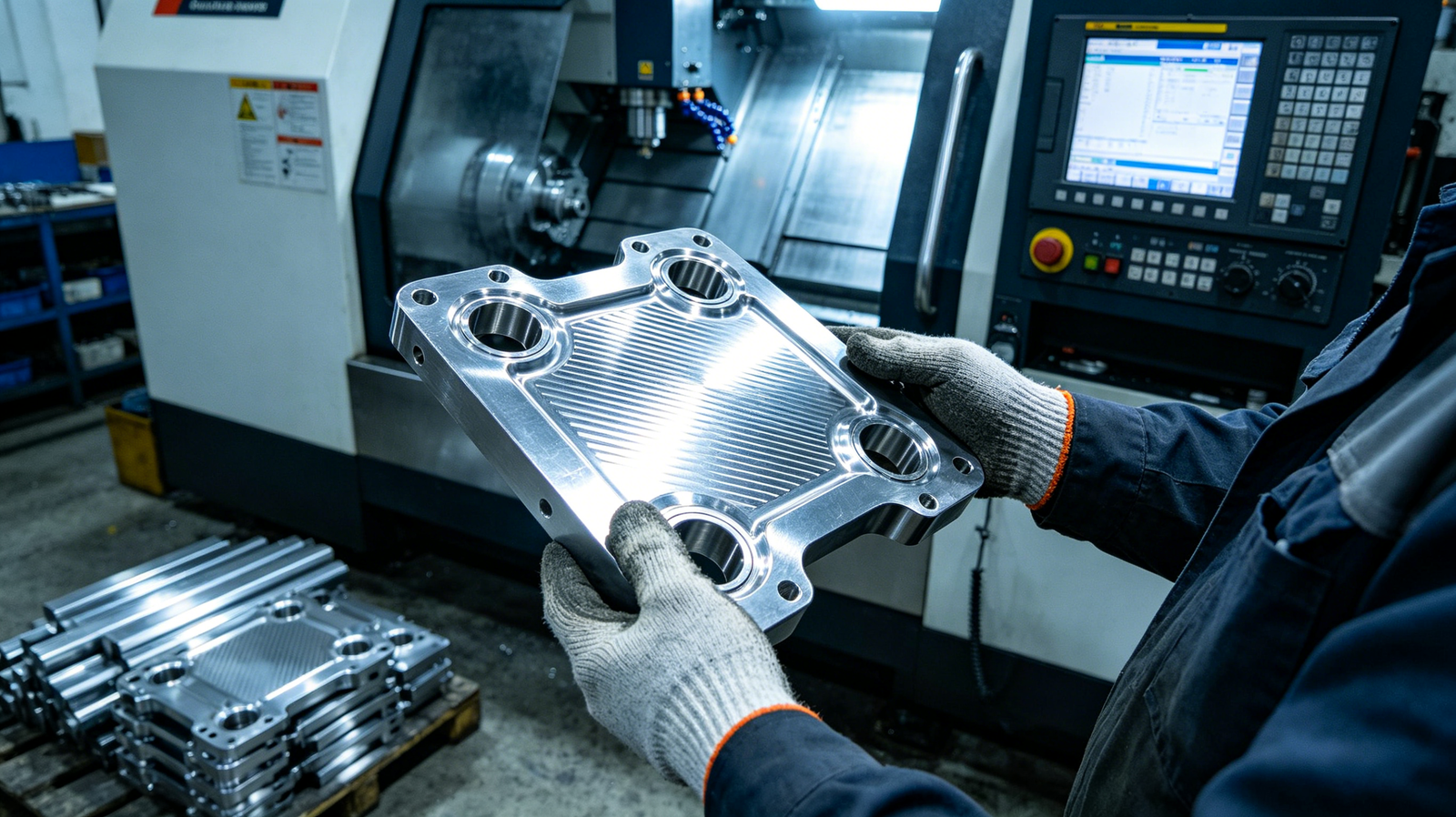
The appropriate anodizing type depends on the component’s operating environment, wear exposure, appearance requirements, and dimensional tolerances rather than a one-size-fits-all approach. Conventional sulfuric acid anodizing is commonly used for aluminum components requiring decorative finishes and general surface protection, while hard anodizing is often selected for applications requiring greater surface hardness and wear resistance. Actual performance also depends on the aluminum alloy, temper, surface roughness, and process parameters. When a component must meet tight dimensional tolerances while providing wear and corrosion resistance, the functional purpose of the oxide layer and its dimensional impact must be evaluated during the design stage. Customers can consult relevant aluminum anodizing standards and confirm the applicable acceptance requirements for their specific components.
Conventional Anodizing: Conventional anodizing is suitable for many automotive electronic housings, decorative components, and general-purpose protective parts, although corrosion performance still depends on coating thickness, sealing quality, and the service environment.
Hard Anodizing: Hard anodizing is commonly used for components exposed to friction, abrasion, or demanding surface-hardness requirements, but its thicker oxide layer may create additional risks for precision fits and edge conditions.
Dimensional Compensation: Anodizing changes the final dimensions of a component, so engineers should account for the substrate, coating thickness, and process characteristics when determining machining allowances for precision holes and mating surfaces.
Material Compatibility: Aluminum alloys containing different amounts of silicon, copper, and other alloying elements may develop different colors, coating uniformity, and surface finishes, making material and process validation important before mass production.
🔧 Choose the anodizing type according to functional requirements first, then optimize appearance and cost.
Why Do Anodizing Colors Affect Appearance Consistency in Automotive Parts?
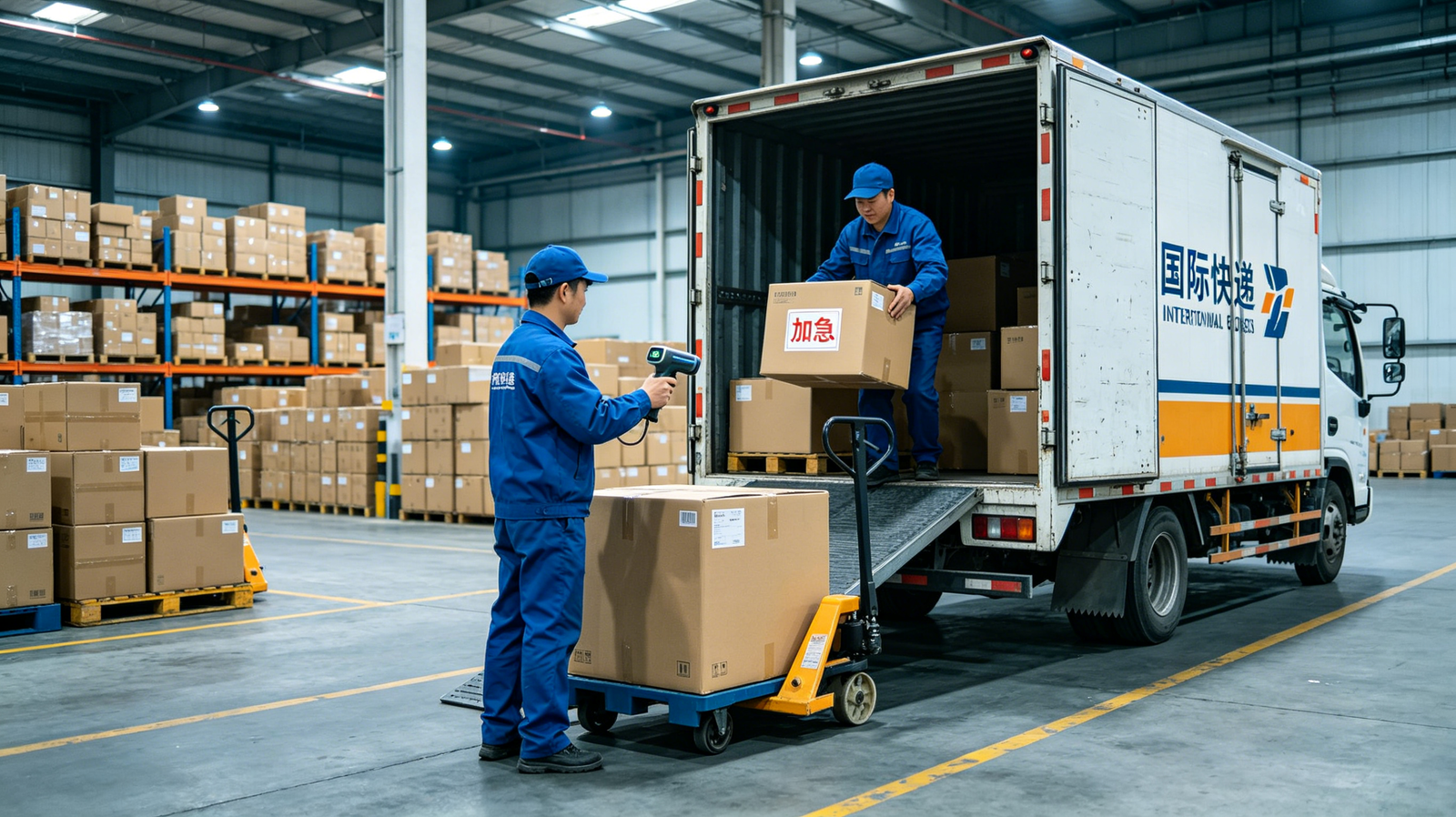
Anodizing color affects more than the visual appearance of an automotive component. It can also vary with alloy composition, surface roughness, oxide structure, dyeing conditions, and sealing parameters. Black anodizing is widely used for automotive electronic housings, control modules, and components requiring a low-reflectivity finish, while natural silver is often selected when the metallic appearance of aluminum should remain visible. Other colors may support product identification, branding, or specific design requirements. If a customer specifies only a color name without defining a reference sample, viewing conditions, and acceptable variation, consistent appearance across production batches becomes difficult to guarantee.
Black Anodizing: Black anodizing is suitable for many automotive electronic housings and precision equipment components, but color depth, surface gloss, and acceptable batch-to-batch variation should be agreed upon in advance.
Natural Silver: Natural silver anodizing preserves the metallic character of aluminum, although the final appearance is influenced by alloy composition, machining marks, blasting, and anodizing conditions.
Colored Anodizing: Gold, red, blue, and other colors can support product differentiation and visual identification, but color consistency may vary between alloys and production batches, making sample approval essential.
Appearance Standards: Customers should establish approved reference samples and define lighting conditions, viewing distance, surface gloss, and acceptable color variation instead of relying exclusively on colors displayed on a computer screen.
🎨 Consistent anodizing colors require approved samples, controlled processing, and clearly defined inspection criteria.
How Does Anodizing Affect Dimensional Accuracy and Corrosion Resistance?
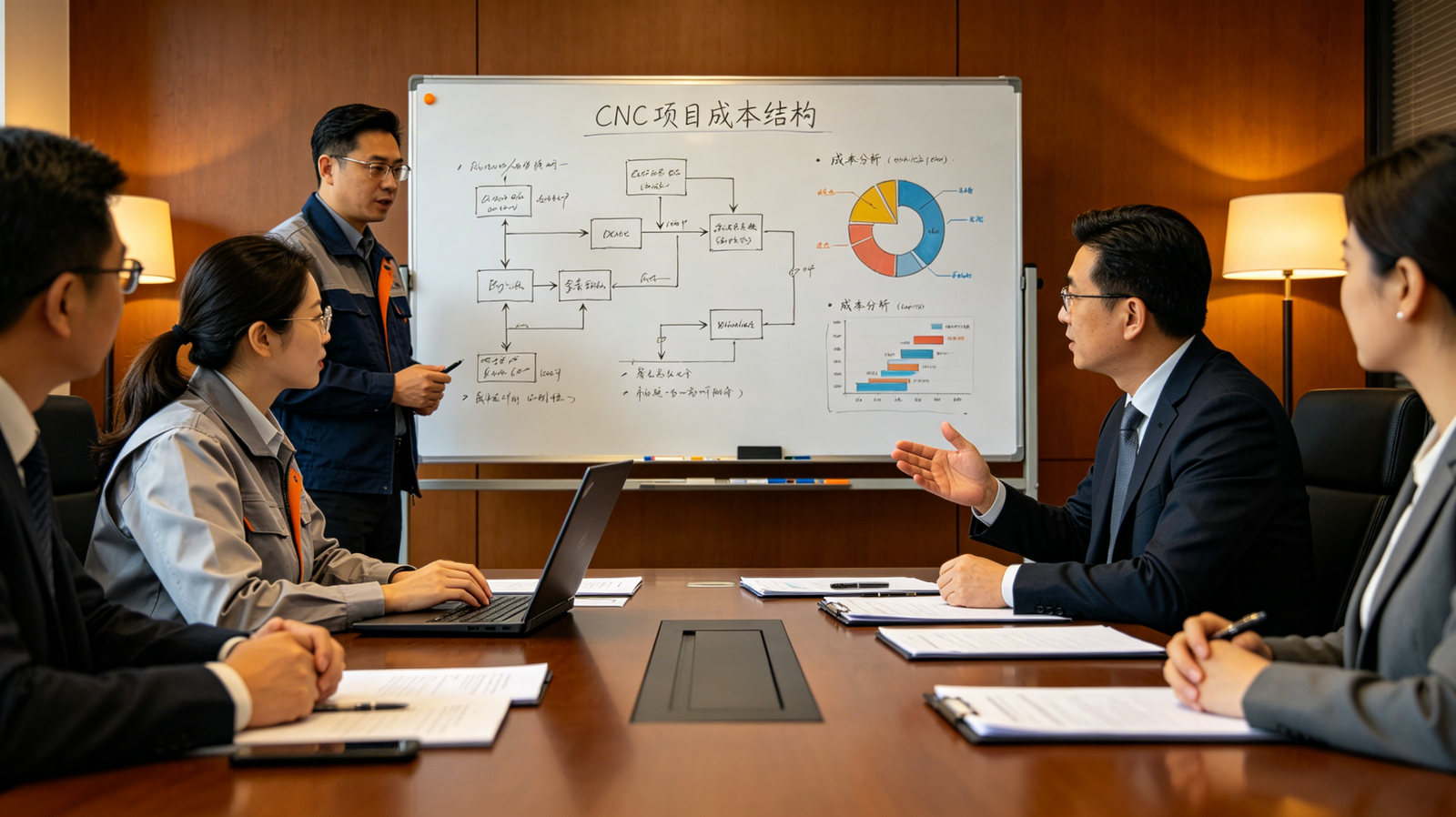
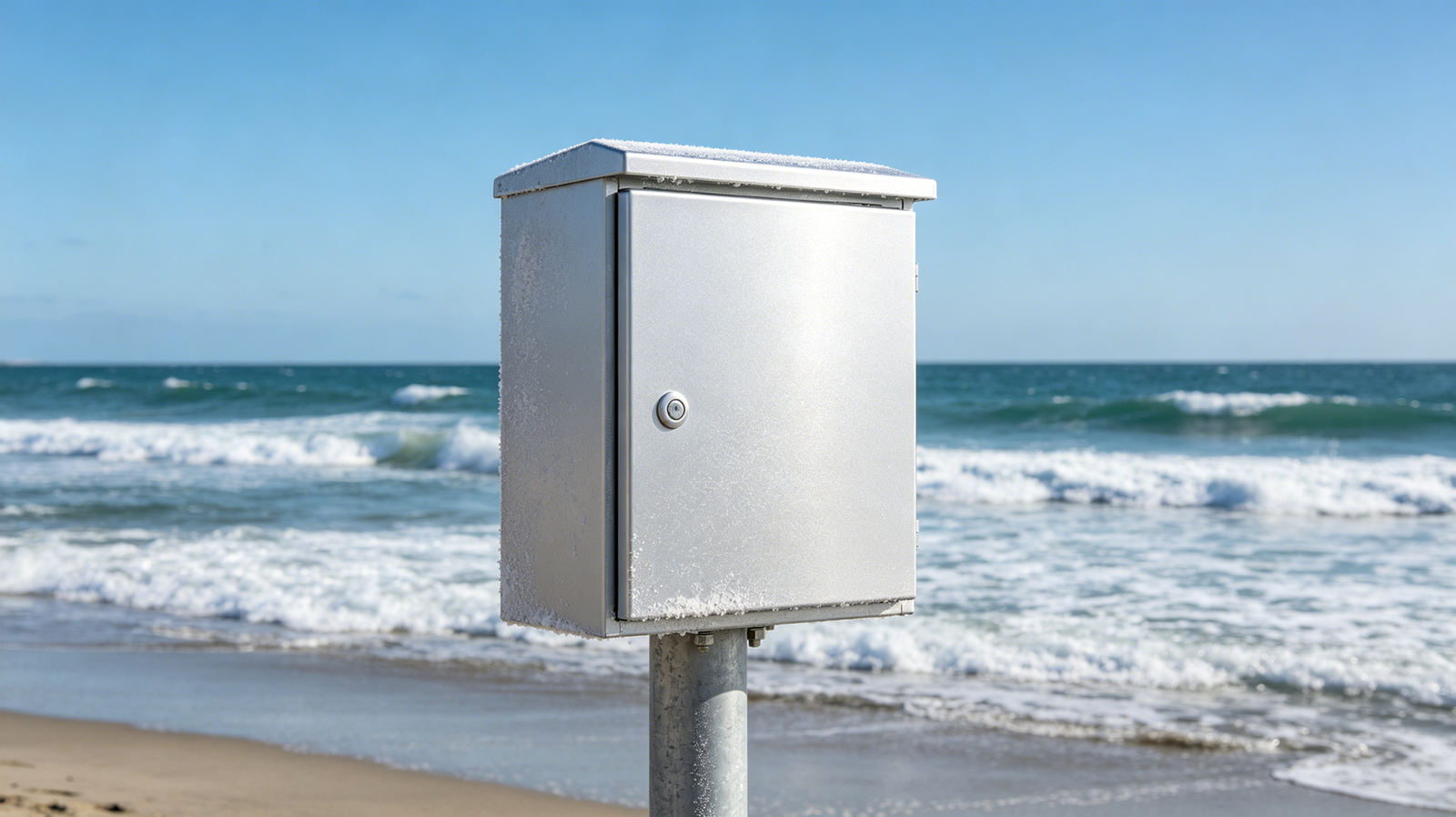
After anodizing, the oxide layer affects the final dimensions of CNC-machined automotive components while contributing to corrosion resistance and surface hardness. Because the coating develops partly through conversion of the underlying aluminum, its total thickness should not simply be treated as an equivalent outward dimensional increase. Precision features such as sensor mounting points, connector interfaces, and tightly fitted assemblies require particular attention because dimensional changes may cause assembly difficulties, poor electrical contact, or inspection failures. Final dimensional acceptance must be based on the finished anodized component, with critical features and their tolerances explicitly defined in the engineering drawing and inspection plan. Design teams should also assess the actual operating environment, including moisture, salt exposure, and contact between dissimilar metals, when establishing corrosion-protection requirements.
Dimensional Control: For precision bores, shafts, and mating surfaces, define both pre-anodizing machining dimensions and post-anodizing acceptance dimensions, then establish suitable process compensation through sample measurements.
Corrosion Validation: Coating thickness, sealing quality, alloy composition, and surface defects can all influence corrosion performance. Select appropriate corrosion testing methods and acceptance criteria according to the customer’s specifications and operating conditions.
Assembly Risk: Threads, grounding contacts, press-fit areas, and electrical interfaces may not be suitable for conventional anodizing without additional consideration. Determine early whether masking, localized treatment, or an alternative finishing approach is required.
Production Validation: During pilot production, inspect appearance, coating thickness, critical dimensions, and functional performance. Environmental testing may also be necessary to confirm that the finished component meets the intended service requirements.
📐 Integrating post-anodizing dimensions and operating conditions into validation helps balance precision and surface protection.
Comparing Anodizing Options for Automotive CNC Components
| Evaluation Factor | Conventional Anodizing | Hard Anodizing | Colored Anodizing | Key Engineering Consideration |
|---|---|---|---|---|
| Primary Objective | Appearance and general protection | Wear resistance and surface hardness | Appearance and visual identification | Define the component’s function first |
| Color Options | Natural finishes and selected dyed colors | Often darker or natural finishes, depending on the process | Black, gold, red, and other available colors | Approve a physical reference sample |
| Dimensional Impact | Requires allowance for coating growth | Thicker coatings may create greater fit risks | Color and coating requirements must be balanced | Inspect dimensions after anodizing |
| Cost Factors | Depends on coating thickness and finishing requirements | May require tighter process control | Color management may increase validation costs | Evaluate production volume and acceptance criteria |
If you are developing CNC-machined aluminum automotive components that require corrosion resistance, consistent appearance, or precision fits, Xiamen Ruicheng can help evaluate suitable machining and surface treatment options based on your drawings, materials, and operating conditions. Share your component drawings, target color, critical dimensions, and application requirements through contact us to discuss your custom manufacturing needs.
How Can You Establish Reliable Anodizing Quality Control Before Mass Production?
Surface treatment risks in automotive components often arise from incomplete design requirements, insufficient sample approval, or uncontrolled process changes during production. Xiamen Ruicheng recommends reviewing CNC machining drawings, material specifications, anodizing requirements, and final inspection criteria together at the beginning of a project. This helps prevent communication gaps between machining and finishing operations. Mass-production quality should not depend on the appearance of a single first article; it requires traceable process requirements and inspection data that demonstrate consistency.
1.Define Technical Requirements: Specify the aluminum alloy, anodizing type, color, coating thickness, critical dimensions, and appearance acceptance criteria in the engineering drawing or technical specification. This reduces the risk of different interpretations by the customer and supplier.
2.Approve Production Samples: Produce samples using the intended material and finishing process. Confirm color, gloss, surface texture, coating thickness, and assembly performance, then retain approved samples as references for subsequent production batches.
3.Establish an Inspection Plan: Depending on component risk, define dimensional inspection, coating-thickness measurement, visual inspection, and appropriate corrosion testing. Specify sampling methods, inspection equipment, and procedures for handling nonconforming parts.
4.Control Engineering Changes: When the material supplier, machining parameters, anodizing process, or surface preparation method changes, evaluate the potential impact on color, dimensions, and durability. Repeat sample approval or validation when necessary.
Frequently Asked Questions About Anodizing CNC-Machined Automotive Parts
1.Which Anodizing Type Is Best for Automotive Aluminum Components?
There is no single anodizing process suitable for every automotive component. Conventional anodizing is appropriate for many parts requiring appearance and general surface protection, while hard anodizing is often preferred for applications with greater wear-resistance requirements. The final choice should be based on the aluminum alloy, coating thickness, operating environment, dimensional tolerances, and customer specifications.
2.What Information Should We Provide to Receive an Accurate Quote?
Provide 2D engineering drawings, a 3D CAD model, the aluminum alloy specification, estimated order quantities, the required anodizing type, a target color or reference sample, critical dimensions, and corrosion-resistance requirements. If the project is still in development, you can also provide the component’s application environment and functional requirements. Xiamen Ruicheng can use this information to evaluate machining feasibility, surface treatment risks, and inspection requirements.
3.How Do Minimum Order Quantities and Lead Times Vary by Order Size?
Minimum order quantities and lead times depend on component complexity, material availability, CNC machining time, finishing supply-chain capacity, and inspection requirements. Prototype projects generally require confirmation of the machining and anodizing processes, while mass production requires delivery planning based on forecast demand, order volume, and supplier capacity. The agreed delivery schedule and commercial terms should be documented in the quotation or contract.
4.What Happens If Production Parts Have Color Variations or Dimensional Deviations?
The first step is to inspect the affected parts against the approved reference sample, engineering drawings, and agreed acceptance criteria. Relevant batch information, material records, coating thickness, and process data should be retained for investigation. Once the cause is identified, the supplier and customer can determine whether the issue results from material variation, surface preparation, anodizing parameters, or dimensional compensation, then agree on rework, replacement, or other corrective actions. It is advisable to establish nonconformance procedures and responsibility criteria in advance.
5.Can Xiamen Ruicheng Provide Customized CNC Machining and Anodizing Solutions?
Xiamen Ruicheng provides custom manufacturing and engineering support, including evaluation of CNC machining, material selection, surface treatment coordination, and quality inspection requirements. Customers should provide drawings, material specifications, target colors, critical tolerances, operating conditions, and estimated order quantities. Process feasibility, sample lead times, production schedules, and costs can then be confirmed following a technical review.
Conclusion
Anodizing CNC-machined automotive components requires a careful balance between appearance, corrosion resistance, wear resistance, dimensional accuracy, and manufacturing cost. Conventional anodizing, hard anodizing, and colored anodizing each serve different purposes, so the final selection should be based on functional requirements, material characteristics, and validation results rather than color or surface hardness alone. For automotive product development teams, the most reliable approach is to define acceptance criteria during the design stage and validate the finished surface and assembly dimensions before mass production. Xiamen Ruicheng supports customers through engineering collaboration, custom machining, and quality control to reduce development risks and establish more reliable component supply solutions.
For expert assistance with CNC-machined automotive parts and anodizing requirements, visit our resource center or contact us. Let’s help you scale up your manufacturing with precision and efficiency!