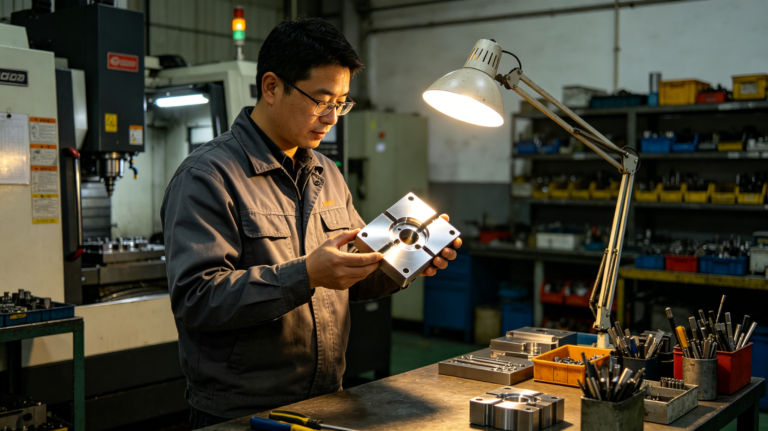
Medical Device Stamping Part Quality Requirements

Stamping parts used in medical devices may be small, but they can perform critical functions such as structural support, positioning, electrical connection, shielding, spring contact, and internal mechanism movement. Compared with conventional industrial stamped parts, medical device components often require tighter control over material specifications, dimensional consistency, burrs, surface condition, cleanliness, and traceability. For medical device stamping, the key question is not simply whether a part can be stamped, but whether it can be produced consistently to the required specification throughout mass production.
When a medical project moves from prototype development into production, buyers typically care about much more than the unit price. They need to understand how the supplier controls material batches, tooling wear, dimensional variation, burr formation, surface contamination, and production traceability. From Xiamen RuiCheng’s perspective, medical-related precision metal component projects should be evaluated from the engineering drawing, material specification, manufacturing process, and end-use application before production begins. For medical device projects, a supplier’s process control capability is often more important than the performance of a single approved sample.
What Material and Compliance Requirements Apply to Medical Device Stamping Parts?

Medical device stamping parts must start with appropriate material selection based on their intended function, such as stainless steel, aluminum alloys, copper alloys, or other specified metals. The material grade, mechanical properties, thickness tolerance, surface condition, and applicable customer specifications should be confirmed before production, while components that contact the human body, medical fluids, disinfectants, or controlled environments may require additional evaluation for corrosion resistance, chemical compatibility, and other application-specific requirements. Xiamen RuiCheng establishes material requirements according to customer drawings and application conditions and controls material consistency through precision stamping and metal stamping manufacturing. Material selection for medical components must consider product function, manufacturing performance, service conditions, and applicable compliance requirements at the same time.
Material Grade: The material should match the approved engineering specification, and substitutions should not be made without customer approval.
Material Traceability: Material batch information should be retained so that the source of raw material can be identified if a quality issue occurs.
Corrosion Resistance: Parts exposed to moisture, disinfectants, or aggressive environments may require verification of the material and surface treatment system.
Compliance Documentation: Depending on the medical device and target market, customers may require material certificates, inspection reports, or other quality documentation.
🔬 Medical stamping material control should go beyond basic machinability and ensure that the material supports the required product performance and quality system.
Why Do Medical Device Stamping Parts Require Tighter Dimensional and Burr Control?
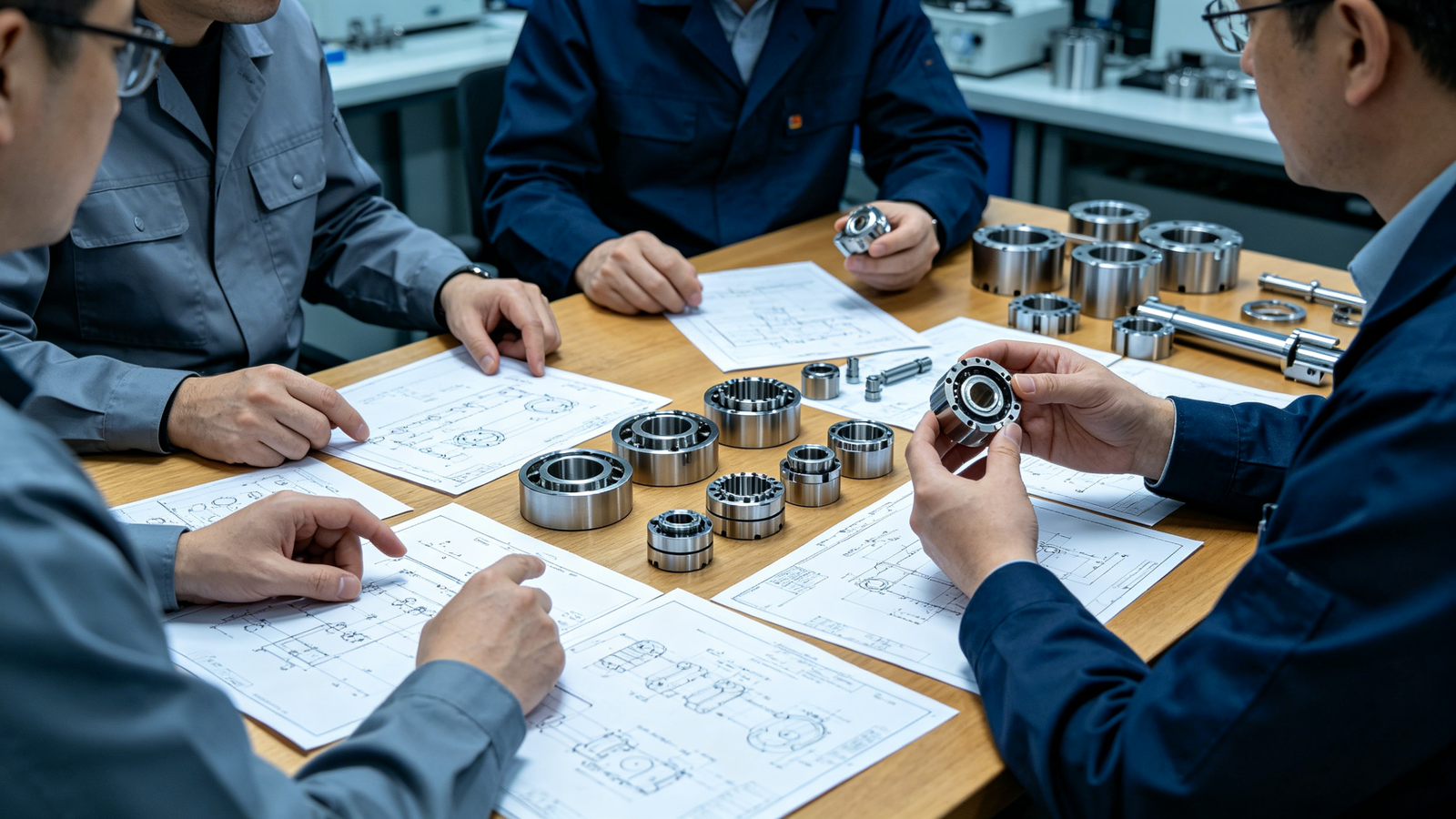
Medical devices often contain compact internal assemblies where stamped components must interface with springs, connectors, sensors, plastic components, or other metal parts. Variations in hole diameter, hole position, bend angle, profile dimensions, and positional accuracy can therefore affect final assembly and functional performance. During stamping, factors such as die clearance, material springback, punch wear, and feeding accuracy can create dimensional drift or increasing burrs over time. Xiamen RuiCheng evaluates tooling design, stamping sequences, and inspection methods according to the specified tolerances and monitors critical dimensions during production. For medical stamping parts, the objective is not merely to make one acceptable sample, but to maintain a stable dimensional distribution throughout repeated production.
Dimensional Tolerance: Critical dimensions should be defined according to functional and assembly requirements rather than unnecessarily tight tolerances.
Die Clearance: Appropriate clearance helps improve the sheared edge and reduce excessive burr formation and deformation.
Material Springback: Bent components require springback compensation during tool development to maintain consistent angles during production.
Burr Control: Excessive burrs can affect assembly, surface treatment, cleanliness, and component function, so acceptable limits should be clearly defined.
🔬 Medical stamping precision should be managed around actual assembly and functional requirements rather than isolated dimensional targets.
What Surface Quality and Cleanliness Requirements Apply to Medical Stamping Parts?
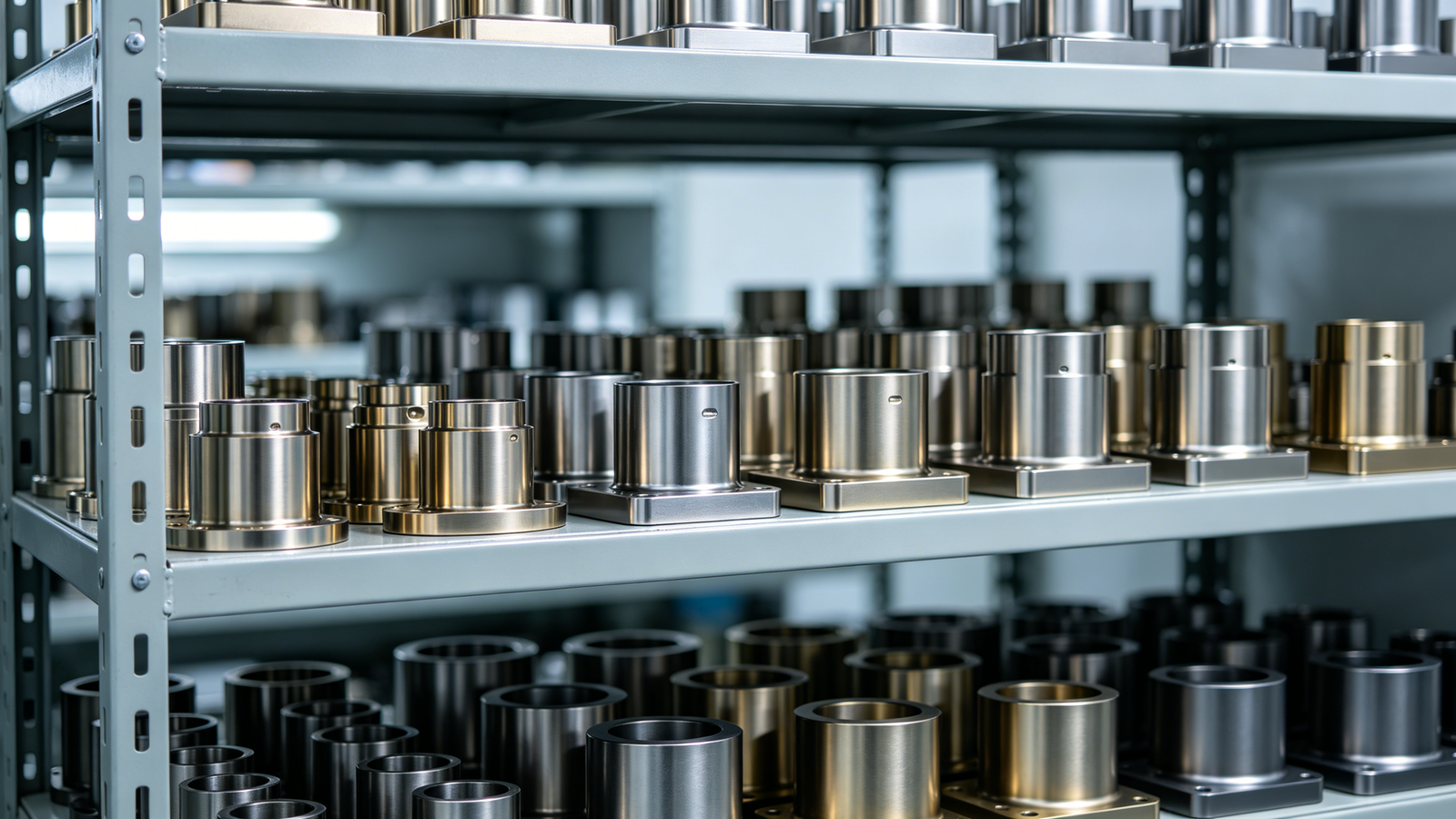
Surface condition is particularly important for medical device components because burrs, metal particles, stamping oil, oxidation, and other residues can affect assembly, cleaning, sterilization, or long-term reliability. After stamping, components may require deburring, cleaning, polishing, passivation, plating, or other surface treatments, and every additional process can introduce new contamination or dimensional risks. Xiamen RuiCheng evaluates the required surface roughness, appearance, cleanliness, and post-processing requirements before defining the manufacturing route. Surface quality for medical components must be controlled throughout stamping, deburring, cleaning, surface treatment, and packaging rather than being treated as a final inspection item.
Surface Defects: Scratches, dents, cracks, and significant deformation should be evaluated against clearly defined functional and appearance criteria.
Residue Control: Stamping oils, cleaning agents, and metal particles should be controlled through appropriate process and cleaning methods.
Deburring: The deburring method should be selected according to component geometry, material, burr location, and functional requirements.
Packaging Protection: Cleaned and inspected components should be packaged appropriately to minimize secondary contamination during handling and transportation.
🔬 Medical stamping cleanliness is created by the entire manufacturing chain, not by the final cleaning operation alone.
Medical Device Stamping Requirements Buyers Should Compare
| Requirement | Standard Industrial Stamping | Medical Device Stamping | Buyer Focus |
|---|---|---|---|
| Material Control | Standard Grade | Strict Specification & Batch Control | Material Certificates |
| Dimensional Control | Functional Fit | Stable Critical Dimensions | Process Inspection |
| Surface Quality | General Appearance | Controlled Burrs & Contamination | Cleanliness Criteria |
| Traceability | Customer Dependent | Typically More Detailed | Batch Records |
If your medical device project requires control of material, dimensions, burrs, surface treatment, and batch consistency, Xiamen RuiCheng can evaluate the project from drawing review and process analysis through production. Please contact us for a customized stamping manufacturing assessment.
How Should Buyers Evaluate a Medical Stamping Supplier?
Selecting a medical device stamping supplier should not be based only on quotation, sample quality, or press tonnage. Buyers should evaluate whether the supplier can convert engineering requirements into a practical and repeatable mass-production control plan. A capable supplier should be able to explain how materials are controlled, how tooling is maintained, how critical dimensions are inspected, how nonconformities are handled, and how production batches are traced. The real capability to evaluate is whether the supplier can repeatedly reproduce conforming parts under controlled production conditions.
1.Engineering Review: The supplier should identify potential manufacturing risks involving material thickness, tolerances, holes, bends, forming features, and component geometry.
2.Tooling Capability: Buyers should verify whether the supplier has reliable precision tooling development, maintenance, and modification capabilities.
3.Quality System: Review the supplier’s inspection process, critical-dimension controls, material traceability, and nonconformance procedures.
4.Mass Production Capability: Evaluate whether the supplier can maintain consistent quality across repeated production batches rather than only producing an acceptable prototype.
Medical Device Stamping FAQ
Question 1: What are the key quality standards for your medical device stamping parts?
Answer: Xiamen RuiCheng establishes project-specific quality requirements based on customer drawings, material specifications, critical dimensions, surface conditions, and application requirements. Depending on the component, dimensional verification can use CMM, optical measurement systems, micrometers, calipers, or dedicated gauges, with inspection items and frequencies defined according to the product requirements.
Question 2: What information should we provide when sourcing medical device stamping parts?
Answer: Customers should ideally provide 2D engineering drawings, 3D models, material grade and thickness, critical tolerances, surface treatment requirements, estimated order volume, application environment, and applicable market requirements. Xiamen RuiCheng’s engineering team can use this information for DFM evaluation, identifying potential risks in stamping, material selection, tooling, forming, and post-processing before quotation and sampling.
Question 3: How do MOQ, lead time, and payment terms vary by order volume?
Answer: MOQ and lead time depend on material sourcing, tooling development, trial production, validation requirements, and annual demand. Prototype or small-batch validation may follow a different production arrangement from regular mass production. For new projects, it is generally better to confirm samples and critical quality requirements first and then establish tooling and capacity planning based on forecast demand. Specific commercial terms and delivery schedules are confirmed during project evaluation.
Question 4: How do you handle dimensional or burr issues after delivery?
Answer: Xiamen RuiCheng reviews reported quality issues using customer samples, inspection data, and batch information, then checks the relevant material, tooling, equipment parameters, and production records. Once the root cause is identified, corrective actions may include tooling adjustment, process optimization, or inspection improvement. Affected batches can also be isolated and traced to prevent the same issue from continuing.
Question 5: Can you customize stamping services for special medical device requirements?
Answer: Xiamen RuiCheng can evaluate customized manufacturing solutions based on material, dimensions, tolerances, surface treatment, cleanliness, packaging, and production volume requirements. For components involving human contact, sterilization, or specific regulatory requirements, customers should provide the relevant application and compliance requirements in advance so that the engineering team can evaluate the suitability of the proposed material and post-processing route.
Conclusion
Medical device stamping parts differ from conventional industrial stamped components not simply because they may require tighter tolerances, but because their manufacturing process often demands stronger control over materials, process stability, cleanliness, and traceability. Buyers should evaluate suppliers across engineering review, tooling capability, inspection systems, and mass-production stability rather than relying on price or prototype performance alone. A reliable medical stamping supplier should be able to convert engineering requirements into a stable, verifiable, and traceable manufacturing process. Xiamen RuiCheng supports medical device customers with stamping process evaluation, precision tooling development, mass production, and quality control based on individual project requirements.
For expert assistance in implementing medical device stamping part production needs, visit our resource center or contact us. Let’s help you scale up your manufacturing with precision and efficiency!