Introduction
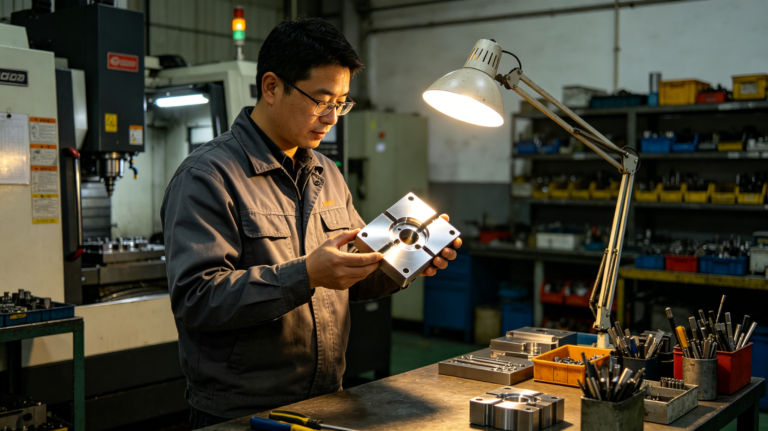
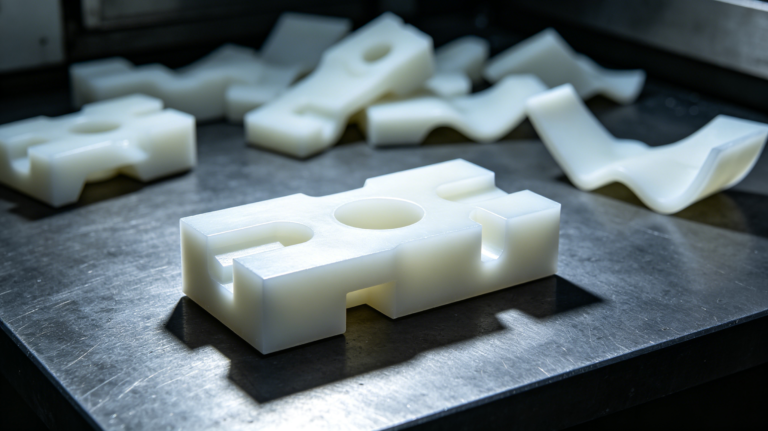
Choosing a stamping parts supplier requires more than comparing press tonnage or the price of one sample part. For automotive components, electronic hardware, industrial brackets, and other high-volume parts, an acceptable sample does not necessarily prove stable mass-production capability. The real value of a supplier lies in its ability to consistently convert engineering requirements into qualified production parts.Many buyers focus heavily on unit price during the RFQ stage while overlooking tooling capability, material control, process stability, and response to production problems. Once mass production begins, die wear, material variation, dimensional drift, and delivery fluctuations can create significant additional costs. From the perspective of Xiamen RuiCheng, we recommend evaluating stamping suppliers across the entire manufacturing process rather than selecting a supplier based only on the lowest quotation.
The overall strength of a stamping supplier is reflected in how well its engineering, equipment, tooling, quality control, and supply capabilities work together. Establishing a consistent supplier evaluation framework during the sourcing stage allows buyers to identify potential risks earlier and reduce the possibility of tooling modifications, rework, delays, and quality claims later.A reliable long-term stamping supplier should be capable of supporting the project from product development and trial production through mass production and continuous improvement.
How Can You Evaluate a Stamping Supplier’s Equipment and Process Capability?
When comparing stamping suppliers, the first step is to determine whether their equipment and processes genuinely match the product requirements rather than simply counting the number of machines they own. Different material thicknesses, part sizes, materials, and forming structures require different press capacities, stroke lengths, precision levels, and feeding systems. Complex components may also require progressive dies, multi-stage stamping, or precision forming processes. Reviewing the supplier’s metal stamping capabilities helps determine whether it can support both the current project and potential future product changes. Equipment specifications only become meaningful when they are properly matched to the actual manufacturing requirements of the part. At Xiamen RuiCheng, we evaluate the component structure, material, expected volume, and forming requirements before recommending an appropriate stamping process.
Equipment Matching: Press capacity, worktable dimensions, and stroke must match the required forming force and component dimensions.
Process Coverage: The supplier should have suitable capabilities for single-operation stamping, progressive stamping, or multi-stage forming according to the part structure.
Tooling Capability: Die design, manufacturing, trial production, and maintenance directly affect long-term dimensional stability.
Automation Level: Automated feeding, transfer systems, and continuous production can reduce operator variation and improve batch consistency.
🔧 When evaluating stamping suppliers, look beyond machine quantity and verify whether the equipment, tooling, and process are genuinely suitable for your parts.
How Can You Compare Stamping Suppliers for Quality and Mass-Production Stability?
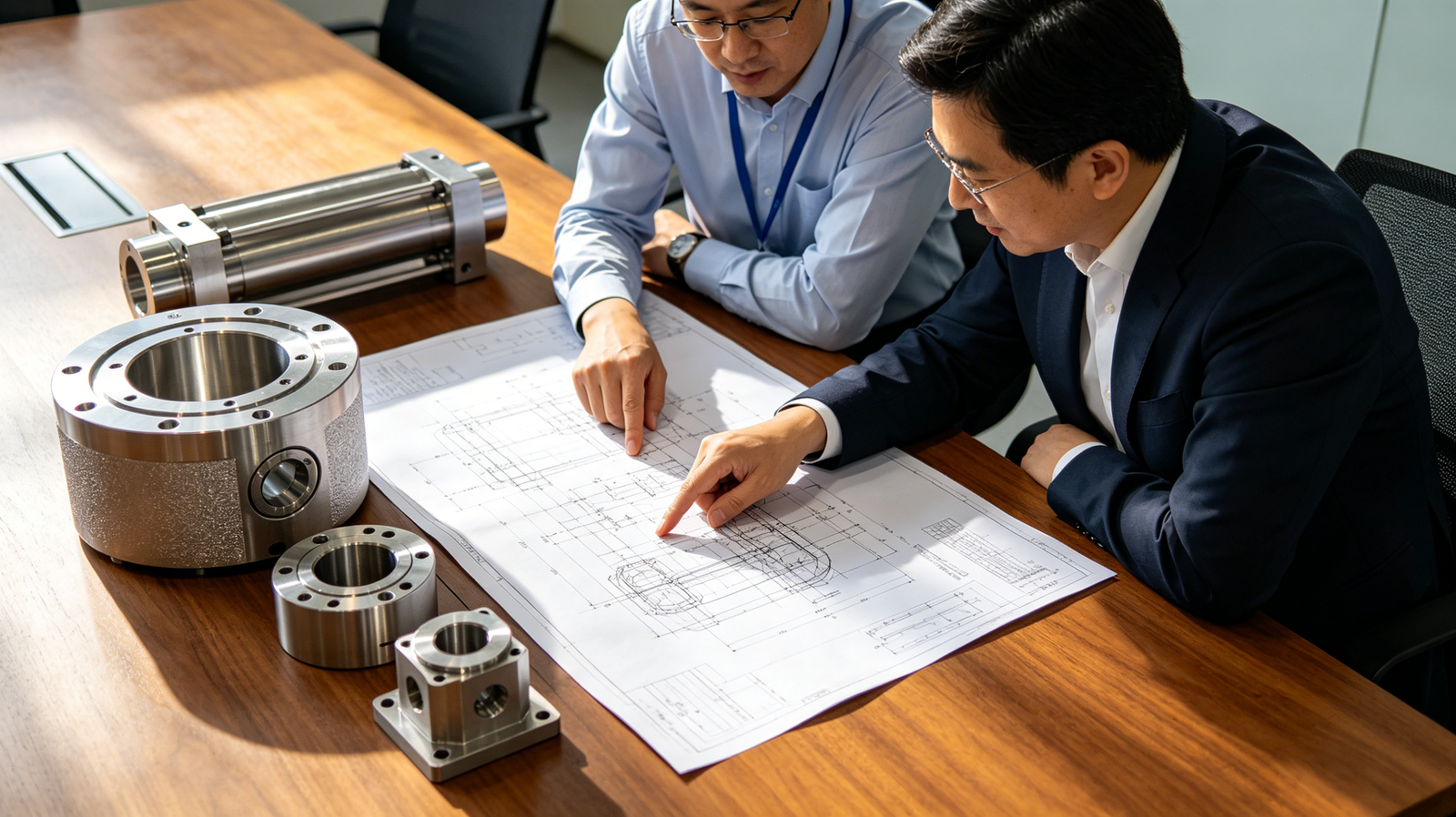
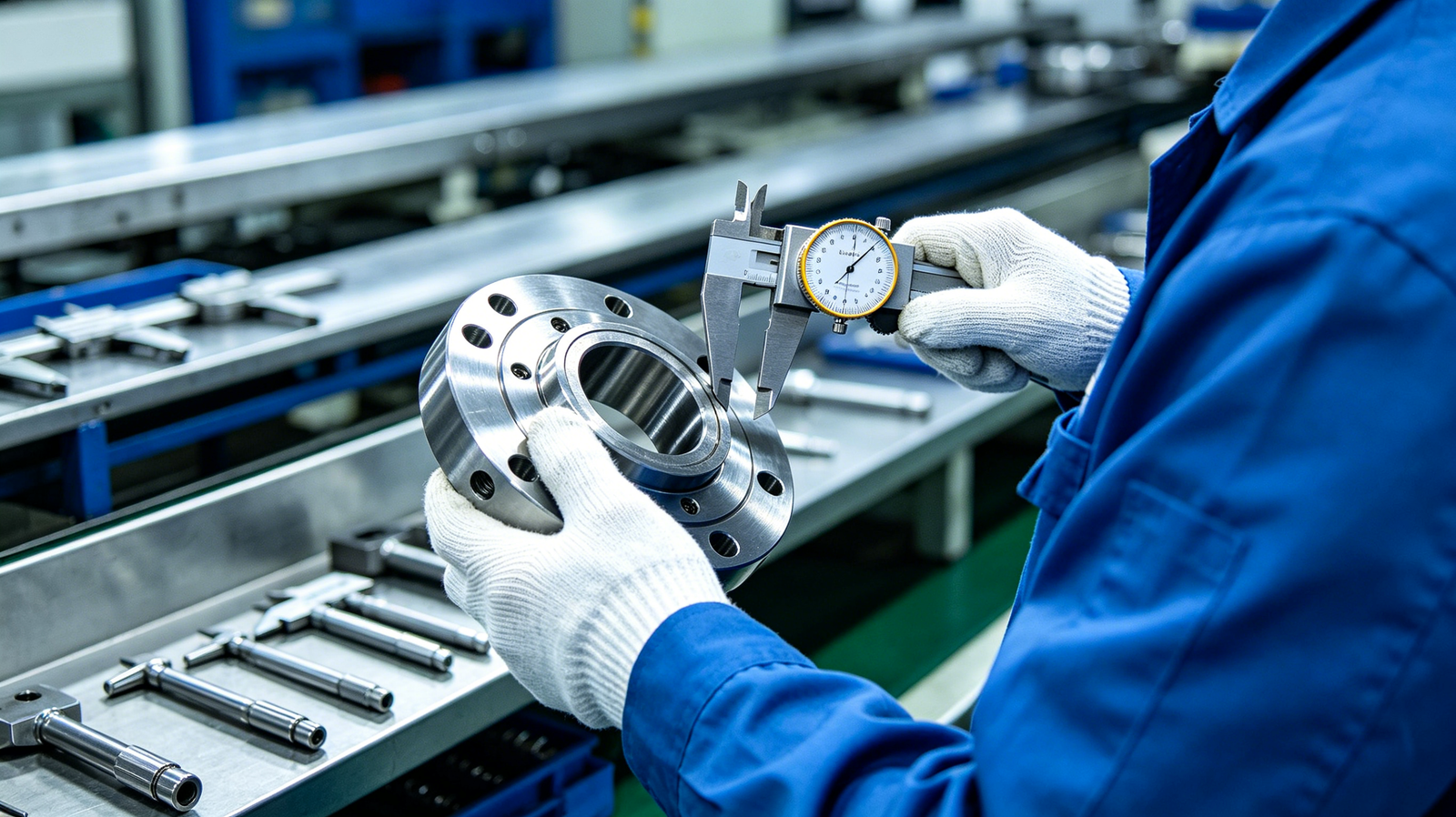
A qualified sample does not automatically demonstrate stable mass-production capability, so buyers should investigate how the supplier controls dimensions, tolerances, burrs, cracks, deformation, and material performance. A capable supplier should have defined incoming inspection, first article approval, in-process inspection, and final inspection procedures, supported by appropriate quality control practices. For critical dimensions, buyers should also review inspection equipment such as CMMs, micrometers, calipers, and optical measuring systems, as well as process-control methods such as SPC. The real test of manufacturing capability is whether the supplier can maintain consistent quality across thousands or even tens of thousands of parts. Xiamen RuiCheng establishes inspection priorities according to customer drawings and quality requirements rather than relying solely on final inspection.
Incoming Material Control: Material grade, thickness, hardness, and surface condition should be verified before production begins.
First Article Validation: Initial dimensional and visual inspections confirm that tooling and process parameters are ready for production.
Process Monitoring: Critical dimensions should be monitored continuously to identify tooling wear and process drift.
Corrective Action: Quality problems should be followed by root-cause analysis, corrective action, and verification of the improvement.
📐 A supplier’s real strength is demonstrated by consistent mass production, not simply by passing a single sample inspection.
How Can You Evaluate a Stamping Supplier’s Delivery and Cost Control?

A low quotation does not necessarily mean a lower total purchasing cost because tooling modifications, material waste, rework, scrap, and delivery delays can create hidden expenses. Buyers should evaluate the supplier’s capacity planning, raw material supply, tooling maintenance, production scheduling, and response capability for unexpected problems. Xiamen RuiCheng evaluates projects by combining expected order volume, part complexity, tooling requirements, production cycle time, and capacity rather than making delivery commitments based only on the current order quantity. A genuinely cost-effective supplier is one that can maintain reasonable pricing while consistently reducing quality and supply risks.
Material Utilization: Optimized strip layout and nesting can reduce material waste and lower the cost per stamped part.
Tooling Life: Preventive maintenance and critical die-component management reduce downtime caused by frequent tooling repairs.
Production Scheduling: Effective scheduling helps maintain delivery performance when order volumes fluctuate or urgent orders arise.
Problem Response: Rapid response to material, tooling, or equipment issues prevents small problems from becoming major production delays.
🚚 A supplier’s true cost capability should be evaluated through price, material utilization, quality, delivery, and operational risk together.
How Can You Compare Stamping Suppliers Across Key Capabilities?
| Evaluation Area | Basic Supplier | Established Supplier | Advanced Supplier | Buyer Focus |
|---|---|---|---|---|
| Equipment | Limited equipment | Product-matched equipment | Advanced automated systems | Process fit |
| Tooling | Mostly outsourced | In-house capability | Integrated design and maintenance | Tool stability |
| Quality | Final inspection | Process inspection | Data-driven control | Batch consistency |
| Delivery | Order-based scheduling | Stable capacity | Risk and contingency planning | Supply continuity |
If you are comparing different stamping parts suppliers, Xiamen RuiCheng can help evaluate your project from process, tooling, quality, and mass-production risk perspectives. contact us for a professional engineering assessment.
How Can You Build a More Reliable Stamping Supplier Selection System?
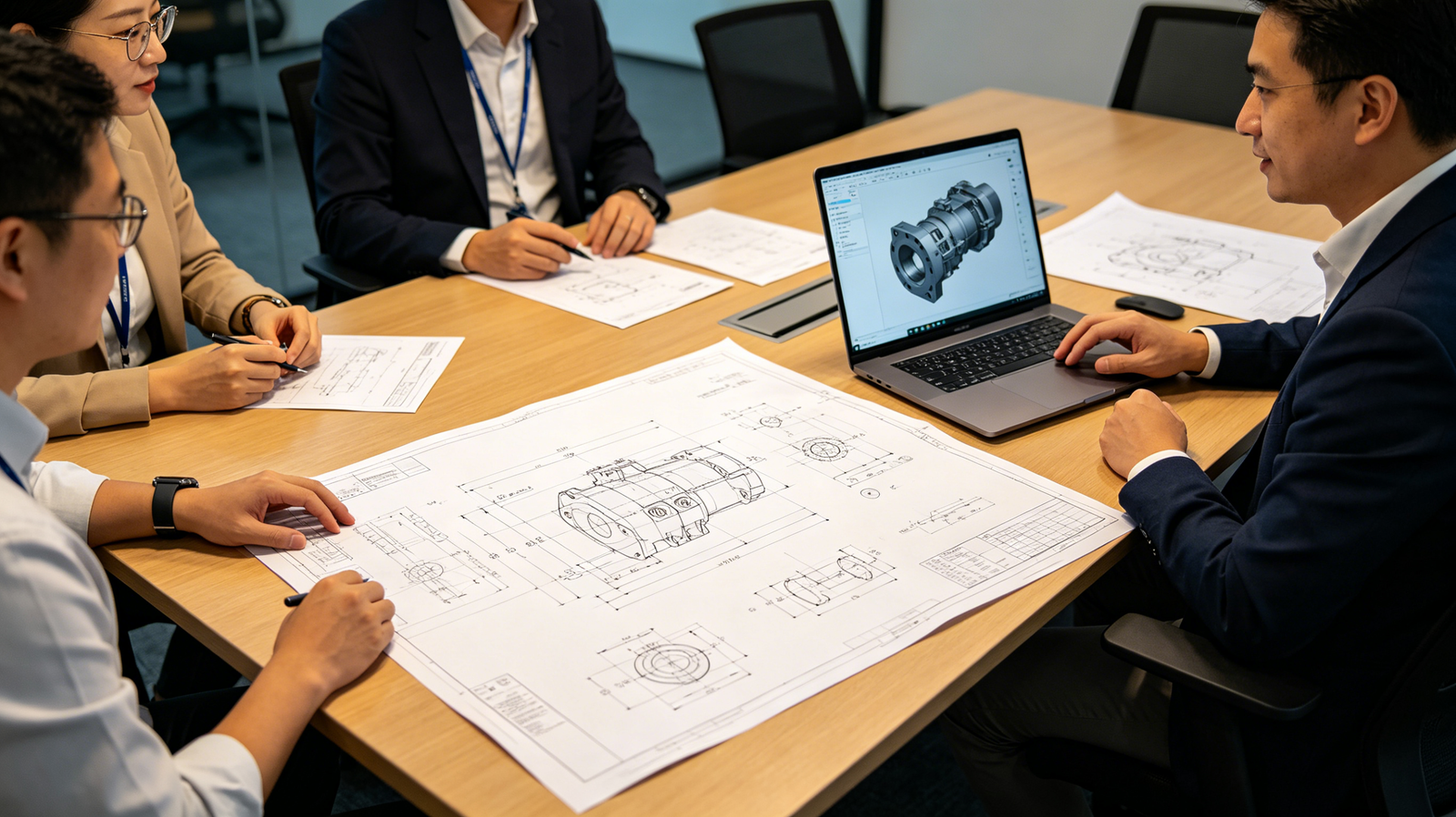
Supplier evaluation should begin before quotations are compared, starting with the engineering drawings and project requirements. For critical stamped parts, buyers should request information about equipment, process planning, tooling capability, quality systems, production capacity, and relevant project experience during the RFQ stage. Turning supplier selection from a price comparison into a manufacturing-risk assessment can significantly improve sourcing decisions.
1.Engineering Evaluation: Confirm that the supplier understands material, geometry, tolerance, and forming requirements and can recommend an appropriate manufacturing process.
2.Tooling Evaluation: Review die design, manufacturing, trial production, and maintenance capabilities to reduce the risk of repeated tooling modifications.
3.Quality Evaluation: Ask how critical dimensions are inspected and how first-article approval and in-process controls are implemented.
4.Supply Evaluation: Assess monthly capacity, production cycle time, material availability, and emergency response capability for long-term supply reliability.
Frequently Asked Questions
Question 1: What is the most important capability of a stamping parts supplier?
Answer: Buyers should evaluate engineering capability, equipment suitability, tooling expertise, quality control, and delivery stability together rather than focusing only on press tonnage or price. For critical components, it is also useful to request relevant project experience, inspection capabilities, and mass-production control procedures.
Question 2: What information should we provide to get a fast quotation for stamping parts?
Answer: Ideally, provide 2D engineering drawings, 3D models, material grade and thickness, critical dimensions and tolerances, surface treatment requirements, estimated annual volume, and project timing. Xiamen RuiCheng can use this information to evaluate the stamping process, tooling requirements, material utilization, and quotation.
Question 3: How should delivery be managed for different stamping order volumes?
Answer: Delivery time depends on tooling readiness, part complexity, order volume, and production scheduling. Prototype, small-batch, and long-term mass-production requirements should be planned separately, while larger projects should also confirm monthly capacity, tooling life, and raw material availability in advance.
Question 4: How should a stamping supplier handle dimensional deviations during mass production?
Answer: The supplier should first isolate the affected batch and investigate the issue using dimensional data, tooling condition, material batches, and machine parameters. After identifying the root cause, corrective actions such as die adjustment, parameter optimization, or material control should be implemented and verified through reinspection.
Question 5: Can a stamping supplier optimize the manufacturing process according to our product requirements?
Answer: An experienced supplier can participate in DFM and process reviews before production, including strip-layout optimization, material waste reduction, forming-sequence adjustments, tooling improvements, and removal of unnecessary operations. Xiamen RuiCheng can evaluate the manufacturing approach based on the product drawings, material, structural requirements, and expected production volume.
Conclusion
Comparing stamping parts suppliers should not be reduced to a comparison of quotation prices or machine quantities. Buyers need to evaluate the supplier’s complete ability to move from engineering development to stable mass production. Equipment determines manufacturing capability, tooling establishes the forming foundation, quality systems control batch consistency, while delivery and problem-solving capabilities determine long-term supply risk. The supplier worth building a long-term relationship with is the one that continuously helps reduce manufacturing risk rather than simply offering the lowest price. Xiamen RuiCheng combines engineering evaluation, stamping manufacturing, tooling support, and quality control to help customers build a more reliable stamping parts supply chain.
For expert assistance in implementing your stamping parts production needs, visit our resource center or contact us. Let’s help you scale up your manufacturing with precision and efficiency!