MOQ management of small batch stamping parts

For many buyers, the challenge with a small stamping order is not simply finding a supplier willing to produce fewer parts. Stamping production often involves tooling, material purchasing, press setup, die preparation, and quality inspection costs that do not decrease proportionally when order quantities fall. A supplier may therefore set a minimum order quantity (MOQ) to protect production economics and maintain reasonable unit costs.A successful MOQ negotiation should balance the buyer’s actual demand with the supplier’s fixed production costs rather than focusing only on lowering the stated quantity. From Xiamen RuiCheng’s perspective, a practical negotiation begins by understanding why the supplier has established its MOQ and which cost components are genuinely affected by order volume.
For product developers, startups, and engineering teams, small orders may be necessary during prototype validation, pilot production, market testing, or early-stage product launches. The purchasing requirement can therefore change rapidly from dozens of pieces to hundreds or thousands of pieces within a short period.The best MOQ strategy is to create a purchasing structure that gives the supplier enough economic justification while keeping the buyer’s inventory and cash-flow risk under control.
What Should You Clarify Before Negotiating MOQ for Stamping Parts?
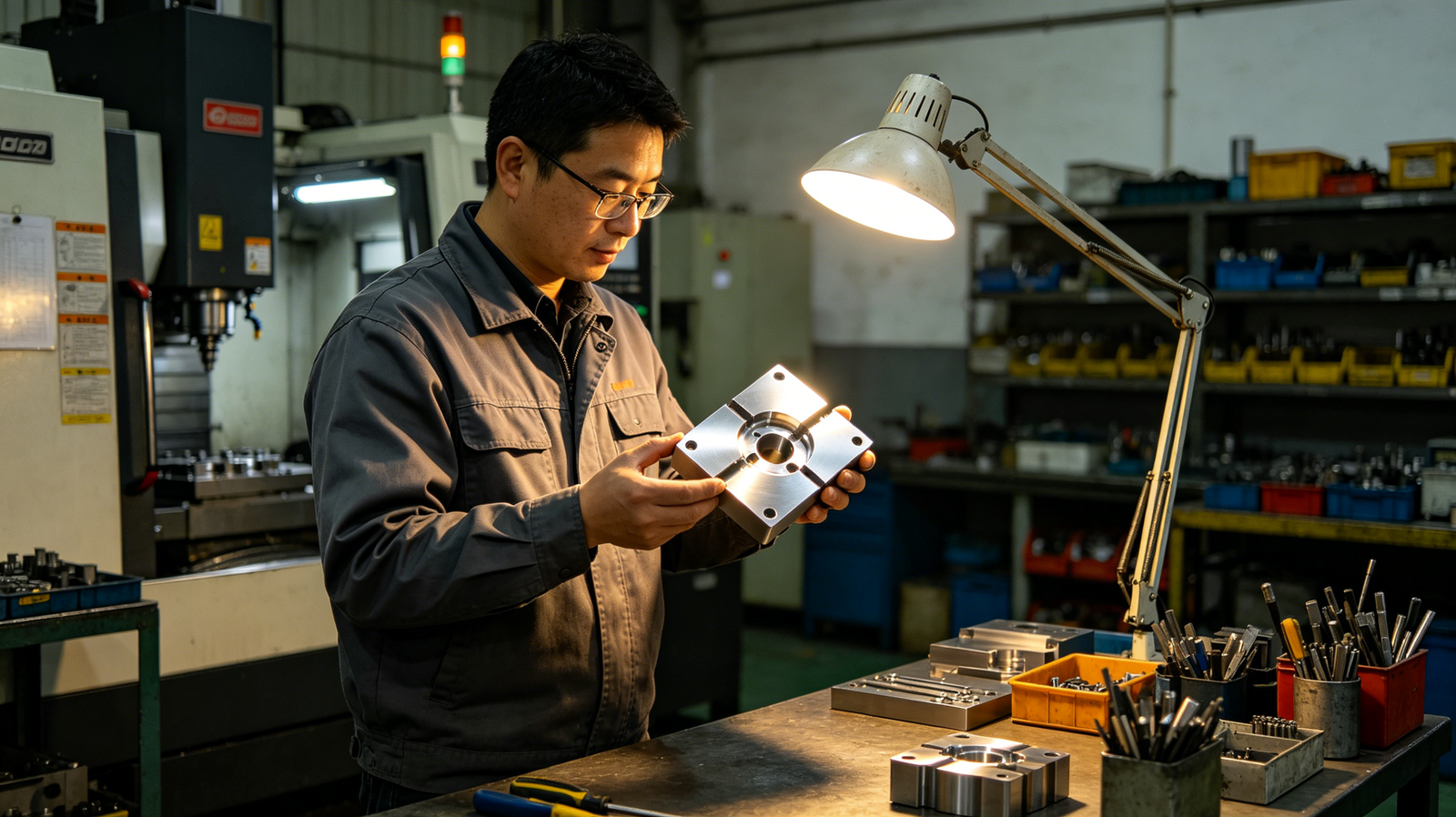
Before asking a supplier to reduce MOQ, buyers should understand the actual manufacturing requirements behind the quotation. For custom metal stamping parts, the supplier normally considers tooling investment, sheet material purchasing, press setup, production efficiency, and inspection requirements when calculating a commercially viable order quantity. Buyers can also review the supplier’s stamping capabilities to determine whether its equipment and production model are suitable for small-volume orders. A clear understanding of the supplier’s cost structure gives buyers a much stronger position during MOQ negotiations. Xiamen RuiCheng typically evaluates the part drawing, material, thickness, annual demand, tooling requirements, and delivery schedule before recommending a practical purchasing arrangement.
Understand the Cost Structure: Separate tooling, material, setup, production, inspection, and packaging costs before discussing a lower MOQ.
Define Actual Demand: Distinguish between the immediate order quantity and the expected annual or project demand.
Confirm Tooling Ownership: Clarify whether the tooling is customer-owned, supplier-owned, or included in the quoted piece price.
Discuss Future Volume: Providing a realistic forecast can help the supplier justify accepting a smaller initial order.
🔎 MOQ negotiation becomes much easier when the buyer understands which costs are fixed and which costs actually decrease with order quantity.
How Can Buyers Reduce the Cost Impact of a Small Stamping Order?

Reducing MOQ does not necessarily mean forcing the supplier to accept an uneconomic order. A better approach is to restructure the commercial arrangement so that fixed costs are handled separately from variable production costs. For example, the buyer may accept a higher unit price for the first batch while committing to a larger annual volume, or purchase raw material in a quantity that can support several production releases. Separating fixed tooling costs from recurring production costs can make a small initial order commercially acceptable to both parties. At Xiamen RuiCheng, we can evaluate different order structures according to the customer’s development stage and expected production volume.
Use Blanket Orders: A buyer can commit to an annual quantity while releasing smaller batches according to actual consumption.
Separate Tooling Charges: Paying tooling costs separately can prevent the supplier from recovering the entire investment through a high MOQ.
Accept Tiered Pricing: A higher price for a very small batch can be reasonable when it avoids unnecessary inventory.
Combine Production Runs: Similar materials or compatible stamping operations may sometimes be planned together to improve production efficiency.
💡 The most effective MOQ negotiation changes the cost structure instead of simply asking the supplier to accept a smaller number.
How Should You Evaluate a Supplier’s MOQ for Small Stamping Orders?

Not every stamping supplier has the same ability to handle small orders, even when two suppliers quote similar unit prices. A supplier operating highly specialized high-volume stamping lines may depend heavily on long production runs, while a manufacturer with flexible presses and internal tooling capabilities may be more comfortable with smaller batches. Buyers should therefore evaluate MOQ together with tooling capability, material sourcing, production flexibility, quality control, and delivery reliability. A low MOQ is valuable only when the supplier can maintain consistent quality and commercially reasonable lead times. Xiamen RuiCheng evaluates these factors as part of the quotation and manufacturing planning process.
Press Flexibility: Suppliers with multiple press capacities can often match different part sizes and production volumes more efficiently.
Tooling Capability: In-house tooling support can shorten communication cycles and reduce dependence on external mold or die suppliers.
Material Purchasing: The supplier’s access to standard sheet materials can significantly affect small-order economics.
Quality Systems: A small batch should still receive the same dimensional and appearance controls required for mass production.
📊 Supplier flexibility, rather than MOQ alone, determines whether a small stamping order can become a sustainable sourcing relationship.
What MOQ Structure Works Best for Different Stamping Order Sizes?
| Order Scenario | Typical Need | Recommended Structure | Main Risk |
|---|---|---|---|
| Prototype | Design validation | Low-volume trial | High unit cost |
| Pilot Run | Process validation | Tiered pricing | Unused inventory |
| Small Batch | Market testing | Blanket order | Setup cost |
| Mass Production | Stable demand | Volume pricing | Capacity planning |
If you need to balance MOQ, tooling investment, unit cost, and future production demand, contact us and Xiamen RuiCheng can review your stamping project and recommend a practical sourcing structure.
How Can a Small-Order Strategy Develop into Long-Term Supply?
A small first order does not have to remain a low-volume transaction. If the product is still being validated, buyers can use the initial order to evaluate dimensional consistency, surface quality, tooling performance, communication efficiency, and delivery reliability. Once the product enters stable production, the supplier can transition from trial pricing to volume-based pricing using actual consumption data. A well-designed first order can function as both a production test and a supplier qualification step.
1.Start with Realistic Demand: Provide both the initial order quantity and an estimated annual demand range so the supplier can evaluate the complete commercial opportunity.
2.Use Tiered Pricing: Request pricing for several quantities such as 100, 500, 1,000, and 5,000 pieces to understand where production economics change.
3.Control Tooling Risk: Confirm die ownership, maintenance responsibility, modification costs, and storage arrangements before production begins.
4.Review Supplier Performance: Evaluate quality, lead time, communication, and delivery consistency before increasing order volume.
Frequently Asked Questions
Question 1: What are the key quality standards for your stamping parts?
Answer: Xiamen RuiCheng establishes quality requirements according to the customer’s drawings, material specifications, dimensional tolerances, surface requirements, and application conditions. Inspection methods can include dimensional inspection, material verification, appearance inspection, and sampling plans appropriate to the production volume.
Question 2: What information should we provide to receive a quotation for a small stamping order?
Answer: Buyers should provide 2D drawings or 3D files, material grade, material thickness, surface treatment requirements, initial order quantity, expected annual demand, and target delivery schedule. This information allows Xiamen RuiCheng to evaluate tooling, press requirements, material purchasing, production planning, and MOQ options more accurately.
Question 3: How can MOQ, delivery time, and payment terms change with different order quantities?
Answer: Small prototype or pilot orders may carry higher unit costs because tooling and setup expenses are distributed across fewer pieces. Larger recurring orders can normally support more competitive pricing and production planning, while specific MOQ, lead time, and payment terms should be confirmed according to tooling requirements, material availability, and order volume.
Question 4: What happens if the delivered stamping parts do not meet our requirements?
Answer: Xiamen RuiCheng can review the customer’s inspection data, drawings, samples, production records, and dimensional results to determine the root cause. When a manufacturing issue is confirmed, corrective actions can include process adjustment, tooling correction, sorting, rework, or replacement according to the agreed quality requirements and commercial terms.
Question 5: Can you customize the MOQ structure for our project?
Answer: Yes. Xiamen RuiCheng can evaluate options such as pilot quantities, tiered pricing, blanket orders, scheduled releases, and separate tooling charges based on the customer’s demand forecast. Buyers should provide the initial quantity, estimated annual demand, release frequency, material requirements, and expected production ramp-up so the most suitable structure can be assessed.
Conclusion
MOQ negotiation for small stamping orders is fundamentally a commercial and manufacturing planning exercise rather than a simple request to reduce the supplier’s minimum quantity. Buyers can achieve better results by separating fixed tooling and setup costs from variable production costs, providing realistic demand forecasts, and comparing suppliers based on flexibility rather than MOQ alone. The strongest sourcing arrangement is one that protects the buyer’s cash flow while giving the manufacturer a commercially sustainable production model. Xiamen RuiCheng works with customers from prototype and pilot production through volume manufacturing to build a scalable stamping supply strategy.
For expert assistance in implementing custom stamping parts production needs, visit our resource center or contact us. Let’s help you scale up your manufacturing with precision and efficiency!