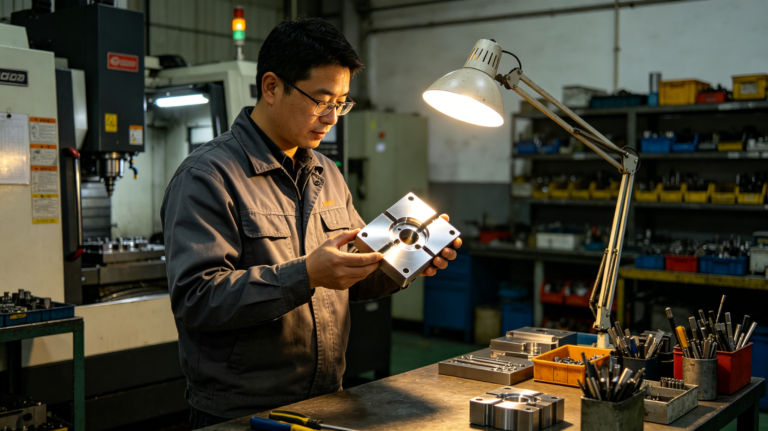
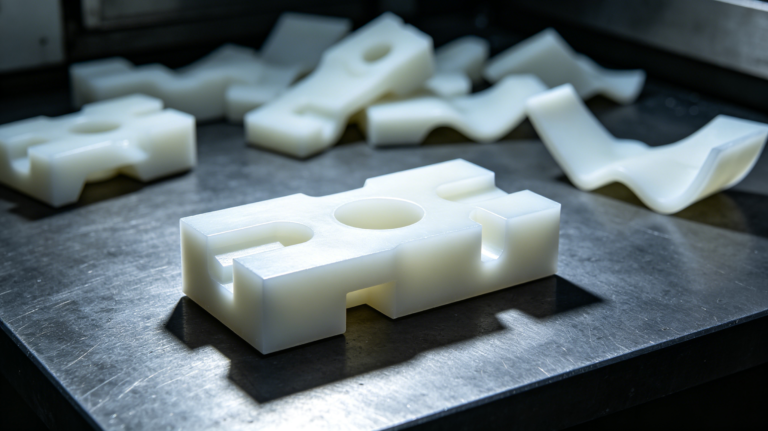
Production flexibility of small batch OEM stamping orders

Small-batch OEM stamping orders create a different manufacturing challenge from high-volume production. A supplier may have large presses, automated lines, and impressive annual capacity, yet still struggle when an order requires limited quantities, frequent engineering changes, multiple material specifications, or short production runs. For small-batch stamping, production flexibility is often more important than maximum machine capacity.
For an OEM buyer, supplier flexibility directly affects prototype validation, product launch schedules, inventory exposure, and the cost of engineering changes. A supplier that can efficiently switch between dies, materials, quantities, and production schedules can reduce the risk of overproduction and unnecessary tooling commitments. Xiamen RuiCheng evaluates small-batch stamping projects from both manufacturing feasibility and supply-chain perspectives rather than relying only on equipment specifications.
How Can You Verify a Stamping Supplier’s Real Production Flexibility?
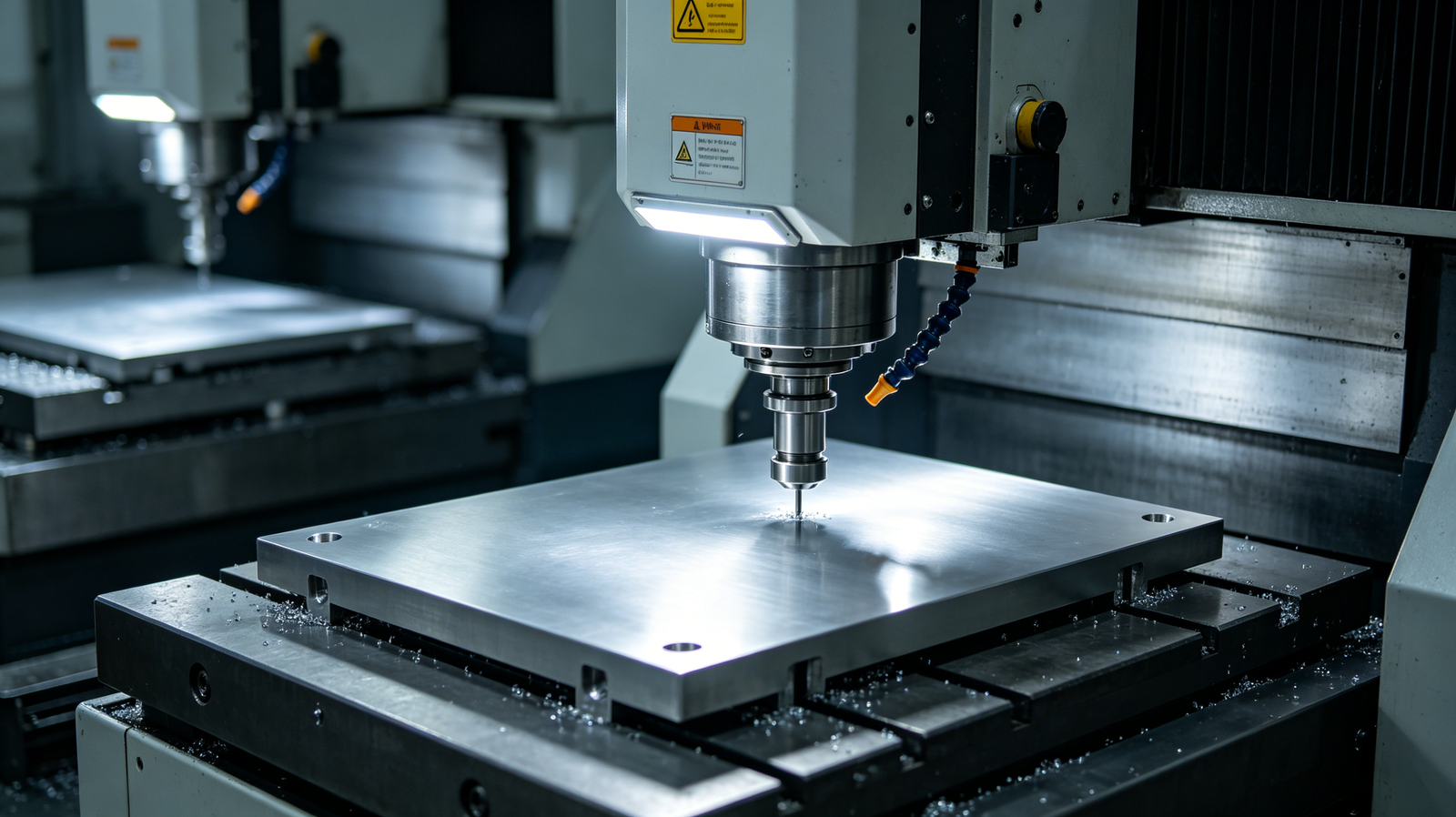
Small-batch flexibility should be verified through actual production evidence rather than a supplier’s statement that it can “handle small orders.” Buyers should examine the supplier’s metal stamping capabilities together with press capacity, tooling arrangements, setup procedures, material management, and previous low-volume projects. A flexible supplier should be able to explain how it manages short production runs without compromising dimensional consistency or delivery reliability. At Xiamen RuiCheng, we recommend evaluating flexibility through a combination of production records, sample parts, tooling information, and a clearly defined manufacturing plan.
Press Capacity: Confirm that the supplier has presses covering the required tonnage, bed dimensions, stroke, and production method rather than simply offering a large machine list.
Setup Time: Ask how dies are changed, how first-piece approval is performed, and how quickly the production line can transition between different jobs.
Material Handling: Verify whether the supplier can manage small quantities of different materials, thicknesses, and surface conditions without creating excessive purchasing or inventory constraints.
Previous Orders: Request examples of comparable small-batch OEM projects involving similar quantities, tolerances, materials, or production schedules.
🔎 The most reliable way to verify production flexibility is to examine how a supplier actually handles short runs, changeovers, materials, tooling, and quality approval.
What Production Capabilities Should You Check Before Placing a Small Stamping Order?
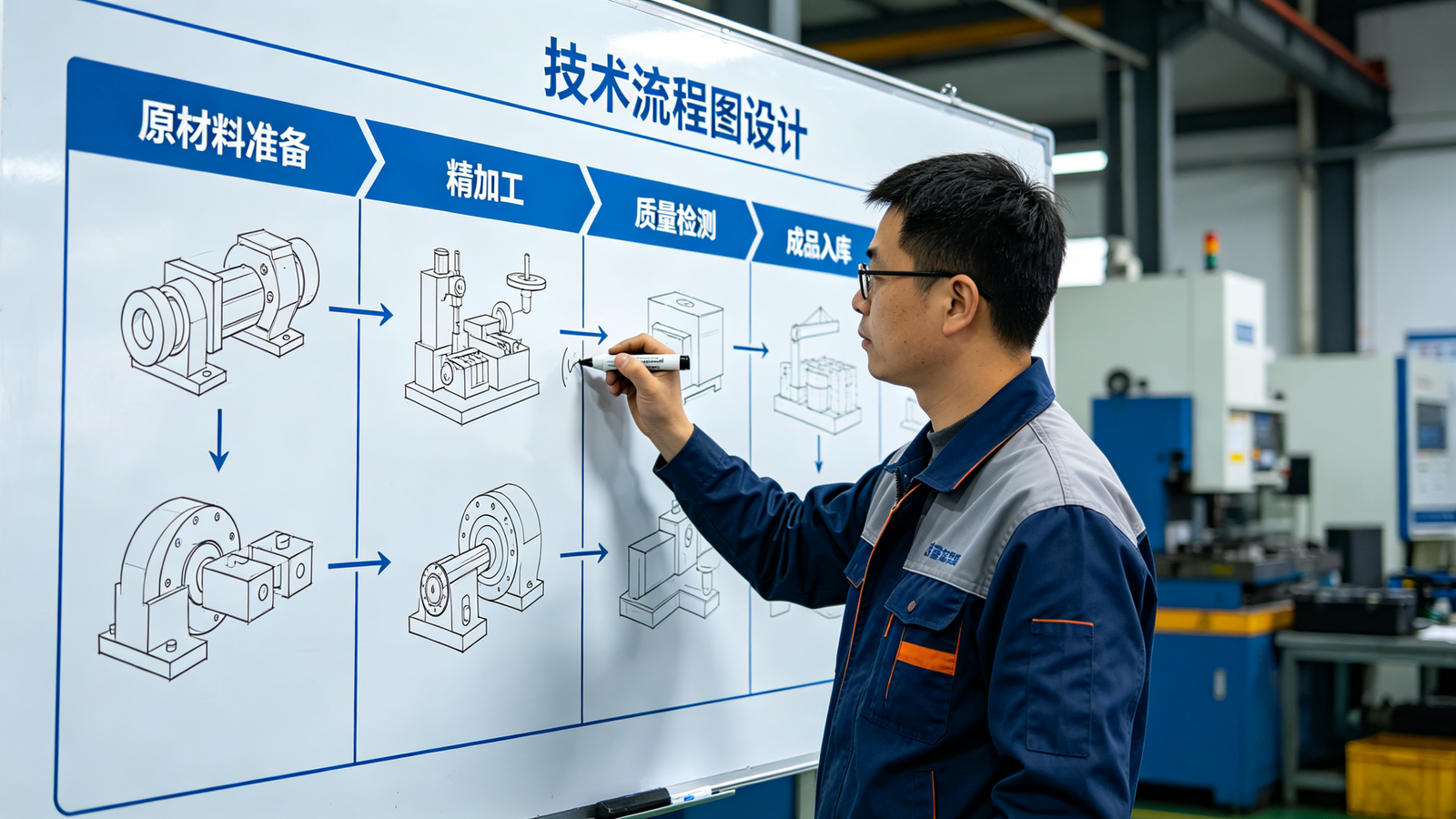
A supplier’s flexibility depends on more than press tonnage. The buyer should examine the complete manufacturing chain, including custom metal fabrication capabilities, stamping equipment, secondary operations, tooling support, inspection resources, and production scheduling. A supplier with integrated engineering and manufacturing capabilities can usually respond more efficiently when the order quantity is too small to justify a dedicated high-volume production line. The real test is whether the supplier can maintain process control when production volume is low.
Tooling Strategy: Determine whether the supplier supports progressive dies, compound dies, simple dies, soft tooling, or modified tooling according to order volume and product complexity.
Secondary Operations: Check whether deburring, tapping, bending, welding, plating, or other finishing operations can be coordinated without introducing another major supplier dependency.
Inspection Resources: Confirm that the supplier can perform first article inspection and dimensional verification even when only a small number of parts are produced.
Production Scheduling: Ask how small orders are inserted into the production schedule and whether low-volume jobs can be prioritized when required by an OEM launch program.
⚙️ A flexible stamping supplier should demonstrate flexibility across tooling, secondary operations, inspection, and scheduling rather than simply offering unused machine capacity.
How Can You Test Flexibility Before Scaling an OEM Stamping Order?
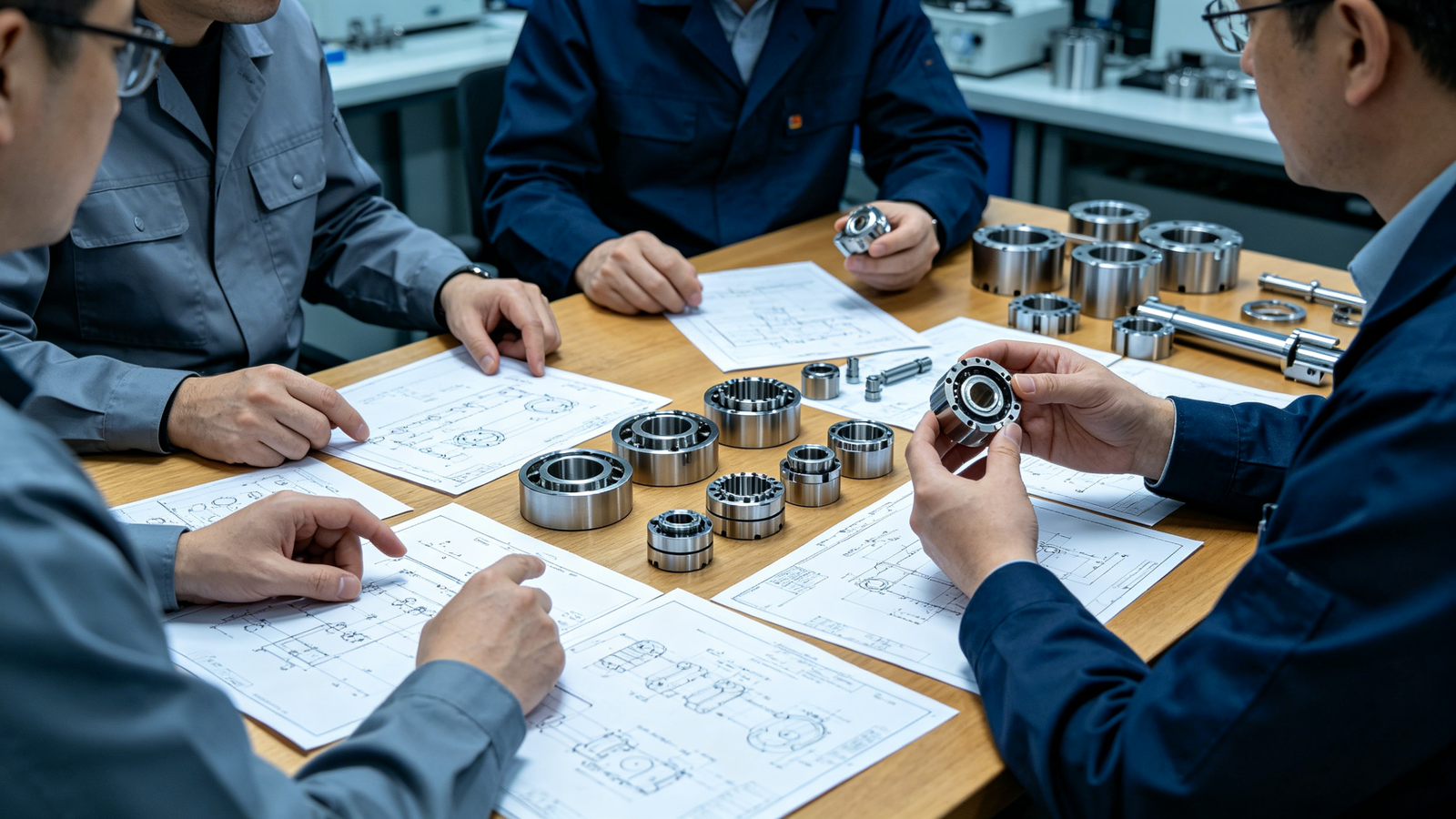
The safest approach is to use a controlled small-batch order as a supplier qualification exercise. Instead of immediately committing to a large annual volume, an OEM buyer can provide drawings, material requirements, tolerance information, expected annual demand, and an initial batch quantity, then evaluate how the supplier responds. The first small-batch order should be treated as a manufacturing capability test, not merely a purchasing transaction.
RFQ Response: Evaluate whether the supplier identifies manufacturability concerns instead of simply returning a unit price.
Sample Validation: Compare first articles against the drawing, critical dimensions, surface requirements, and functional interfaces before approving production.
Quantity Adaptability: Test whether the supplier can produce the required small quantity without excessive MOQ pressure or unnecessary inventory commitments.
Change Management: Introduce a reasonable engineering revision or quantity adjustment and observe whether the supplier can update tooling, documentation, and production planning without losing control.
📋 A well-designed trial order reveals much more about real production flexibility than a supplier’s equipment list or marketing claims.
Small-Batch Stamping Supplier Flexibility Comparison
| Evaluation Factor | Flexible Supplier | Rigid Supplier | Buyer Risk | Verification Method |
|---|---|---|---|---|
| Order Quantity | Supports low volumes | High MOQ | Excess inventory | Trial order |
| Tooling | Multiple tooling options | Fixed tooling model | High tooling cost | Tooling review |
| Scheduling | Adapts short runs | Long queue | Late delivery | Production plan |
| Engineering Changes | Handles revisions | Limited changes | Rework cost | Change test |
If your OEM stamping project requires low-volume production without sacrificing dimensional control, tooling efficiency, or delivery reliability, Xiamen RuiCheng can review your drawings and production requirements and develop a suitable manufacturing route. contact us
How to Build a Reliable Small-Batch Stamping Supply Strategy
Small-batch production becomes commercially valuable when the supplier can support the product throughout its development cycle rather than treating every order as an isolated job. For OEM programs, demand may move from prototypes to pilot production and eventually to higher-volume manufacturing, while specifications, materials, and annual forecasts may change along the way. The ideal supplier is therefore not simply the one with the lowest small-order price, but the one that can scale with the project’s changing requirements.
1.Define Volume Clearly: Separate prototype quantity, pilot quantity, monthly demand, annual demand, and potential future volume so the supplier can recommend an appropriate tooling and production strategy.
2.Evaluate Tooling Economics: Compare conventional hard tooling, simpler stamping dies, progressive tooling, and other practical options according to expected production volume and product complexity.
3.Check Changeover Capability: Ask for realistic setup procedures and production scheduling information instead of relying on general statements about fast delivery.
4.Review Quality Control: Verify first article inspection, dimensional inspection, material traceability, and process records before approving recurring production.
Frequently Asked Questions
Question 1: What is the most important quality advantage of your small-batch OEM stamping service?
Answer: Xiamen RuiCheng focuses on maintaining dimensional consistency and process control even when order quantities are limited. The quality plan can include drawing review, material verification, first article inspection, critical-dimension measurement, and final inspection based on the customer’s technical requirements. For critical parts, inspection criteria should be agreed before production so that the buyer has a clear acceptance standard.
Question 2: What information should we provide to receive a quotation for a small stamping order?
Answer: Provide the latest 2D drawing, 3D CAD file when available, material grade, thickness, surface treatment requirements, critical tolerances, initial quantity, estimated annual volume, packaging requirements, and target delivery date. Xiamen RuiCheng can use these details to evaluate stamping feasibility, tooling requirements, secondary processes, and production scheduling before preparing a quotation.
Question 3: How do small-batch quantities affect MOQ, tooling, and delivery time?
Answer: The commercial structure depends on part geometry, material, tooling complexity, quantity, and whether secondary operations are required. Instead of applying one fixed MOQ to every project, the manufacturing route should be evaluated according to the actual production requirement. Prototype, pilot, and recurring production quantities can be planned separately to reduce unnecessary tooling and inventory costs.
Question 4: How do you handle quality or delivery problems after production starts?
Answer: Xiamen RuiCheng uses the approved drawing, inspection requirements, production records, and sample results as the basis for investigating quality deviations. If a dimensional or manufacturing issue is identified, engineering and production teams can review the root cause and determine whether tooling adjustment, process correction, sorting, or replacement is required. Delivery risks should also be communicated as soon as they are identified rather than after the scheduled shipment date.
Question 5: Can you customize the production method for our small-batch requirements?
Answer: Yes. Xiamen RuiCheng can evaluate the product geometry, material, quantity, expected annual demand, tolerance requirements, and secondary operations to determine a suitable manufacturing route. Depending on the project, the solution may involve different tooling strategies, production scheduling, inspection arrangements, or integrated secondary processing. The objective is to avoid forcing a low-volume OEM project into a manufacturing model designed only for high-volume production.
conclusion
Verifying a stamping supplier’s flexibility requires more than checking whether the factory owns suitable presses. Buyers should evaluate how the supplier manages tooling, changeovers, materials, scheduling, inspection, engineering changes, and the transition from prototype quantities to recurring production. For small-batch OEM stamping, manufacturing adaptability is a measurable supplier capability that should be verified before a long-term commitment is made. Xiamen RuiCheng approaches these projects by combining engineering assessment, flexible production planning, quality control, and scalable manufacturing support so customers can reduce both operational and supply-chain risk.
For expert assistance in implementing small-batch OEM stamping production needs, visit our resource center or contact us. Let’s help you scale up your manufacturing with precision and efficiency!