Precision Selection
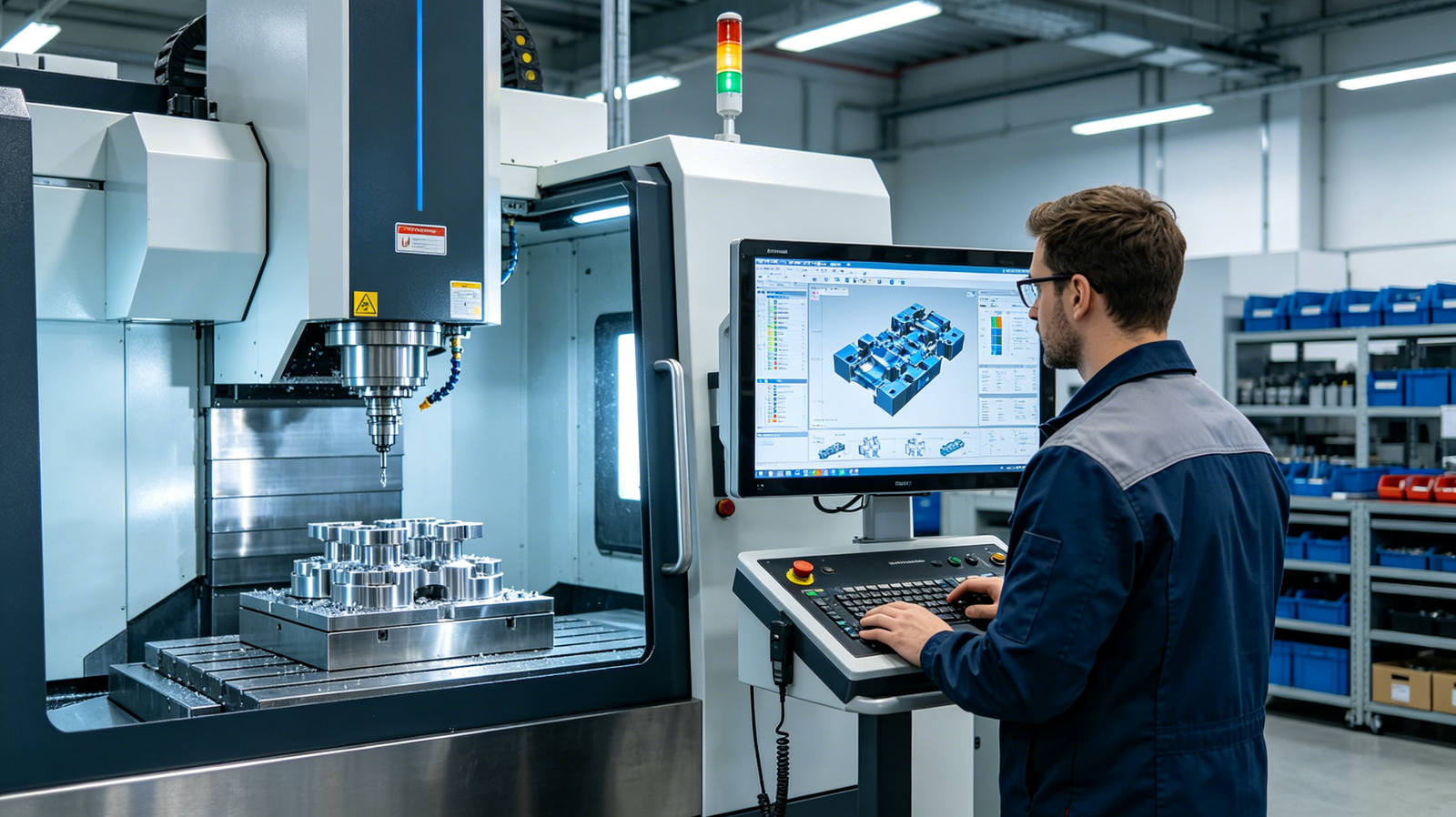
In custom CNC parts manufacturing, the difference between 3-axis and 5-axis machining is not only about machine movement paths, but also directly impacts dimensional stability, fixture positioning accuracy, and surface consistency of complex components. Xiamen Ruicheng has supported customers in industries such as automation equipment, medical devices, and automotive structural components for many years, and we have found that many buyers focus only on machining cost during the early sourcing stage while overlooking how machining methods affect long-term product quality and assembly performance. For highly complex precision components, 5-axis machining can significantly reduce cumulative errors caused by repeated repositioning.
Although 3-axis machining is still widely used for standard flat structures and regular geometric components, limitations in machining angles can create positioning deviations and tool interference when processing deep cavities or irregular contours. Xiamen Ruicheng evaluates every project based on actual application requirements, tolerance demands, and production volume in order to recommend the most suitable CNC parts customization solution. The real factor that determines machining precision is not equipment cost, but whether the manufacturing process matches the product structure correctly.
Is 5-Axis Machining Really More Accurate Than 3-Axis?
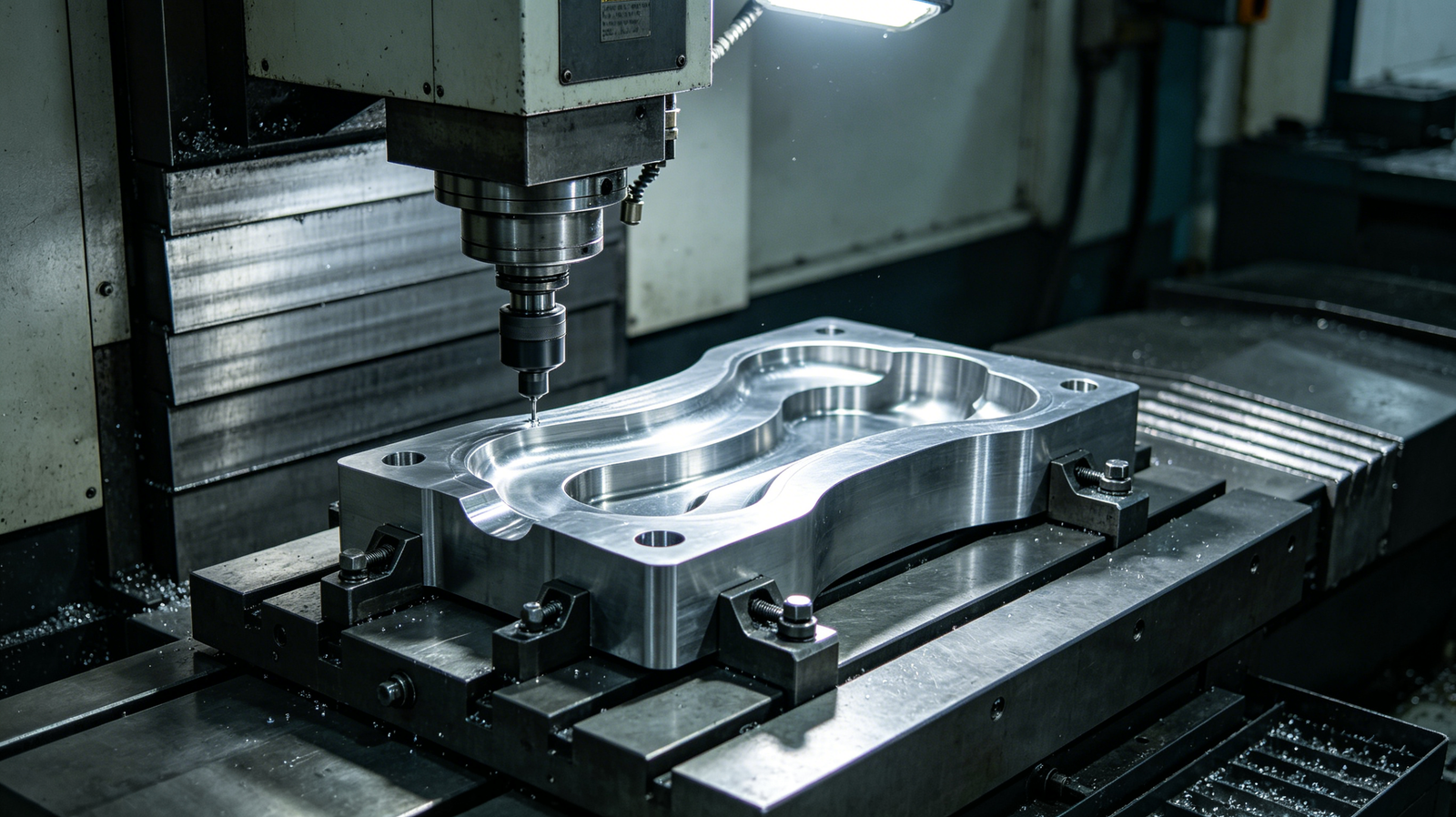
In high-precision CNC machining projects, 5-axis equipment reduces fixture repositioning through multi-angle simultaneous movement, helping minimize positioning deviation and datum shifting. This makes it especially suitable for complex contours, irregular cavities, and multi-sided hole structures. During custom CNC parts projects, Xiamen Ruicheng evaluates part geometry, tolerance requirements, and assembly functions before determining the most reliable machining strategy. For components requiring high concentricity, complex surfaces, and strict dimensional consistency, 5-axis machining usually delivers more stable precision performance. Traditional 3-axis machining still performs well for standard structures, but repeated setups in complex projects may increase cumulative dimensional variation and affect assembly consistency.
Fixture Reduction: 5-axis machining minimizes repositioning and helps maintain a unified machining reference.
Complex Surface Capability: Continuous machining paths reduce cutter marks and uneven transitions on curved surfaces.
Tool Accessibility: Multi-angle tool movement helps avoid interference in deep cavity structures.
Batch Stability: Long-term production consistency is easier to maintain during mass manufacturing.
⚙️ Choosing the correct machining process is often more important than simply selecting the lowest quotation.
Why Do Complex Non-Standard Parts Depend More on 5-Axis Machining?
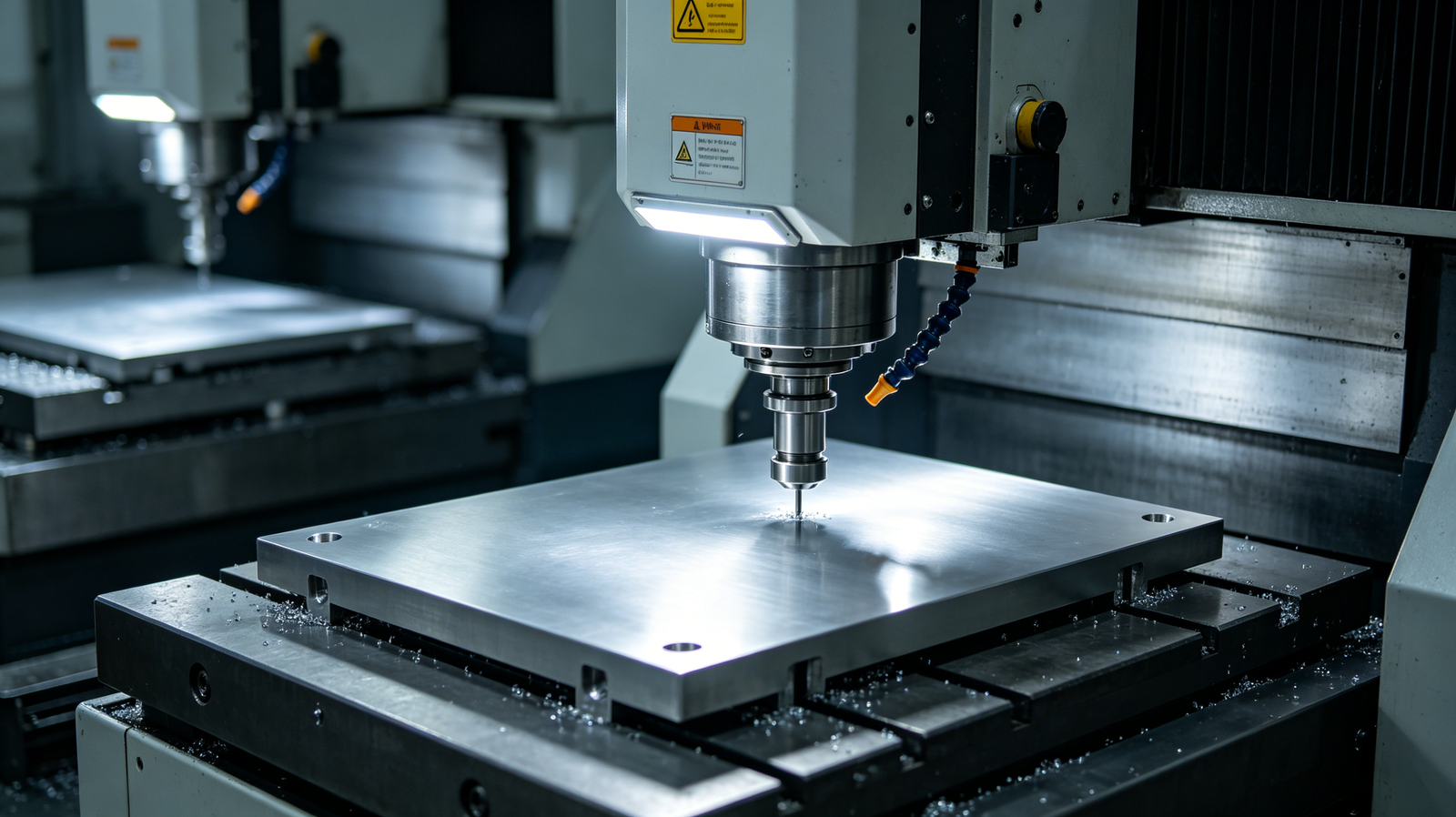
Complex precision components often include inclined surfaces, irregular slots, deep cavities, and multi-angle hole structures. When these products are processed using conventional 3-axis machining, repeated repositioning may introduce dimensional deviations and reduce overall assembly accuracy. Xiamen Ruicheng supports customers from robotics, medical equipment, and automotive industries by evaluating structural complexity and assembly requirements before selecting the machining process. Many parts that appear only slightly more complicated may already exceed the ideal machining capability range of standard 3-axis equipment. For products requiring high surface consistency or minimal manual polishing, 5-axis machining significantly improves machining quality and reduces visible transition marks.
Multi-Angle Structures: Inclined holes and irregular surfaces can be completed in one setup.
Surface Quality: Continuous tool paths improve appearance consistency and dimensional control.
Production Efficiency: Reduced repositioning improves cycle stability and shortens machining time.
Assembly Accuracy: Unified machining references improve final component fitting precision.
🛠️ The real hidden cost of complex machining projects often comes from rework rather than initial machining price.
In Which Situations Is 3-Axis Machining More Advantageous?
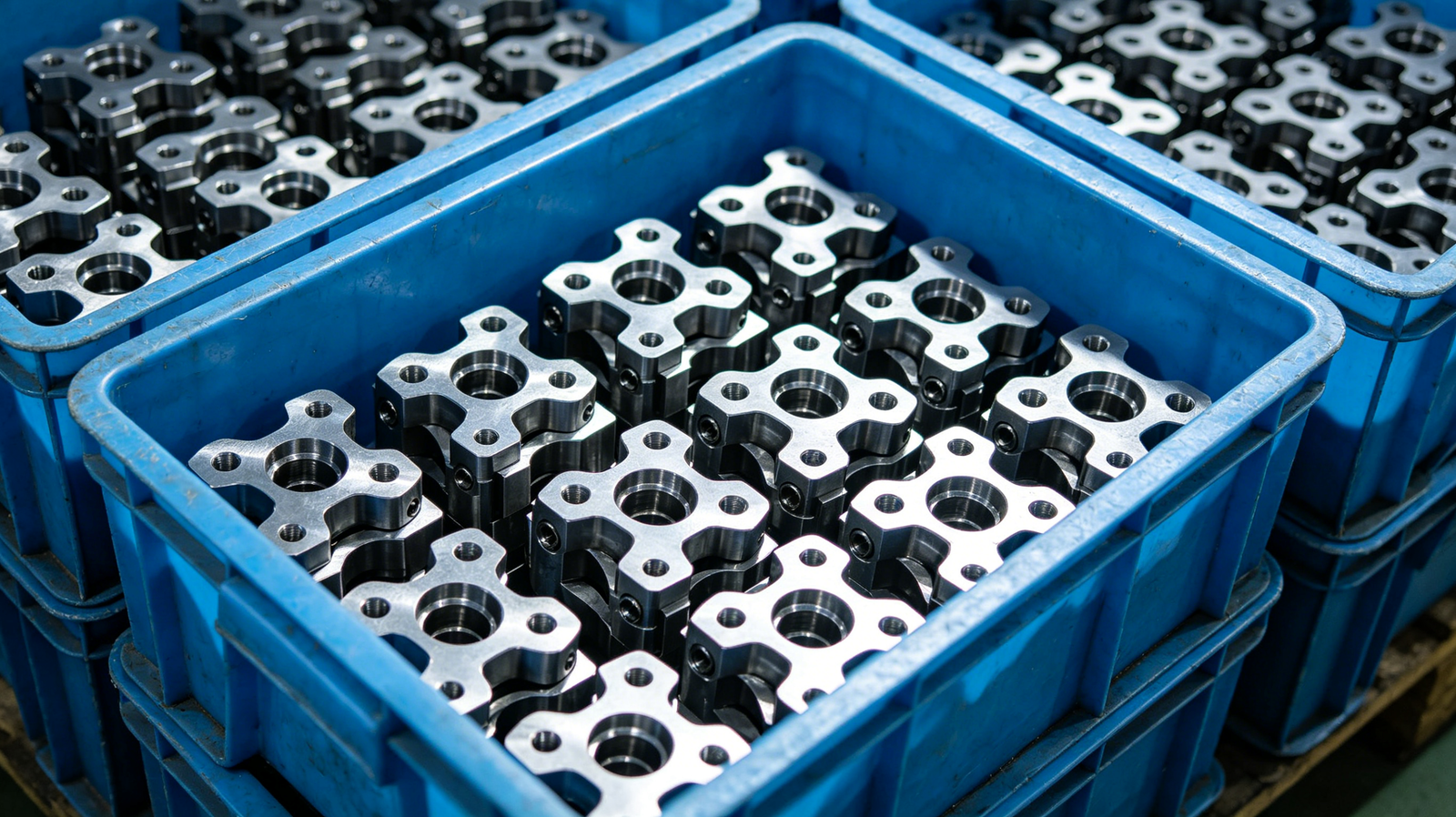
Although 5-axis machining provides major advantages for complicated structures, not every custom CNC parts project requires multi-axis equipment. For flat structures, regular shapes, and high-volume standard components, 3-axis machining still offers excellent cost efficiency and reliable production stability. Xiamen Ruicheng helps customers select suitable machining strategies according to part design, production quantity, and budget planning to avoid unnecessary manufacturing costs. For standardized products with simpler structures, properly optimized 3-axis machining can still achieve stable precision and competitive pricing. In large production runs, mature 3-axis machining processes often provide more predictable production scheduling and delivery performance.
Cost Control: Standard structures can reduce machining expenses through 3-axis production.
Mass Production Stability: Fixed fixtures are highly suitable for long-term stable production cycles.
Equipment Reliability: Mature 3-axis systems maintain dependable operational stability.
Fast Delivery: Standard machining projects usually have shorter scheduling lead times.
📦 The most suitable machining process is the key to controlling long-term procurement costs effectively.
Comparison Between 3-Axis and 5-Axis Precision
| Comparison Item | 3-Axis Machining | 5-Axis Machining | Final Impact |
|---|---|---|---|
| Fixture Repositioning | More Frequent | Less Frequent | Lower cumulative error |
| Complex Surface Machining | Limited | Flexible | Better surface consistency |
| Deep Cavity Machining | Tool Interference Risk | More Stable | Fewer inaccessible areas |
| Multi-Sided Hole Machining | Multiple Setups Needed | One-Time Machining | Higher concentricity |
| Production Efficiency | Stable for Standard Parts | Higher for Complex Parts | Shorter production cycle |
| Batch Consistency | Moderate | Higher | Improved yield rate |
| Machining Cost | Lower | Higher | Depends on structural complexity |
If you are evaluating machining solutions for complex structural components, Xiamen Ruicheng can provide professional DFM analysis and manufacturing recommendations based on your drawings, materials, and assembly requirements. contact us
How Does Xiamen Ruicheng Help Customers Reduce Machining Risks?
Xiamen Ruicheng focuses not only on machining capability, but also on helping customers optimize structural design, improve manufacturability, and reduce production risks during the early project stage. Many buyers compare only machining quotations when selecting CNC suppliers, while overlooking the hidden costs caused by machining strategy mistakes, assembly failure, or batch inconsistency. A truly experienced supplier does not simply process drawings, but proactively identifies manufacturing risks before production begins. Xiamen Ruicheng performs DFM analysis, machining path verification, and fixture evaluation before production starts, helping customers avoid precision and stability issues during prototyping and mass production.
1.DFM Analysis: Optimize difficult machining areas before production begins.
2.Process Matching: Select suitable machining methods according to structural complexity.
3.Batch Quality Control: Establish unified machining references for stable production consistency.
4.Delivery Assurance: Coordinate production scheduling to reduce project delay risks.
Frequently Asked Questions About Custom CNC Parts
What is the core precision guarantee for your CNC machining services?
Xiamen Ruicheng selects suitable machining strategies according to product complexity and applies first-piece inspection, online monitoring, and process quality control throughout production. Standard precision tolerance can typically reach ±0.01mm, while complex surface structures are processed using multi-axis strategies to reduce positioning errors and improve assembly consistency.
What information is required to receive a quotation quickly?
Customers usually need to provide 2D drawings, 3D files, material requirements, surface finishing requirements, and estimated order quantities. Xiamen Ruicheng supports formats including STEP, IGS, and X_T, and our engineering team can quickly evaluate manufacturability and provide machining recommendations together with quotations.
What are the MOQ and lead time arrangements for different order volumes?
Prototype orders generally support small-batch production with lead times of approximately 3-7 days. Mass production schedules are arranged according to product complexity and machining requirements. Dedicated production planning can also be provided for long-term projects to ensure stable supply and delivery consistency.
How are dimensional or assembly issues handled after delivery?
Before shipment, Xiamen Ruicheng performs dimensional inspection and quality verification. If customers identify abnormalities after receiving products, our technical team will analyze the issue immediately and arrange rework, replacement, or process optimization when necessary to minimize production interruption risks.
Can you provide customized process optimization services?
Xiamen Ruicheng can support DFM optimization, material substitution recommendations, and machining strategy improvements according to customer application environments, assembly requirements, and cost targets. For complex structures, we also assist customers in optimizing wall thickness, reducing machining dead zones, and improving mass production stability.
Conclusion
In custom CNC parts manufacturing, the difference between 3-axis and 5-axis machining affects not only production methods, but also dimensional stability, surface quality, and long-term assembly precision. For complex structural components, selecting the correct machining strategy can significantly reduce rework risks and improve production consistency. Xiamen Ruicheng focuses more on long-term manufacturing stability rather than simply offering low machining prices. By combining structural analysis, production volume planning, and real application requirements, we help customers achieve more reliable and cost-effective CNC machining solutions.
For expert assistance in implementing for your production needs, visit our resource center or contact us. Let’s help you scale up your manufacturing with precision and efficiency!