Introduction
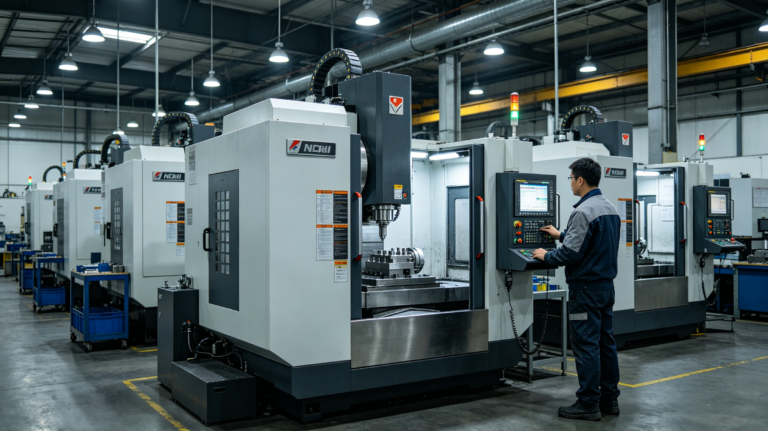
Surface finish quality in CNC custom parts for sports equipment directly impacts product appearance, assembly accuracy, and long-term durability. Even minor deviations in machining stability can lead to visible tool marks and inconsistent Ra values across batches. In real OEM production environments, Xiamen Ruicheng has observed that most surface finish failures are not caused by a single factor but by cumulative process instability.
In high-volume manufacturing, surface roughness issues often emerge only after mass production begins, even if prototypes pass inspection. This gap between sample and batch production is a critical pain point for procurement engineers and product designers. Based on Xiamen Ruicheng’s CNC machining experience, process consistency is the key variable that determines whether surface quality can remain stable over time.
Why Do CNC Machining Parameters Affect Surface Finish in Sports Equipment Parts?
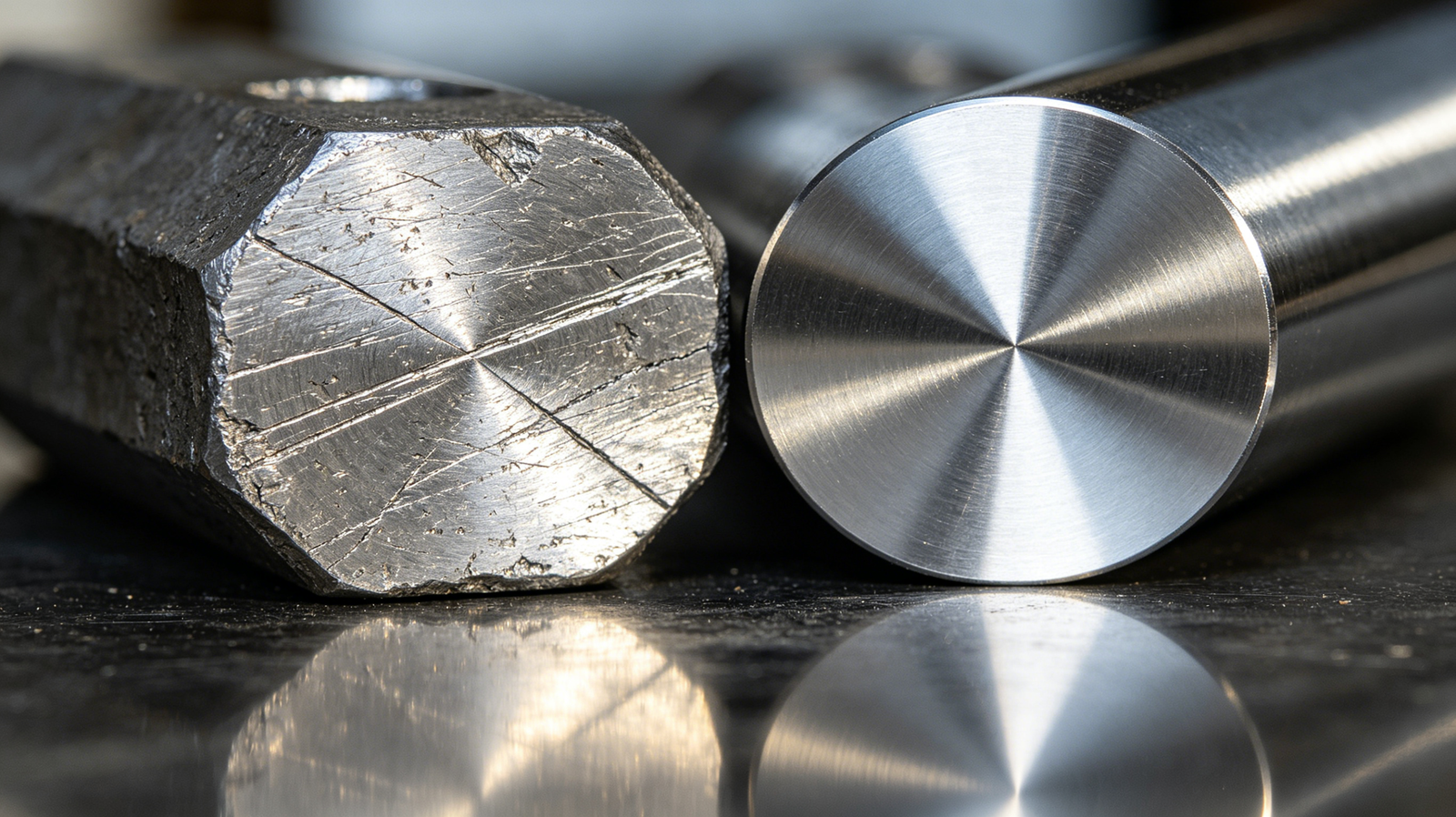
Incorrect machining parameter settings are one of the most common root causes of poor surface finish in CNC custom sports equipment parts. When feed rate, spindle speed, and cutting depth are not properly balanced, vibration marks, tool chatter, and uneven material removal occur. These issues are closely related to cutting parameter optimization and feed rate control systems, which directly determine Ra stability. In industrial production, Xiamen Ruicheng applies staged machining parameter tuning to ensure consistent surface quality across batches.
Spindle Speed Mismatch: Improper speed selection leads to unstable cutting interaction and visible tool marks on the surface.
Feed Rate Instability: Excessive feed rate reduces cutting precision and increases surface roughness.
Cutting Depth Overload: Too deep cuts increase tool stress and cause micro-tearing on the surface.
Cooling Inefficiency: Insufficient cooling leads to thermal deformation and degraded finish quality.
⚙️ Unstable machining parameters are the first trigger of surface roughness failure
Does Tool Wear Directly Cause Poor Surface Finish in CNC Sports Parts?
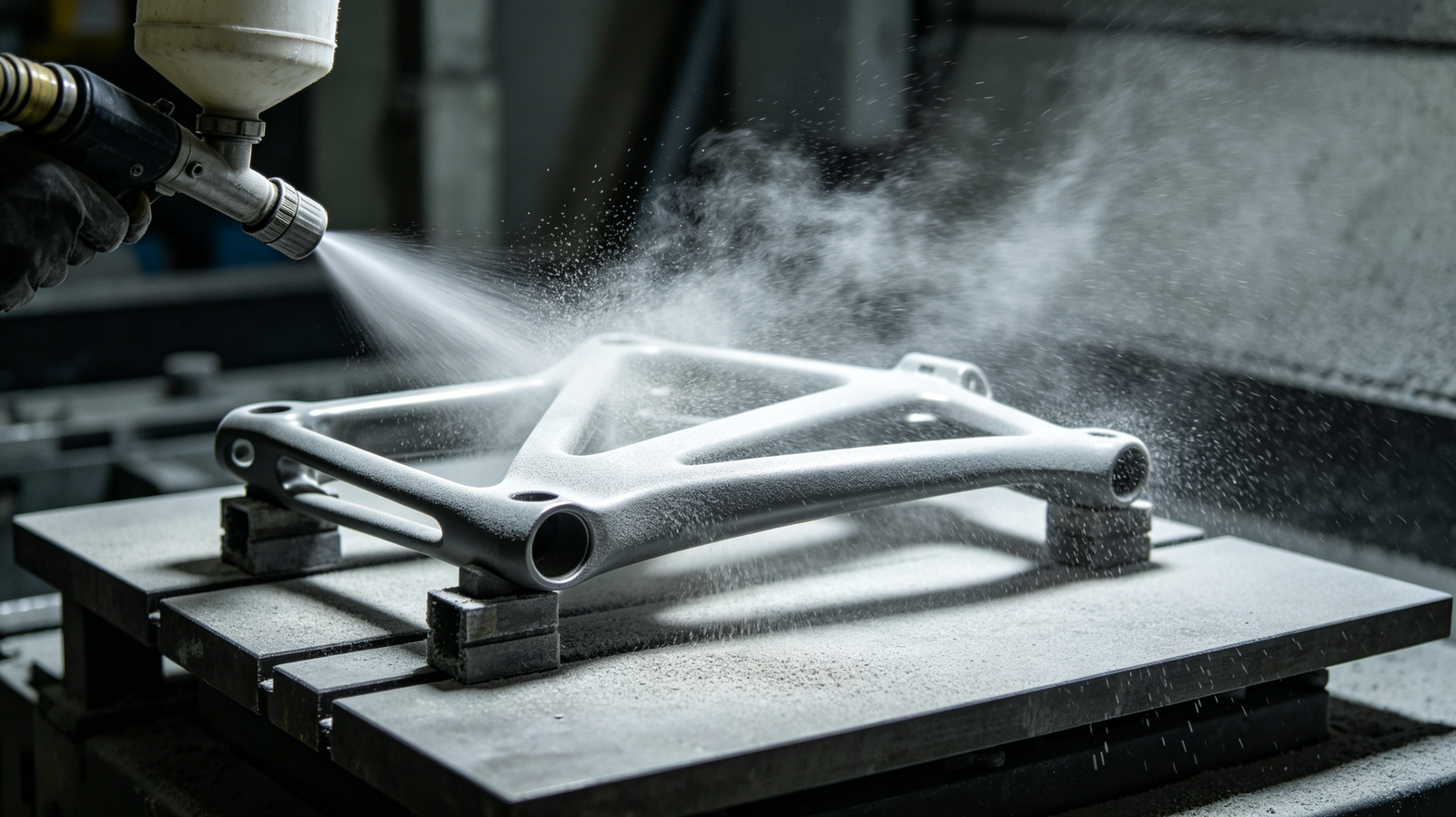
Tool wear is a hidden but highly influential factor in CNC machining surface quality for sports equipment parts. As the cutting edge becomes dull, the machining process shifts from cutting to rubbing, which increases friction and produces surface tearing and micro-defects. Over time, tool geometry deviation also affects machining accuracy. In precision manufacturing systems, tool life management and surface quality control strategies are essential for maintaining stability. Xiamen Ruicheng enforces strict tool lifecycle monitoring to prevent batch-level quality drift.
Edge Dulling: Reduced sharpness leads to increased surface drag marks.
Built-Up Edge Formation: Material adhesion on tools affects cutting smoothness.
Vibration Amplification: Worn tools generate unstable cutting vibration.
Geometry Deviation: Tool deformation alters machining trajectory accuracy.
🛠️ Tool condition is a direct determinant of surface consistency
How Do Material Properties Influence Surface Finish in CNC Custom Sports Components?
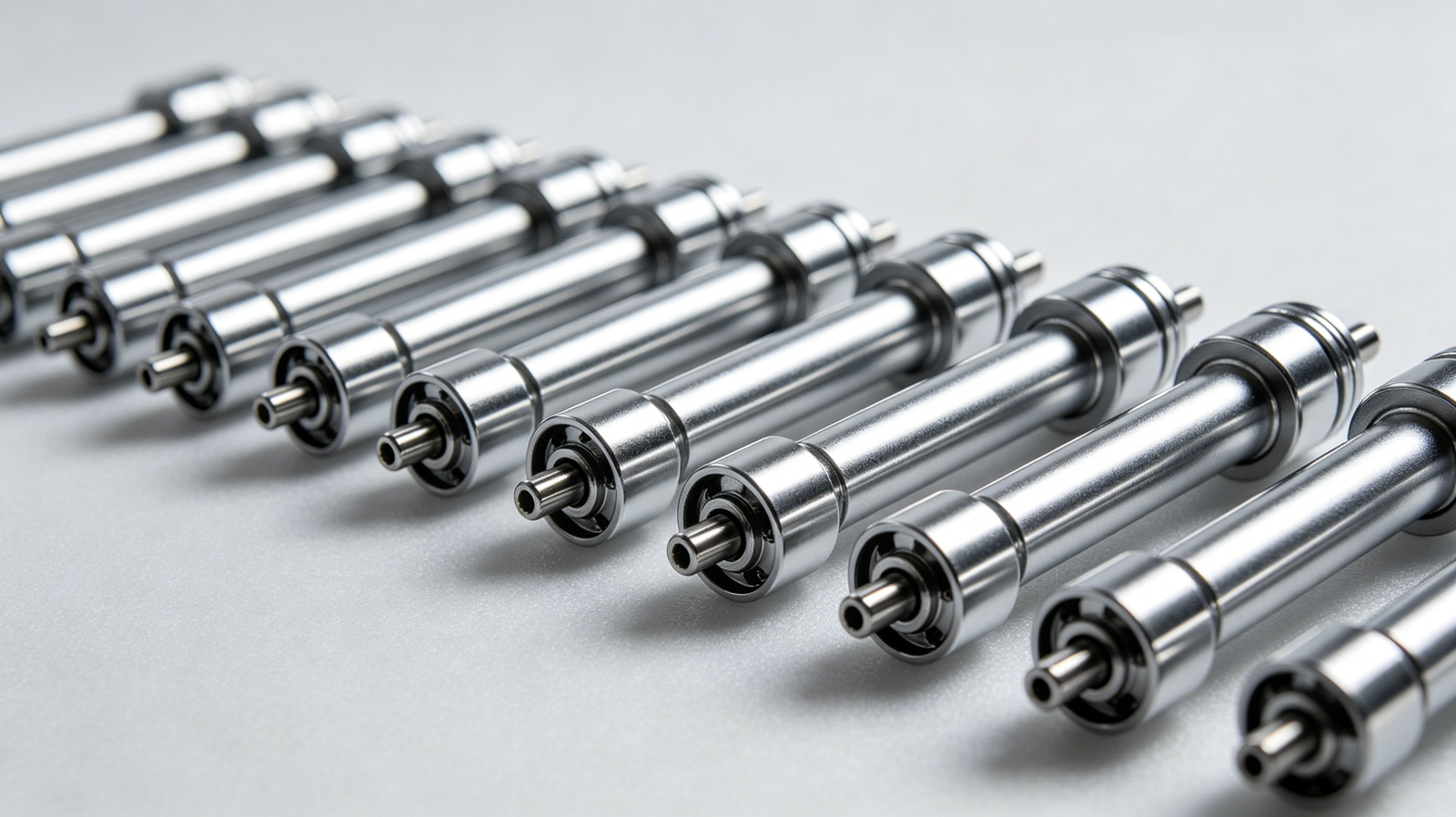
Material characteristics significantly affect surface finish outcomes in CNC sports equipment parts. Aluminum alloys, stainless steels, and engineering plastics all exhibit different cutting behaviors, including chip formation, thermal response, and deformation resistance. These differences directly impact Ra performance and surface uniformity. In real engineering applications, machining performance comparison and metal processing optimization are widely used references. At Xiamen Ruicheng, material cutting validation is performed before mass production to reduce surface quality risks.
Material Hardness Variation: Higher hardness increases cutting resistance and surface instability.
Internal Stress Release: Residual stress can cause micro-deformation after machining.
Thermal Conductivity Differences: Poor heat dissipation leads to localized surface defects.
Alloy Composition Impact: Element ratios influence chip formation behavior.
🔬 Material behavior defines the baseline of machining strategy
Surface Treatment Comparison Impacting Finish Quality
| Process Type | Surface Stability | Cost Level | Batch Consistency | Sports Application |
|---|---|---|---|---|
| Precision CNC Finish | High | Medium | High | Structural components |
| Sandblasting | Medium | Low | Medium | Handles & housings |
| Anodizing | High | Medium-High | High | Aluminum parts |
| Polishing | Very High | High | Medium | Decorative parts |
In sports equipment manufacturing, CNC machining alone is often not sufficient to guarantee final surface performance. A combined approach with post-processing is usually required to achieve optimal results. For engineering evaluation or production support, visit contact us for technical consultation and manufacturing solutions.
System-Level Optimization for CNC Surface Finish Stability
Surface finish control in CNC sports equipment parts requires a full-process engineering approach rather than isolated adjustments.
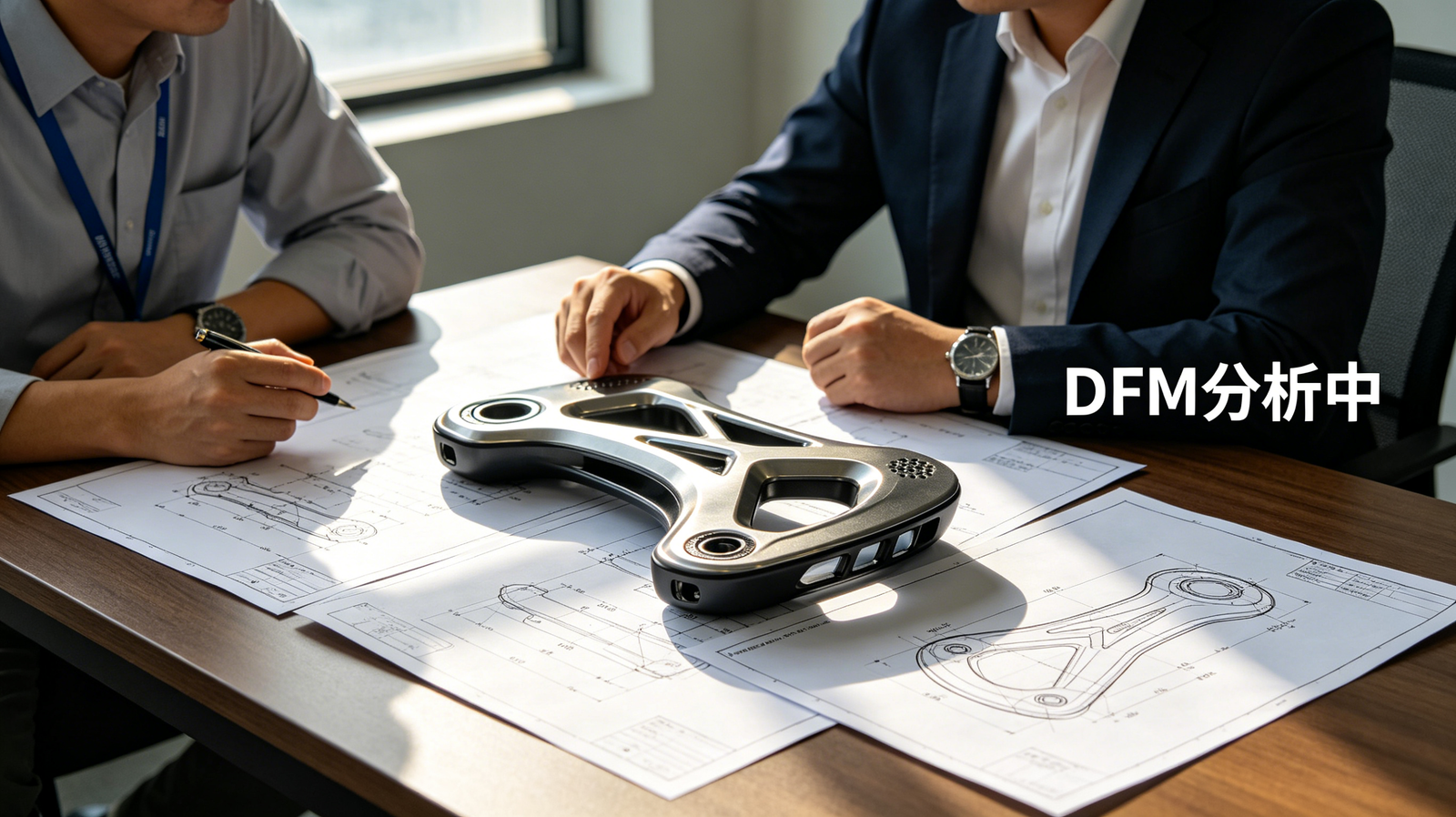
Process Integration Control: Answer. Early-stage DFM optimization reduces machining complexity and improves surface consistency.
Equipment Capability Matching: Answer. Multi-axis CNC systems significantly reduce tool marks on complex geometries.
Closed-Loop Quality Feedback: Answer. Ra measurement and batch inspection ensure continuous stability improvement.
Supplier Engineering Collaboration: Answer. Manufacturers like Xiamen Ruicheng provide end-to-end optimization from prototyping to mass production.
🧭 Only system-level optimization ensures long-term surface stability in production
FAQ Module Title
Q1: What is your standard surface roughness control level for CNC sports equipment parts?
A: Xiamen Ruicheng typically maintains Ra 0.8–Ra 1.6 for most sports equipment components, using multi-axis machining, tool lifecycle control, and batch inspection systems to ensure consistency.
Q2: What information is required before evaluating surface finish feasibility?
A: CAD drawings, material type, surface requirements, and application scenarios are needed. Xiamen Ruicheng provides initial DFM feedback within 2 hours.
Q3: Is there a difference between prototype and mass production surface quality?
A: Yes. Prototypes focus on process validation, while mass production emphasizes consistency control across tooling and machines.
Q4: How are surface defects handled if they exceed tolerance?
A: Depending on severity, parts may be re-polished, re-machined, or process parameters recalibrated with full inspection reports.
Q5: Can surface finish levels be customized for different sports applications?
A: Yes. Surface roughness levels can be tailored based on application needs, with adjustments in tooling, speed, and post-processing methods.
Conclusion
Surface finish instability in CNC sports equipment parts is not caused by a single machining error but by a combination of process variables across the production chain.
True stability comes from coordinated control of machining parameters, tooling systems, and material behavior.Only manufacturers with full-process engineering capability can consistently deliver high-quality results at scale.Xiamen Ruicheng provides end-to-end CNC manufacturing solutions to ensure reliable and repeatable surface performance.
For expert assistance in implementing for your production needs, visit our resource center or contact us. Let’s help you scale up your manufacturing with precision and efficiency!