Introduction
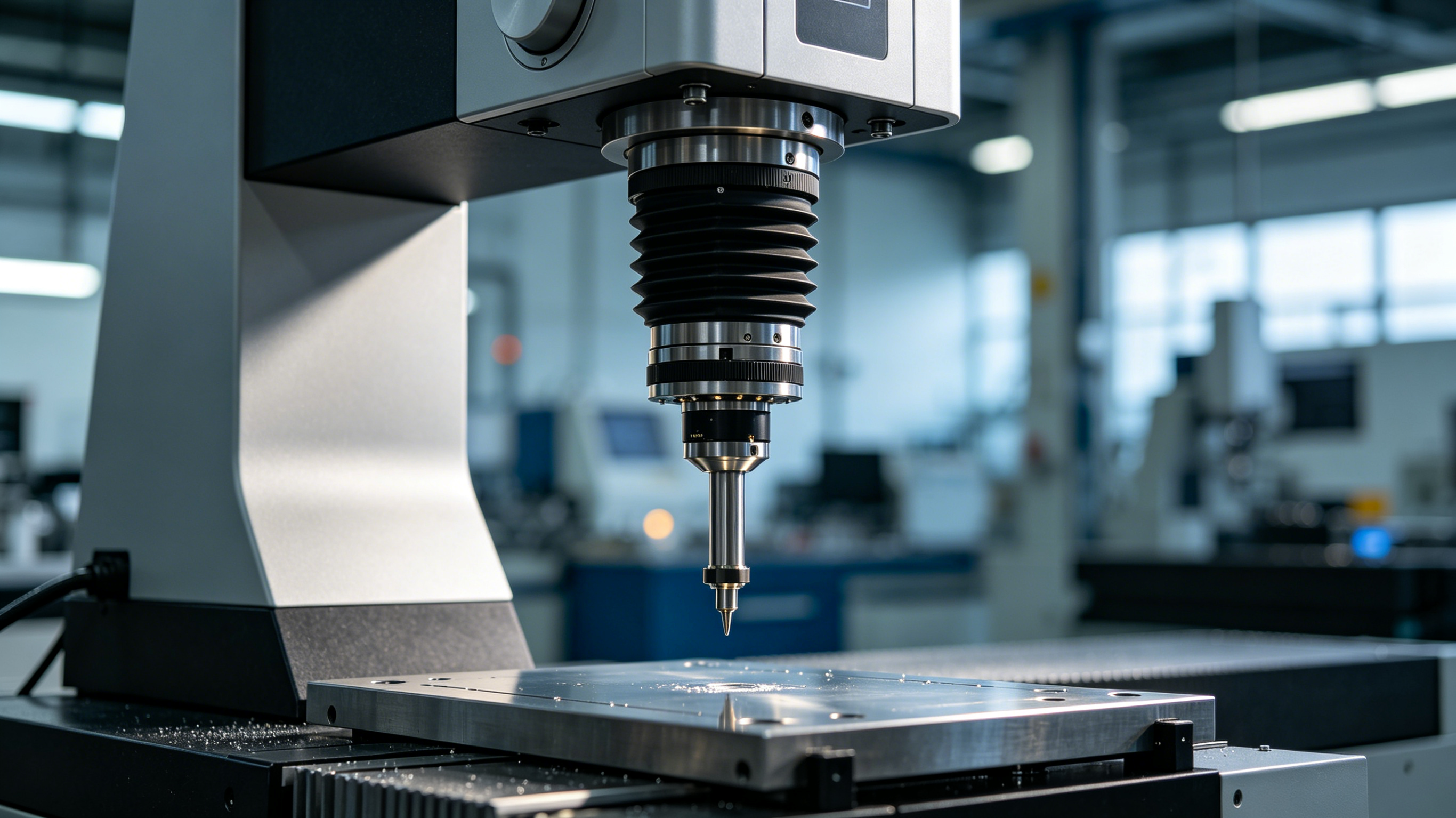
Aluminum die casting parts are widely used in automotive components, industrial equipment, motor housings, and hydraulic system components. Among these applications, airtightness and pressure retention directly affect final product reliability. When parts need to withstand liquid, gas, or pressure environments, leak testing becomes a critical step for verifying die casting quality. However, many companies find that aluminum die casting parts perform well during the sample stage but develop leakage issues after entering mass production.Leak test failures are usually not caused by a single defect, but by the combined effects of material quality, mold design, die casting parameters, and quality control systems. For purchasing engineers and product development teams, identifying the root causes of leakage is more important than simply increasing inspection frequency, because stable manufacturing capability is the foundation of long-term supply reliability.
Xiamen Ruicheng, as an industrial manufacturing company providing OEM/ODM custom manufacturing services, has long served customers in automotive, industrial equipment, and electronics industries. During aluminum die casting part development, Xiamen Ruicheng helps customers reduce mass production risks through DFM analysis, process control, and quality inspection systems. Understanding leakage failure mechanisms allows companies to identify potential risks earlier during supplier selection.
Why Do Aluminum Die Casting Parts Leak Due to Internal Porosity?

One of the most common reasons aluminum die casting parts fail leak tests is the presence of internal pores, shrinkage porosity, or micro cracks. These defects are usually invisible during visual inspection but can form hidden leakage paths during pressure testing. During high-speed injection, excessive air entrapment or insufficient shrinkage compensation may create interconnected pore structures. The ability to control internal porosity determines whether aluminum die casting parts can maintain stable sealing performance over time. By optimizing die casting process parameters, mold venting design, and material flow paths, leakage risks can be effectively reduced.
Internal Material Defects: Gas entrapment and solidification shrinkage inside molten aluminum can create microscopic voids, which may connect under pressure and form leakage channels.
Impact of Injection Parameters: Improper control of injection speed, filling time, and mold temperature can increase turbulence and the possibility of gas entrapment.
Vacuum-Assisted Technology: For parts requiring high sealing performance, vacuum die casting can reduce residual gas and improve material density.
Inspection and Validation Methods: X-ray inspection, CT scanning, and airtightness testing can identify hidden defects in advance.
🔍 Many aluminum die casting leakage problems originate from invisible internal defects, making supplier process control capability more important than a single inspection result.
Why Do Aluminum Die Casting Parts Develop Leakage After Machining?
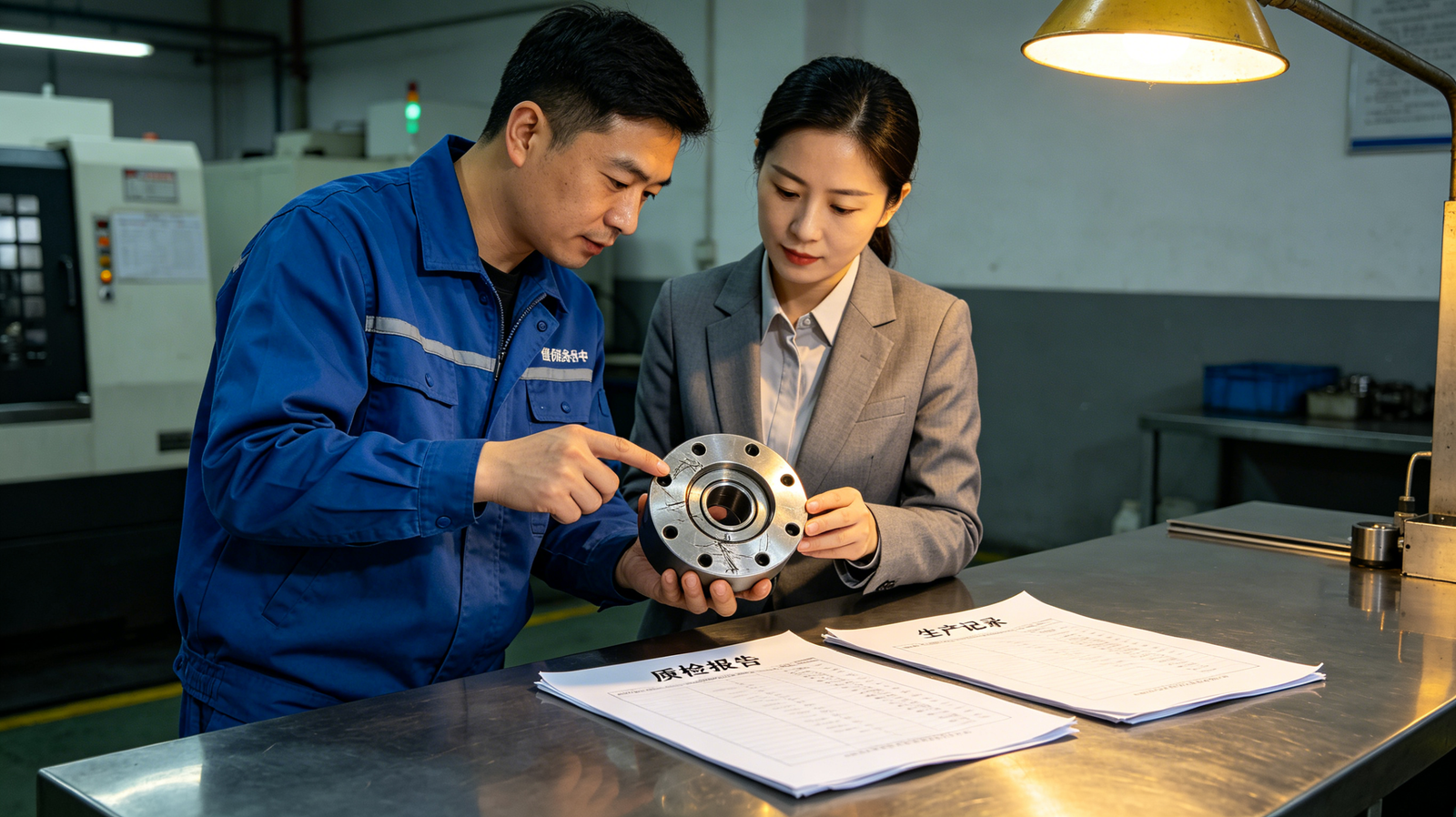
Many companies find that aluminum die casting parts pass factory testing but develop leakage after CNC machining, drilling, or threading operations. This mainly occurs because machining processes may damage the original sealing structure of the part. Shallow porosity beneath the casting surface may exist, and when machining removes the surface layer, hidden defects can become exposed. Machining process design must consider internal casting quality instead of focusing only on dimensional accuracy. Xiamen Ruicheng performs DFM evaluation based on part structure and application environment during project development to reduce quality risks caused by subsequent machining.
Machining Allowance Design: Excessive machining depth may enter internal defect areas, transforming closed pores into leakage paths.
Protection of Sealing Areas: Critical sealing surfaces require proper machining location planning and surface quality control.
Impregnation Treatment Solutions: For parts with micro-porosity risks, vacuum impregnation can improve sealing performance.
Process Coordination Management: Die casting, machining, and inspection should form an integrated process to avoid information gaps between different suppliers.
🛠️ The reliability of aluminum die casting parts depends not only on the casting process; machining operations can also change final leakage performance.
Why Does Insufficient Supplier Quality Control Cause Leak Test Failures?
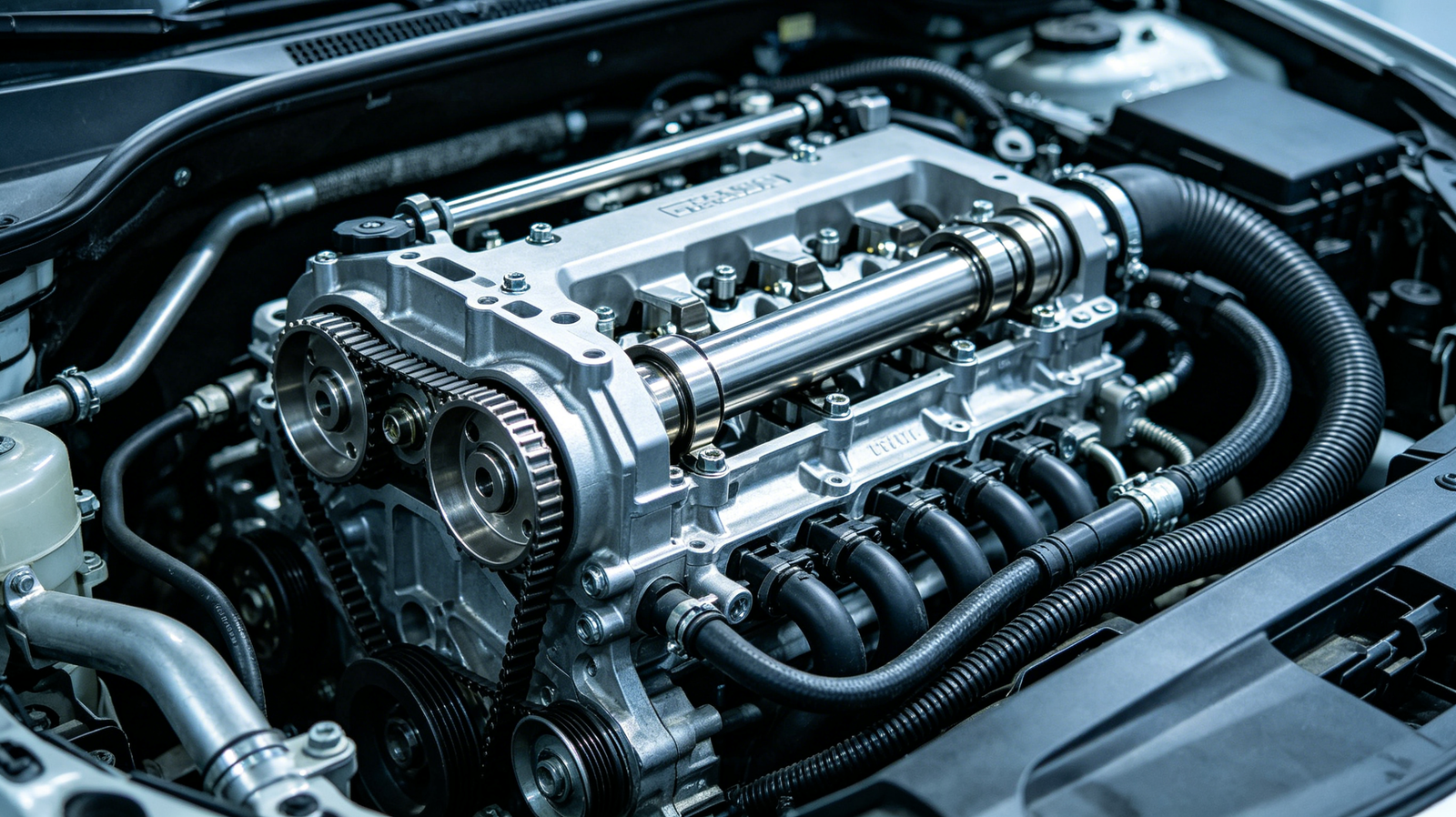
Even when using the same materials and equipment, aluminum die casting parts from different suppliers may show completely different leak test results. The main reason is the difference in process stability and quality management systems. Suppliers without SPC monitoring, first article validation, and batch traceability often struggle to maintain long-term production consistency. For high-requirement industrial parts, stable manufacturing capability is more important than a single sample passing a test. Xiamen Ruicheng uses ISO quality management systems and full-process inspection procedures to control quality variation from mold development to mass production.
Process Parameter Management: Stable recording of casting temperature, pressure, and cycle parameters reduces batch variation.
First Article Inspection System: FAI reports help customers confirm that initial products meet design requirements.
Quality Traceability Capability: Complete batch records allow rapid identification of leakage problem sources.
Supplier Evaluation Criteria: Purchasing teams should focus on supplier engineering capability, not only price and delivery time.
📊 Selecting manufacturing partners with systematic quality control capabilities can reduce later test failures and mass production rework costs.
Comparison of Aluminum Die Casting Leakage Failure Causes
| Failure Cause | Affected Stage | Risk Performance | Common Solution |
|---|---|---|---|
| Internal Porosity | Casting Stage | Pressure leakage | Optimize die casting parameters |
| Shrinkage Defects | Solidification Stage | Sealing failure | Improve feeding design |
| Machining-Exposed Defects | Post-Machining Stage | Local air leakage | Adjust machining process |
| Process Variation | Mass Production Stage | Batch instability | SPC quality control |
If your aluminum die casting parts are facing leak test failures, unstable mass production, or supplier quality control challenges, Xiamen Ruicheng can provide one-stop support from process analysis to production validation. Contact our engineering team through contact us.
How Can Supplier Capability Reduce Aluminum Die Casting Leakage Risks?
When selecting an aluminum die casting supplier, companies should not only focus on part price but also evaluate whether the supplier has the capability to solve complex quality issues. Leak test failures can affect complete product performance, certification schedules, and market delivery, making early supplier engineering involvement critical. An excellent supplier does not only manufacture parts but also helps customers identify manufacturing risks in advance.
1.Engineering Analysis Capability: Suppliers should be able to identify wall thickness, structural, and flow risks through DFM analysis to reduce design-stage problems.
2.Mold Development Capability: Stable mold design and maintenance capability determine long-term production consistency.
3.Inspection and Validation Capability: Airtightness testing, dimensional inspection, and material analysis help confirm product reliability.
4.Mass Production Management Capability: Complete quality systems reduce leakage risks during high-volume production.
FAQ: Common Questions About Aluminum Die Casting Leak Tests
Q1: Why do aluminum die casting samples pass testing but fail after mass production?
Answer: This is usually related to process parameter variation, mold wear, and material condition changes during mass production. SPC data and failure analysis are required to identify the specific cause.
Q2: Can aluminum die casting leakage problems be completely eliminated?
Answer: Zero risk cannot be guaranteed, but optimizing mold design, controlling die casting parameters, and establishing complete inspection processes can significantly reduce leakage probability.
Q3: What quality documents should suppliers provide?
Answer: Typical documents include dimensional inspection reports, material certificates, leak test records, FAI reports, and necessary process control documentation.
Q4: How should leakage problems be handled after discovery?
Answer: The leakage location and root cause should first be identified, followed by solutions such as process optimization, impregnation treatment, or structural modification.
Q5: How can companies evaluate whether an aluminum die casting supplier is reliable?
Answer: Evaluation should include engineering experience, quality systems, inspection equipment, similar project experience, and mass production management capability.
Conclusion
Aluminum die casting leak test failures are not simply inspection problems; they reflect the capability of the entire manufacturing process. From material flow, mold design, machining processes, to quality management, every stage affects final sealing performance.Selecting suppliers with strong engineering analysis capability and stable mass production experience can help companies reduce leakage risks at the source. Xiamen Ruicheng provides reliable aluminum die casting and custom manufacturing solutions for global customers through precision manufacturing experience, quality control systems, and integrated OEM services.
For expert assistance in implementing solutions for your production needs, visit our resource center or contact us. Let’s help you scale up your manufacturing with precision and efficiency!