How to Choose the Right Material for Automotive Precision Aluminum Parts?
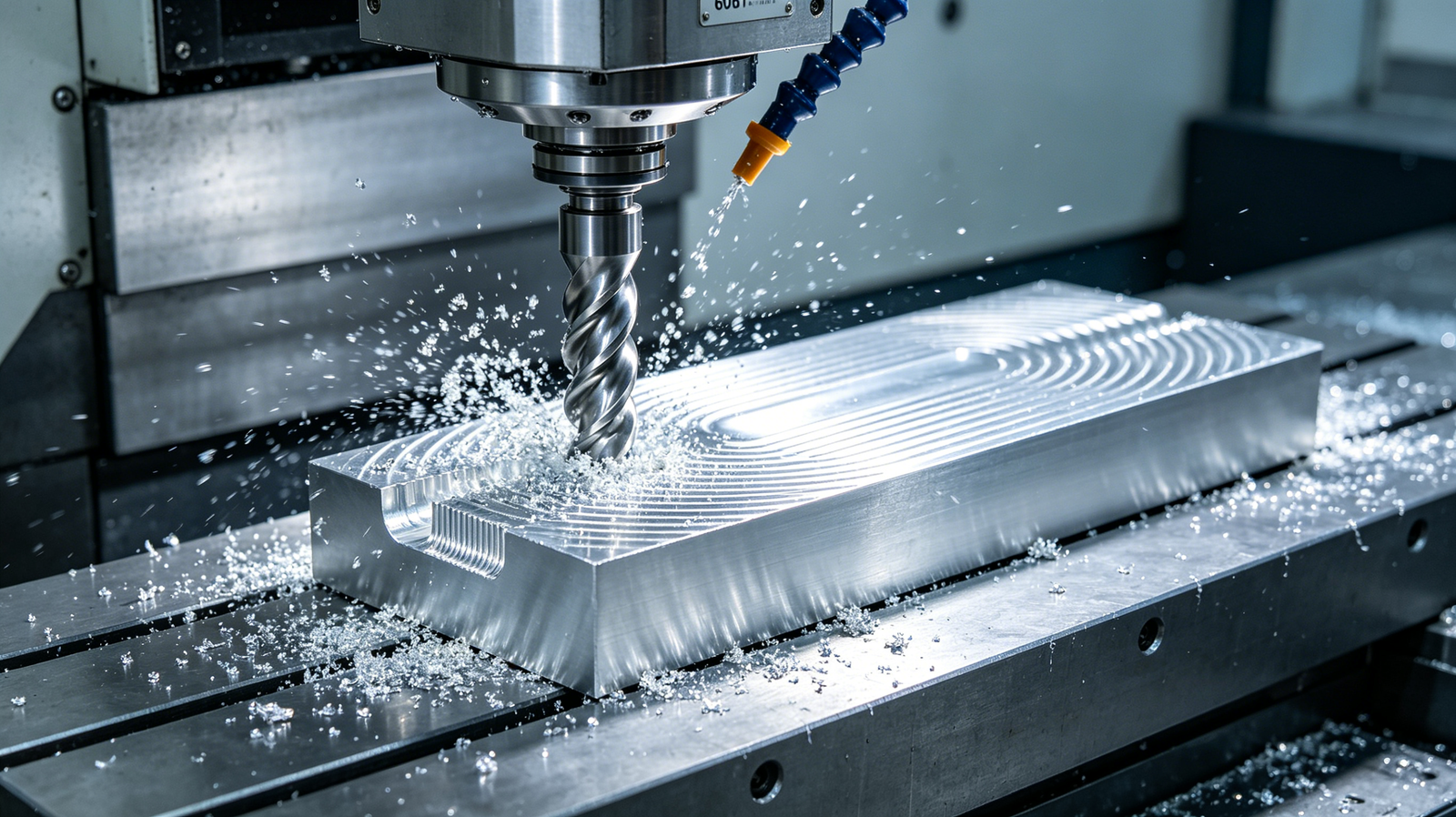
The rapid growth of automotive lightweight manufacturing has pushed high-performance aluminum alloys into wider use across structural brackets, electronic housings, and powertrain systems. More buyers are now comparing 6061 and 7075 aluminum based on machining efficiency, mechanical strength, and long-term production stability. Xiamen Ruicheng has extensive experience in custom automotive precision aluminum part manufacturing and helps customers select more suitable materials according to real application conditions. For most automotive precision components, material selection directly affects machining consistency and assembly reliability.
6061 aluminum offers balanced performance in cutting stability, welding capability, and anodizing quality, making it highly suitable for large-scale production projects. In comparison, 7075 aluminum provides significantly higher strength and is widely used for high-load automotive structures and performance-oriented applications. With years of multi-axis CNC machining experience and mass-production verification, Xiamen Ruicheng helps customers achieve the best balance between performance and manufacturing cost.
What Are the Main Differences Between 6061 and 7075 in Automotive Precision Machining?
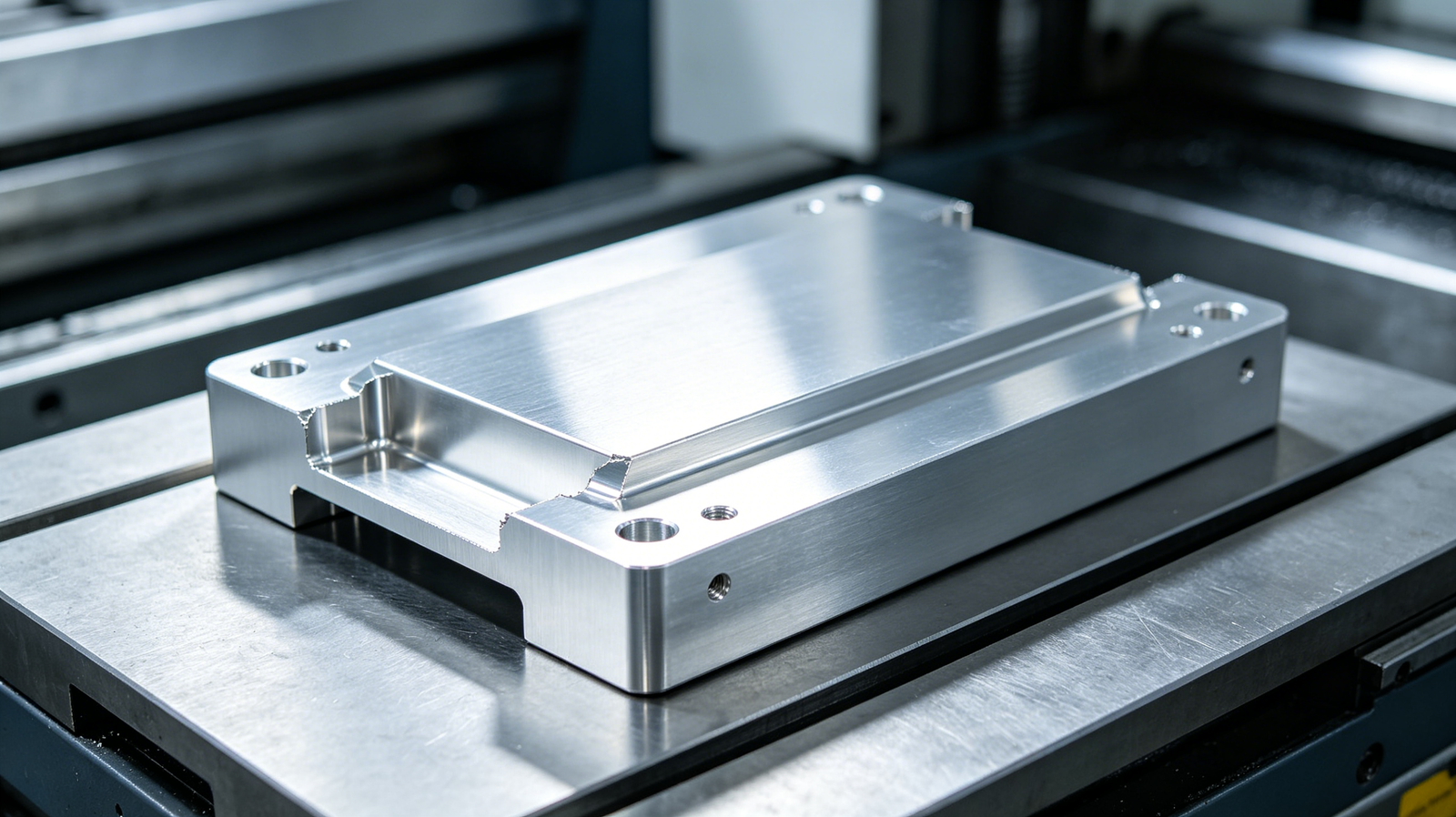
During custom precision aluminum machining, 6061 aluminum is easier to machine consistently and provides more stable surface finishes, which makes it widely used for automotive electronic housings, lightweight brackets, and structural connectors. Although 7075 aluminum delivers much higher strength, its hardness creates additional challenges in tool wear control and machining parameter optimization. In many automotive CNC machining projects handled by Xiamen Ruicheng, 7075 is typically selected for high-load applications, while 6061 is preferred for projects requiring balanced cost, machining efficiency, and stable mass production. For most automotive precision components, 6061 usually offers better overall machinability.
Machining Stability: 6061 provides better chip control and lower dimensional fluctuation during continuous production.
Strength Difference: 7075 delivers significantly higher tensile strength for high-load automotive environments.
Surface Treatment: 6061 achieves more consistent anodized finishes for appearance-sensitive parts.
Cost Efficiency: 6061 generally reduces total machining cost and improves manufacturing flexibility.
🚗 6061 focuses more on stable mass production, while 7075 targets high-performance structural applications.
Why Do Many Automotive Precision Projects Prefer 6061 Aluminum?
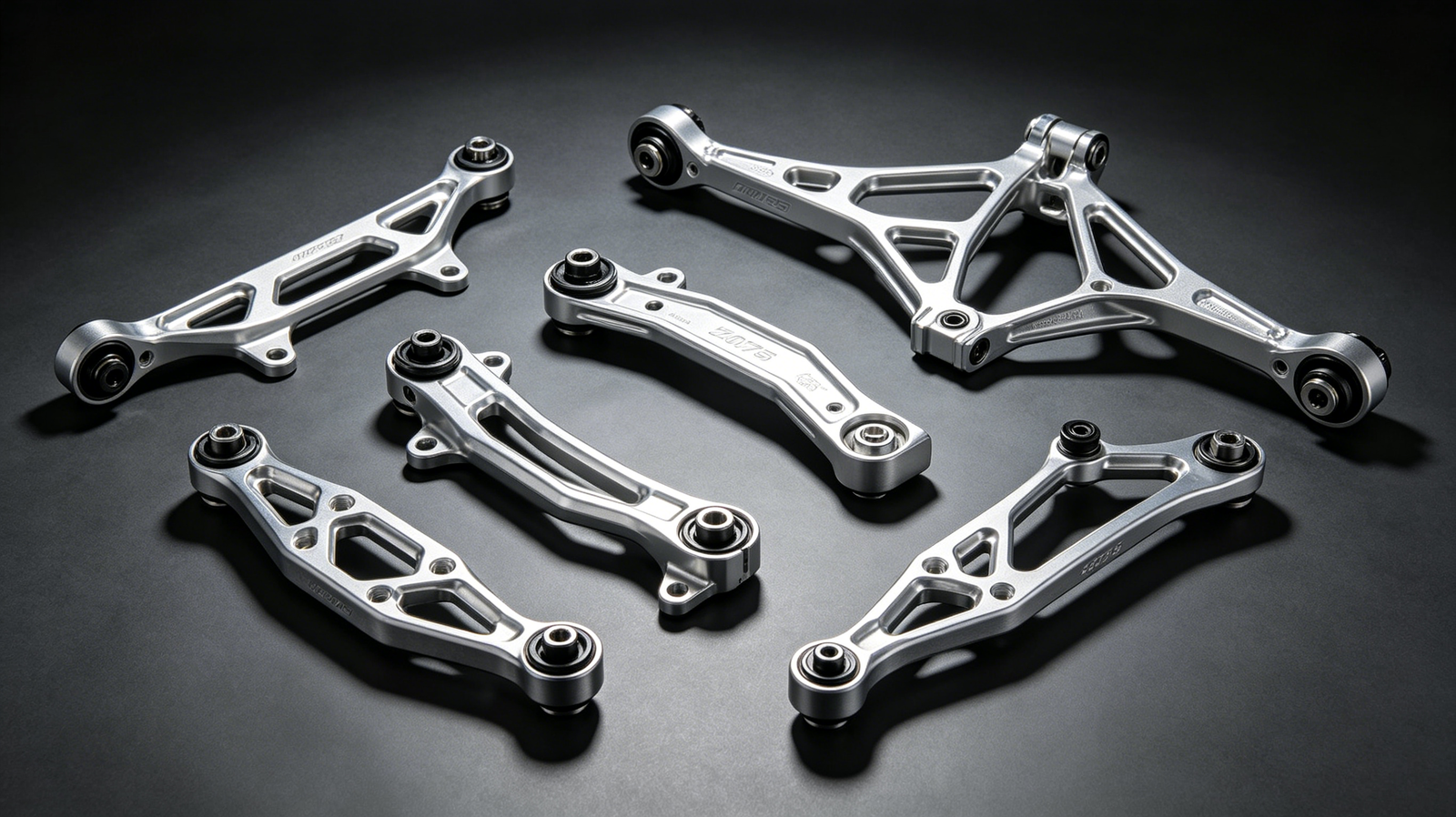
Many automotive manufacturers prioritize aluminum CNC machining using 6061 because it combines mechanical performance, machining efficiency, and excellent post-processing compatibility. In multiple new energy vehicle projects, Xiamen Ruicheng found that 6061 not only reduced tool wear but also improved dimensional consistency across large production batches. During precision CNC manufacturing, 6061 also minimizes rework risks and helps maintain better long-term production stability. For automotive programs requiring reliable large-scale delivery, 6061 often provides the best overall manufacturing efficiency.
Tool Life: 6061 creates less cutting resistance and helps extend tool service life.
Production Efficiency: Stable feed rates allow 6061 to support higher machining productivity.
Welding Performance: 6061 is easier to weld and integrate into automotive assemblies.
Supply Stability: Mature global supply chains make 6061 easier to source for long-term projects.
⚙️ 6061 offers clear advantages in manufacturing stability and cost optimization.
Which Automotive Applications Are Better Suited for 7075 Aluminum?
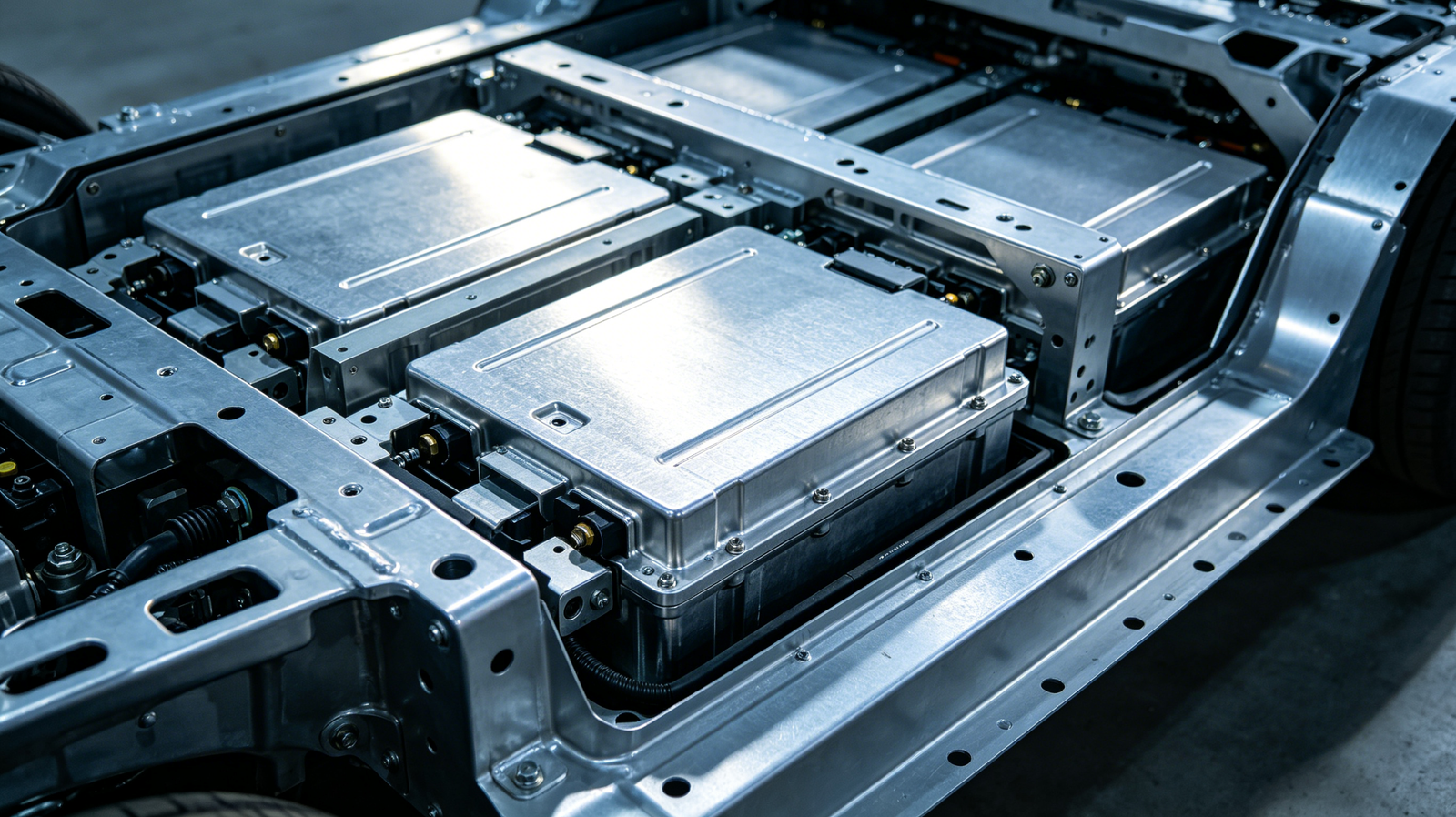
With its superior strength and hardness, 7075 aluminum is commonly used for racing components, high-load structural connectors, and performance-oriented automotive systems. However, the material also requires stricter machining control, higher equipment rigidity, and more advanced tooling strategies. During high-precision aluminum machining, Xiamen Ruicheng uses advanced five-axis CNC technology to reduce deformation risks and improve consistency when processing complex 7075 structures. Although 7075 is more difficult to machine, it remains irreplaceable in extreme-performance automotive applications.
High Strength Demand: 7075 performs exceptionally well in high-load automotive structures.
Machining Challenges: The material is more sensitive to cutting heat and tool wear.
Weight Reduction: 7075 supports lightweight structures without sacrificing rigidity.
Equipment Requirements: Stable machining requires high-rigidity CNC systems and advanced fixtures.
🏁 7075 is ideal for applications demanding extreme strength and lightweight performance.
6061 vs 7075 Comparison for Automotive Precision Parts
| Comparison Item | 6061 | 7075 | Recommended Use |
|---|---|---|---|
| Machining Stability | High | Medium | Mass Production |
| Material Strength | Medium-High | Extremely High | High-Load Parts |
| Tool Wear | Lower | Higher | Precision Machining |
| Overall Cost | More Economical | Higher | Material Selection |
If you are evaluating custom automotive precision aluminum part solutions, Xiamen Ruicheng can help you identify the most suitable material and machining process for your project requirements, contact us
How Does Xiamen Ruicheng Help Optimize Automotive Precision Aluminum Manufacturing?
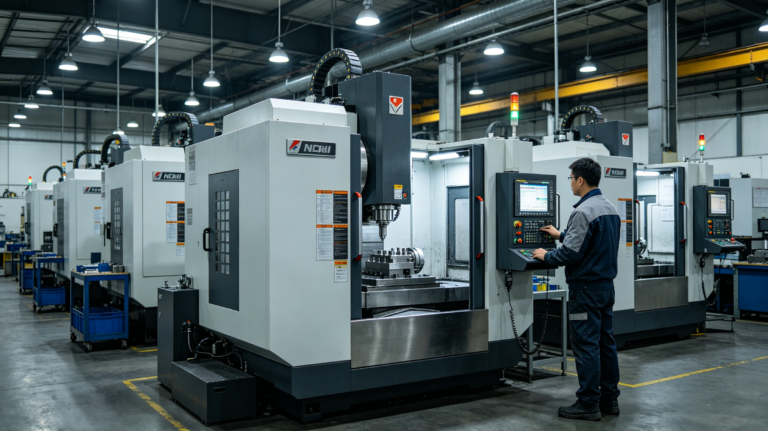
Xiamen Ruicheng has extensive experience in automotive precision aluminum manufacturing and provides customized machining solutions according to structural requirements, assembly standards, and real operating conditions. When evaluating 6061 and 7075 aluminum, the engineering team considers strength requirements, production volume, surface finishing standards, and cost targets to minimize development risks and improve manufacturing efficiency. Through DFM analysis, advanced five-axis CNC machining, and strict quality inspection systems, Xiamen Ruicheng helps customers achieve better production consistency and long-term supply stability. Whether the project involves new energy vehicle structures or high-performance automotive components, the company delivers reliable and scalable machining solutions.
1.Process Evaluation: Engineers analyze drawings to identify machining risks and optimize material selection.
2.Precision Control: Advanced CNC systems and inspection equipment improve dimensional consistency.
3.Mass Production Support: Stable supply chains and flexible production capacity support long-term delivery.
4.Cost Optimization: Material performance and manufacturing budgets are balanced for better project value.
Frequently Asked Questions About Automotive Precision Aluminum Parts
What are the core advantages of your automotive precision aluminum machining service?
Xiamen Ruicheng provides high-precision CNC machining services for multiple aluminum grades including 6061 and 7075. Standard machining tolerance can reach ±0.01mm, supported by strict quality inspection procedures and extensive automotive manufacturing experience.
What information should we provide to receive a fast quotation?
Customers can provide 2D drawings, 3D models, material requirements, surface treatment standards, and estimated order quantities. Xiamen Ruicheng usually provides initial quotations and DFM feedback within 12 hours for standard projects.
What are the MOQ and lead time requirements for different order volumes?
Prototype orders support low-volume production, with standard sample lead times of around 5-7 days. Mass-production schedules depend on part complexity and quantity. Flexible manufacturing systems allow Xiamen Ruicheng to adjust delivery schedules according to customer timelines.
How do you handle quality issues or dimensional deviations after delivery?
All products are inspected according to approved drawings and quality standards. If machining defects or dimensional problems are confirmed, Xiamen Ruicheng provides rework, replacement, or supplementary production support to minimize project impact.
Can you support customized solutions for special automotive applications?
Xiamen Ruicheng supports customized machining for complex structures, irregular parts, and high-strength automotive components. Customers can provide detailed operating requirements, and the engineering team will recommend optimized materials, surface treatments, and machining processes.
Conclusion
Both 6061 and 7075 aluminum offer unique advantages in custom automotive precision aluminum manufacturing. 6061 is more suitable for stable mass production and cost-efficient machining, while 7075 excels in extreme-strength and high-performance applications. Xiamen Ruicheng helps customers select the most suitable materials and manufacturing strategies based on actual project conditions, reducing development risks and improving production stability. In automotive precision manufacturing, the best solution depends not only on material performance but also on machining expertise and process control capability. With mature CNC machining technology and strict quality management systems, Xiamen Ruicheng delivers reliable and scalable automotive precision aluminum manufacturing solutions.
For expert assistance in implementing solutions for your production needs, visit our resource center or contact us. Let’s help you scale up your manufacturing with precision and efficiency!