Introduction
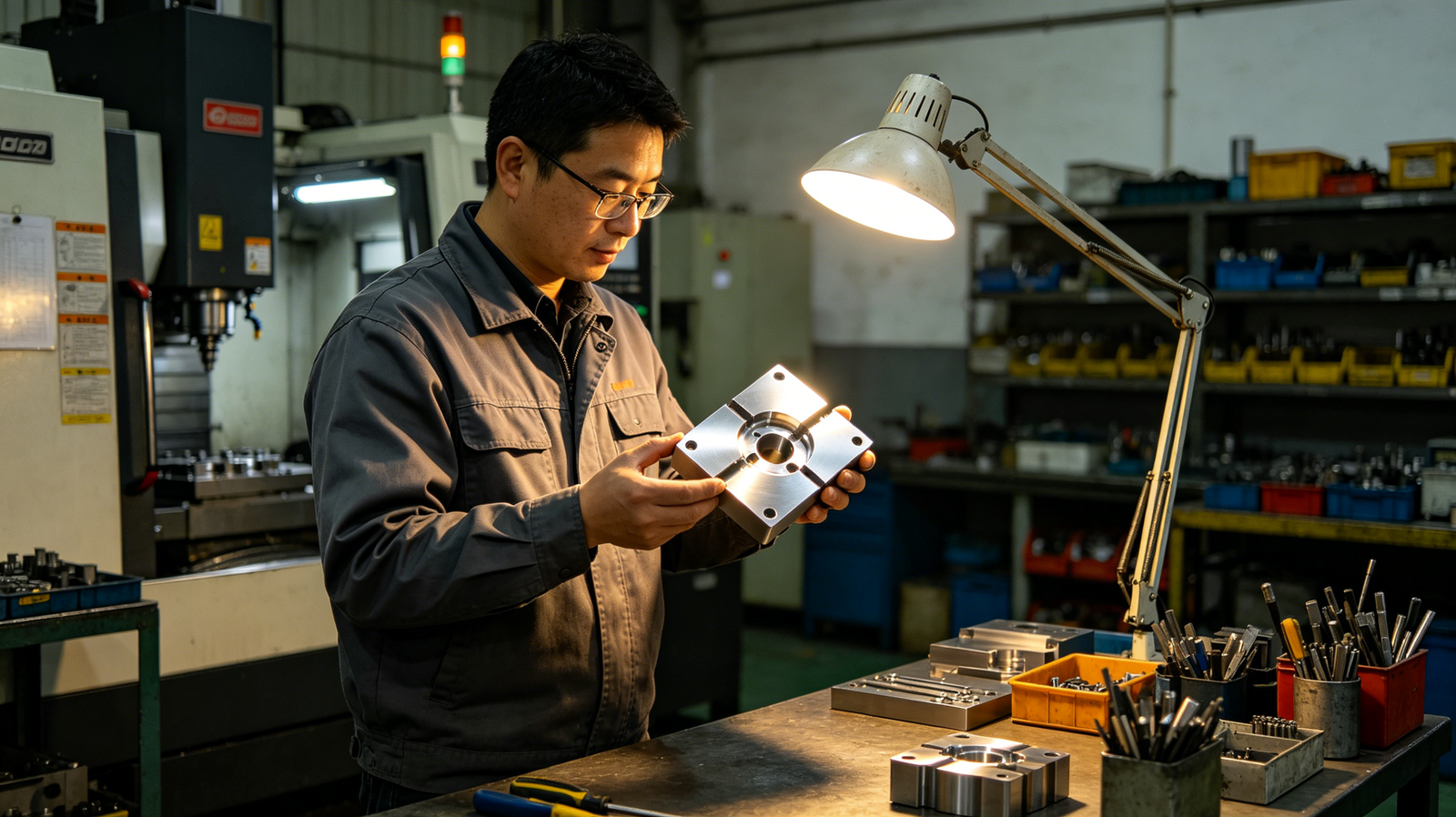
A complete die‑casting control plan serves as the core guidance document for on‑site production management, which unifies operation standards for personnel, equipment and process parameters throughout the manufacturing workflow. It can effectively reduce unstable factors that cause casting defects during mass production. Every production link from raw material incoming inspection to finished‑product delivery needs corresponding control items to avoid random adjustments by front‑line operators. Standardized document management also helps enterprises realize traceability of each batch of die‑cast parts when quality problems occur.
Enterprises rely on the control plan to realize closed‑loop quality management rather than only relying on post‑production inspection to screen defective workpieces. Well‑formulated control plans lower overall rework and scrap rates for die‑casting workshops. It connects product design requirements with actual shop‑floor execution, helping production teams consistently deliver components that meet drawing specifications. Suppliers can also use this document as a communication basis for technical docking with downstream customers.
What key raw‑material control items belong to a die casting control plan?
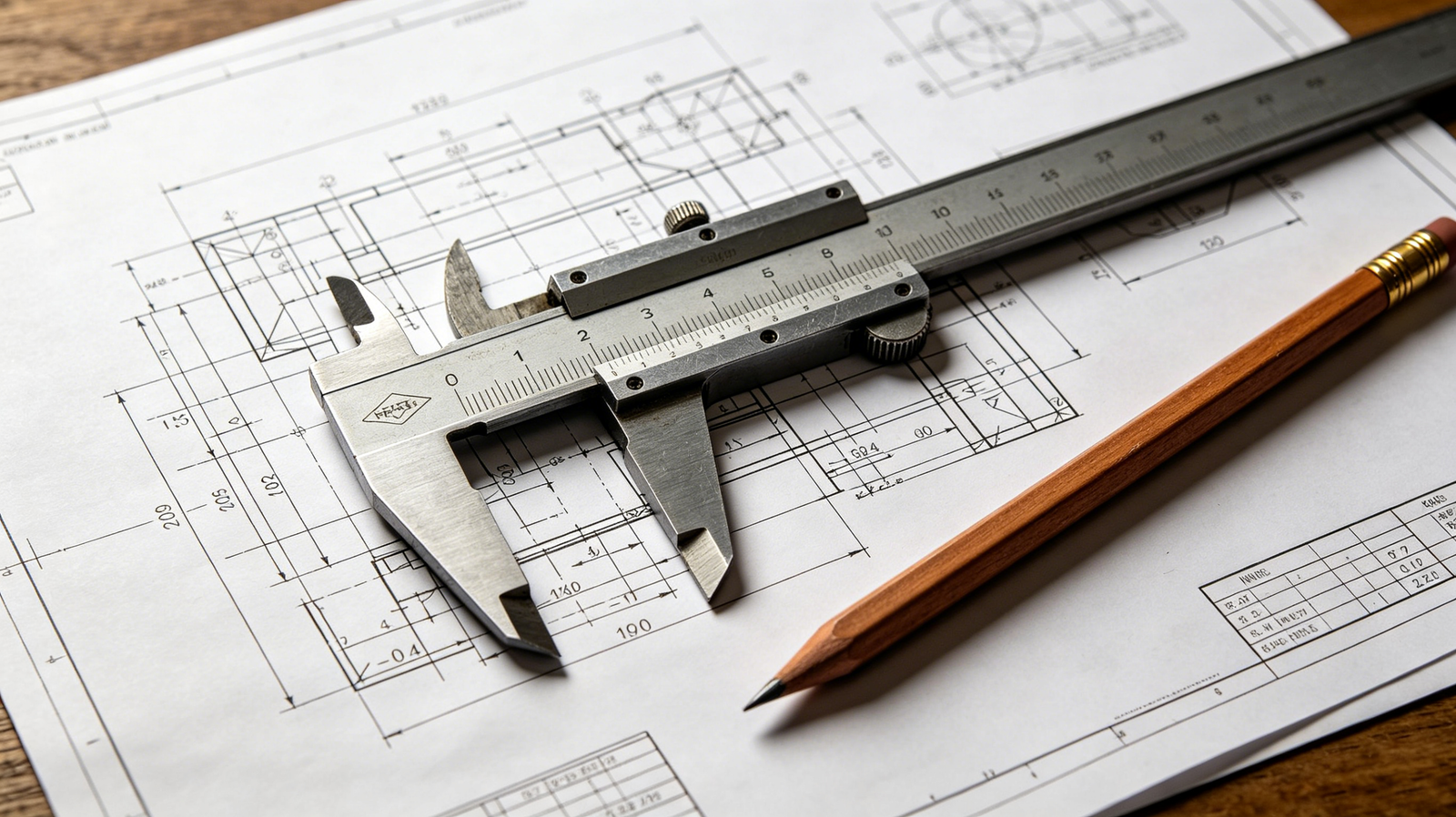
Raw material quality directly determines the basic performance of finished die‑castings, so the control plan must clarify inspection standards for incoming die‑casting alloy ingots and auxiliary release agents before melting work starts. Production teams need to record alloy composition test reports and batch numbers for each incoming lot to ensure material traceability throughout follow‑up processing. Unqualified raw materials shall be isolated and rejected before entering the melting furnace to prevent hidden quality risks from spreading to subsequent casting procedures. Raw‑material acceptance criteria shall be written clearly in the control plan to avoid subjective judgment by inspectors.
Incoming sampling rule: Sampling quantity shall be formulated according to purchase batch size, and sampling locations shall cover different packaging units of alloy ingots.
Composition verification requirement: Chemical component test results must match the material grade specified in customer drawings before melting operation can proceed.
Auxiliary material record: Batch numbers and validity periods of release agents and degassing agents shall be archived together with alloy material records for batch traceability.
Non‑conforming disposal rule: Raw materials failing inspection shall be marked and segregated immediately and shall not flow into the melting station under any circumstances.
ℹ️ Raw‑material clauses establish the first‑line quality barrier for die‑casting production activities.
Which process parameters need to be defined within die‑casting process control?
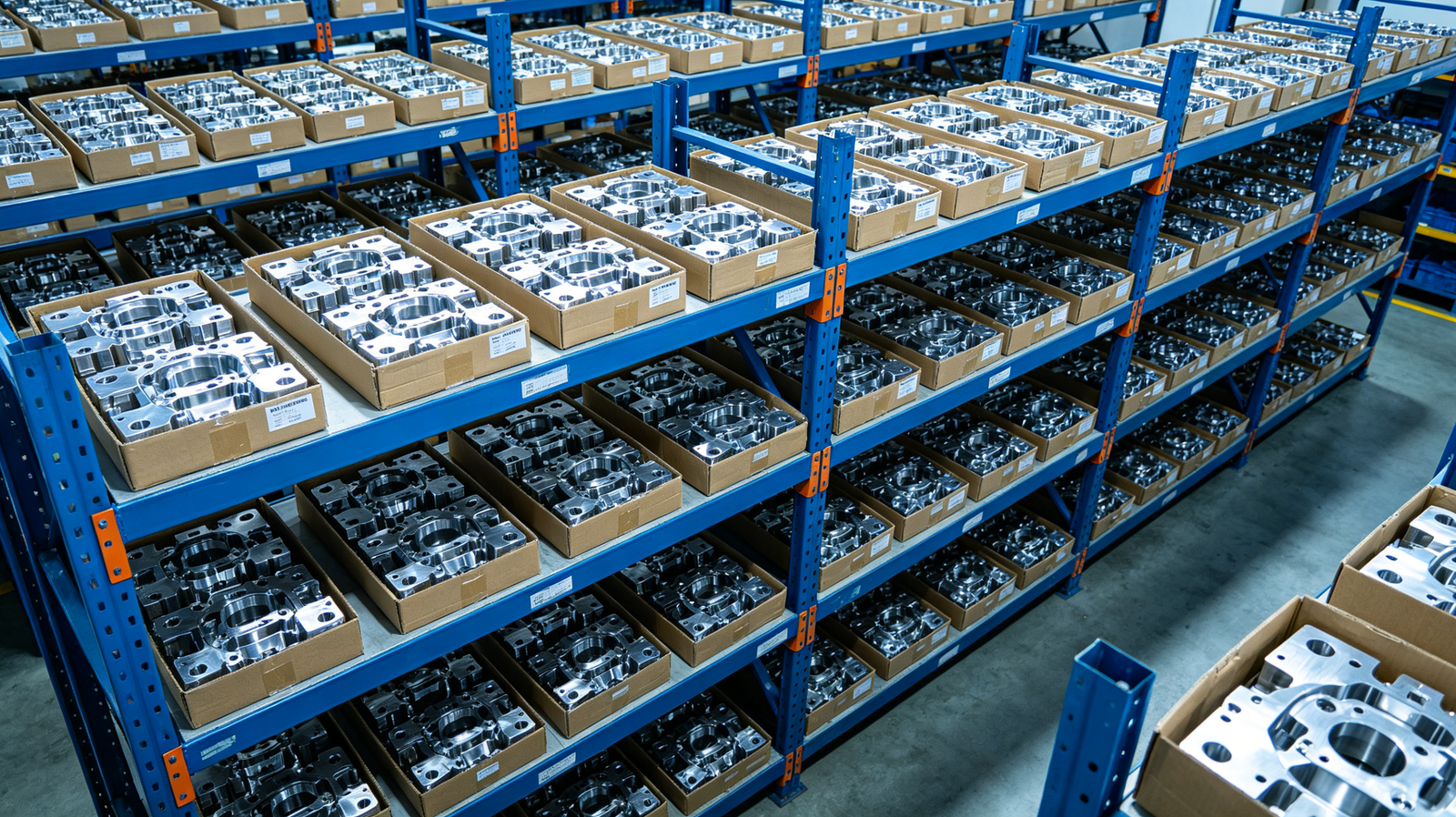
Stable die‑casting output depends on repeatable process parameters, and the control plan shall set valid value ranges for injection speed and die temperature rather than only recording parameter values used during trial production. Operators cannot arbitrarily modify key parameters without approval even if minor surface defects appear on castings. Each parameter adjustment shall be recorded with reasons and corresponding product sample test results for later review. Parameter deviation alarm thresholds help staff spot abnormal production conditions at the earliest possible stage.
Parameter range confirmation: Each critical parameter shall be given upper‑limit and lower‑limit values based on mold trial verification data.
Parameter change approval: Any modification of core process parameters must pass technical review before being applied to formal mass‑production runs.
Real‑time record requirement: Equipment shall automatically record process data for every shot, and manual supplementary recording is required for offline equipment.
Abnormal handling workflow: Production shall be suspended when parameters exceed set thresholds until root causes are located and corrected.
⚙️ Standardized parameter management reduces random defects caused by manual operation differences in die‑casting workshops.

Mold status exerts great influence on dimensional accuracy and surface quality of die‑cast products, and the control plan needs to specify maintenance cycles, inspection items and repair recording rules for die‑casting molds and ejector pins. Regular mold inspection can detect early cracking, wear and slag accumulation before these issues generate large‑batch defective castings. All repair, polishing and modification activities for molds need complete file records linked to corresponding product batches. Preventive maintenance rules effectively extend mold service life and stabilize product consistency.
Periodic inspection standard: Visual and dimensional inspection of mold cavity shall be carried out after a specified number of casting shots.
Mold maintenance workflow: Lubrication, cleaning and surface treatment steps shall be followed strictly during every shutdown maintenance cycle.
Mold repair record: Every repair including welding and polishing shall record time, content and responsible technician for traceability purposes.
Mold storage specification: Cool‑down, anti‑rust treatment and classified storage requirements shall be followed after mold disassembly from production machines.
🔧 Complete mold management clauses reduce quality fluctuations triggered by mold wear and damage in die‑casting operations.
Comparison of core module settings for die‑casting control plans
| Module | Basic version | Standard version | Advanced version | Custom project version |
|---|---|---|---|---|
| Raw‑material control | Only record supplier name | Add sampling & inspection standard | Add component traceability | Add customer‑specified material audit items |
| Process parameter | Simple parameter recording | Set parameter upper/lower limits | Add deviation alarm mechanism | Add multi‑working‑condition parameter group management |
| Mold management | Only record repair time | Add regular inspection cycle | Add wear evaluation index | Add mold life prediction statistical items |
| Inspection & test | Final finished‑product inspection | Add in‑process sampling inspection | Add special‑process parameter verification | Add customer‑specified special testing items |
If you want to get a editable die‑casting control plan template matching your actual production conditions, please contact us
Matters needing attention when compiling die‑casting control plan
The die‑casting control plan cannot be copied mechanically from universal templates, and compilers need to combine product drawing requirements, mold trial test data and actual workshop production capacity to complete each control item. All control indicators shall be operable for on‑site staff instead of using vague descriptive text that cannot be implemented. Timely revision is required when product specifications, molds or production equipment are updated to ensure documents match real‑site production status. The control plan shall serve on‑site quality control rather than only exist as a filing document.
1.Document matching: Each control plan shall correspond to specific product numbers, and general templates shall not be directly applied to different die‑casting components.
2.Operability check: Each inspection item shall have clear judgment criteria so front‑line operators can finish judgment without extra interpretation.
3.Version management: Version number and revision record shall be marked after each modification, and old document versions shall be recycled to prevent misuse.
4.Regular review: The control plan shall be reviewed periodically together with quality data of produced parts to optimize unreasonable control requirements.
FAQ
Question: What are the core advantages and quality bottom‑line of your die‑casting control plan service?
Answer: It covers raw‑material, process, mold and inspection full‑link control items, follows IATF 16949 quality‑system requirements, supports production traceability of die‑cast parts, and effectively lowers workshop scrap rate. It adapts to mass‑production and small‑batch trial‑production scenarios for die‑casting components.
Question: We plan to purchase die‑casting control plan compiling service, what materials do we need to provide for quick docking and quotation?
Answer: You need to provide product drawings, existing mold information, workshop equipment list and main defect statistical data. Send above‑mentioned documents through our official channel, we will give preliminary feedback within 2 working hours and output complete scheme quotation within 1‑3 working days.
Question: Regarding die‑casting control plan compiling service, what are the regulations on minimum order quantity, delivery cycle under different procurement scales?
Answer: Single‑product control‑plan compiling supports single‑piece order; for multi‑product batch customization, delivery cycle will be extended according to product quantity. Single‑product scheme is normally finished within 3‑7 working days, and we support urgent‑order processing for key projects.
Question: After purchasing die‑casting control plan compiling service, how will you handle problems such as scheme mismatch or ineffective on‑site application?
Answer: We provide follow‑up technical consultation after scheme delivery. If obvious mismatch between documents and actual production occurs, we will revise the plan within 48 hours after receiving your feedback. The finished scheme supports 90‑day free minor revision service.
Question: Can you provide customized adjustment for die‑casting control plan according to our special production requirements?
Answer: We support customized adjustment for special requirements such as automotive‑industry quality standards, special alloy die‑casting and high‑precision component production. You need to inform us of your industry specifications and special control points, and we will give the adjusted scheme within 3‑5 working days, and partial customized projects will produce extra service charges.
Conclusion
A qualified die‑casting control plan is not a static paper document, but a systematic quality‑management tool covering raw‑material inspection, process parameter constraint, mold maintenance and product testing. It helps enterprises standardize on‑site operation behaviors and reduce quality fluctuations caused by human factors and equipment instability. Enterprises shall combine actual production data to continuously iterate and optimize the control plan instead of keeping it unchanged for a long time. Continuous improvement based on real‑production defect data can make the control plan play greater value in die‑casting workshop quality management.
For expert assistance in implementing for your production needs, visit our resource center or contact us. Let’s help you scale up your manufacturing with precision and efficiency!