Introduction

In industries such as automation equipment, construction machinery, medical devices, new energy systems, and prototype development, CNC precision milling parts play a critical role in product functionality and structural integrity. Whether a project involves prototype validation or full-scale production preparation, component delivery schedules directly influence overall development timelines. For engineers and project managers, reliable lead times often create more value than simply obtaining the lowest manufacturing cost.
Based on years of experience serving equipment manufacturers, fixture suppliers, automotive development teams, and aerospace component projects, Xiamen Ruicheng has found that project delays are often caused not by machining complexity but by communication inefficiencies and resource coordination issues. While both traders and direct factories can provide CNC Precision Milling Parts, their operational models differ significantly. Understanding these differences helps engineering teams reduce project risks and improve development efficiency.
Why Are There Lead Time Differences Between Traders and Factories?
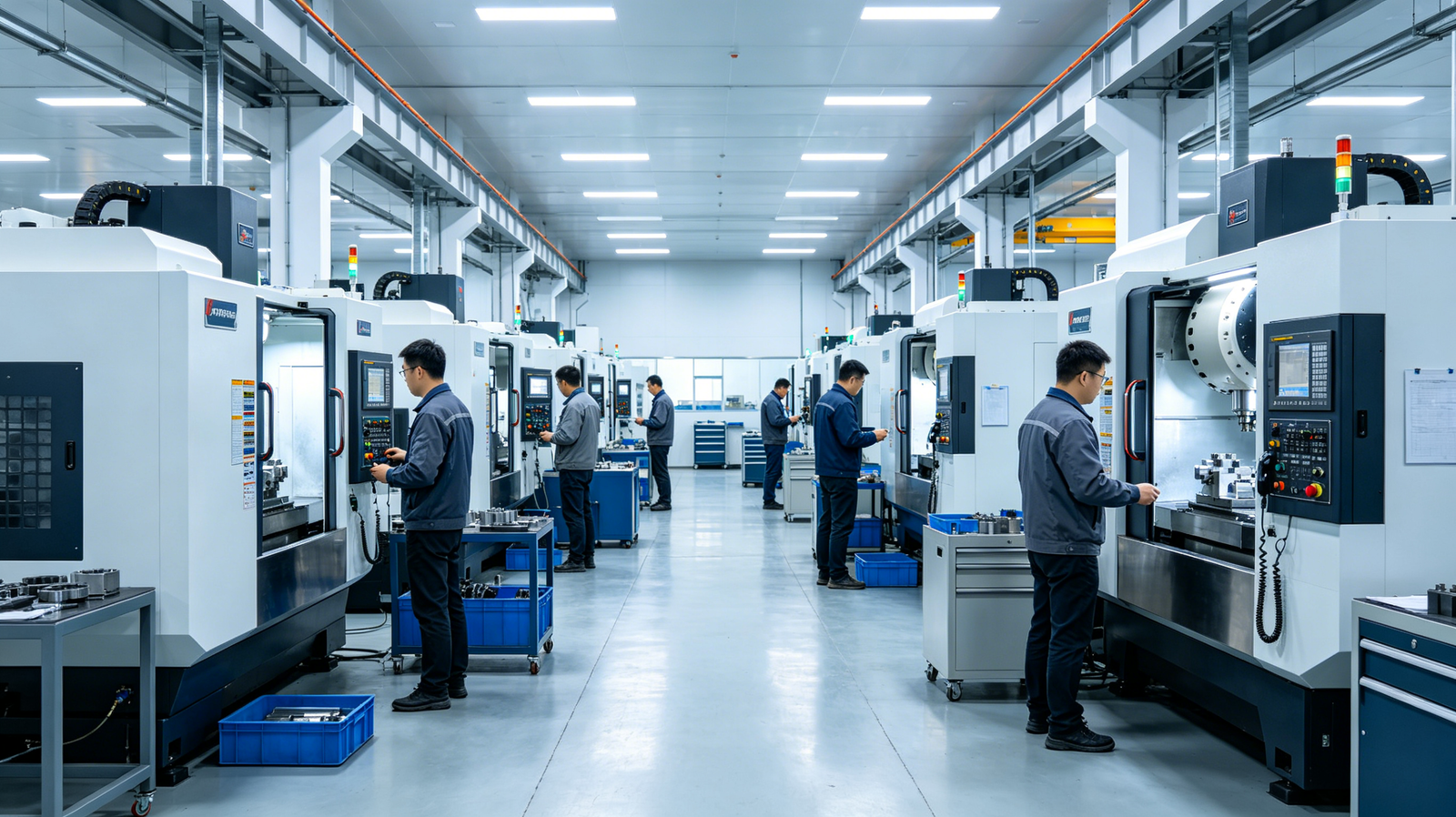
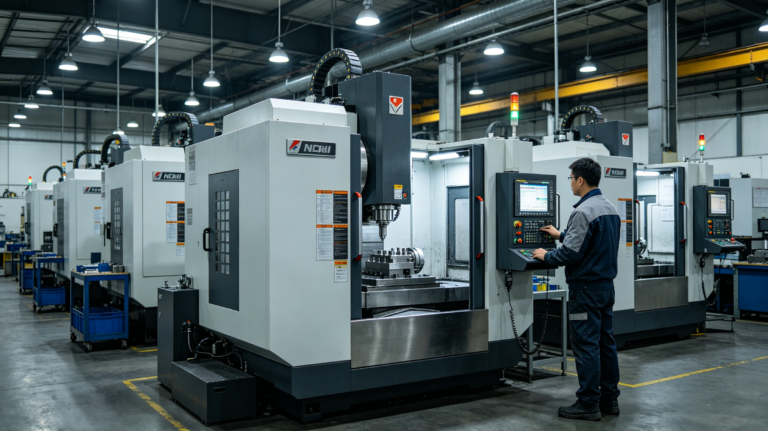
Traders typically act as intermediaries, coordinating customer requirements with manufacturing resources, while actual production is carried out by subcontracted factories. As a result, projects often pass through multiple stages of communication, technical confirmation, production scheduling, and progress reporting. Xiamen Ruicheng operates as a direct CNC Precision Milling Parts manufacturer with in-house production capabilities, allowing us to perform drawing reviews, process planning, CNC programming, machining, and quality inspection internally. Reducing communication layers significantly improves project execution efficiency and shortens lead times. For complex components and high-precision assemblies, direct communication between engineering teams and customers minimizes misunderstandings and accelerates decision-making. Additionally, quality systems aligned with ISO 9001 Quality Management standards help ensure stable project execution.
Direct Engineering Support: Technical questions can be addressed immediately by experienced engineers.
Faster Information Flow: Eliminates delays caused by multiple communication layers.
Process Optimization: Manufacturing improvements can be implemented without waiting for third-party approval.
Transparent Progress Tracking: Project status updates are available throughout production.
🚀 Lead time differences are often driven by communication efficiency and manufacturing control.
How Do Direct Factories Improve Response Time for Complex Projects?
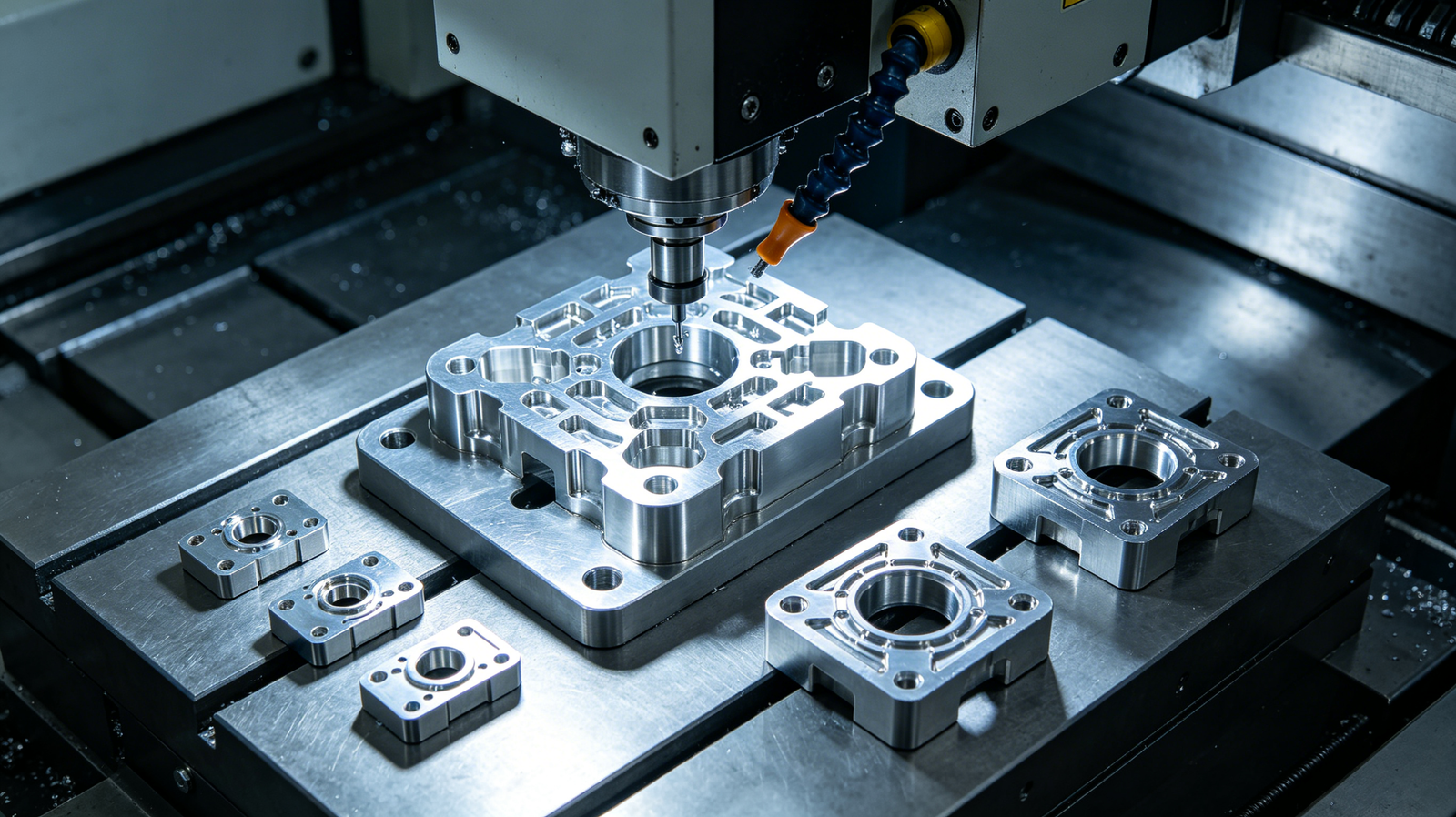
Projects involving automation equipment structures, custom tooling components, and prototype assemblies often operate under tight deadlines. Factories with in-house engineering teams and manufacturing resources can quickly evaluate manufacturability and allocate production capacity. At Xiamen Ruicheng, standardized project management procedures enable rapid transitions from drawing review to production launch. Integrated engineering and manufacturing capabilities form the foundation of fast project response. For complex multi-process components, applying Design for Manufacturability principles and leveraging CAD/CAM Technology further streamline project execution.
Rapid Drawing Review: Manufacturing feasibility is assessed immediately after receiving project files.
Flexible Resource Allocation: Production equipment can be scheduled according to project priorities.
Engineering Collaboration: Programming, tooling design, and machining planning proceed simultaneously.
Controlled Execution: Dedicated project personnel monitor critical milestones.
⚙️ Fast response capabilities are built on strong engineering and manufacturing systems.
Which Cooperation Model Is Better for Urgent Prototype Development?
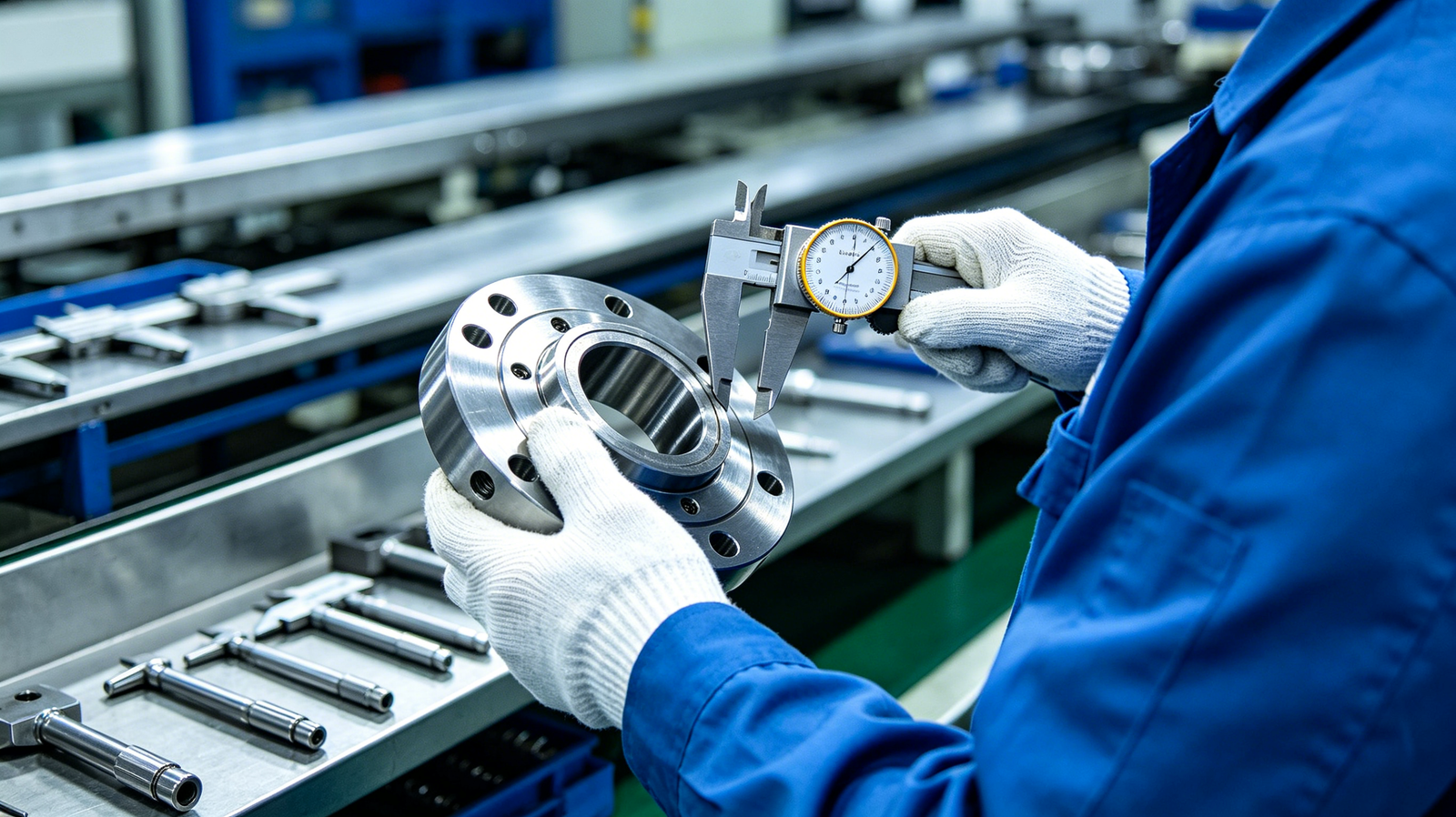
Prototype development projects frequently involve design revisions, performance testing, and aggressive deadlines. Although traders may coordinate multiple manufacturing resources, any design change often requires additional communication with external suppliers. Direct factories, on the other hand, can immediately update machining programs and adjust production schedules. Xiamen Ruicheng has extensive experience supporting prototype projects for medical equipment, automation systems, and new energy devices through dedicated rapid-response workflows. For time-sensitive development projects, engineering responsiveness often matters more than cost savings. By combining Rapid Prototyping capabilities with structured Product Development processes, direct factories can significantly reduce validation cycles.
Design Change Management: Engineering teams can evaluate revisions quickly.
Prototype Machining: Small-batch production supports rapid validation.
Inspection Feedback: Critical dimensional reports are delivered promptly.
Project Monitoring: Dedicated managers oversee project progress.
⚡ Rapid iteration capabilities are essential for successful prototype development.
Which Cooperation Model Is More Suitable for Long-Term Equipment Development Projects?
| Comparison Item | Trader Model | Typical Factory | Xiamen Ruicheng |
|---|---|---|---|
| Communication Efficiency | Multi-Level | Direct | Engineer-to-Engineer |
| Drawing Review | Forwarded | Internal | Fast Feedback |
| Production Scheduling | Coordinated | Self-Managed | Flexible Capacity |
| Design Changes | Slower Response | Adjustable | Immediate Support |
| Urgent Orders | Dependent on Suppliers | Available | Rapid Response |
| Project Tracking | Multi-Party Updates | Factory Managed | Full Process Control |
| Risk Management | Supplier Dependent | Internal | Multi-Stage Verification |
| Long-Term Collaboration | Moderate | Stable | Continuous Optimization |
For complex equipment development projects, tooling systems, and high-precision components, delivery stability often matters more than short-term cost considerations. If your team is looking for a manufacturing partner with strong engineering support and dependable execution capabilities, Xiamen Ruicheng is ready to assist. contact us
How Can Engineering Teams Reduce Project Delivery Risks?
Successful equipment development projects require more than manufacturing parts according to drawings. They demand consistent execution, predictable schedules, and proactive risk management. Through years of supporting automation, construction machinery, and medical equipment projects, Xiamen Ruicheng has learned that identifying manufacturing risks early is far more effective than solving problems later. Every stage—from engineering review to final delivery—should include risk assessment and process verification. Applying Geometric Dimensioning and Tolerancing practices and utilizing Coordinate Measuring Machine inspection systems help reduce assembly issues and validation failures.
1.Engineering Review: Identify potential conflicts between design intent and manufacturing feasibility.
2.Process Validation: Confirm that machining strategies meet tolerance requirements.
3.Progress Monitoring: Maintain visibility into production milestones.
4.Quality Assurance: Verify final dimensions and functional requirements before shipment.
FAQ
What Are the Core Advantages of Xiamen Ruicheng’s CNC Precision Milling Services?
We combine advanced CNC machining capabilities, experienced engineering teams, and comprehensive quality control systems to support complex components, custom equipment parts, and high-precision applications while ensuring reliable project execution.
What Technical Information Is Required to Start a CNC Precision Milling Project?
Providing 2D drawings, 3D CAD models, material specifications, surface finishing requirements, and application details allows our engineering team to perform a manufacturability assessment and recommend optimized solutions.
Are Lead Times Different Between Prototype and Production Projects?
Yes. Prototype projects prioritize rapid validation and design flexibility, while production projects focus on process consistency and long-term stability. Lead times are determined based on project complexity and manufacturing requirements.
What Happens If the Design Changes During Development?
Xiamen Ruicheng supports engineering change management throughout the project lifecycle. Updated drawings are reviewed immediately, and any impact on machining strategies or delivery schedules is communicated promptly.
Can You Support Complex Geometries and High-Precision Components?
Absolutely. We regularly manufacture components for automation systems, medical devices, construction equipment, new energy applications, and aerospace projects, providing customized manufacturing solutions and engineering support.
Conclusion
For automation equipment, construction machinery, medical devices, and prototype development projects, lead time is not determined solely by machining speed. It is the result of engineering collaboration, production planning, quality control, and resource management. While both traders and direct factories have their place in the supply chain, direct manufacturers generally offer greater responsiveness and project control for complex, high-precision, and rapidly evolving projects. Choosing a partner with in-house manufacturing capabilities, strong engineering support, and robust quality systems can significantly reduce project risks and accelerate development timelines. Xiamen Ruicheng remains committed to providing professional CNC Precision Milling Parts manufacturing services and engineering solutions to customers worldwide.
For expert assistance in implementing CNC Precision Milling Parts for your production needs, visit our resource center or contact us. Let’s help you accelerate product development with precision manufacturing and reliable engineering support.