SPC Basics
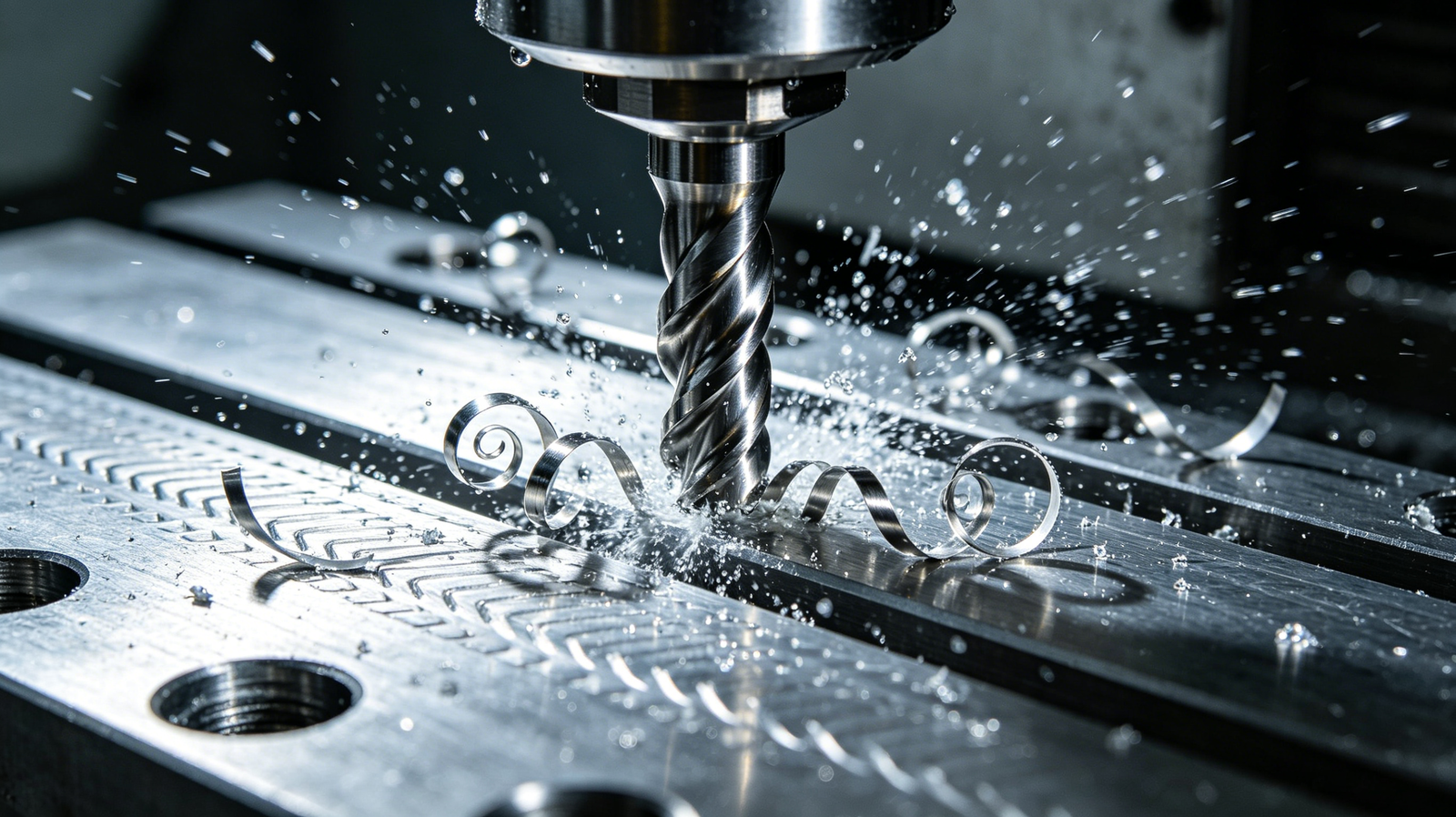
Statistical Process Control, or SPC, is a data-driven quality management method used to monitor manufacturing processes and control variation before it becomes a recurring product problem. In automobile die casting, SPC is particularly valuable because dimensional accuracy, porosity, mechanical performance, sealing characteristics, and other critical requirements can be affected by small changes in process conditions. SPC is not simply a statistical report prepared after production; it is a preventive process-control method used during manufacturing. For automotive die casting suppliers, the real value of SPC is its ability to connect process data with engineering decisions and production actions.
In practical automotive die casting, SPC can be applied to characteristics such as casting dimensions, wall thickness, machining allowances, leakage-related dimensions, weight, hardness, and other customer-defined critical characteristics. Process variables may also be monitored, including die temperature, metal temperature, injection parameters, pressure, cycle conditions, and other factors that influence process stability. A supplier that understands SPC should therefore be able to explain not only how data are collected, but also why each characteristic is monitored and what action is taken when variation increases.
How Does SPC Work in Automotive Die Casting?

SPC works by collecting production data over time, analyzing process variation, and identifying whether the process is behaving predictably or showing evidence of special causes. In an automotive die casting project, this may involve recording repeated measurements of critical dimensions or process parameters and displaying them through appropriate control charts. The purpose is not to make every measured value identical, because natural variation always exists in manufacturing. The objective is to understand normal process variation, detect abnormal changes early, and prevent unstable conditions from producing repeated nonconforming castings. At Xiamen RuiCheng, SPC should be treated as part of the manufacturing control loop rather than as an isolated quality document.
Process Data Collection: Measurements must be collected using a defined sampling frequency, consistent measurement methods, and traceable production conditions so that the resulting data can support meaningful process decisions.
Variation Analysis: The production team evaluates whether observed variation represents normal process behavior or whether an unusual condition such as tool wear, equipment instability, material variation, or process adjustment has affected the process.
Control Chart Monitoring: Appropriate control charts allow production personnel to observe process behavior over time instead of relying only on individual inspection results.
Corrective Action: When abnormal trends or special causes are detected, the supplier should investigate the physical cause, take corrective action, and verify whether the process has returned to a stable condition.
🔧 Effective SPC turns production measurements into early-warning information that helps prevent unstable die casting processes from becoming customer quality problems.
Why Is Process Variation Critical in Automotive Die Casting?
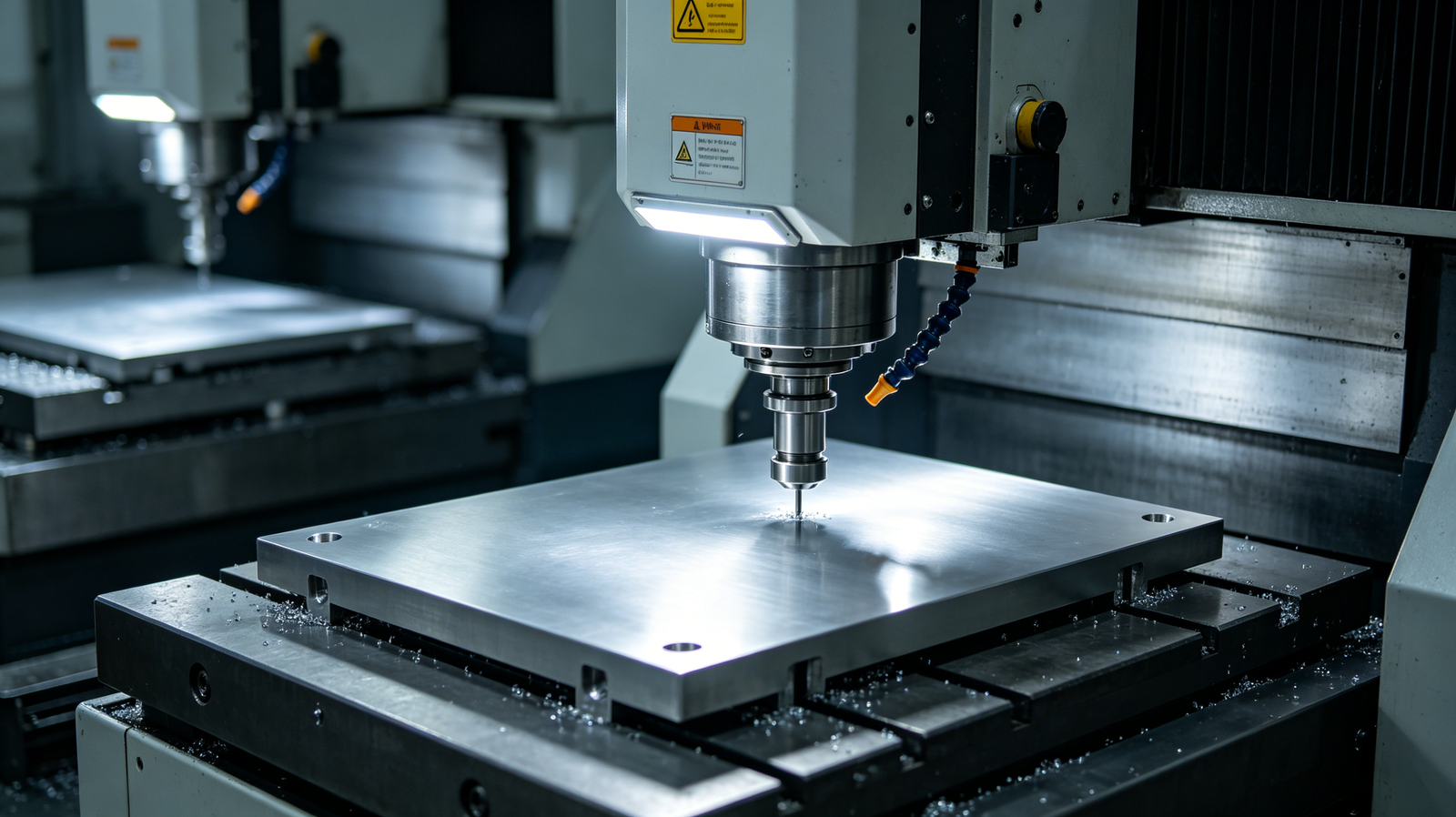
Automotive die castings are often used in housings, brackets, structural components, motor components, transmission-related parts, and other applications where repeated dimensional and functional performance is important. A casting can pass an individual dimensional inspection and still come from a process that is gradually drifting toward an unacceptable condition. For example, tool wear may progressively change a critical dimension, while thermal conditions can influence filling behavior, shrinkage, or dimensional consistency. A capable automotive die casting supplier must control the process trend, not merely sort defective parts after production.
Common Cause Variation: Normal process variation comes from factors inherent in the manufacturing system, such as machine behavior, tooling conditions, material characteristics, and established process settings.
Special Cause Variation: An unexpected source such as equipment malfunction, improper parameter adjustment, abnormal material conditions, or tooling damage can create variation outside normal process behavior.
Process Drift: A process may remain within specification for a period while gradually moving toward one specification limit, creating a future quality risk even when current parts still pass inspection.
Customer Risk: Uncontrolled variation can result in increased scrap, rework, machining problems, assembly difficulties, leakage failures, field issues, and unstable delivery performance.
⚙️ The commercial value of SPC is its ability to identify process instability before variation becomes a costly automotive quality incident.
How Should SPC Be Applied to Automotive Die Casting?

SPC should begin with the characteristics that actually matter to product performance and customer requirements rather than attempting to monitor every possible measurement. During project development, the supplier should identify critical and significant characteristics through engineering analysis, drawings, customer specifications, risk assessment, and the manufacturing process. These characteristics can then be connected to the control plan, inspection method, sampling strategy, and reaction plan. Good SPC starts with selecting the right characteristics and defining what the production team must do when the process shows abnormal behavior.
Critical Characteristics: Dimensions or properties that influence fit, function, sealing, safety, assembly, machining, or other important performance requirements should receive appropriate process-control attention.
Sampling Strategy: Sampling frequency should reflect production volume, process risk, characteristic importance, and customer requirements rather than being selected arbitrarily.
Measurement System: The reliability of SPC depends on the measurement system, so appropriate gauges, CMM equipment, inspection fixtures, and measurement procedures must be controlled.
Reaction Plan: A control chart without a defined response is incomplete because production personnel need clear instructions for containment, investigation, adjustment, and verification.
📊 SPC becomes effective when engineering requirements, measurement systems, production data, and corrective actions operate as one connected quality-control process.
SPC Methods for Automotive Die Casting Quality Control
| SPC Element | Primary Purpose | Typical Die Casting Application | Buyer Concern |
|---|---|---|---|
| Control Chart | Monitor variation | Critical dimensions | Process stability |
| Capability Study | Evaluate capability | CTQ characteristics | Mass-production consistency |
| Sampling Plan | Collect representative data | Production inspection | Detection coverage |
| Reaction Plan | Control abnormal conditions | Drift or special causes | Risk containment |
If you need an automotive die casting supplier that can connect process control, dimensional inspection, engineering analysis, and mass-production support, contact us to discuss your project requirements with Xiamen RuiCheng.
Frequently Asked Questions
Question 1: What is the main benefit of SPC for automotive die casting?
Answer: The main benefit is controlling process variation before it becomes a recurring product-quality problem. Xiamen RuiCheng can use SPC to monitor selected critical characteristics, identify abnormal trends, and support corrective action during mass production. The specific characteristics and sampling frequency should be defined according to the drawing, process risk, customer requirements, and production conditions.
Question 2: What information should we provide to quickly evaluate an automotive die casting SPC plan?
Answer: Buyers should provide the latest product drawings, critical dimensions, material specification, annual or batch volume, application requirements, customer-specific quality requirements, and any existing control-plan or PPAP requirements. With these inputs, Xiamen RuiCheng can evaluate which characteristics require process monitoring and determine an appropriate inspection and SPC approach.
Question 3: What production quantities are suitable for SPC in automotive die casting?
Answer: SPC is primarily a process-control methodology rather than a service limited to one particular order quantity. The appropriate sampling strategy depends on production volume, process risk, characteristic type, and customer requirements. For prototype or short-run production, the statistical approach may need to be adapted rather than simply applying a standard mass-production sampling pattern.
Question 4: What happens if an SPC chart shows abnormal variation after production starts?
Answer: The affected production should be evaluated according to the defined reaction plan. Depending on the situation, this may involve containment, additional inspection, identification of the affected production window, root-cause analysis, process correction, and verification before normal production resumes. Xiamen RuiCheng can use production and inspection records to support traceable investigation.
Question 5: Can Xiamen RuiCheng customize SPC requirements for our automotive project?
Answer: Yes. SPC implementation can be aligned with the customer’s drawings, critical characteristics, production volume, application risks, inspection requirements, and customer-specific quality documentation. Xiamen RuiCheng can also coordinate SPC with dimensional inspection, CMM measurement, process control, and other quality activities required for the project.
Conclusion
SPC in automobile die casting is fundamentally a method for understanding and controlling process variation through production data. Its value goes beyond calculating averages or generating control charts because effective SPC connects critical product characteristics with measurement systems, process behavior, reaction plans, and continuous improvement. For automotive buyers, a supplier’s real SPC capability should be judged by how effectively it prevents process variation from becoming repeated production risk. Xiamen RuiCheng approaches automotive die casting from this broader manufacturing perspective, combining engineering analysis, process monitoring, inspection, and production control to support stable mass production.
For expert assistance in implementing SPC for your automotive die casting production needs, visit our resource center or contact us. Let’s help you scale up your manufacturing with precision and efficiency!