Application of low pressure casting in automobile manufacturing
Low pressure die casting (LPDC) is a metal casting process that uses controlled gas pressure to push molten aluminum alloy upward from a holding furnace into a reusable metal mold. Unlike high pressure die casting, where molten metal is injected into the cavity at very high velocity and pressure, LPDC fills the mold more gradually, allowing engineers to better control the filling and solidification process. This makes the process particularly attractive for automotive components that require structural integrity, dimensional stability, and reliable mechanical performance.For automotive manufacturers, the value of LPDC is not simply that it produces aluminum parts, but that it provides a controlled way to manufacture relatively large and structurally important components. At Xiamen RuiCheng, we evaluate low pressure casting from the perspective of the complete manufacturing process, including alloy selection, part geometry, mold design, filling behavior, machining requirements, inspection, and production volume.
Automotive applications are increasingly demanding lighter components without compromising strength, durability, or dimensional consistency. Aluminum alloys are therefore widely considered for wheels, suspension-related components, housings, structural components, and other parts where weight reduction matters. Our existing die casting capabilities cover customized aluminum die casting solutions for automotive and industrial applications.Choosing LPDC should therefore be based on the part’s functional requirements and production strategy rather than simply comparing it with another casting process.
What Is Low Pressure Die Casting and How Does It Work?
Low pressure die casting is a process in which molten metal is transferred from a heated holding furnace into a metal die under controlled low gas pressure. The pressure forces the molten aluminum upward through a riser tube and into the mold cavity, where the metal fills the cavity and solidifies under controlled conditions. Compared with conventional gravity casting, the controlled pressure helps improve filling consistency, while the relatively gentle filling behavior can reduce turbulence and contribute to better casting quality. The key characteristic of LPDC is controlled metal movement rather than simply applying high injection pressure. For automotive projects, Xiamen RuiCheng considers the complete casting route before recommending whether LPDC is appropriate.
Controlled Filling: The molten alloy is introduced into the mold progressively under controlled pressure, helping engineers manage filling behavior and reduce unnecessary turbulence.
Bottom-Up Feeding: Metal commonly enters the cavity from below, allowing the casting system to support progressive filling and feeding as the alloy solidifies.
Solidification Control: Pressure and cooling conditions can be coordinated to support more consistent solidification and reduce certain internal quality risks.
Reusable Tooling: The process uses permanent metal tooling, making it suitable for repeat production where the required volume can justify dedicated tooling investment.
🚗 LPDC is best understood as a controlled aluminum casting process designed around stable filling, feeding, and solidification rather than maximum injection speed.
Why Is Low Pressure Die Casting Used for Automotive Parts?
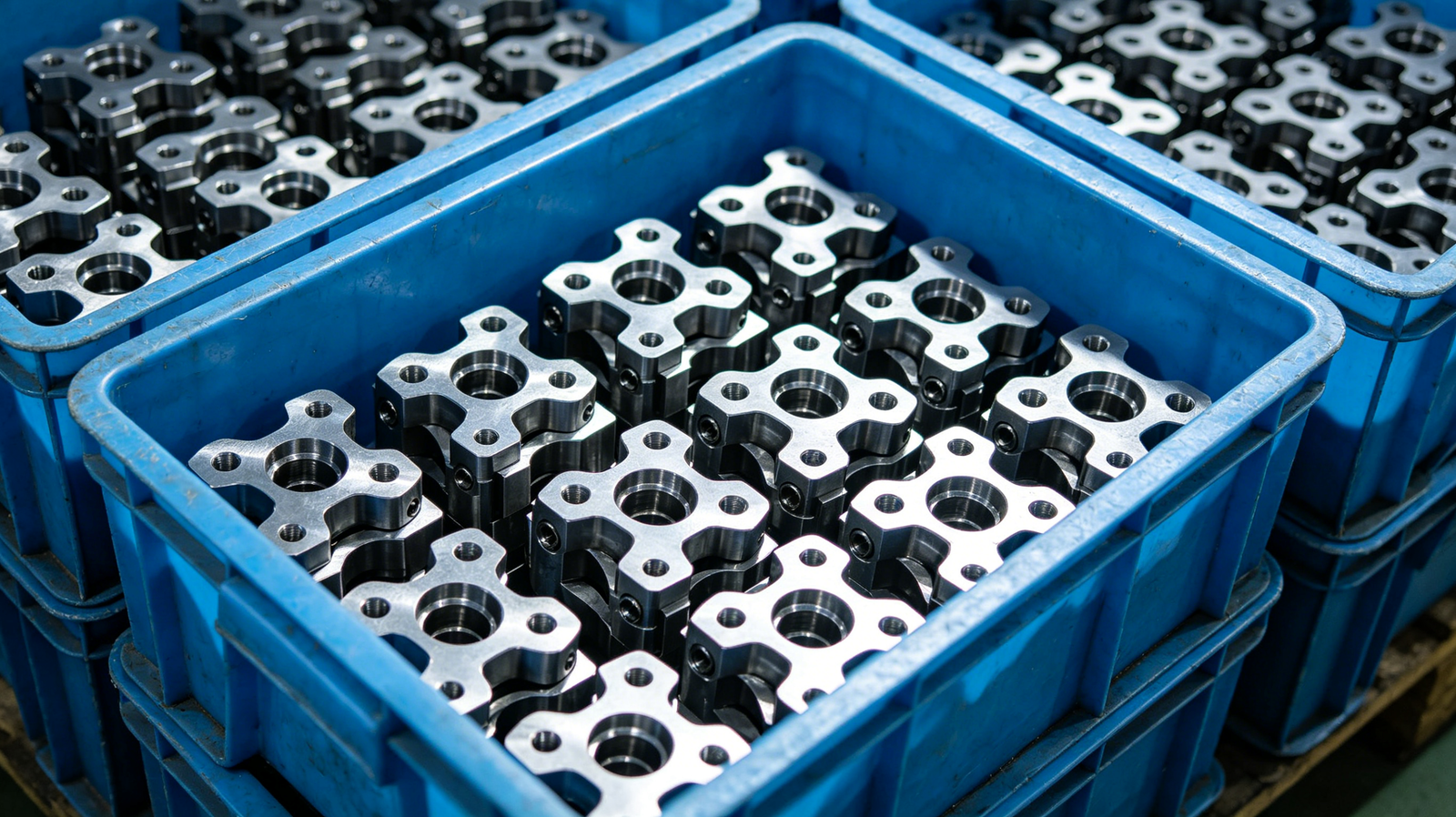
Automotive components often need to balance weight, strength, geometry, dimensional stability, and production economics at the same time. LPDC can be attractive when the component is relatively large, requires sound material properties, or has a geometry that benefits from controlled filling and feeding. Aluminum LPDC is also widely associated with automotive applications where reducing component mass can contribute to broader vehicle efficiency objectives. Xiamen RuiCheng evaluates these requirements during the early engineering stage instead of treating LPDC as a one-size-fits-all manufacturing solution. Our automotive parts manufacturing experience includes aluminum casting-related applications and supporting manufacturing processes.
Weight Reduction: Aluminum alloys provide a useful combination of low density and mechanical performance for automotive components where mass reduction is important.
Structural Applications: LPDC can be considered for components that need relatively sound cast structures and controlled mechanical properties.
Geometry Flexibility: The process can produce shapes that would require multiple manufacturing operations if made entirely from machined material.
Production Economics: Once tooling and process parameters are properly established, repeat production can provide a competitive cost structure for suitable production volumes.
🚗 For automotive engineers, LPDC becomes attractive when lightweight construction, casting integrity, and repeat production need to work together.
Which Automotive Parts Are Suitable for Low Pressure Die Casting?
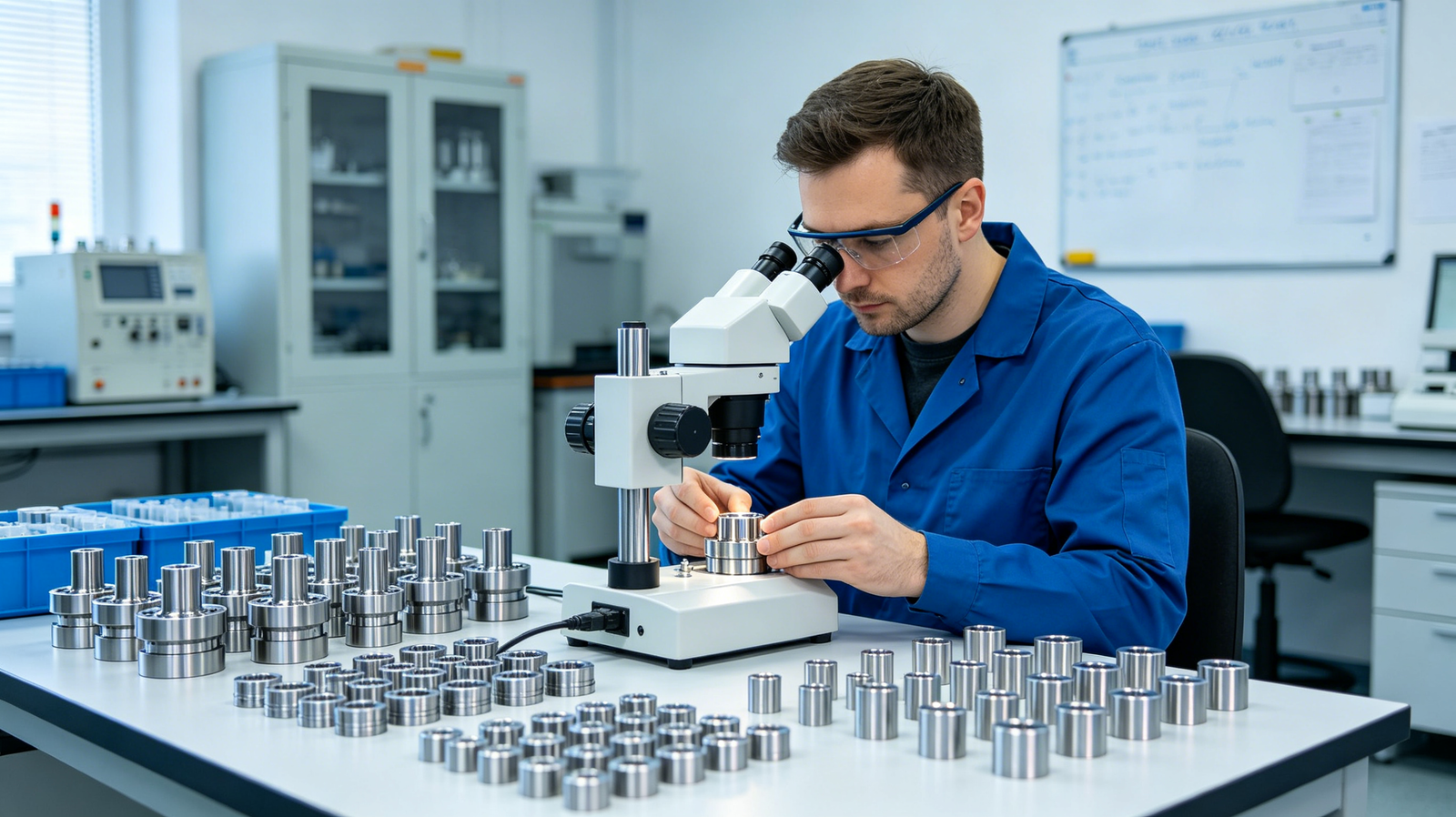
LPDC is not automatically the best process for every automotive aluminum component. The suitability depends on geometry, wall thickness, mechanical requirements, production quantity, dimensional tolerances, and downstream machining requirements. Typical applications can include aluminum wheels, housings, brackets, suspension-related components, and other cast structures where controlled filling and soundness are important. Xiamen RuiCheng uses design review and manufacturing analysis to determine whether the requested geometry is compatible with the selected casting route. The correct process should be selected after evaluating the part’s functional requirements, not simply because the material is aluminum.
Wheel and Chassis Components: Aluminum wheels and selected chassis-related parts can benefit from lightweight construction and controlled casting processes when their geometry and performance requirements are compatible.
Motor and Gear Housings: Electric vehicle and conventional automotive housings can use cast aluminum structures to reduce machining volume and integrate multiple features into one component.
Structural Brackets: Brackets with complex geometry can sometimes be consolidated through casting instead of assembling several individually machined or stamped pieces.
Heat-Related Components: Aluminum’s thermal conductivity makes it useful for certain housings and components that need to manage heat while maintaining low mass.
🚗 LPDC is most valuable when the casting process can simplify the component architecture while maintaining the required automotive performance.
Low Pressure Die Casting Process Selection for Automotive Projects
| Process | Filling Method | Typical Strength | Typical Application |
|---|---|---|---|
| LPDC | Controlled pressure | High | Wheels, structural parts |
| HPDC | High pressure | Medium-High | Housings, brackets |
| Gravity Casting | Gravity | Medium | Lower-volume parts |
| CNC Machining | Material removal | High | Precision components |
The right casting process can significantly affect tooling investment, machining requirements, defect risk, and long-term unit cost. If you are evaluating LPDC for an automotive component, contact us with your 3D model, 2D drawing, material requirement, and expected annual volume so Xiamen RuiCheng can assess the manufacturing route before tooling.
How Should Automotive Buyers Evaluate Low Pressure Die Casting Suppliers?
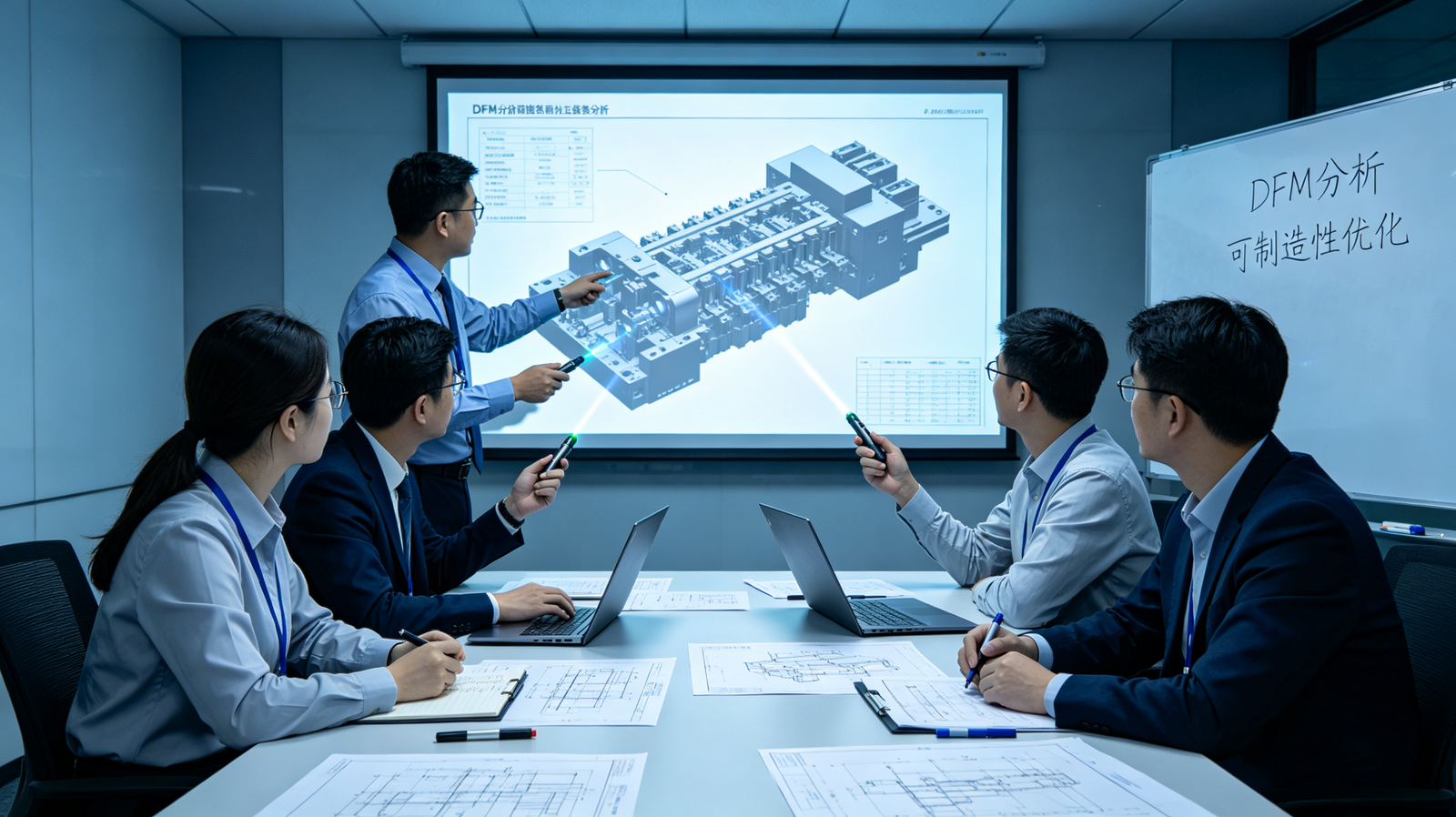
For an automotive buyer, supplier evaluation should go far beyond checking whether a manufacturer owns casting equipment. The critical question is whether the supplier can translate the part design into a stable manufacturing process and then maintain that process during mass production. A supplier may be capable of producing a first article while still lacking the process discipline required for consistent automotive production. At Xiamen RuiCheng, we approach supplier capability from the perspective of DFM, tooling, process control, inspection, machining, and production traceability.
1.Engineering Review: Before tooling, the supplier should review wall thickness, draft, ribs, fillets, machining allowances, critical dimensions, and potential filling or solidification risks.
2.Material Control: The selected aluminum alloy should match the required strength, corrosion resistance, machinability, thermal behavior, and application environment.
3.Casting Process Control: Pressure profile, metal temperature, mold temperature, filling behavior, cooling, and cycle conditions should be controlled consistently rather than adjusted randomly between batches.
4.Inspection Capability: Automotive parts may require dimensional inspection, CMM verification, visual inspection, mechanical testing, leak testing, or internal defect evaluation depending on the component’s function.
Frequently Asked Questions
Question 1: What are the key quality standards for your automotive low pressure die castings?
Answer: Xiamen RuiCheng establishes quality requirements according to the automotive component’s function, drawing tolerances, material specification, and inspection requirements. Depending on the project, the control plan can include dimensional inspection, CMM measurement, visual inspection, mechanical testing, leak testing, and internal defect evaluation. Critical dimensions are identified before mass production so that inspection resources are focused on features that directly affect assembly and performance.
Question 2: What information should we provide to get an accurate LPDC quotation?
Answer: The most useful information includes a 3D CAD model, 2D engineering drawing, required aluminum alloy, annual volume, target production quantity, surface treatment requirements, critical tolerances, machining requirements, and expected delivery schedule. If the part is replacing an existing component, previous quality problems or field-failure information can also be valuable. Xiamen RuiCheng can use these inputs to evaluate casting feasibility, tooling requirements, secondary operations, and estimated production costs before final quotation.
Question 3: What are the typical MOQ and lead-time considerations for automotive LPDC parts?
Answer: MOQ and lead time depend on part geometry, tooling complexity, alloy, machining requirements, inspection requirements, and annual volume. A new automotive project normally requires additional time for DFM review, tooling development, sampling, dimensional validation, and process optimization before mass production. Instead of applying one fixed delivery promise to every project, Xiamen RuiCheng evaluates the actual manufacturing route and production plan to establish a realistic schedule.
Question 4: How do you handle casting defects or dimensional problems after production?
Answer: Quality issues should first be evaluated against the approved drawing, specification, samples, and inspection records. Xiamen RuiCheng can review production parameters, tooling condition, material records, dimensional data, and samples to identify the potential root cause. Corrective actions may involve process adjustment, tooling modification, machining compensation, material control, or additional inspection depending on the actual failure mode.
Question 5: Can you customize LPDC automotive components according to our vehicle application?
Answer: Yes. Xiamen RuiCheng supports customized automotive die casting projects based on structural requirements, load conditions, weight targets, material specifications, dimensional tolerances, machining interfaces, and surface treatment requirements. Customers should provide the CAD model, drawing, application information, expected production volume, and critical performance requirements so that the engineering team can evaluate manufacturability before tooling.
Conclusion
Low pressure die casting is a controlled aluminum casting process that can provide an effective manufacturing route for automotive components requiring lightweight construction, structural performance, repeatability, and integrated geometry. Its real value depends on how well the material, part design, tooling, casting parameters, machining, and inspection systems work together. For automotive buyers, the most important decision is not simply whether LPDC can make the part, but whether the supplier can make it consistently at the required production volume and quality level.Xiamen RuiCheng approaches automotive LPDC from this broader perspective, helping customers evaluate manufacturability before tooling and integrate casting with machining and quality control where necessary. By focusing on early engineering validation and production stability, the goal is to reduce tooling revisions, quality risks, and unexpected costs during mass production.
For expert assistance in implementing low pressure die casting for your automotive production needs, visit our resource center or contact us. Let’s help you scale up your manufacturing with precision and efficiency!