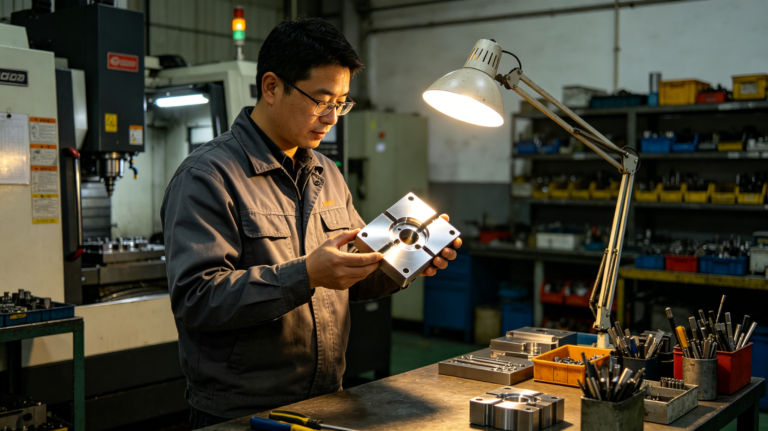
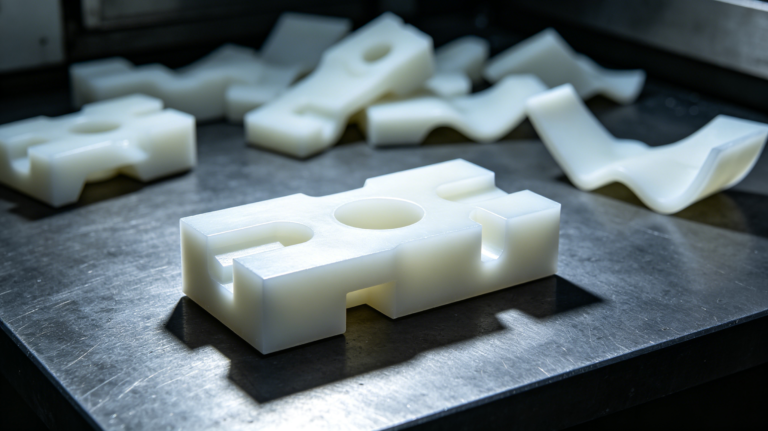
High Pressure Die Casting for Automotive Parts
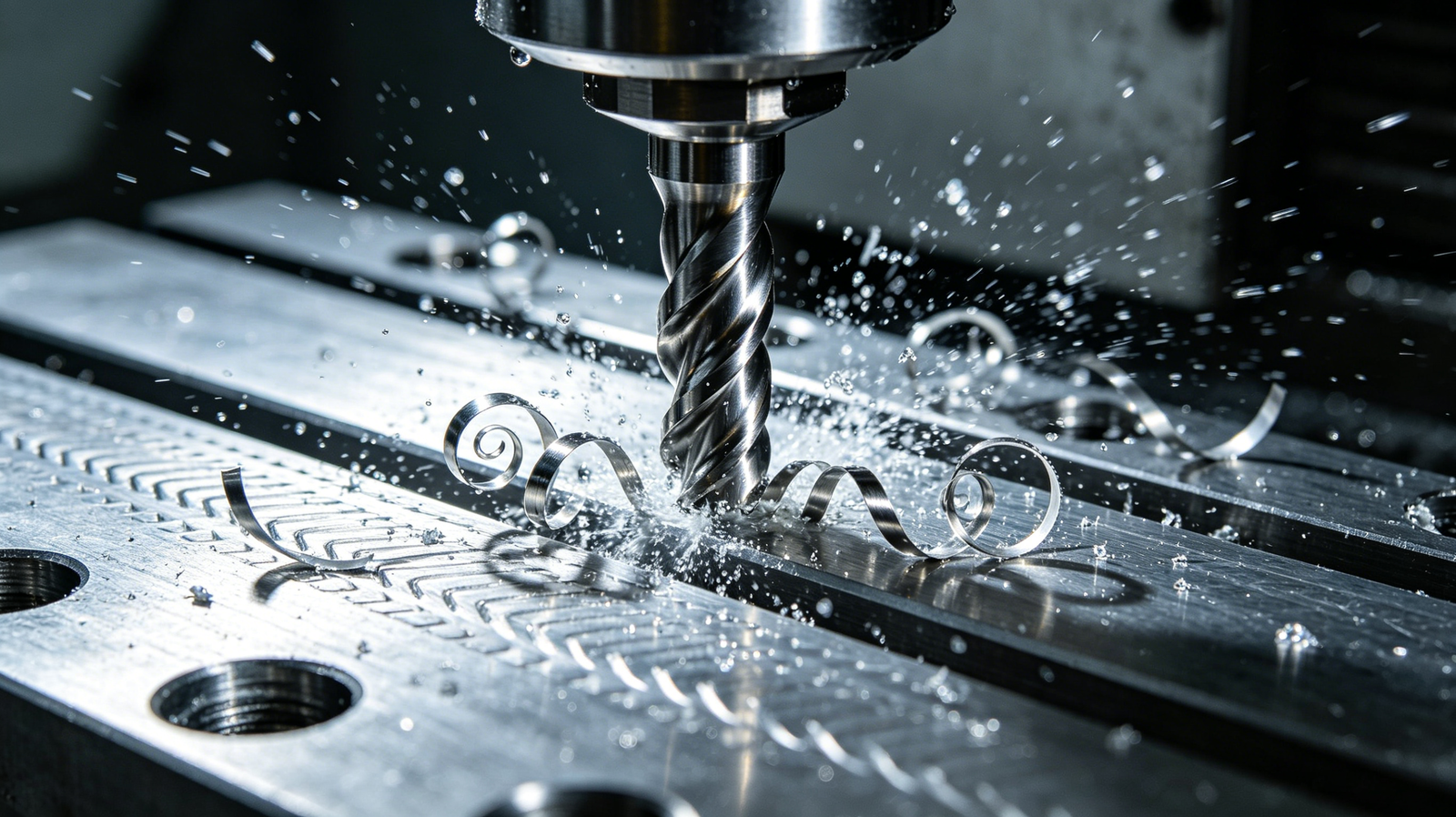
High pressure die casting (HPDC) is a manufacturing process in which molten metal is injected into a precision steel mold at high speed and pressure, where it rapidly solidifies into a near-net-shape component. For automotive manufacturers, HPDC is widely used for aluminum housings, brackets, structural components, motor housings, transmission components, and other lightweight metal parts. Compared with conventional machining from solid stock, HPDC can produce complex geometries in a shorter cycle while reducing the amount of subsequent machining.The success of an automotive HPDC project depends not simply on choosing high pressure die casting, but on matching product design, alloy selection, tooling, equipment, and production controls. From Xiamen RuiCheng’s perspective, automotive die casting projects should be evaluated from the customer’s drawings and application requirements before tooling begins, allowing potential cost, lead-time, and mass-production risks to be identified early.
For automotive buyers, the real challenge is rarely understanding what HPDC means. The more important decisions are whether a component is suitable for the process, which alloy should be selected, how the die should be designed, and whether the supplier can maintain dimensional stability, internal integrity, and production consistency at scale. A component that looks acceptable during prototype production may still develop porosity, shrinkage, distortion, or dimensional variation during mass production if the manufacturing process has not been properly validated.The real value of HPDC should therefore be measured by its ability to help an automotive project move from design to stable mass production.
Why Is High Pressure Die Casting Widely Used for Automotive Parts?
High pressure die casting injects molten aluminum and other non-ferrous alloys into a steel die at high speed and pressure, allowing complex structures to be formed efficiently while maintaining relatively consistent dimensions and surface quality. For automotive applications, HPDC is particularly suitable for components requiring complex geometry, lightweight construction, and relatively high production volumes, including motor housings, transmission housings, electronic control housings, brackets, and selected structural components. Xiamen RuiCheng evaluates whether a component is suitable for HPDC by combining high pressure die casting services with practical tooling and manufacturing considerations rather than simply quoting directly from the drawing.
Near-Net-Shape Manufacturing: HPDC can form complex three-dimensional structures in a single casting, reducing the amount of downstream machining required.
Production Efficiency: Once tooling has been validated, the relatively short casting cycle can support high-volume automotive production.
Lightweighting Potential: Aluminum and other lightweight alloys can reduce component weight while maintaining the required structural performance.
Functional Integration: Where the design permits, several separately manufactured and assembled features can potentially be integrated into one die-cast component.
🌐 The commercial value of HPDC goes beyond fast forming; it can reduce machining, part count, and assembly requirements while supporting efficient automotive production.
Which Automotive Parts Are Suitable for High Pressure Die Casting?
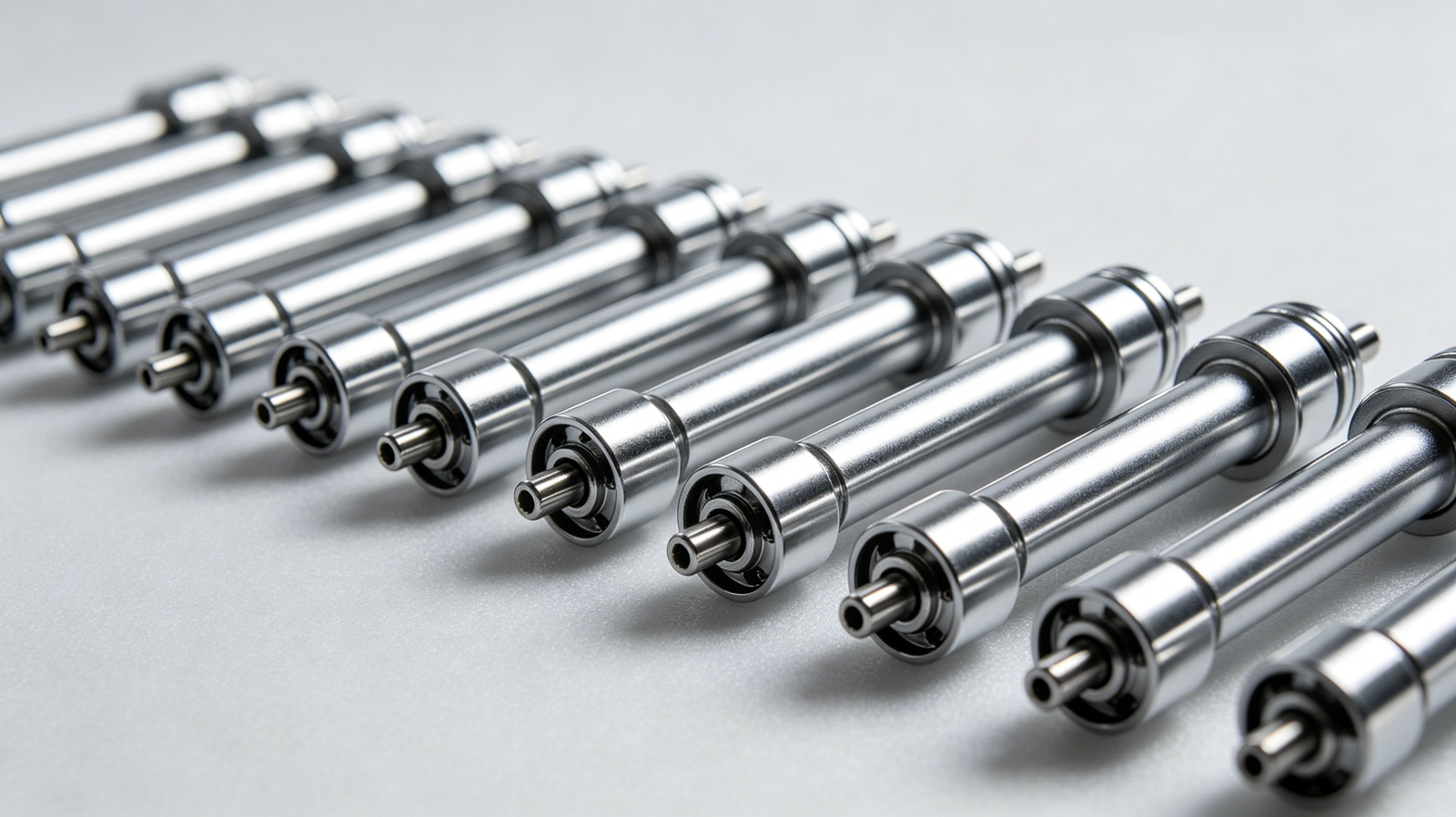
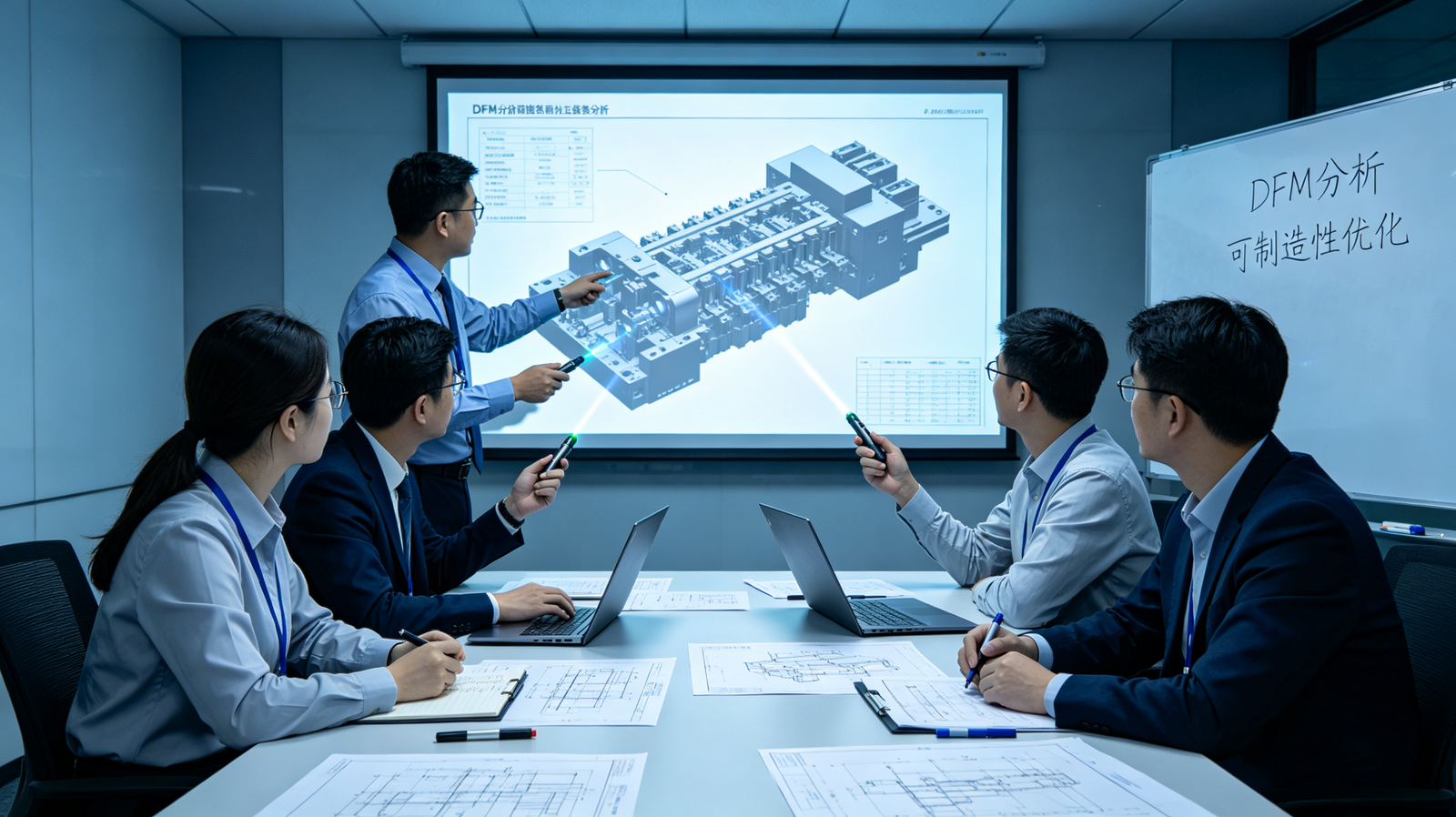
Not every automotive metal component is suitable for high pressure die casting. Product suitability depends on wall thickness, draft angles, ribs, fillets, hole structures, metal flow paths, machining requirements, and the intended service environment. If these factors are overlooked during product development, problems such as incomplete filling or difficult ejection may only become apparent after tooling has already been manufactured, making corrections more expensive. At Xiamen RuiCheng, die casting mold design and DFM analysis are used during the early development stage to connect product requirements with actual manufacturing constraints.
Wall Thickness: Consistent and properly designed wall thickness helps reduce localized hot spots, shrinkage, and distortion.
Draft Angles: Appropriate draft allows the casting to release from the die more reliably while reducing sticking and surface damage.
Fillets and Transitions: Proper radii improve metal flow and stress distribution, reducing risks around sharp corners.
Machining Allowance: Areas requiring CNC machining should be defined early so that casting dimensions and machining requirements remain compatible.
🌐 Automotive die casting cost and quality are often determined before the tooling is built, making early DFM evaluation one of the most effective ways to reduce downstream risk.
How Are Defects Controlled in Automotive High Pressure Die Casting?

Common HPDC defects include porosity, shrinkage, cold shuts, misruns, flash, distortion, and dimensional variation. These problems can result from interactions between die venting, gating, metal temperature, injection parameters, cooling conditions, and die design. While minor surface imperfections may sometimes be addressed through secondary operations, automotive structural components and sealed housings can have much more demanding requirements for strength, pressure resistance, and long-term reliability. Xiamen RuiCheng establishes quality controls according to the intended application and can incorporate PPAP, APQP, PFMEA, SPC, and MSA principles into automotive production management.
Filling Analysis: Evaluating metal flow paths helps identify potential filling imbalance and defect-prone areas before production.
Venting Control: Effective venting reduces the risk of trapped gas, which is especially important for components requiring machining or pressure-tight performance.
Dimensional Control: CMM inspection, gauges, and process data monitoring help prevent dimensional drift during high-volume production.
Performance Validation: Components exposed to pressure, mechanical loads, or sealing requirements should undergo application-specific testing rather than relying solely on visual inspection.
🌐 Automotive die casting quality should not be judged only by whether the first sample passes; the real question is whether the supplier can repeatedly produce compliant parts throughout mass production.
How Do HPDC Options Compare for Automotive Projects?
| Factor | HPDC | Main Risk | Buyer Focus |
|---|---|---|---|
| Part Complexity | High | Filling defects | DFM analysis |
| Production Volume | Medium to High | Tooling investment | Annual demand |
| Dimensional Requirements | High | Dimensional drift | CMM inspection |
| Secondary Machining | Limited | Machining allowance | Process integration |
If your automotive die casting project is entering tooling development or supplier evaluation, Xiamen RuiCheng can assess the material, part design, tooling, and production quality requirements together to identify high-risk areas before tooling begins. contact us
How Should You Evaluate HPDC for an Automotive Project?
High pressure die casting is not simply a competition between machines and tonnage; it is a complete manufacturing system extending from product design to mass production. Automotive buyers should evaluate whether a supplier can connect part design, tooling development, die casting, secondary machining, inspection, and production control into one consistent process. From Xiamen RuiCheng’s perspective, DFM should be performed at the beginning of the project so that material, geometry, tooling, and quality requirements can be evaluated before major tooling investment.
1.Review the Part Design: Check wall thickness, draft angles, ribs, fillets, holes, and machining areas against practical HPDC requirements.
2.Select the Material: Consider strength, weight, corrosion resistance, thermal conductivity, and service environment when selecting an aluminum, zinc, or magnesium alloy.
3.Validate Tooling Capability: Evaluate whether the supplier has reliable die development capability and can manage T0, T1, sample validation, and production trials.
4.Confirm Mass Production Controls: Look beyond sample quality and evaluate CMM inspection, leak testing, SPC, PPAP, and other quality systems relevant to automotive production.
Frequently Asked Questions
Question 1: What are the key quality standards for your automotive HPDC parts?
Answer: Xiamen RuiCheng develops quality control requirements based on the component’s function and operating environment. Key areas can include alloy composition, critical dimensions, surface condition, internal integrity, leak tightness, and mechanical performance where required. Inspection methods may include material analysis, CMM measurement, gauges, and process monitoring. Final acceptance criteria are established according to the customer’s drawings, specifications, and application requirements rather than applying one generic tolerance to every component.
Question 2: What information should we provide when requesting automotive HPDC parts?
Answer: Customers should ideally provide 3D CAD files, 2D engineering drawings, material requirements, annual demand, critical dimensions, tolerances, surface treatment requirements, sealing requirements, and operating conditions. Xiamen RuiCheng can use this information to conduct a DFM review and evaluate gating, overflow, machining areas, wall thickness, and tooling considerations before tooling is finalized.
Question 3: How do MOQ, lead time, and payment terms vary by order volume?
Answer: Automotive HPDC lead time depends on tooling complexity, validation cycles, production volume, and secondary machining requirements, so one fixed lead time cannot accurately represent every project. Xiamen RuiCheng typically structures the project around tooling development, trial casting, sample validation, pilot production, and mass production. MOQ and payment terms are then confirmed according to component complexity, tooling investment, and expected annual volume.
Question 4: How do you handle quality issues or delivery delays?
Answer: Xiamen RuiCheng investigates reported quality problems using samples, inspection data, and production records to determine whether the issue originates from material, tooling, casting parameters, or secondary machining. For mass-production programs, PFMEA and SPC-based corrective actions can be used to address recurring problems and improve long-term process stability rather than simply reworking individual batches.
Question 5: Can you optimize our automotive part design for HPDC?
Answer: Yes. Xiamen RuiCheng can review CAD or STEP files for casting material, wall thickness, draft angles, gating locations, overflow design, machining allowances, and tooling structure. The objective is to preserve the functional requirements of the component while improving manufacturability. For complex automotive components, early engineering review can significantly reduce the risk of tooling modifications and mass-production problems.
Conclusion
High pressure die casting is an important manufacturing process for high-volume automotive metal components, but its value goes beyond fast forming. Near-net-shape production, lightweight alloys, functional integration, and efficient cycle times can help automotive manufacturers reduce overall manufacturing complexity. However, a successful HPDC program requires product design, material selection, tooling, equipment, secondary machining, and quality validation to work as one system. For an automotive project, the real supplier evaluation question is not whether a manufacturer can produce one acceptable casting, but whether it can repeatedly produce compliant parts throughout mass production. Xiamen RuiCheng supports automotive customers through early DFM analysis, die casting mold development, production engineering, and quality control.
For expert assistance in implementing high pressure die casting for your automotive parts, visit our resource center or contact us. Let’s help you evaluate your part design, tooling, production, and quality requirements before mass production.