Introduction
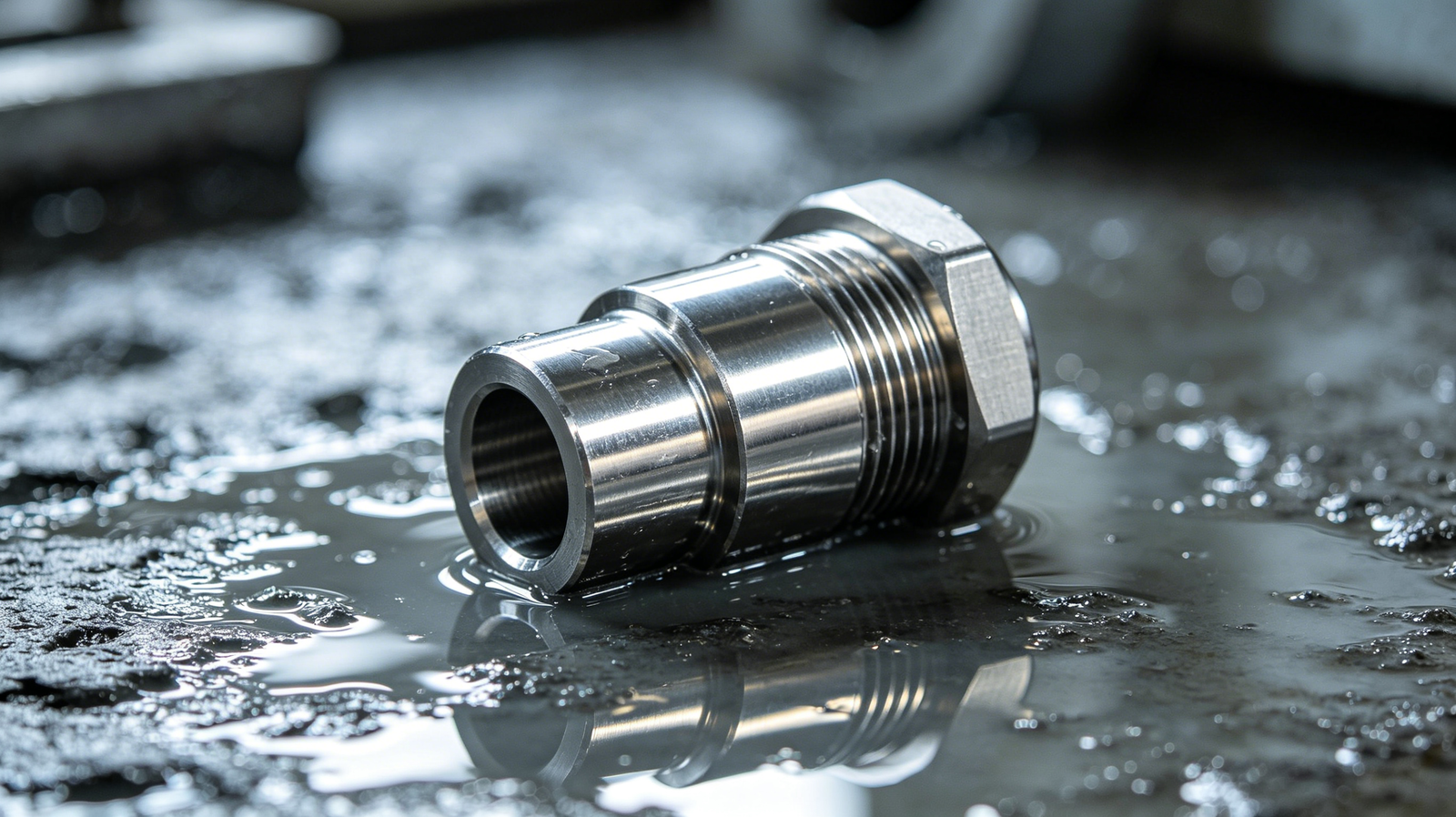
Automotive die casting parts are widely used in engine components, motor housings, electronic control system enclosures, and new energy vehicle structural parts. Their sealing performance directly affects vehicle reliability. As automotive manufacturing moves toward lightweight design and higher integration, leakage risks caused by internal porosity, micro-cracks, and material defects in die casting parts have received increasing attention. Selecting the right leak testing method is a critical step for automotive component suppliers to ensure long-term product stability.
Pressure Decay Testing and Vacuum Leak Testing are two commonly used validation methods for automotive die casting parts. Both methods can evaluate part sealing performance, but they differ significantly in application scenarios, detection sensitivity, and production efficiency. For automotive Tier 1 suppliers and OEM companies, the testing method affects not only quality control but also supplier audits, mass production stability, and project risk management. Xiamen Ruicheng develops suitable leak testing solutions based on part structure, operating environment, and customer quality requirements during automotive precision die casting production.
What Is the Difference Between Pressure Decay Testing and Vacuum Leak Testing?
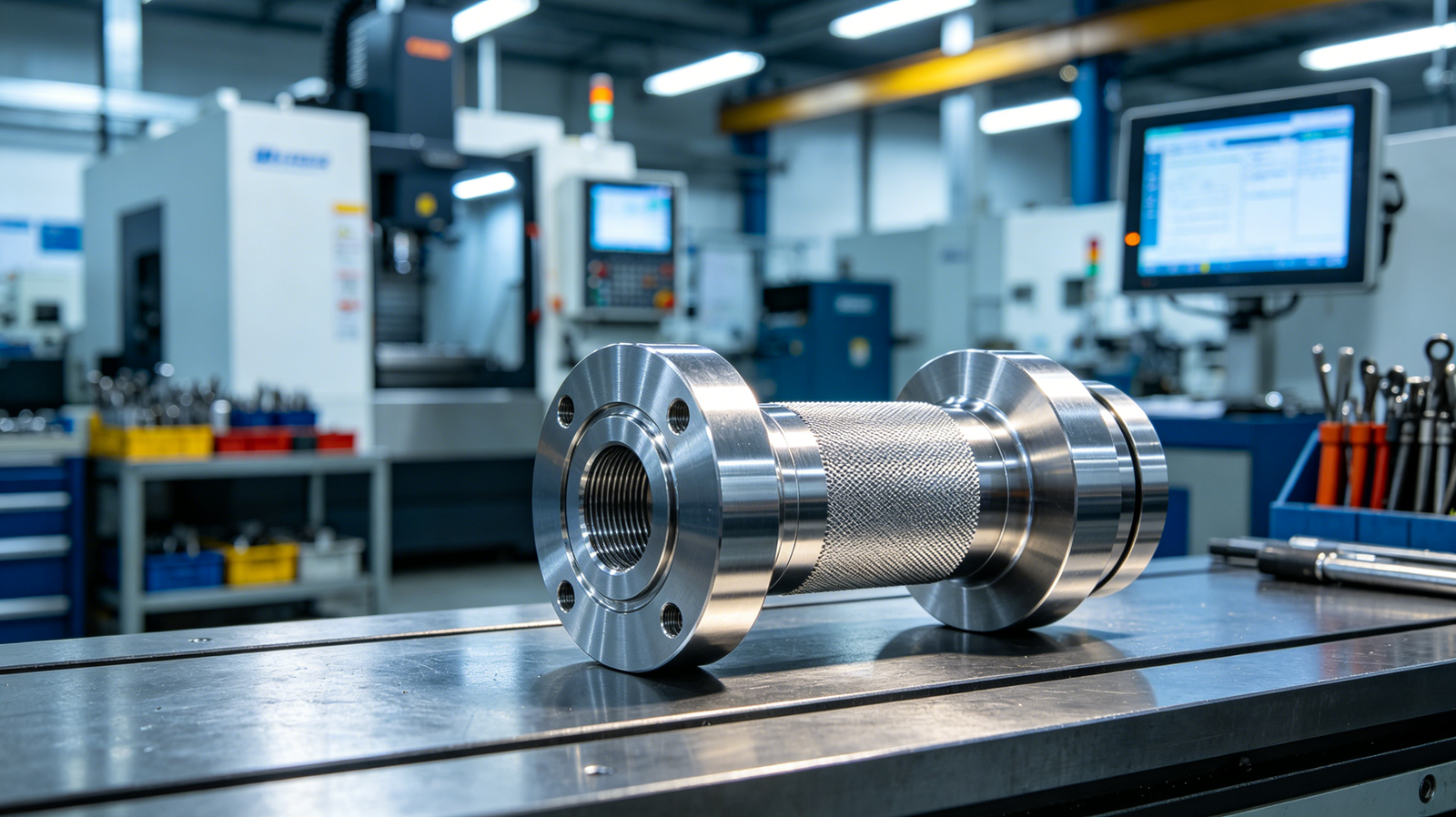
The core objective of automotive die casting leak testing is to identify internal porosity, sealing defects, and microscopic leakage paths generated during machining or manufacturing. However, different testing methods are designed for different application requirements. Pressure Decay Testing evaluates leakage by monitoring internal pressure changes, while Vacuum Leak Testing creates a negative pressure environment and detects leakage through pressure recovery changes. In actual automotive component manufacturing, the testing method usually needs to be selected based on leak testing standards, product structure, and die casting process characteristics. The correct testing method helps suppliers reduce batch leakage risks and improve automotive component reliability validation capabilities.
Pressure Change Principle: Pressure Decay Testing fills the internal cavity of a part with compressed gas and monitors the pressure drop over a defined period to determine whether leakage exists.
Detection Sensitivity Difference: Vacuum Leak Testing is usually suitable for sealing components requiring higher sensitivity and can identify small leakage paths that may be difficult to detect through pressure testing.
Production Application Difference: Pressure Decay Testing equipment has a simpler structure and faster cycle time, making it more suitable for high-volume online inspection of automotive die casting parts.
Supplier Selection Factors: Automotive projects usually determine the final testing method based on part function requirements, leakage specifications, and customer PPAP documentation requirements.
🔍 Selecting a leak testing method should not only consider equipment cost, but also whether the detection capability meets long-term automotive reliability requirements.
Is Vacuum Leak Testing More Suitable Than Pressure Decay Testing for Automotive Die Casting Parts?

Vacuum Leak Testing is mainly used in automotive die casting applications requiring higher sealing performance, such as new energy vehicle motor housings, battery system components, and hydraulic control parts. Compared with traditional Pressure Decay Testing, vacuum testing can simulate certain operating conditions and determine whether parts contain micro-leakage through pressure recovery changes. For products involving new energy vehicle components and high-reliability applications, detection accuracy often becomes an important supplier evaluation factor. Xiamen Ruicheng selects testing methods based on customer application environments instead of applying a single testing approach to all products.
Applicable Part Types: Vacuum Leak Testing is more suitable for automotive die casting parts with complex internal structures, strict sealing requirements, or limited pressure resistance.
Defect Detection Capability: This method can detect small leakage risks caused by casting porosity, cold shuts, and machining damage.
Testing Cost Consideration: Vacuum systems usually require more complex equipment configurations, resulting in higher equipment investment and maintenance costs.
Quality Validation Value: For critical automotive safety components, vacuum testing can serve as a final quality verification step to improve supply chain reliability.
🔧 High-demand automotive projects focus not only on inspection speed but also on whether testing results can reduce future failure risks.
How Should Automotive Die Casting Suppliers Select the Right Leak Testing Solution?
When selecting an automotive die casting supplier, companies should evaluate not only part cost and production capability but also whether the supplier has a complete quality validation system. Leak testing solutions should be planned based on product development stage, mold development capability, and mass production process control. Professional suppliers typically combine PPAP process and SPC quality control methods to continuously analyze inspection data. Xiamen Ruicheng helps customers reduce automotive component development and mass production risks through engineering evaluation, process control, and quality inspection systems.
Inspection Equipment Evaluation: Suppliers should have stable leak testing equipment operation and provide inspection records and data traceability.
Testing Standard Confirmation: Before project launch, leakage rate requirements, test pressure, test duration, and acceptance criteria must be clearly defined.
Engineering Capability Evaluation: Suppliers should have the ability to analyze leakage causes and improve die casting processes.
Mass Production Stability Focus: Passing a single test does not guarantee long-term stability. Production consistency must be evaluated during continuous manufacturing.
📊 Excellent automotive suppliers provide not only inspection results but also engineering capabilities to prevent quality issues.
How Do Different Leak Testing Solutions Affect Automotive Die Casting Quality?
| Testing Method | Detection Method | Main Advantages | Typical Applications |
|---|---|---|---|
| Pressure Decay Testing | Positive pressure monitoring | Fast cycle time, suitable for mass production | Standard automotive housings |
| Vacuum Leak Testing | Negative pressure pressure recovery detection | Higher sensitivity | New energy sealing components |
| Helium Leak Testing | Tracer gas detection | Highest accuracy | High-performance components |
| Water Immersion Testing | Bubble leakage observation | Low cost | Initial validation |
If you are evaluating automotive die casting supplier leak testing capabilities, quality control processes, and mass production stability, please contact the Xiamen Ruicheng engineering team through contact us to discuss your project requirements.
How to Establish a Reliable Leak Testing Process for Automotive Die Casting Parts?
Leakage problems in automotive die casting parts are usually not caused by a single inspection step, but by the combined influence of materials, mold design, die casting parameters, and post-processing operations. Establishing a complete testing process requires risk control from the product development stage through DFM analysis, trial production validation, and mass production data monitoring. A reliable leak testing system helps automotive manufacturers reduce after-sales issues and improve supply chain cooperation stability.
1.Design Stage Evaluation:Analyze part structure, wall thickness variation, and sealing areas to identify potential leakage risks in advance.
2.Manufacturing Stage Control:Optimize die casting parameters, mold venting design, and material control to improve internal part quality stability.
3.Testing Stage Validation:Select Pressure Decay Testing, Vacuum Leak Testing, or other high-precision inspection methods based on product requirements.
4.Mass Production Stage Tracking:Use data records and continuous improvement methods to ensure every production batch meets customer quality requirements.
Pressure Decay vs Vacuum Leak Testing FAQ
Q1: What are the most important quality indicators for automotive die casting leak testing?
A: Automotive die casting leak testing usually focuses on leakage rate, test pressure, test duration, and inspection repeatability. Xiamen Ruicheng develops corresponding testing parameters based on customer product applications and ensures inspection results meet project requirements through quality documentation.
Q2: What information should customers provide when purchasing automotive die casting parts?
A: Customers usually need to provide part drawings, material requirements, operating environment information, and leakage specifications. Suppliers use this information for DFM analysis, process evaluation, and testing plan development.
Q3: How do different order quantities affect leak testing processes?
A: During small-batch development, the focus is mainly on product performance validation. During mass production, a stable online inspection process is required. Xiamen Ruicheng provides manufacturing solutions from prototype validation to mass production support.
Q4: How should leakage problems in automotive die casting parts be handled?
A: Suppliers need to analyze inspection data to identify leakage sources and check molds, materials, and manufacturing processes. Xiamen Ruicheng uses quality traceability systems to help customers quickly identify issues and implement corrective actions.
Q5: Can automotive die casting parts have customized leak testing solutions?
A: Yes. Based on part structure, working pressure, and industry standards, suppliers can design different inspection processes, including pressure testing, vacuum testing, and other precision testing methods.
Conclusion
Pressure Decay Testing and Vacuum Leak Testing do not have absolute advantages or disadvantages. The key is whether the testing solution matches the actual application requirements of automotive die casting parts. For automotive manufacturers, selecting suppliers with engineering analysis capabilities and quality management systems is more important than simply comparing inspection equipment. Xiamen Ruicheng provides reliable automotive component manufacturing solutions for global customers through precision die casting, quality validation, and engineering support.
For expert assistance in implementing Pressure Decay and Vacuum Leak Testing for your production needs, visit our resource center or contact us. Let’s help you scale up your manufacturing with precision and efficiency!