When Inspection Capability Determines Project Success
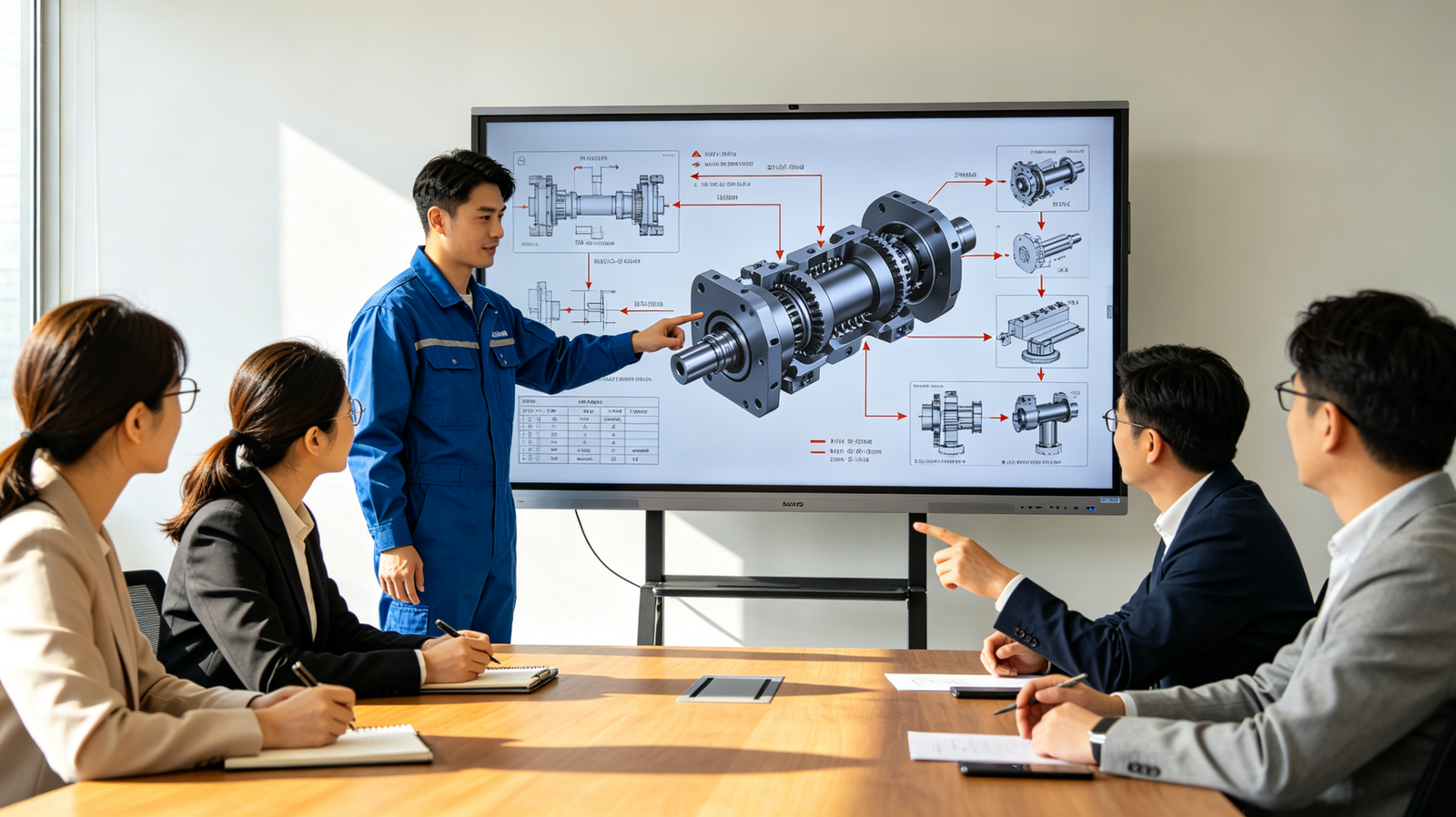
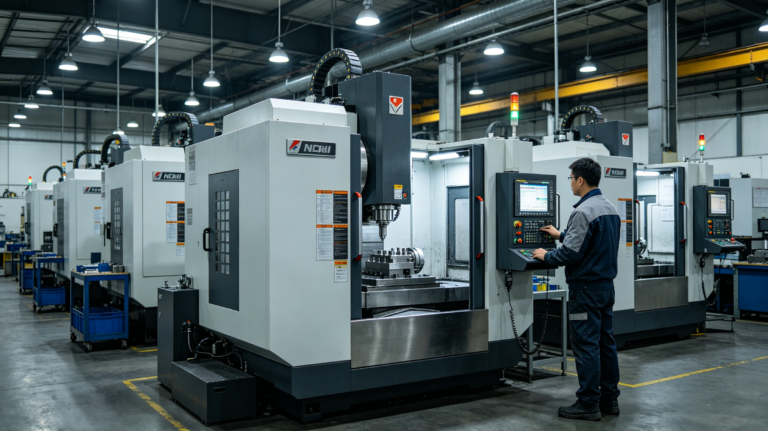
In custom CNC milling projects for non-standard shaped parts, buyers focus not only on machining capability but also on the consistency of final product quality. In industries such as automotive, medical equipment, automation systems, and industrial machinery, dimensional deviations, assembly interference, and cosmetic defects can directly impact project schedules and overall costs. What truly determines procurement risk is often not the number of machines a factory owns, but whether it has a comprehensive inspection system.
Many buyers assume that full product inspection is an industry standard. In reality, inspection capabilities vary significantly among manufacturers in terms of equipment investment, inspection procedures, and traceability systems. At Xiamen Ruicheng, we believe that high-quality delivery of custom CNC-machined parts must be supported by measurable, traceable, and verifiable inspection processes.
Why Can’t Custom CNC-Machined Non-Standard Parts Rely Only on Sampling Inspection?
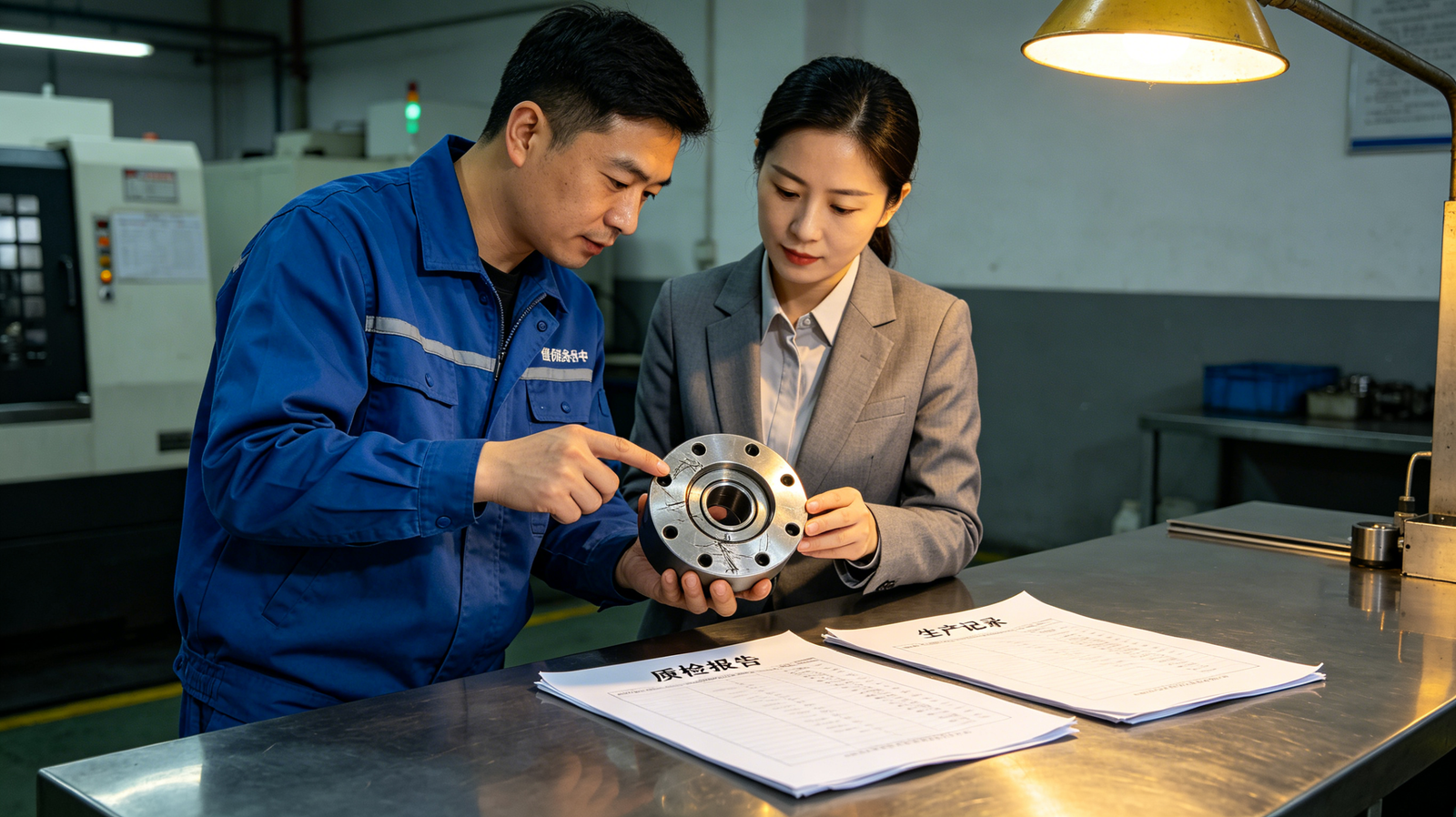
Non-standard shaped parts often feature complex geometries, multi-angle surfaces, and demanding assembly requirements, making it difficult to ensure consistent quality through experience-based judgments or basic sampling inspection alone. During the CNC machining process, dimensional variations may occur due to tool wear, fixture deviation, or production batch differences. For critical functional dimensions, full inspection significantly reduces the risk of batch defects and costly rework at the customer site. At Xiamen Ruicheng, dimensional inspection is integrated into every stage of production to ensure complete traceability of critical measurements.
Risk Reduction: Recorded inspection data helps customers verify quality efficiently.
Production Consistency: Continuous monitoring allows deviations to be identified and corrected early.
Customer Acceptance: Comprehensive inspection reports shorten incoming quality verification procedures.
Traceability: Detailed records enable rapid root-cause analysis when issues arise.
📊 The real value of full inspection is not adding procedures but eliminating future quality costs.
Which Custom CNC Projects Require Full Inspection?
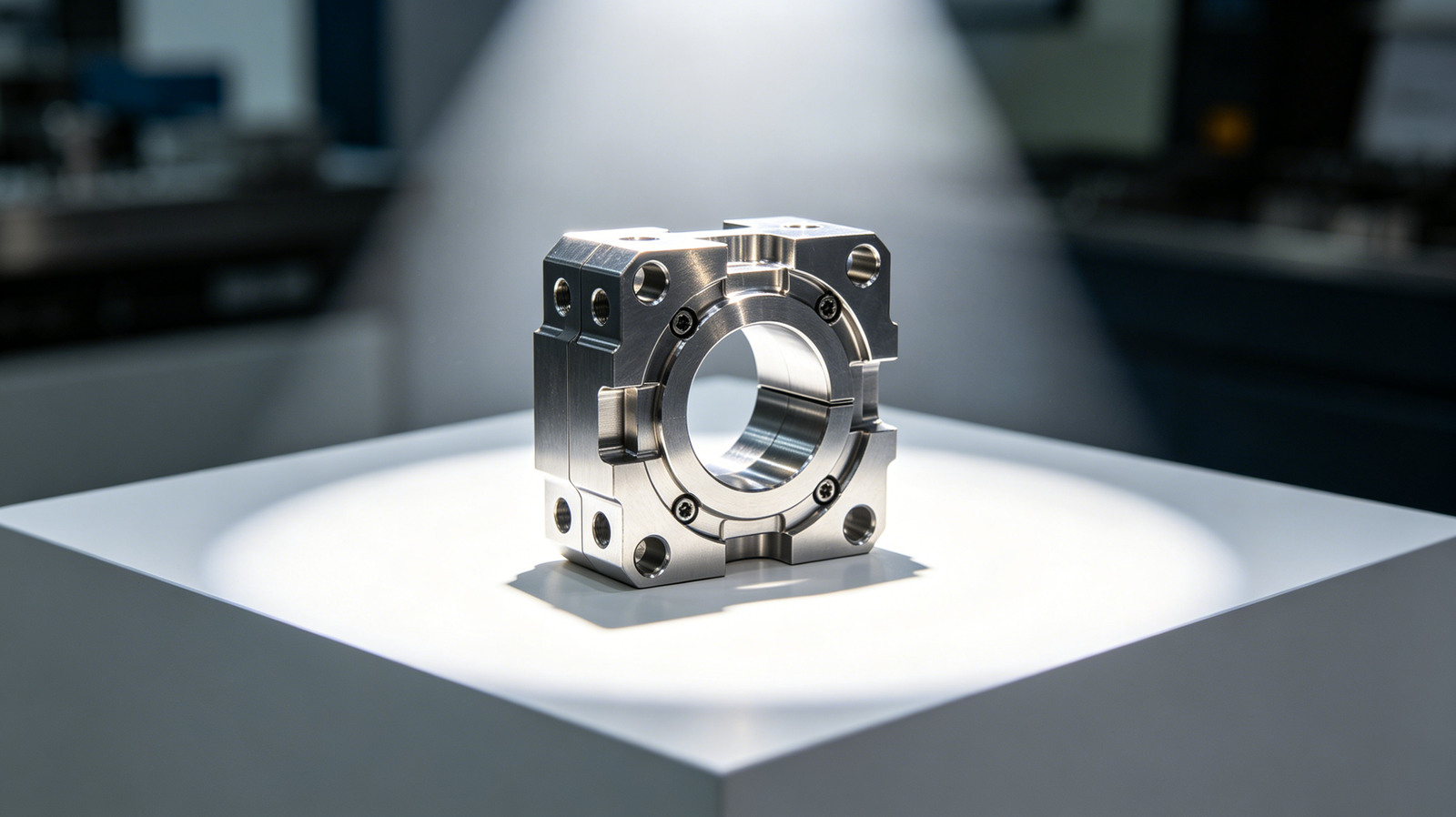
Not every component requires 100% dimensional inspection, but full inspection is often necessary for high-value, high-precision, and critical assembly applications. Products used in automation equipment, medical devices, and automotive systems typically require stricter precision engineering and quality control standards. The more complex the geometry, the greater the need for comprehensive inspection coverage. At Xiamen Ruicheng, inspection plans are customized according to application requirements, drawing tolerances, and customer expectations rather than relying on a one-size-fits-all approach.
Assembly Components: Interfacing parts require consistent dimensions to ensure proper fit.
Functional Components: Critical load-bearing or operating features demand precise machining accuracy.
Export Projects: International customers often require complete inspection documentation.
High-Value Products: The higher the product value, the more important it becomes to minimize production risks.
🔍 As product complexity increases, reliance on inspection systems becomes more critical.
How Can You Determine Whether a Factory Truly Has Full Inspection Capability?
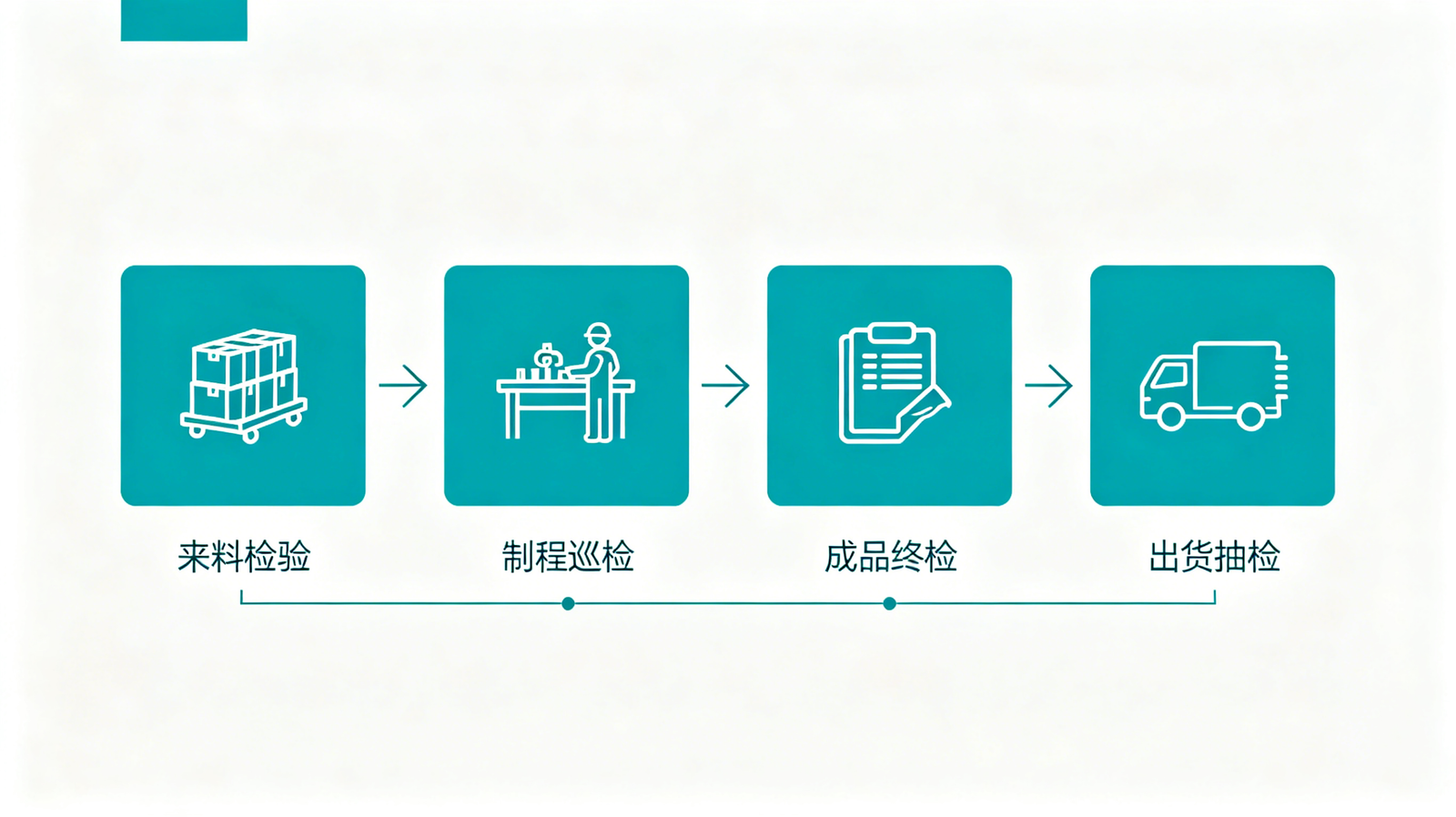
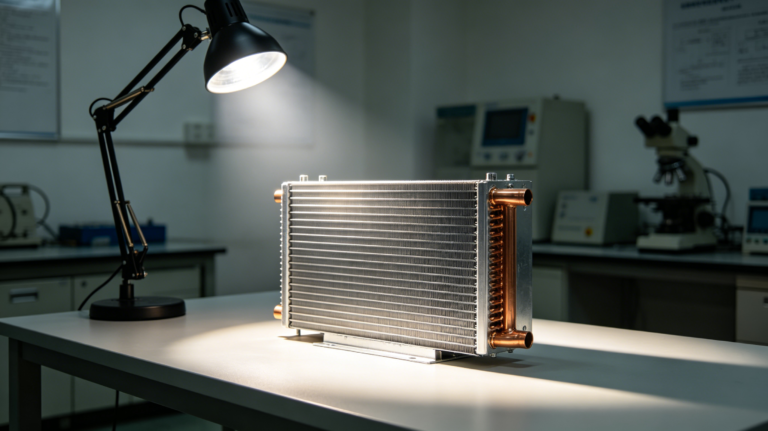
Many suppliers claim to have inspection capabilities, but inspection equipment alone does not guarantee a reliable quality system. A mature manufacturer combines advanced measuring equipment with standardized inspection procedures, digital data management, and complete traceability practices. Coordinate Measuring Machines (CMM) and Quality Management Systems are only the foundation. What matters most is how inspection data is used to support quality assurance and project management. At Xiamen Ruicheng, first article inspection, in-process inspection, final verification, and shipment reporting form a closed-loop quality control system.
Equipment Capability: Advanced measuring systems support complex geometry verification.
Process Standardization: Consistent procedures reduce human error during inspection.
Data Retention: Complete records support future audits and quality investigations.
Continuous Improvement: Inspection results drive ongoing process optimization.
🏆 Inspection equipment sets the baseline, while inspection systems determine final quality performance.
Key Inspection Criteria Buyers Should Evaluate When Selecting a CNC Supplier
| Evaluation Item | Basic Supplier | Standard Factory | Quality-Focused Factory | Xiamen Ruicheng |
|---|---|---|---|---|
| First Article Inspection | Partial | Standard | Comprehensive | Full Process |
| In-Process Inspection | Random | Scheduled | Continuous | Data-Driven |
| Inspection Reports | Basic | Standard | Detailed | Customized |
| Quality Traceability | Limited | Basic | Complete | Full Lifecycle |
Interested in learning whether your project requires a full inspection strategy? Contact our engineering team for a tailored quality assessment and manufacturing consultation: contact us
How Xiamen Ruicheng Helps Buyers Reduce Procurement Risks
For procurement professionals, selecting a supplier means choosing a quality assurance partner rather than simply choosing a machining service provider. Xiamen Ruicheng supports custom CNC milling projects through a complete workflow that includes DFM analysis, prototype validation, production planning, and batch delivery management. Our focus extends beyond machining drawings—we concentrate on ensuring successful assembly and end-use performance. By combining inspection data, process optimization, and project coordination, we help customers identify risks early, reduce quality-related costs, and accelerate product launches.
1.Early Evaluation: Engineering reviews identify critical dimensional risks before production begins.
2.Process Control: Inspection activities are integrated throughout manufacturing operations.
3.Data Support: Complete inspection documentation and traceability records are provided.
4.Continuous Improvement: Customer feedback is used to further enhance process stability.
Frequently Asked Questions
What are the core advantages and quality standards of your custom CNC milling service for non-standard parts?
Xiamen Ruicheng operates under a structured quality management system that incorporates first article inspection, in-process monitoring, and final verification. Customized inspection plans are developed according to drawing tolerances and customer requirements, ensuring reliable quality for precision assembly applications and mass production projects.
What information should we provide to receive a quotation quickly?
Customers can submit PDF drawings, STEP files, 2D engineering drawings, tolerance requirements, surface finish specifications, and estimated order quantities. After reviewing the documents, our engineering team provides process recommendations and detailed quotations within the agreed response time.
What are the minimum order quantities, lead times, and delivery arrangements for different order volumes?
Prototype projects can be supported with low-volume production for functional testing and validation. For larger orders, production schedules are optimized according to part complexity and quantity requirements, allowing more efficient delivery planning and cost control.
What happens if quality issues or delivery delays occur after purchase?
Xiamen Ruicheng has a structured response process for handling customer concerns. Inspection records and production data are reviewed immediately, and corrective actions such as rework, replacement, or process improvements are implemented based on the specific situation to keep projects on track.
Can you provide customized solutions for special application requirements?
Yes. Xiamen Ruicheng supports material selection, machining optimization, surface finishing services, customized inspection programs, and assembly verification support. Customers only need to provide application requirements and performance expectations, and our engineering team will develop the most suitable manufacturing solution.
Conclusion
In custom CNC milling projects involving non-standard shaped parts, full product inspection is not a standard practice across all factories, but it remains one of the most effective ways to ensure reliable quality delivery. Buyers should evaluate inspection systems, traceability capabilities, and quality management processes rather than focusing solely on equipment counts or pricing. A dependable manufacturing partner uses comprehensive inspection procedures to reduce risks and improve project success rates. Xiamen Ruicheng remains committed to data-driven quality management, providing customers with stable, traceable, and dependable custom manufacturing solutions.
For expert assistance in implementing solutions for your production needs, visit our resource center or contact us. Let’s help you scale up your manufacturing with precision and efficiency!