Introduction

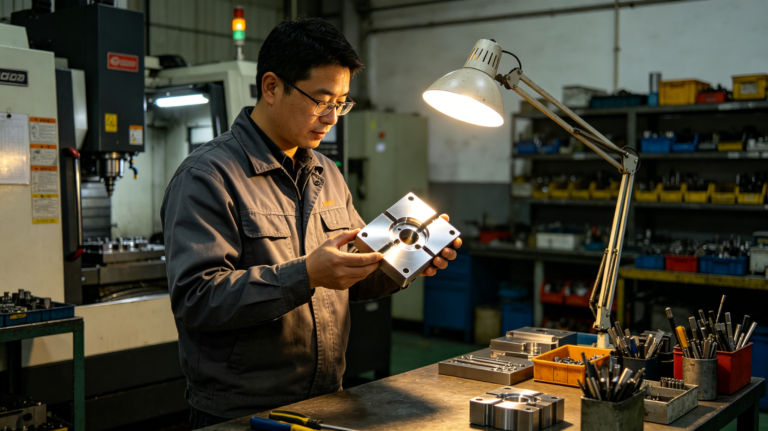
Die cast parts are widely used in automotive components, industrial equipment, outdoor structures, and electronic housings, where they are often exposed to moisture, salt spray, chemicals, and temperature changes. For engineering teams and purchasing managers, corrosion resistance directly affects product lifespan, maintenance costs, and long-term reliability.Corrosion testing is not simply checking whether a part rusts; it is a verification process to evaluate long-term performance under real operating conditions. At Xiamen RuiCheng, we evaluate corrosion risks through material selection, surface treatment analysis, and environmental simulation testing to help customers develop more reliable die casting solutions.
Different applications require different corrosion protection levels. Automotive components near engines may face high temperatures and salt exposure, while outdoor equipment parts must withstand humidity, oxidation, and weather changes over extended periods. Therefore, establishing a scientific testing process is more valuable than relying only on material specifications.A systematic corrosion validation process helps companies identify potential failures before mass production and select a more reliable die casting supplier.
How to Test Corrosion Resistance of Die Cast Parts?

Corrosion resistance testing for die cast parts requires comprehensive evaluation based on material characteristics, application environment, and surface protection requirements. Common methods include salt spray testing, electrochemical analysis, and environmental cycling tests, which simulate corrosion conditions during actual service. The salt spray testing standard helps evaluate metal components under accelerated corrosion environments, while surface treatment solutions help determine whether coatings, plating, or oxidation processes provide sufficient protection. A scientific corrosion testing process allows manufacturers to identify potential failure risks before production scaling. Xiamen RuiCheng develops customized validation plans based on customer application requirements.
Salt Spray Testing: Simulates high-salt environments to evaluate corrosion development on die cast surfaces.
Coating Adhesion Testing: Verifies whether protective layers maintain long-term bonding performance.
Environmental Cycling Testing: Simulates temperature and humidity changes that affect component durability.
Corrosion Result Analysis: Uses inspection data and evaluation records to determine product reliability.
🌱 Corrosion resistance testing should be based on actual application conditions rather than relying on a single inspection method.
How Does Material Selection Affect Die Cast Part Corrosion Resistance?
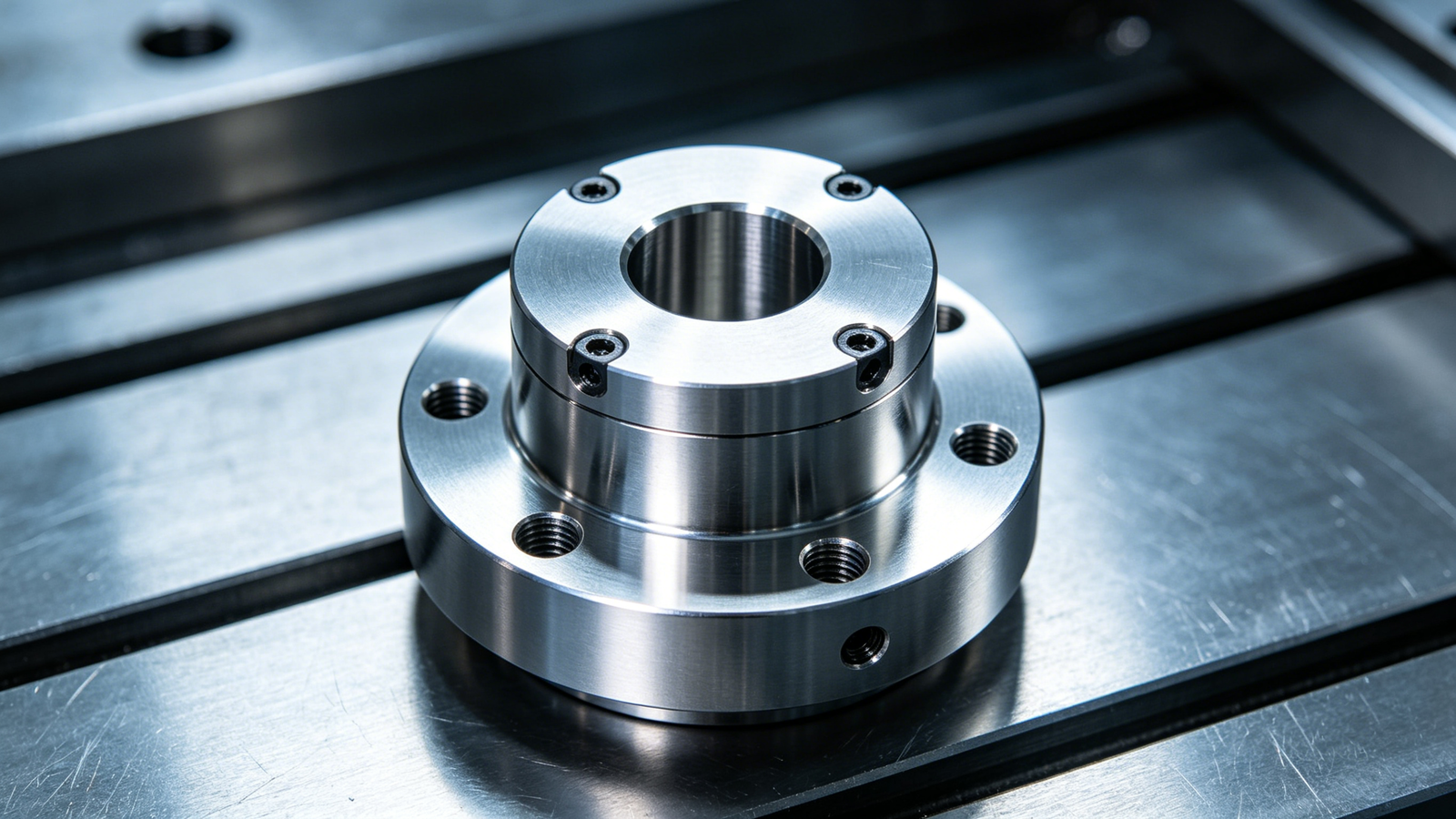
The selected alloy determines the basic corrosion resistance capability of die cast parts. Different metal alloys have different oxidation behavior, chemical stability, and environmental resistance. For example, aluminum alloys provide excellent lightweight advantages, but certain environments still require additional surface protection. Xiamen RuiCheng evaluates application requirements and optimizes product performance through aluminum die casting solutions. Proper material selection reduces the need for excessive surface protection and improves long-term product reliability.
Alloy Composition: Different alloy elements influence oxidation resistance and corrosion performance.
Operating Environment: Marine, high-humidity, and chemical environments require enhanced protection strategies.
Material Stability: Consistent raw material quality helps reduce performance variations between production batches.
Performance Matching: Material selection must balance strength, cost, and corrosion requirements.
🌱 Material selection provides the foundation for corrosion resistance and helps reduce future quality risks.
How Can Surface Treatment Be Verified for Corrosion Protection?
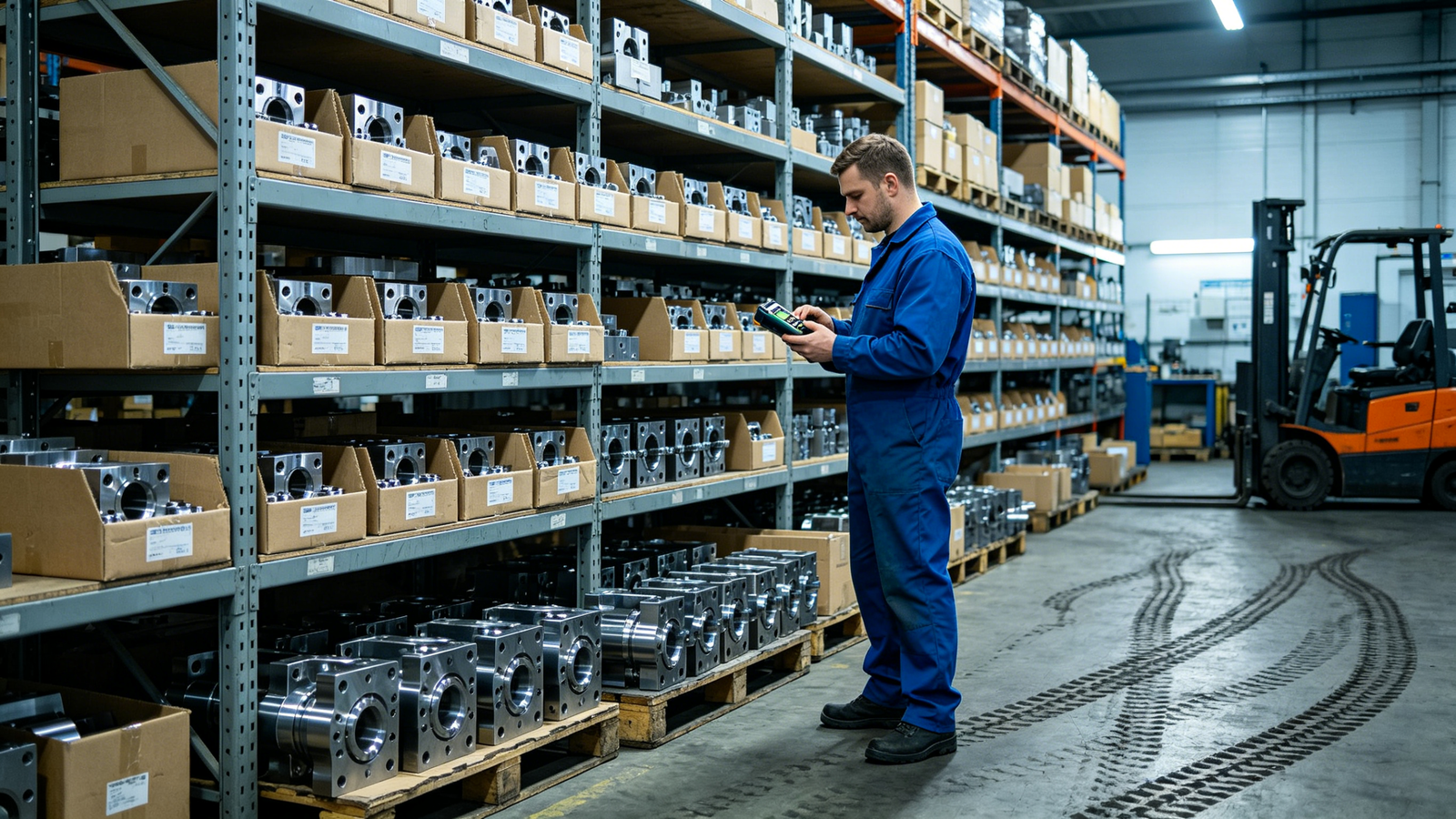
Die cast parts often require additional protection through powder coating, plating, anodizing, or passivation processes. However, different surface treatments are suitable for different application environments. Even when the base material has good corrosion resistance, insufficient coating thickness, poor adhesion, or unstable processing conditions can still cause corrosion failures. Surface treatment quality directly determines how effectively die cast parts withstand harsh operating environments. Xiamen RuiCheng evaluates product requirements and testing results to recommend suitable corrosion protection solutions.
Coating Thickness Inspection: Ensures protective layers meet design requirements and remain uniform.
Adhesion Testing: Confirms that surface coatings will not easily peel or fail.
Visual Inspection: Identifies defects such as cracks, pinholes, and uneven coverage.
Durability Verification: Confirms long-term protection performance through testing.
🌱 Reliable surface protection requires validation data instead of depending only on supplier process descriptions.
Comparison of Die Cast Part Corrosion Testing Methods
| Testing Method | Main Purpose | Advantages | Application |
|---|---|---|---|
| Salt Spray Test | Simulate salt corrosion | Clear evaluation cycle | Automotive and outdoor parts |
| Humidity Test | Verify moisture resistance | Close to real conditions | Industrial equipment |
| Electrochemical Test | Analyze corrosion behavior | High data accuracy | Engineering validation |
| Cyclic Corrosion Test | Simulate complex environments | Higher reliability | Critical components |
If you are looking for a die casting partner capable of corrosion validation and complete manufacturing support, Xiamen RuiCheng provides integrated solutions from material evaluation and process design to production inspection. Please contact us for professional assistance.
How to Build a Complete Corrosion Quality Control Process for Die Cast Parts?
Controlling corrosion resistance requires continuous management throughout product development, trial production, and mass manufacturing. A reliable supplier should not only perform testing but also use test results to optimize materials, tooling, and surface treatment processes. A complete quality management system helps reduce product failure risks and improves supply chain reliability.
1.Requirement Analysis: Confirm operating environment, service life expectations, and corrosion protection level.
2.Solution Development: Select suitable materials and surface treatment processes.
3.Testing Validation: Verify protection performance through laboratory and environmental testing.
4.Mass Production Control: Continuously monitor production consistency and quality variation.
Frequently Asked Questions
Question 1: What are the corrosion resistance quality standards for your die cast parts?
Answer: Xiamen RuiCheng develops corrosion control plans based on customer application requirements, including material properties, surface treatment specifications, salt spray test results, and appearance standards. Inspection data is used to ensure reliable long-term performance.
Question 2: What information should we provide when purchasing die cast parts?
Answer: Customers typically provide product drawings, operating environment details, material requirements, corrosion protection levels, and expected order quantities. Xiamen RuiCheng engineers evaluate these details to develop suitable manufacturing and testing solutions.
Question 3: How do delivery schedules vary for different order quantities?
Answer: Delivery schedules depend on tooling status, production volume, and required validation processes. Xiamen RuiCheng supports prototype verification, small-batch production, and high-volume manufacturing while maintaining stable delivery performance.
Question 4: How do you handle corrosion issues after delivery?
Answer: Xiamen RuiCheng analyzes corrosion-related issues through sample evaluation, production records, and testing data. After identifying whether the root cause comes from materials, surface treatment, or manufacturing processes, improvement actions are implemented.
Question 5: Can you provide corrosion-resistant customization for special environments?
Answer: Xiamen RuiCheng provides customized solutions including alloy optimization, surface treatment adjustments, and corrosion validation testing based on specific application conditions.
Conclusion
Corrosion resistance testing is a critical step in ensuring the long-term reliability of die cast parts. Companies need to evaluate materials, surface treatments, and actual operating environments together instead of relying on isolated specifications. For purchasing teams, selecting a supplier with engineering validation capabilities can significantly reduce maintenance costs and quality risks. A reliable corrosion testing system helps companies build stronger supply chains and improve product competitiveness. Xiamen RuiCheng provides complete die casting support from product development validation to mass production quality control.
For expert assistance in implementing die casting corrosion resistance testing and production needs, visit our resource center or contact us. Let’s help you scale up your manufacturing with precision and efficiency!