Introduction
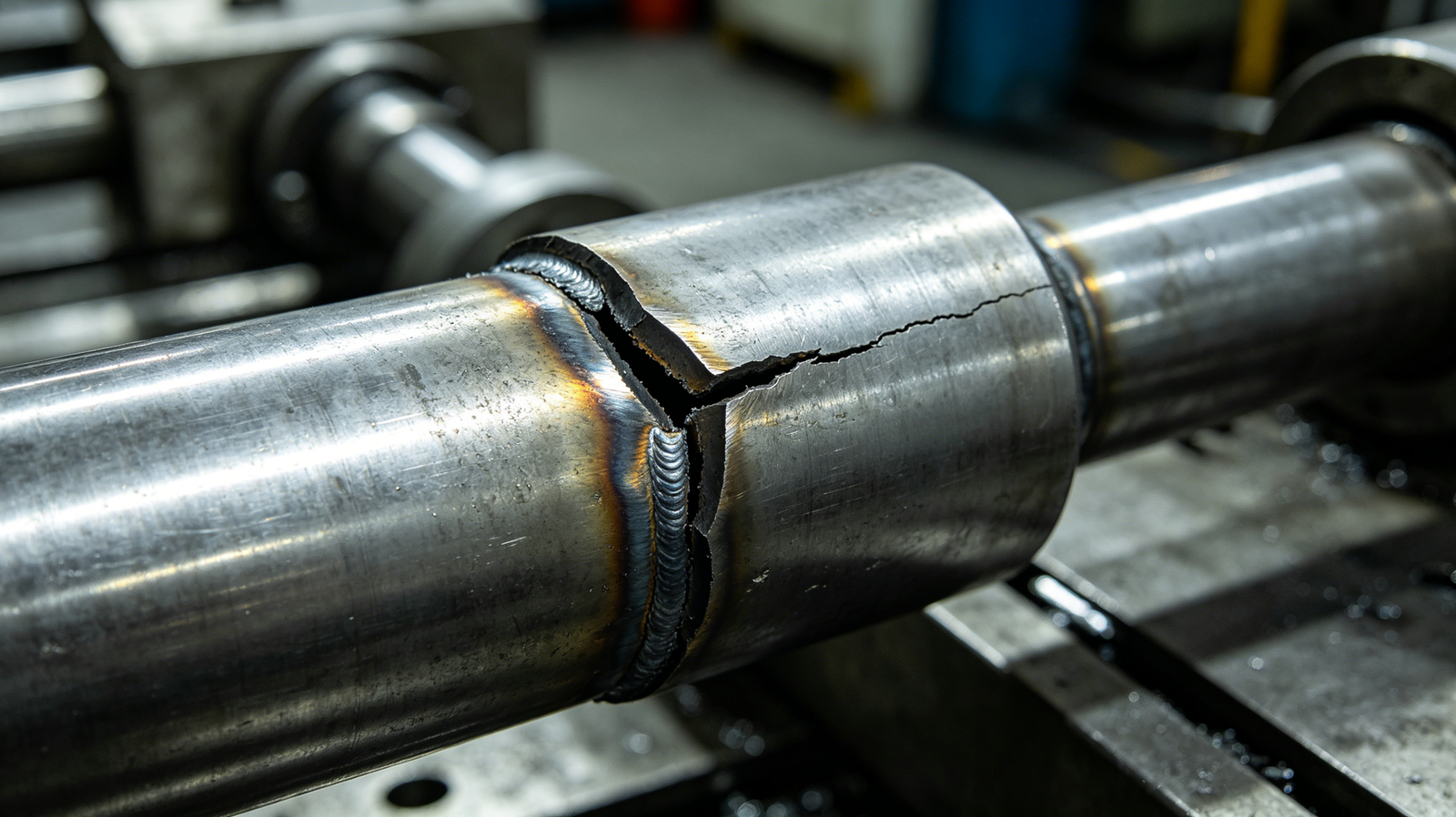
In the high-end manufacturing industry, custom CNC precision milling parts are expected to achieve not only dimensional accuracy but also long-term structural stability. Many buyers focus heavily on machining tolerance during procurement while overlooking the hidden risks caused by residual internal stress, including deformation, cracking, and fatigue failure. Internal stress often remains invisible during initial inspection but gradually becomes a major reliability issue during long-term operation.
Based on years of experience serving automotive, automation, and medical equipment industries, Xiamen Ruicheng has found that many product failures are related not to machining accuracy itself but to dimensional drift caused by residual stress release over time. Stable machining strategies, optimized heat treatment, and scientific fixture design can significantly reduce long-term operational risks. For custom CNC precision milling parts, internal stress control has become a critical factor affecting product lifespan and reliability.
Why Does Internal Stress Affect the Long-Term Performance of CNC Parts?
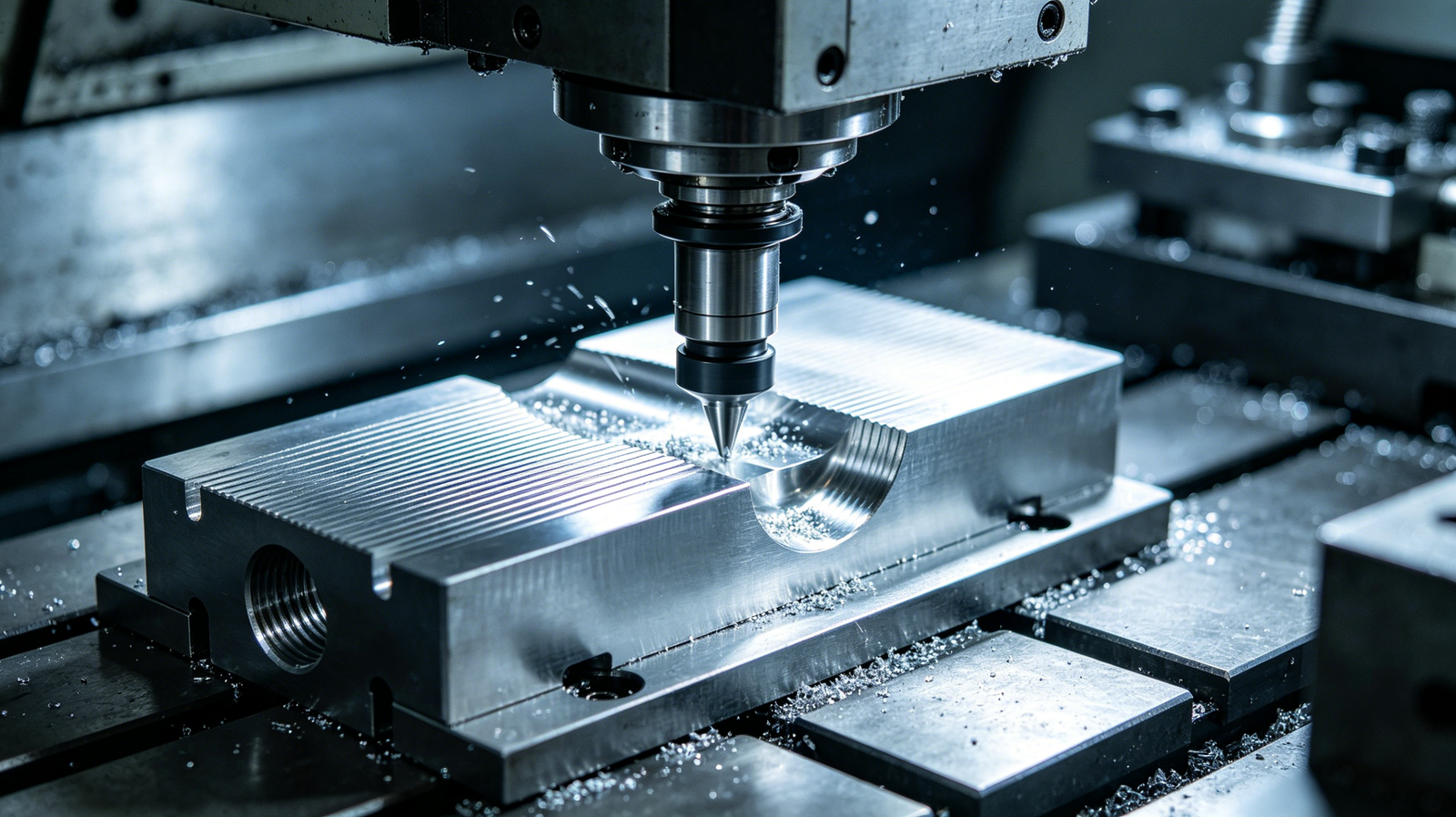
During the manufacturing process of custom CNC precision milling parts, cutting force, clamping pressure, and thermal accumulation can generate residual stress inside the material structure. These hidden stresses may not appear immediately after machining, but under long-term vibration, temperature fluctuation, or continuous load conditions, they can gradually release and lead to dimensional deviation, surface distortion, or structural cracking. Xiamen Ruicheng evaluates material stability carefully when machining aluminum alloy components and stainless steel parts while implementing staged machining strategies and stress-relief processes to reduce long-term failure risks. Long-term stability depends not only on machining precision but also on effective residual stress management.
Material Selection: Different materials respond differently to residual stress, and high-strength aluminum alloys are particularly sensitive to thermal deformation.
Cutting Parameters: Aggressive high-speed machining may improve efficiency but can also create concentrated thermal stress.
Fixture Design: Excessive clamping force may produce uneven internal stress distribution inside the workpiece.
Heat Treatment: Proper stress-relief treatment helps reduce deformation risks during long-term operation.
🛠️ Residual stress may be hidden inside the part, but it directly determines long-term reliability.
How Can Buyers Evaluate a Supplier’s Stress Control Capability?
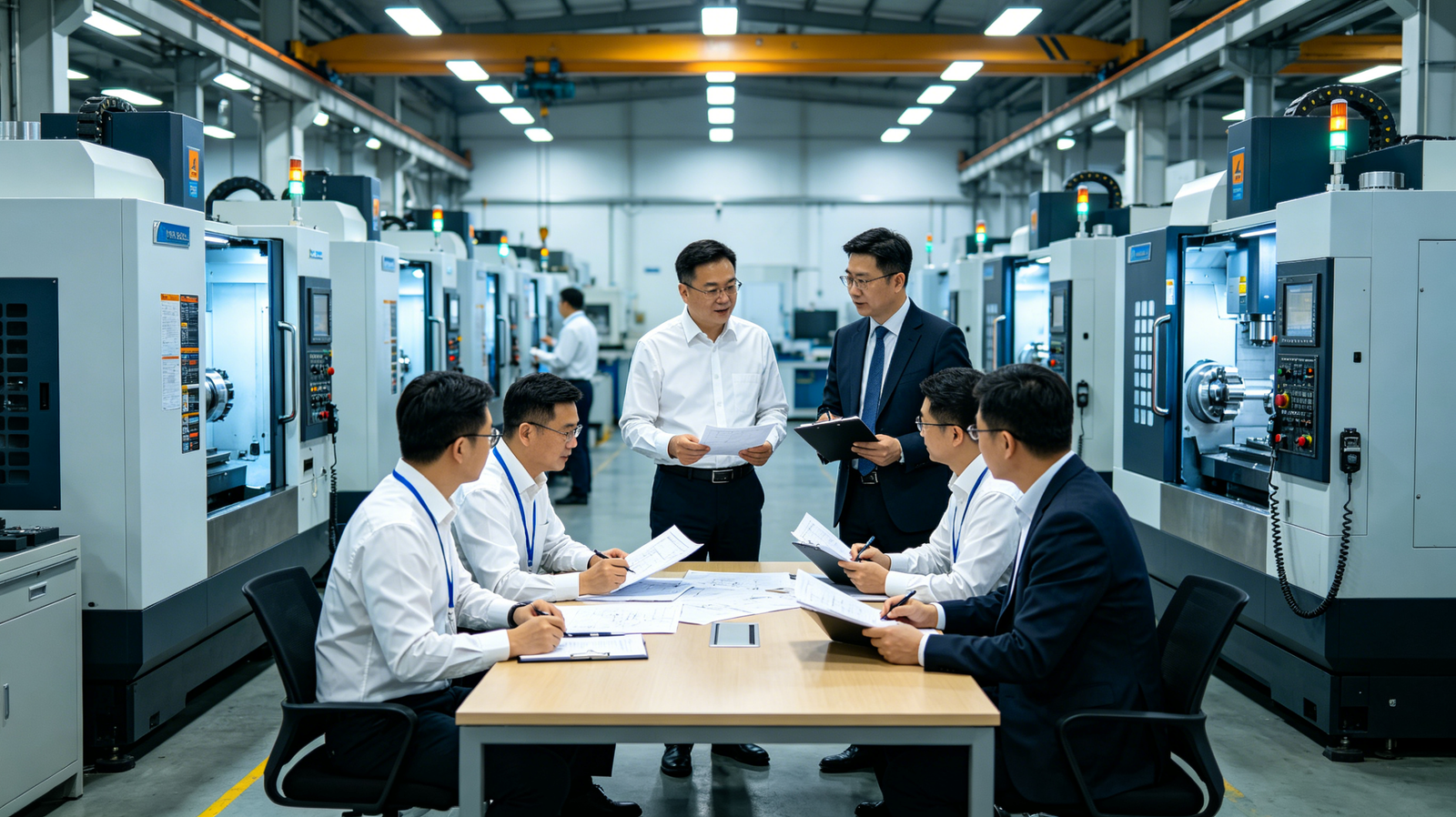
When selecting a supplier for custom CNC precision milling parts, buyers should evaluate more than just machine quantity or machining speed. It is important to assess whether the supplier has a complete stress management process including material pretreatment, heat treatment capability, and machining optimization experience. During the machining of complex structural components, Xiamen Ruicheng applies staged rough and finish machining strategies while integrating finite element analysis and precision inspection to reduce long-term deformation risks. A reliable supplier identifies residual stress risks before production instead of reacting only after failures occur.
Process Validation: Experienced manufacturers perform stress simulation and sample verification before mass production.
Inspection Capability: High-precision CMM inspection helps identify subtle dimensional variation trends.
Industry Experience: Suppliers serving high-end industries better understand long-term stability requirements.
Process Control: Multi-stage machining and optimized cooling strategies help reduce residual stress accumulation.
📏 A supplier’s process capability directly impacts the future stability of your products.
Which Industries Need to Pay More Attention to Internal Stress Problems?
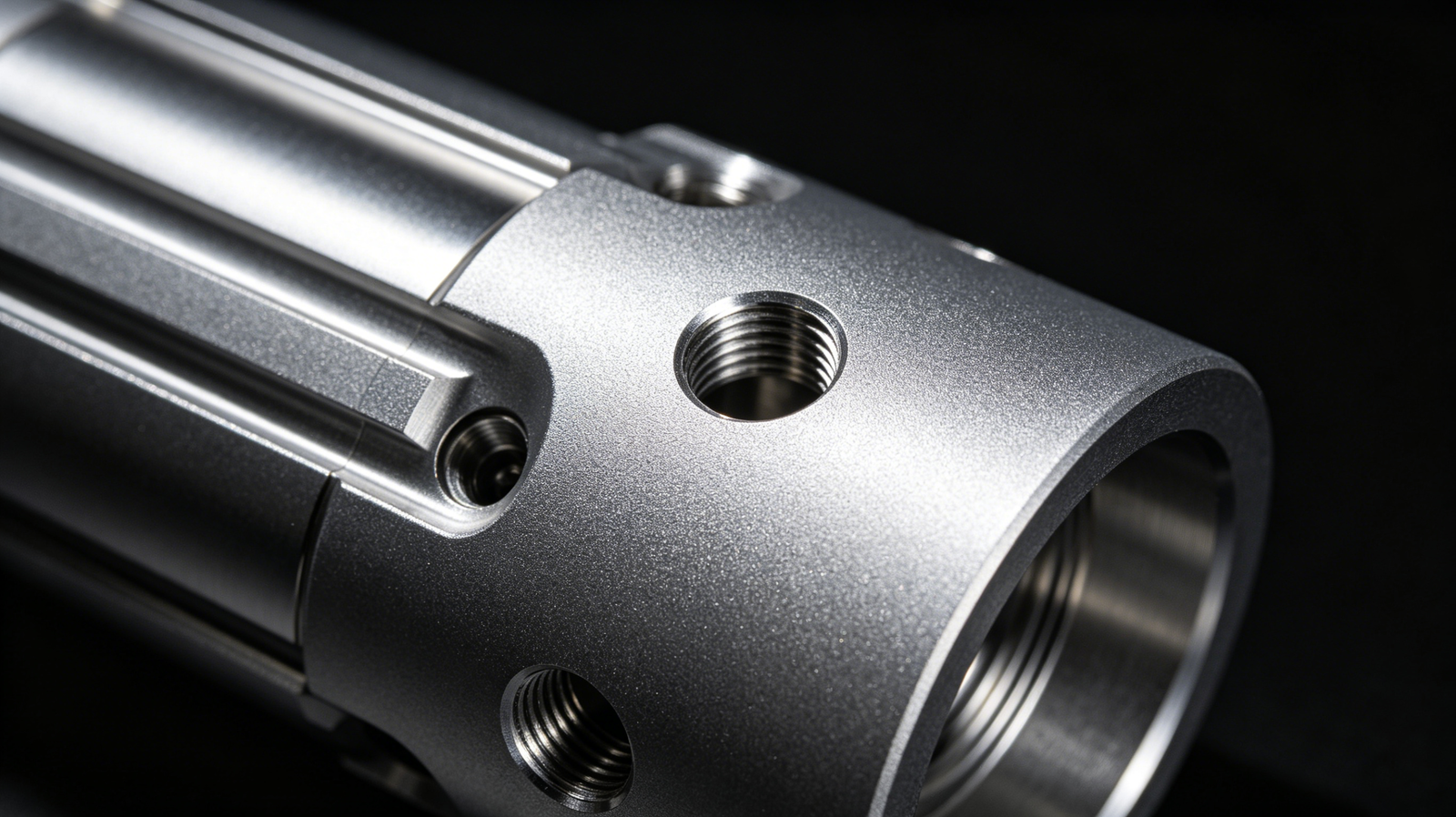
In advanced manufacturing sectors, the long-term stability of CNC precision machining components directly affects operational safety and equipment reliability. Industries such as automotive, medical devices, and automation systems are especially sensitive to residual stress because even slight dimensional drift can result in assembly failure or machine downtime. When manufacturing high-precision guide rails and structural components for automation equipment, Xiamen Ruicheng focuses heavily on heat control and material stability to minimize long-term deformation risks. The higher the precision and durability requirements are, the more critical residual stress control becomes.
Automotive Industry: Engine and transmission components operate under constant vibration and require superior structural stability.
Medical Equipment: Precision medical assemblies demand long-term dimensional consistency and reliability.
Automation Systems: High-speed machinery can suffer performance loss from minimal structural deformation.
Aerospace Components: Complex aerospace parts must maintain stability under extreme operating environments.
🚀 High-end industries are turning residual stress management into a core competitive advantage.
CNC Residual Stress Risk Comparison Guide
| Comparison Item | Standard Machining | Ruicheng Solution | Long-Term Impact | Risk Level |
|---|---|---|---|---|
| Material Preparation | Basic cutting stock | Stress-relief pretreatment | Reduced deformation | Low |
| Rough & Finish Machining | Single-step machining | Multi-stage process | Improved stability | Low |
| Heat Management | Limited control | Optimized cooling | Reduced cracking risk | Medium |
| Dimensional Stability | No long-term validation | Multi-stage inspection | Higher consistency | Low |
If you are looking for a more reliable and stable partner for custom CNC precision milling parts, feel free to contact us
How Does Xiamen Ruicheng Help Customers Reduce Long-Term Operational Risks?
Xiamen Ruicheng focuses not only on immediate machining accuracy but also on maintaining product stability throughout years of real-world operation. For complex structural parts, we customize machining strategies according to material characteristics while integrating heat treatment and fixture optimization to minimize residual stress concentration. Through strict process control and comprehensive inspection procedures, customers can maintain stable assembly accuracy even during large-scale production. For long-life industrial equipment, controlling internal stress early is far more cost-effective than repairing failures later.
1.Material Evaluation: Selecting suitable materials and heat treatment methods according to actual application conditions.
2.Process Optimization: Reducing thermal accumulation through layered cutting and optimized cooling strategies.
3.Dimensional Verification: Performing multiple inspections to ensure long-term dimensional stability.
4.Industry Experience: Applying expertise from automotive and automation industries to improve product durability.
Custom CNC Precision Milling Parts FAQ
What are the core advantages and quality guarantees of your custom CNC precision milling parts?
Xiamen Ruicheng specializes in high-precision custom CNC precision milling parts with machining tolerance as tight as ±0.005mm. We implement CMM inspection, material traceability, and multi-stage process control to ensure long-term dimensional stability. For demanding projects, additional stress-relief treatment and repeated dimensional verification are provided to reduce long-term deformation risks.
What information should we provide to receive a quotation quickly?
Customers can provide 2D drawings, 3D models, material specifications, surface treatment requirements, and estimated order quantities. Xiamen Ruicheng will evaluate the machining process and stress control difficulty based on the product structure. Initial process analysis and quotation can typically be completed within 12 hours.
What are the MOQ and lead time requirements for different order quantities?
Prototype orders usually support flexible low-volume production. Standard batch production lead time is approximately 7–15 days depending on machining complexity and heat treatment requirements. For long-term customers, Xiamen Ruicheng can arrange material preparation and production scheduling in advance.
How do you handle dimensional deviation or deformation issues after delivery?
Xiamen Ruicheng analyzes problems according to technical drawings, inspection reports, and machining records. Once confirmed as machining-related or stress-related issues, we prioritize rework or replacement while helping customers optimize future production processes.
Can you provide customized machining solutions for special operating conditions?
For high-temperature, high-vibration, or continuous-operation environments, Xiamen Ruicheng can provide customized material recommendations, heat treatment solutions, and structural optimization support. Customers only need to provide actual operating conditions and lifecycle requirements for us to develop a suitable solution.
Conclusion
The long-term stability of custom CNC precision milling parts depends not only on machining accuracy but also on the supplier’s understanding of residual stress control. From material preparation and heat treatment to machining strategies and inspection procedures, every process directly influences long-term product performance. Choosing a supplier with proven expertise in residual stress management can significantly reduce repair risks and improve product lifespan. With mature manufacturing processes and extensive industry experience, Xiamen Ruicheng provides reliable and stable custom CNC precision milling solutions for global customers.
For expert assistance in implementing for your production needs, visit our resource center or contact us. Let’s help you scale up your manufacturing with precision and efficiency!