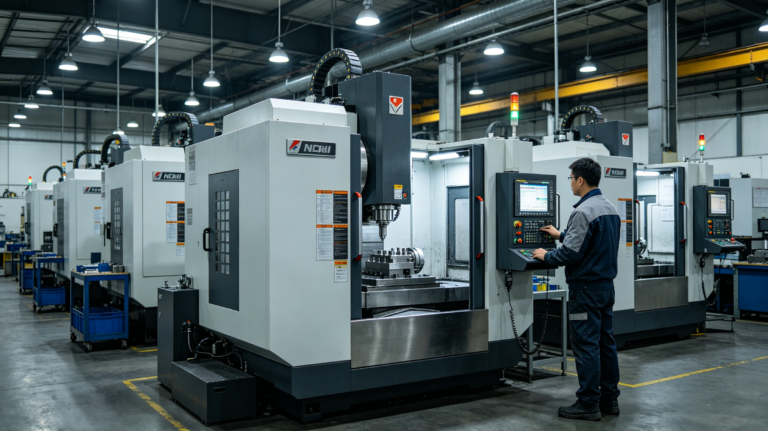
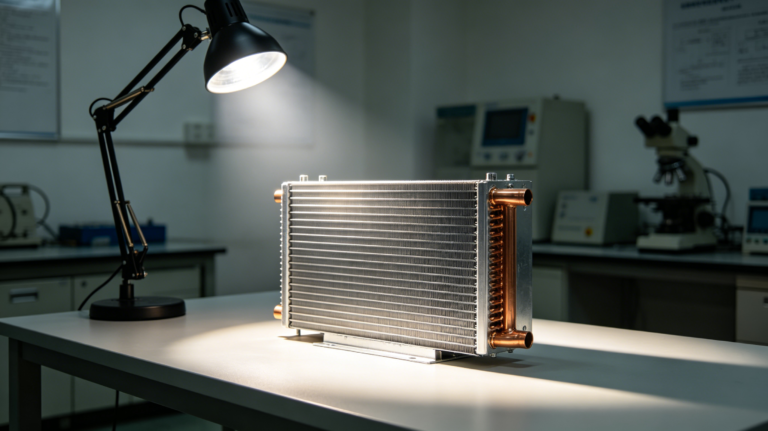
Introduction

During the procurement of CNC precision milled parts, many buyers focus heavily on pricing, delivery schedules, and material specifications while overlooking the hidden risks caused by inconsistent GD&T interpretation. For high-precision assembly components, even when dimensional tolerances are acceptable, misunderstandings related to position, concentricity, or profile tolerances can still lead to assembly failure or functional defects. Consistent GD&T interpretation has become a critical requirement for stable CNC precision milled part production and delivery.
Based on years of experience serving automotive, medical, and automation industries, Xiamen Ruicheng has found that most quality disputes are not caused by insufficient machining capability, but by different understandings of engineering drawings and GD&T requirements. By implementing standardized drawing review procedures, technical confirmation processes, and first article inspection systems, companies can significantly reduce project risks and improve production consistency. For high-precision projects, technical communication capability is often more important than machining equipment itself.
Why Does GD&T Interpretation Cause Communication Problems in CNC Precision Milled Parts?
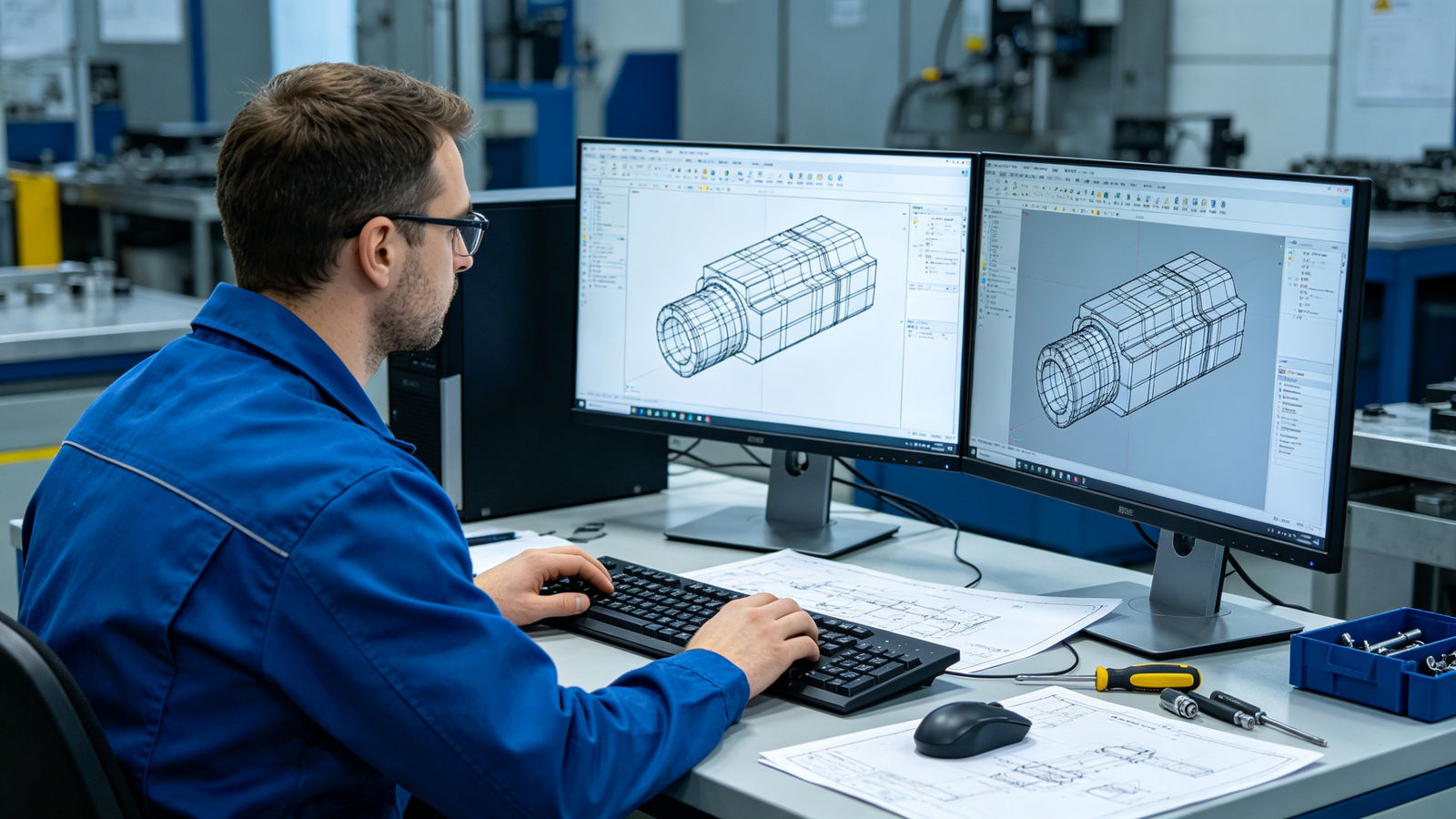
During the procurement of complex CNC precision milled parts, many companies provide complete engineering drawings but still encounter disputes because suppliers and buyers interpret GD&T symbols, datum systems, and inspection methods differently. In multi-axis machining and high-precision assembly projects, inconsistent interpretation of position or profile tolerances can directly affect assembly performance and product functionality. At Xiamen Ruicheng, our engineering team conducts detailed drawing reviews before quotation to prevent mass production risks caused by GD&T misunderstanding. For high-tolerance components, relying solely on 2D drawings without technical clarification often creates significant manufacturing risks.
Drawing Review: Early review helps identify unclear datum definitions and tolerance chain conflicts before production begins.
Datum Alignment: Unified datum interpretation reduces inspection inconsistencies between suppliers and buyers.
Inspection Methods: Different measuring equipment can produce different GD&T evaluation results.
Engineering Communication: Direct engineer-to-engineer discussions reduce missing technical information during procurement.
🔍 Most GD&T-related problems are caused by communication gaps rather than machining capability limitations.
How Can Buyers Verify That Suppliers Truly Understand GD&T Requirements?

Many buyers require suppliers to have CMM inspection capability, but fewer evaluate whether suppliers actually understand complex GD&T logic. In high-precision CNC machining projects, equipment alone cannot guarantee stable quality because suppliers also need strong drawing analysis, process planning, and inspection strategy capabilities. After receiving customer drawings, Xiamen Ruicheng provides detailed critical dimension analysis, inspection planning, and manufacturing risk assessments. Technical confirmation before machining allows buyers to determine whether suppliers truly possess practical GD&T execution capability. Compared with focusing only on pricing, engineering collaboration capability has a far greater impact on long-term project stability.
FAI Validation: First article inspection reports help buyers identify GD&T interpretation problems before mass production.
Process Analysis: Machining paths and fixture design strongly influence GD&T stability during production.
Inspection Reports: Complete dimensional data provides more value than simple pass/fail conclusions.
Technical Meetings: Early engineering discussions reduce rework and communication issues later in production.
📐 Reliable suppliers do more than machine parts — they proactively identify GD&T risks before production starts.
How Can Standardized Processes Reduce GD&T Interpretation Risks?

As manufacturing industries demand increasingly higher precision standards, more companies are establishing standardized engineering communication procedures to reduce risks caused by inconsistent GD&T interpretation. Xiamen Ruicheng typically implements four core project stages: drawing review, critical dimension confirmation, sample validation, and mass production verification. These procedures help ensure both parties maintain consistent understanding of inspection methods and functional requirements. For complex precision machining projects, relying only on email communication is no longer sufficient, and engineering collaboration has become essential for project success. Standardized technical processes effectively reduce mass production defects, assembly failures, and delivery delays.
Risk Identification: Early identification of high-risk tolerances helps prevent large-scale production issues.
Process Confirmation: Inspection standards confirmed before production reduce future disputes.
Revision Management: Synchronized drawing revisions prevent outdated manufacturing data from being used.
Continuous Verification: Ongoing production inspections maintain dimensional consistency throughout mass production.
⚙️ Standardized processes transform GD&T requirements from theory into stable production capability.
Key Control Points in GD&T Coordination Management
| Control Item | Common Problem | Potential Risk | Ruicheng Solution |
|---|---|---|---|
| Datum Definition | Different datum interpretation | Assembly deviation | Joint engineering review |
| Position Tolerance | Inconsistent inspection methods | Mass rework | Unified CMM standards |
| Drawing Revision | Outdated drawing usage | Dimensional errors | Revision synchronization |
| First Article Approval | Insufficient validation | Production instability | Complete FAI process |
By establishing a complete GD&T coordination system, procurement teams can significantly improve supplier stability while reducing quality disputes and production risks. If you are searching for an engineering-driven CNC precision milled parts supplier, feel free to contact us
How Does Xiamen Ruicheng Help Customers Reduce GD&T Project Risks?
In high-precision CNC precision milled part projects, long-term success depends not only on machining capability but also on the supplier’s ability to consistently execute GD&T standards throughout production. Xiamen Ruicheng supports customers through drawing reviews, process validation, first article inspection, and in-process quality monitoring systems. Especially in automation equipment, automotive, and medical component projects, complex tolerance requirements demand continuous engineering involvement to maintain assembly stability and dimensional consistency. For buyers, selecting a supplier capable of proactively identifying risks and providing engineering solutions is far more valuable than simply choosing the lowest price supplier.
1.Drawing Review System: Xiamen Ruicheng identifies GD&T risks during the quotation stage and provides engineering optimization suggestions.
2.Engineering Collaboration: Direct technical communication minimizes information transfer errors during projects.
3.Full Inspection Control: CMM inspection and in-process quality monitoring improve batch consistency.
4.Stable Mass Production: Standardized machining and inspection procedures reduce long-term production risks.
FAQ: How to Reduce GD&T Communication Risks When Purchasing CNC Precision Milled Parts?
Question 1: What are your core advantages in GD&T execution for CNC precision milled parts?
Xiamen Ruicheng possesses complete GD&T drawing analysis and inspection capabilities. Our engineering team is familiar with both ASME and ISO standards, and we use advanced CMM equipment to validate critical dimensions. Before production begins, we perform drawing reviews, tolerance analysis, and datum confirmation to reduce mass production risks and improve assembly reliability.
Question 2: What information is required for a fast quotation on CNC precision milled parts?
Customers typically need to provide 2D drawings, 3D models, material specifications, surface treatment requirements, and estimated order quantities. For projects involving complex GD&T requirements, we also recommend sharing assembly functions and key inspection criteria. Xiamen Ruicheng usually provides preliminary process analysis and quotation feedback within 12 hours after receiving project files.
Question 3: What are your MOQ and lead time policies for different order quantities?
Prototype orders generally support flexible low-volume production to help customers complete validation processes. For mass production orders, lead times depend on machining complexity, material procurement cycles, and inspection requirements. Xiamen Ruicheng maintains flexible manufacturing capacity to support urgent production schedules when necessary.
Question 4: How do you handle GD&T inspection disputes during mass production?
Xiamen Ruicheng first verifies all inspection data based on the mutually approved drawing revision and inspection standards. We provide complete dimensional reports and support third-party inspection verification if required. Once issues are confirmed, our engineering team quickly develops corrective action plans to minimize customer production downtime.
Question 5: Can you provide customized engineering support for special project requirements?
Xiamen Ruicheng supports customized manufacturing for complex structures, multi-axis machined components, and high-tolerance precision parts. Customers can provide special operating conditions, assembly requirements, and inspection standards, and our engineering team will develop optimized manufacturing solutions accordingly. Technical consultation and customized inspection support are also available for special GD&T projects.
Conclusion
When purchasing CNC precision milled parts, consistent GD&T interpretation has become one of the most important factors influencing project success. Instead of focusing only on pricing and delivery schedules, more companies now recognize the importance of supplier engineering collaboration, drawing analysis capability, and inspection execution standards. Through standardized engineering procedures and full-process technical support, Xiamen Ruicheng helps customers reduce GD&T interpretation risks while improving mass production stability. As precision manufacturing standards continue to evolve, establishing reliable technical communication systems has become essential for building a competitive supply chain.
For expert assistance in implementing for your production needs, visit our resource center or contact us. Let’s help you scale up your manufacturing with precision and efficiency!