Introduction
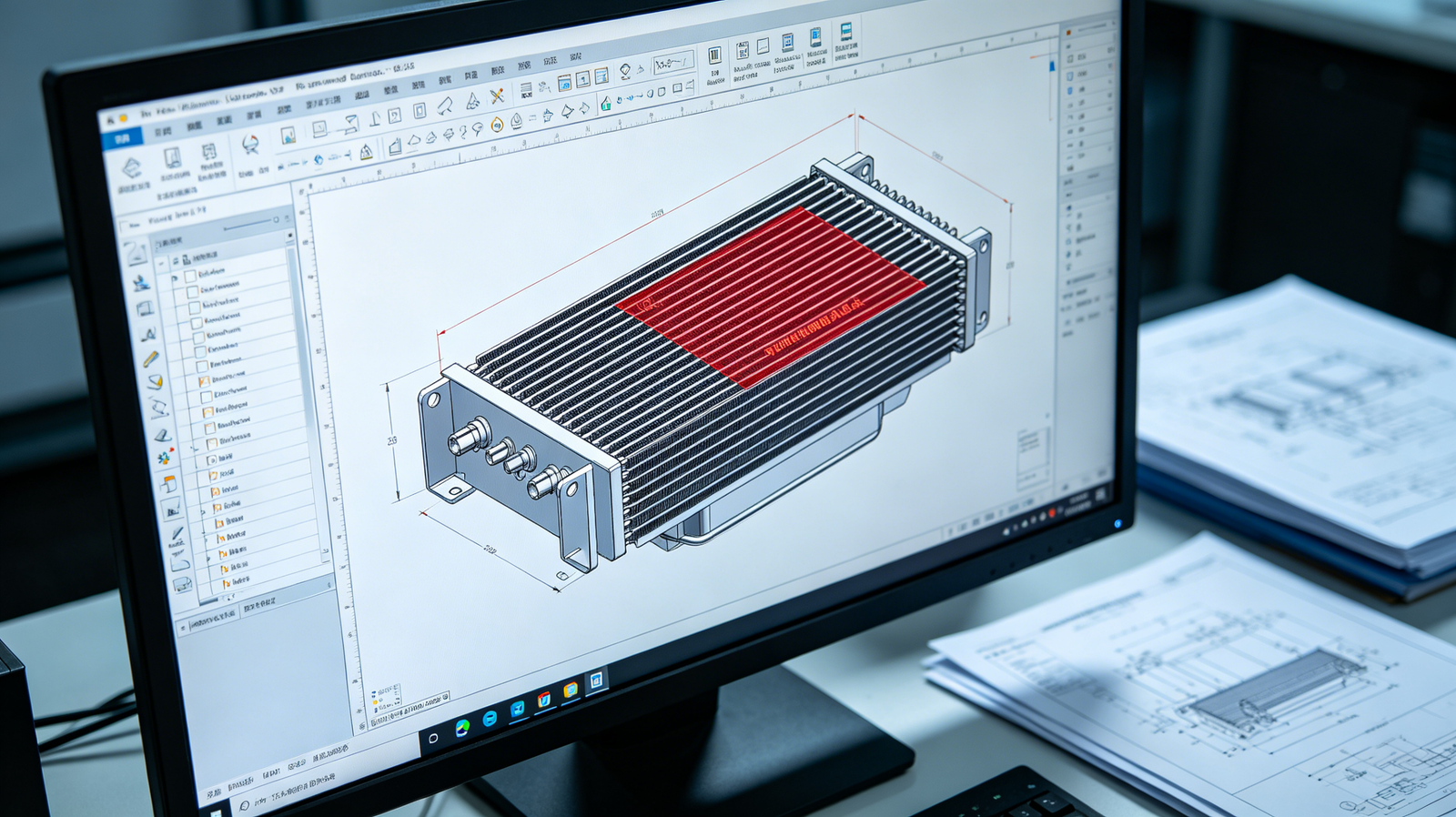
Automotive die casting parts are widely used in engine components, motor housings, electronic control structures, and new energy vehicle components. Their internal quality directly affects mechanical strength, sealing performance, and long-term reliability. With increasing demand for lightweight automotive designs and higher performance requirements, manufacturers must control not only dimensional accuracy but also internal defects such as porosity, shrinkage cavities, and material inconsistencies.Stable porosity control is one of the key capabilities for automotive die casting suppliers to achieve consistent mass production quality.
Porosity defects are often invisible during appearance inspection and may only appear during machining, leak testing, or long-term vehicle operation, creating potential quality risks for automotive manufacturers. Xiamen Ruicheng applies optimized die casting processes, improved mold design, and comprehensive inspection systems to help customers reduce failures caused by internal defects.For automotive buyers, selecting a supplier with defect prevention capabilities is more valuable than simply comparing manufacturing costs.
What Causes Porosity in Automotive Die Casting Parts?
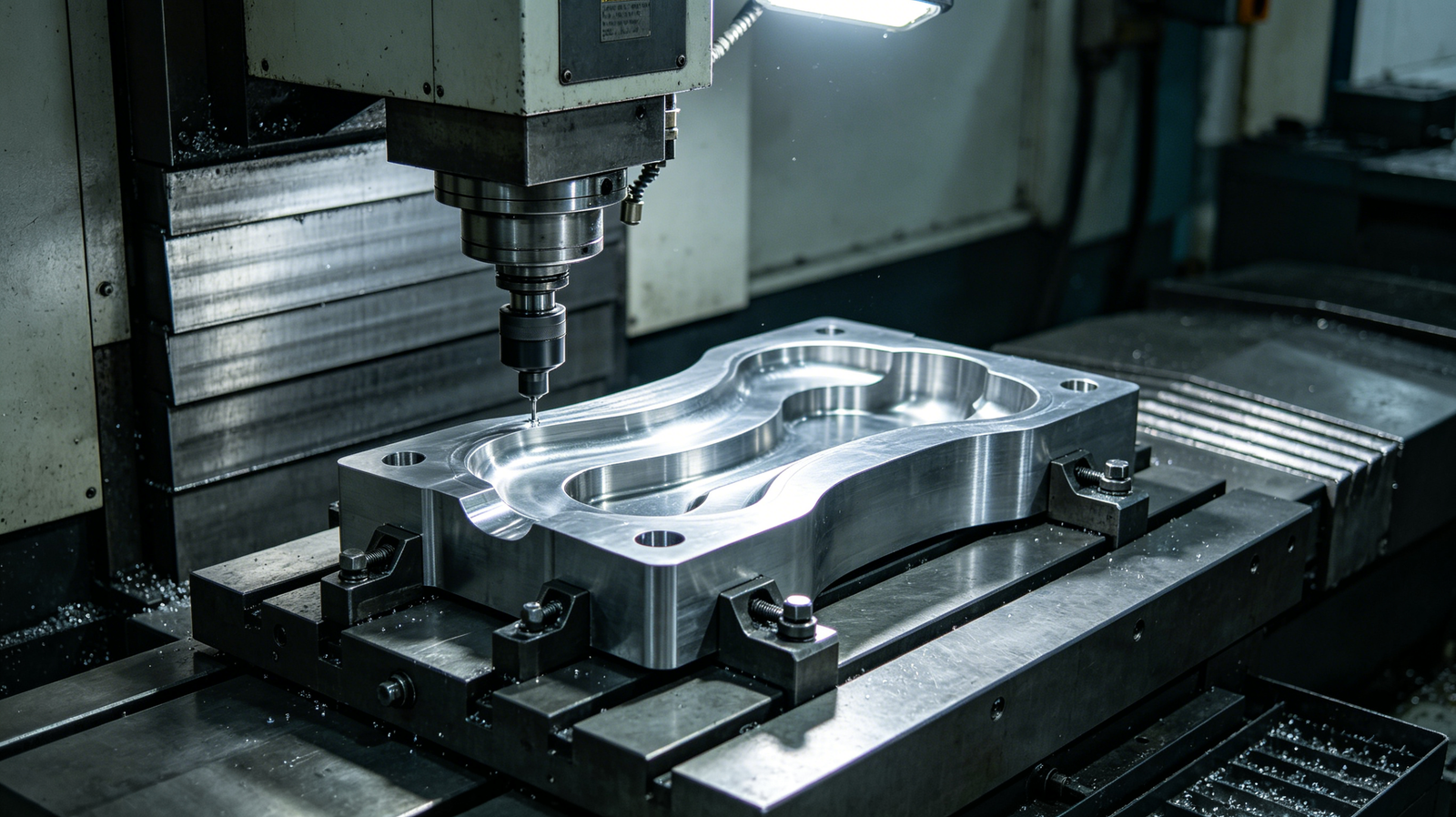
Porosity in automotive die casting parts mainly results from trapped air during metal filling, gas release from molten materials, and cavities caused by solidification shrinkage. During high-speed die casting, insufficient mold venting design or unstable injection parameters can easily create internal pores. Porosity control is not caused by a single production step but by the combined influence of materials, molds, equipment, and process parameters. Xiamen Ruicheng evaluates potential risks through engineering analysis and trial production before mass manufacturing.
Material Gas Control: Proper melting and degassing processes reduce hydrogen content and minimize internal gas defects.
Filling Speed Management: Optimized injection speed prevents excessive turbulence and reduces air entrapment.
Mold Venting Design: Proper vent locations and dimensions allow trapped air to escape efficiently.
Solidification Compensation Control: Optimized gating and feeding systems reduce shrinkage-related defects.
🔍 Automotive die casting porosity usually results from multiple process factors, requiring systematic control methods rather than isolated improvements.
How Can Die Casting Processes Reduce Internal Porosity?
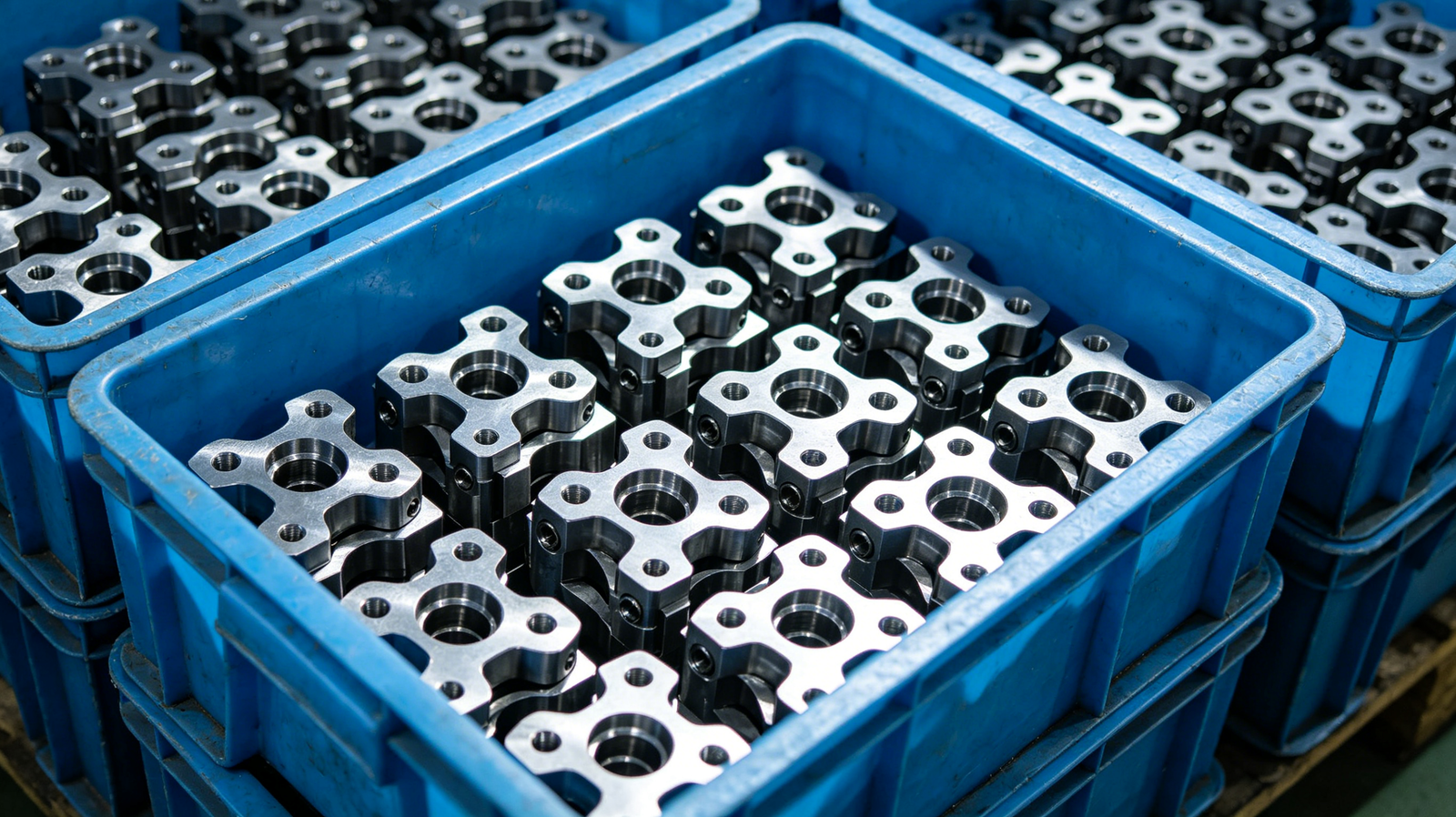
Reducing porosity in automotive die casting parts requires complete process control from melting, filling, injection, and cooling stages instead of relying only on final inspection. A stable high pressure die casting process requires precise management of temperature, injection speed, and pressure changes to maintain consistent metal flow. A reliable die casting supplier must establish repeatable process windows instead of depending on operator experience alone.
Melting Process Control: Standardized degassing and filtration procedures reduce impurities and gas content in aluminum alloys.
Injection Parameter Optimization: Adjusting slow shot, fast shot, and intensification stages improves filling stability.
Cooling System Design: Balanced mold temperature distribution reduces localized shrinkage defects.
Process Data Monitoring: SPC data analysis helps identify production variations and maintain batch consistency.
📌 The goal of process optimization is to ensure every casting cycle remains stable and predictable.
How Can Automotive Die Casting Parts Be Verified for Porosity Control?
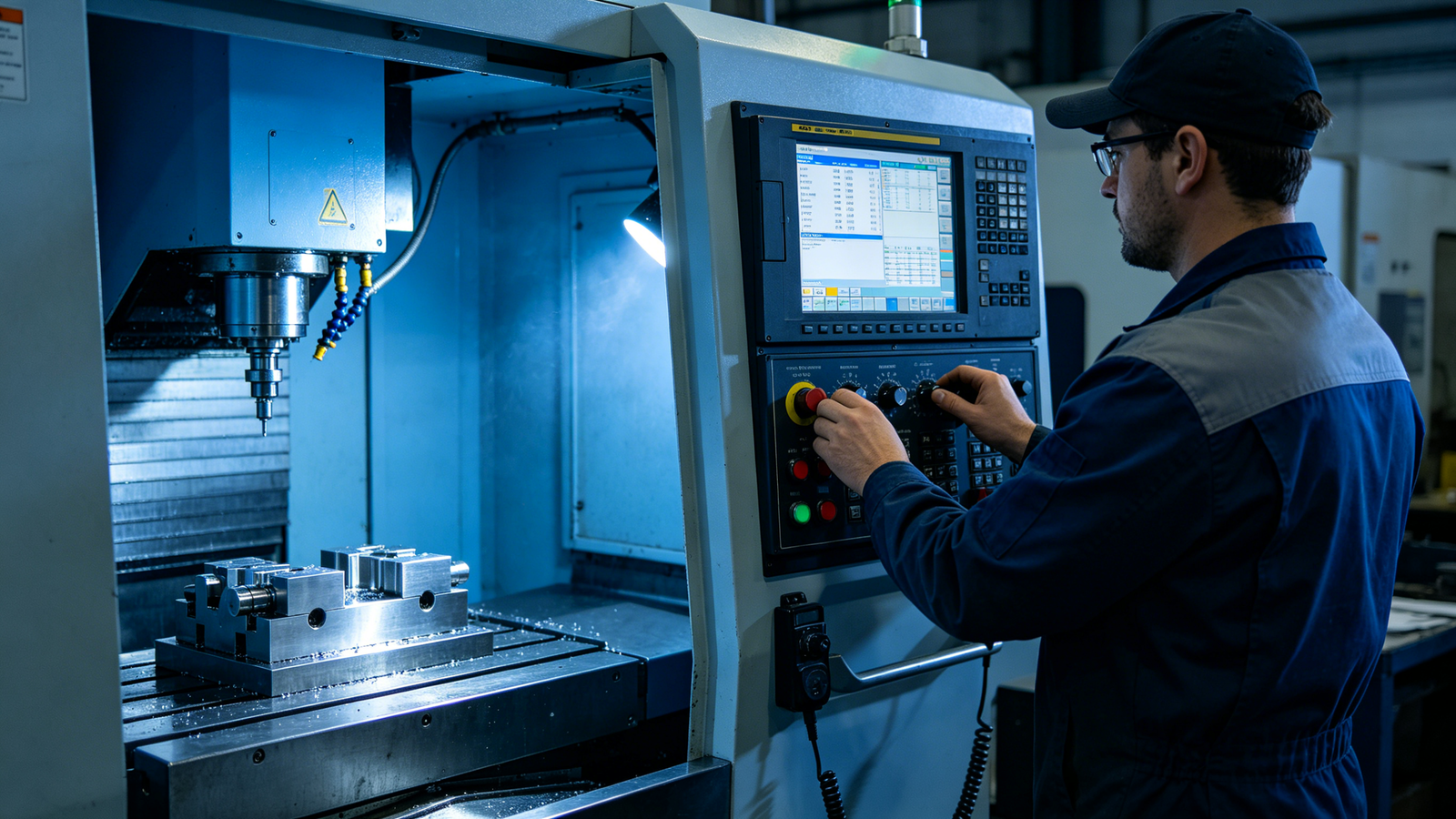
Automotive manufacturers require increasingly strict internal quality standards, and visual inspection alone cannot evaluate hidden porosity inside die casting parts. Suppliers need advanced methods such as industrial CT inspection, X-ray testing, and leak testing to verify internal structures. A reliable inspection system allows manufacturers to identify hidden defects before mass production risks occur.
X-ray Inspection: Suitable for checking internal pore distribution in production batches.
Industrial CT Analysis: Provides three-dimensional visualization of pore location, size, and density.
Leak Testing Validation: Essential for sealed components such as EV motor housings and battery-related parts.
Inspection Data Management: Quality reports help track trends and improve supply chain transparency.
⚙️ Inspection is not only about finding defects but proving that the manufacturing process can consistently deliver stable quality.
Automotive Die Casting Porosity Control Methods Comparison
| Control Method | Main Function | Application | Risk Reduction |
|---|---|---|---|
| Vacuum Die Casting | Reduces trapped air | Sealing components | High |
| Mold Optimization | Improves venting and feeding | Complex structures | Medium-High |
| Process Parameter Control | Stabilizes production | High-volume parts | Medium |
| CT Inspection | Verifies internal quality | Critical automotive parts | High |
If you are looking for an automotive die casting supplier capable of controlling internal quality risks, Xiamen Ruicheng provides complete support from process analysis, mold development, and production validation. Contact our engineering team through contact us for a professional manufacturing solution.
How to Select a Reliable Automotive Die Casting Supplier?
Automotive die casting procurement is not only about whether a supplier can manufacture a part but also whether they can provide stable long-term production performance. For automotive OEMs and Tier 1 suppliers, porosity control reflects a supplier’s engineering capability, quality management system, and risk prevention ability. Xiamen Ruicheng provides reliable automotive component manufacturing solutions through comprehensive production management.
The value of an excellent supplier lies in preventing problems before they reach customers.
1.Engineering Analysis Capability: Suppliers should provide DFM analysis to identify structural and process risks during early development.
2.Quality Control System: Complete process management ensures consistent performance between different production batches.
3.Production Validation Capability: Trial production and manufacturing data improve project success rates.
4.Supply Chain Coordination Ability: Fast communication and production planning reduce project development risks.
Automotive Die Casting Porosity Control FAQ
Question 1: What is the internal quality standard for your automotive die casting parts?
Answer: Xiamen Ruicheng develops internal quality standards according to customer application requirements. Through material inspection, process monitoring, and internal defect testing, we ensure automotive die casting parts meet requirements for structural strength, sealing performance, and long-term reliability.
Question 2: What information should we provide to receive a fast quotation for automotive die casting parts?
Answer: Customers usually need to provide 3D drawings, material specifications, application conditions, estimated order quantities, and quality requirements. Xiamen Ruicheng engineering teams evaluate product structure, manufacturing feasibility, and provide optimized quotation solutions.
Question 3: How are delivery schedules arranged for different automotive die casting order volumes?
Answer: Production schedules depend on tooling development, prototype validation, and order quantity. Xiamen Ruicheng manages different production plans for prototype runs and mass production orders to ensure stable delivery performance.
Question 4: How do you handle quality issues with delivered automotive die casting parts?
Answer: Xiamen Ruicheng analyzes quality issues based on inspection data and manufacturing records. Corrective actions may include process optimization, product improvement, or preventive measures to avoid repeated problems.
Question 5: Can you support customized automotive die casting development?
Answer: Xiamen Ruicheng provides customized die casting solutions based on customer designs, material requirements, and application environments, including DFM optimization, tooling development, trial production, and mass manufacturing support.
Conclusion
Controlling porosity in automotive die casting parts requires integrated management across product design, materials, mold engineering, production processes, and inspection systems. For automotive manufacturers, the supplier’s ability to manage quality risks throughout the entire manufacturing process determines long-term project reliability.Xiamen Ruicheng combines engineering expertise and manufacturing experience to provide dependable automotive die casting solutions for global customers.Selecting a supplier with complete quality management capabilities helps reduce production risks, improve product reliability, and achieve stable performance throughout the product lifecycle.
For expert assistance in implementing automotive die casting solutions for your production needs, visit our resource center or contact us. Let’s help you scale up your manufacturing with precision and efficiency!