Introduction
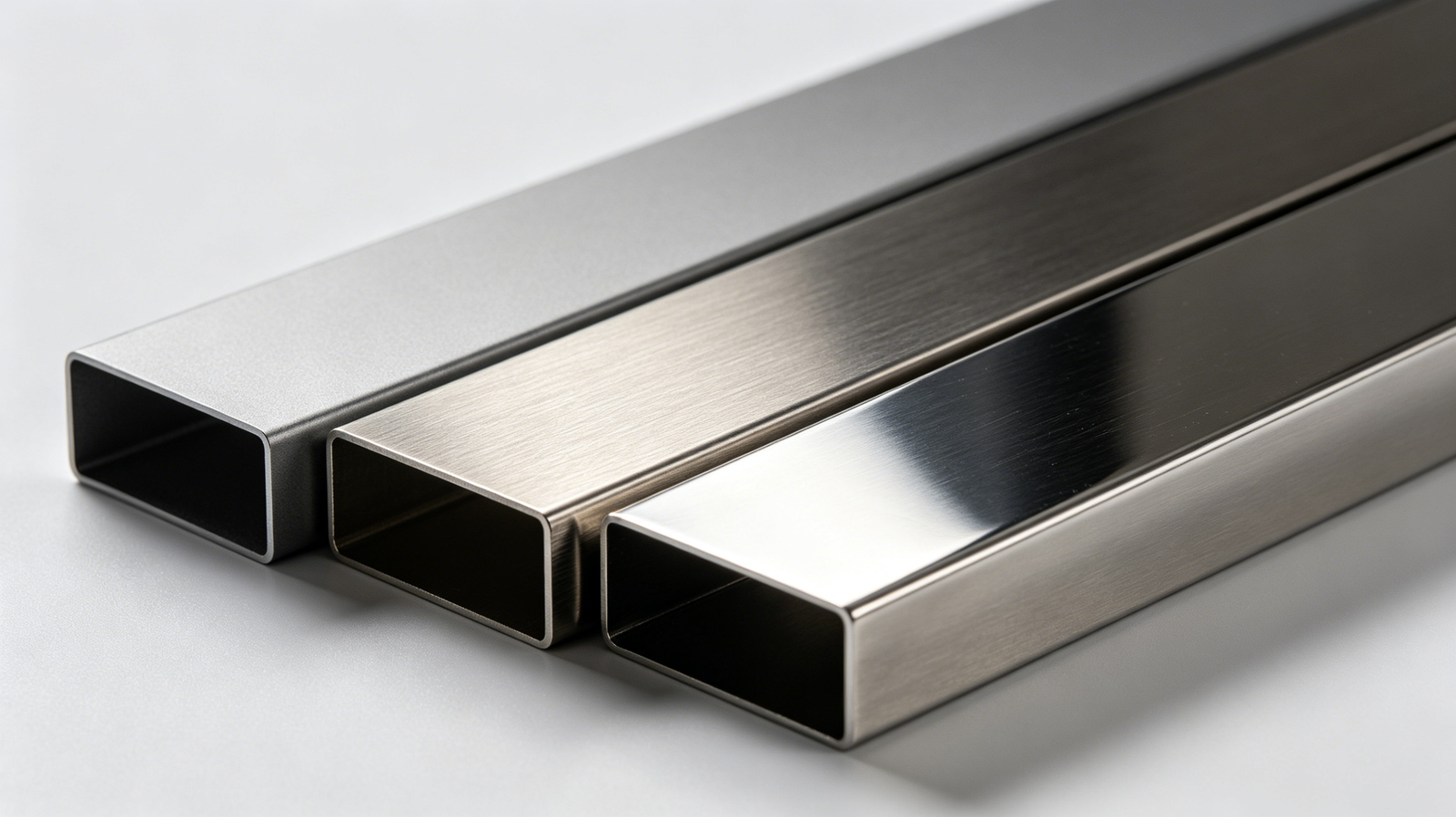
In high-performance sports equipment development, CNC material selection directly determines the balance between lightweight design and structural safety. Different sports applications demand varying levels of impact resistance, fatigue life, and weight optimization, making material engineering a critical early-stage decision. The correct material choice defines the ultimate performance ceiling of the entire sports system.
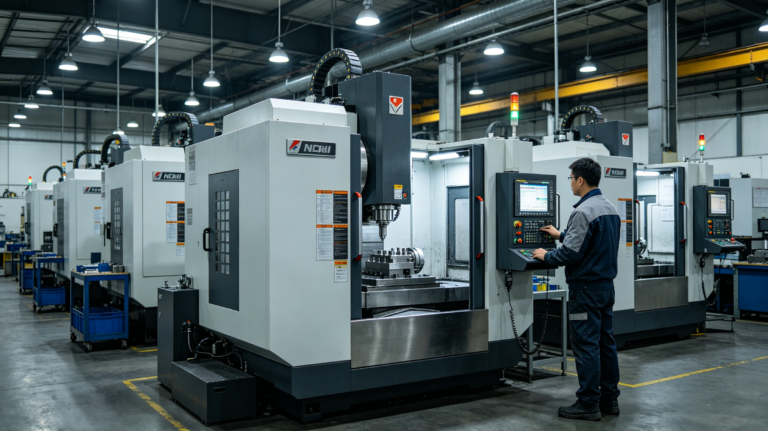
For OEM brands and product development teams, sports components must achieve both low weight and high structural reliability under dynamic load conditions. During CNC manufacturing projects, Xiamen Ruicheng integrates mechanical analysis, material science, and machining expertise to support engineering-grade decision-making. Effective material selection always comes from aligning design intent with manufacturing capability.
How to Balance Strength and Lightweight Requirements in Sports CNC Parts?
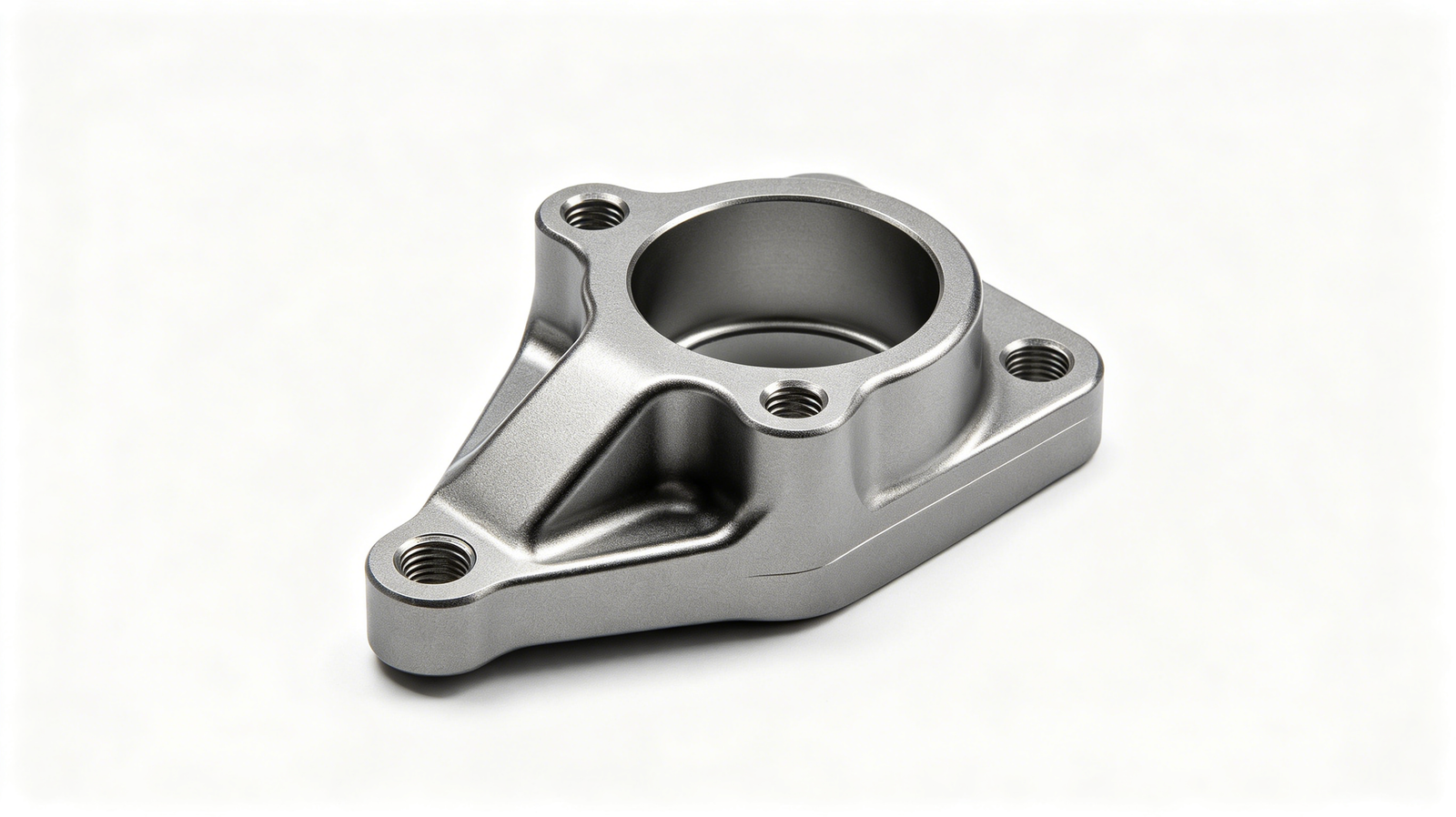
Balancing strength and lightweight design is one of the most critical challenges in sports component engineering. Over-prioritizing weight reduction can lead to fatigue failure, while focusing only on strength increases system inertia and reduces performance efficiency. In real engineering practice, CNC machining is not only a manufacturing process but also a key enabler of material performance. Specific strength (strength-to-weight ratio) determines the structural efficiency limit of sports components.
Lightweight Optimization: Reducing material density improves speed, agility, and energy efficiency in sports systems.
Structural Integrity: Components must withstand repeated impact and cyclic fatigue without failure.
Dynamic Response: Material stiffness directly influences motion responsiveness and control accuracy.
System Balance: Weight reduction of a single part must consider overall structural load distribution.
💡 In sports engineering, the goal is not simply lighter parts, but optimized weight within safety limits.
How Do Different CNC Materials Affect Sports Performance?
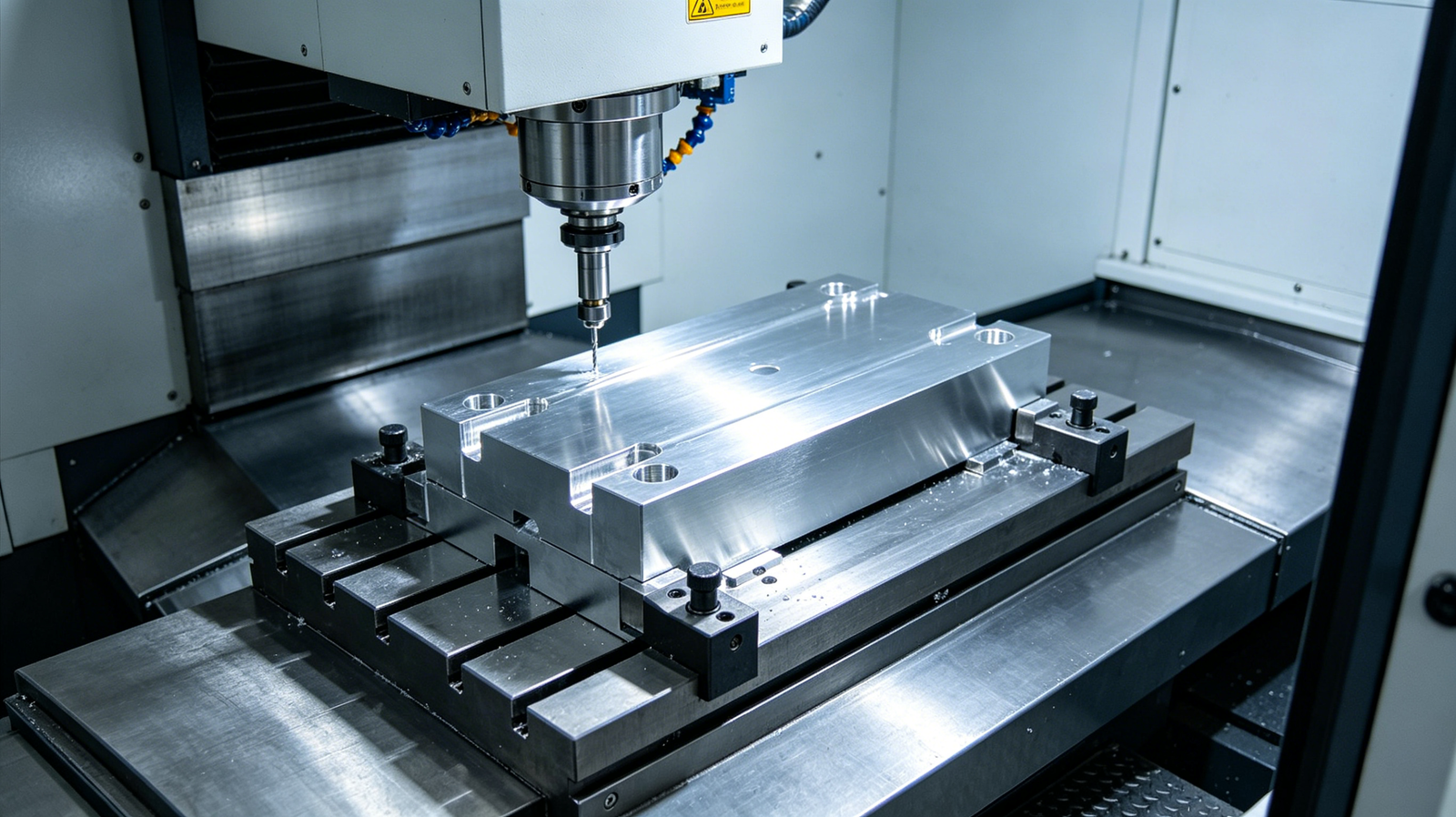
In sports equipment manufacturing, aluminum alloys, titanium alloys, and steels form the core material systems. Each material significantly influences responsiveness, durability, and energy transfer efficiency. Engineers must select materials based on real application scenarios rather than assuming higher strength always means better performance. Material selection directly defines real-world athletic performance, not just design specifications. For example, aluminum CNC machining is widely used in bicycle frames, fitness equipment, and outdoor sports structures.
Aluminum Solutions: Ideal for lightweight, high-speed, and responsive sports structures.
Titanium Solutions: Suitable for extreme loads and high-fatigue environments with superior durability.
Steel Solutions: Used in critical load-bearing joints requiring maximum structural safety.
Hybrid Structures: Multi-material design optimizes both performance and manufacturing cost.
💡 Material engineering is performance design, not just metal substitution.
How to Select CNC Materials Based on Sports Application Scenarios?
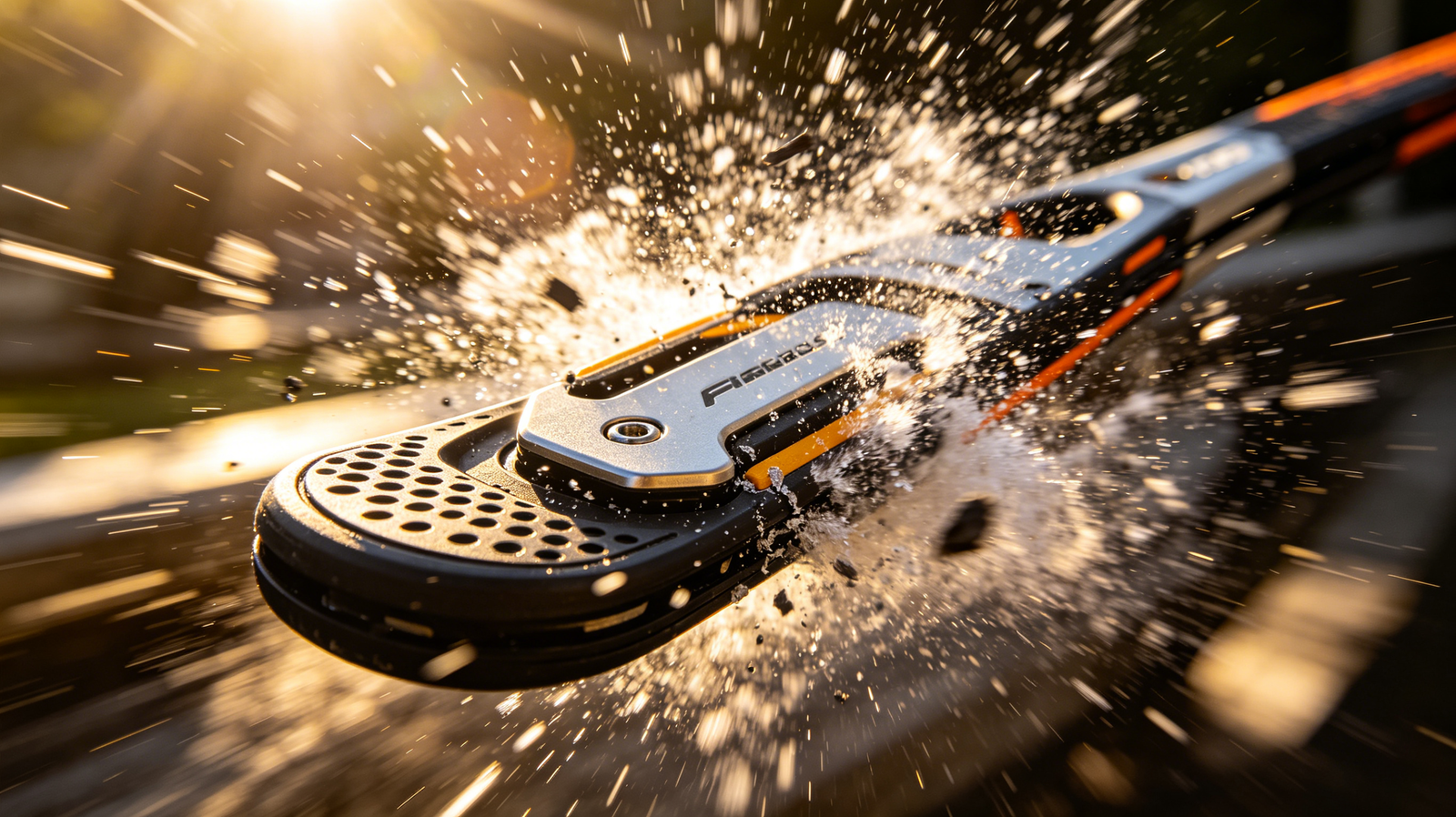
Sports applications are highly diverse, meaning material selection must be based on real usage conditions rather than laboratory data alone. Different sports impose different demands on impact frequency, load direction, and environmental exposure. Proper material selection significantly improves reliability and safety margins in sports equipment. At Xiamen Ruicheng, DFM analysis combined with material databases is used to match materials with real-world applications.
Impact Conditions: High-impact sports require superior fatigue resistance materials.
Continuous Loading: Long-term stress applications require deformation-resistant materials.
Outdoor Exposure: Humidity, salt spray, and UV exposure affect material durability.
Precision Motion: High-precision systems require low-deformation materials for stability.
💡 Application scenario defines material choice, not the other way around.
CNC Material Performance Comparison for Sports Applications
| Material Type | Strength Level | Weight Level | Fatigue Life | Typical Applications |
|---|---|---|---|---|
| 6061 Aluminum | Medium | Lightweight | Medium | Fitness equipment structures |
| 7075 Aluminum | High | Lightweight | High | Bicycle and racing components |
| Titanium Alloy | Very High | Medium | Excellent | High-end sports equipment |
| Alloy Steel | Extreme | Heavy | Stable | Load-bearing safety components |
In real-world projects, material selection must also consider machining capability, cost structure, and delivery timelines. If you are evaluating a sports component solution, you can contact us for engineering-level material recommendations.
How Sports Material Selection Impacts Commercial Competitiveness
In the high-end sports equipment market, material selection not only affects performance but also defines product positioning and brand value. Lightweight and high-strength materials increase product premium potential, while stable manufacturing consistency determines scalability. Material engineering capability has become a core competitive advantage in modern sports product development.
1.Performance Differentiation: Advanced materials create clear technical advantages over competitors.
2.Brand Positioning: Titanium and aerospace-grade aluminum elevate product perception.
3.Mass Production Stability: Consistent material supply ensures scalable manufacturing.
4.User Experience: Weight reduction and stiffness directly impact athletic performance.
FAQ
Question 1: What is your key advantage in CNC material selection for sports components?
Answer: Xiamen Ruicheng integrates mechanical load analysis and material databases to provide engineering-level material solutions balancing strength, weight, and fatigue life.
Question 2: What information is required to start a sports CNC project?
Answer: Customers should provide CAD drawings, usage scenarios, load conditions, and target weight for proper DFM analysis and material matching.
Question 3: Do different materials affect lead time?
Answer: Yes. Aluminum alloys typically have shorter machining cycles, while titanium and high-strength steels require longer processing time due to machining complexity.
Question 4: How do you ensure consistency in mass production?
Answer: Consistency is ensured through standardized CNC processes, controlled material batches, and CMM inspection systems.
Question 5: Can you provide customized material optimization solutions?
Answer: Yes. We offer tailored material recommendations based on application conditions, structural requirements, and performance targets.
Conclusion
High-performance sports component material selection is fundamentally a system-level balance between strength, safety, and weight. Different sports applications require different material strategies, making engineering-based decision-making essential. The best material solution comes from understanding motion behavior and aligning it with manufacturing capability.Through CNC machining expertise, material engineering experience, and DFM analysis systems, Xiamen Ruicheng helps customers optimize sports product development from the earliest design stage, ensuring both performance and cost efficiency advantages.
For expert assistance in CNC material selection for sports components, visit our resource center or contact us. Let’s help you build high-performance sports products with precision and efficiency!