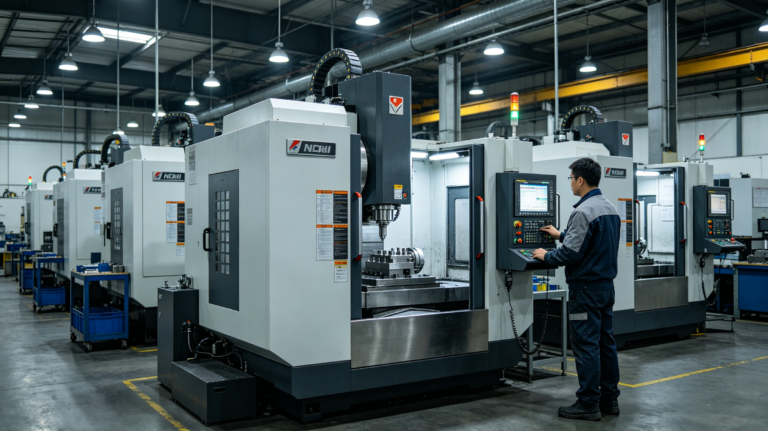
Introduction
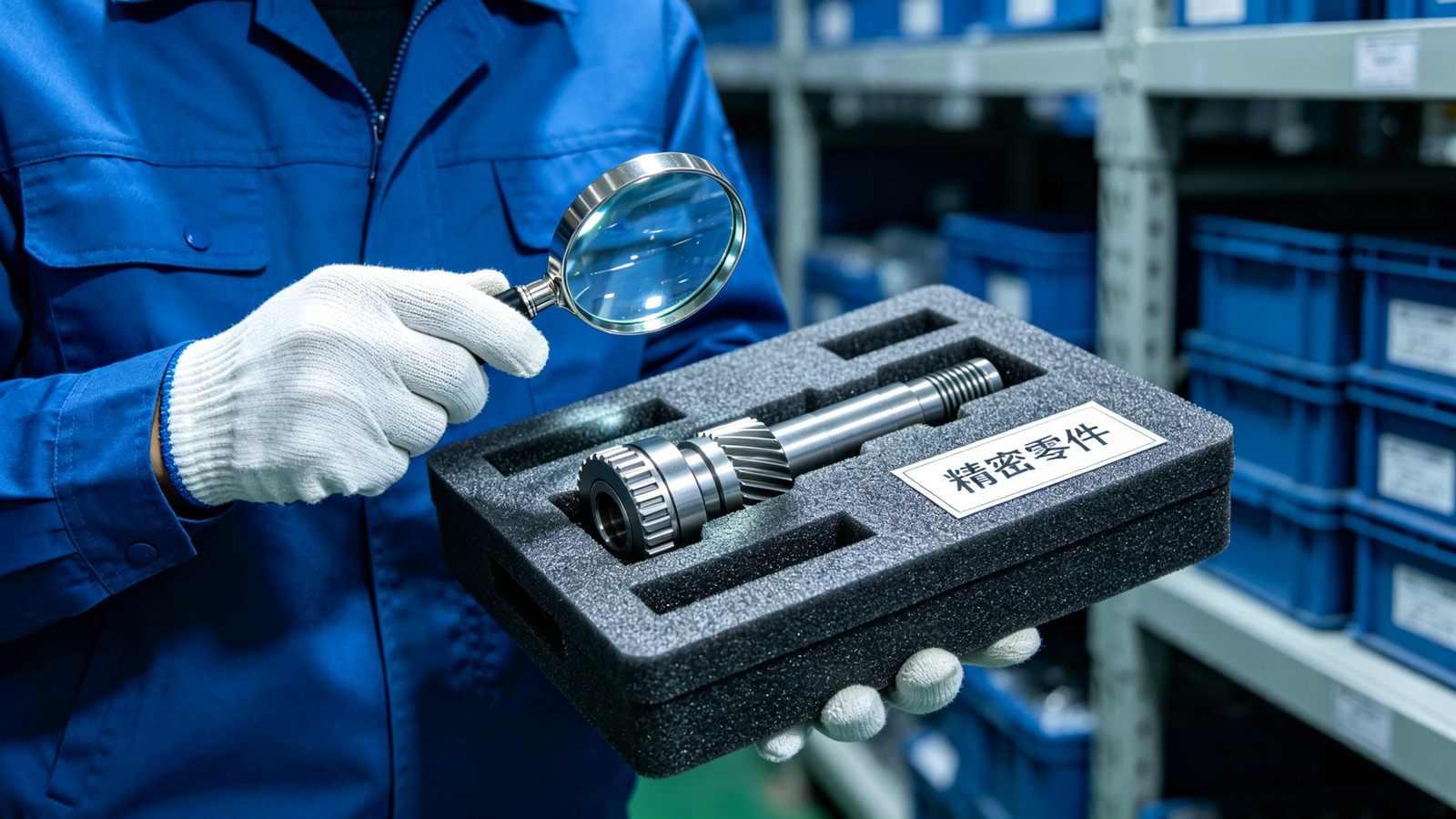
Precision CNC machining has become a critical capability in high-end manufacturing, from medical devices to aerospace components, where dimensional consistency is increasingly essential. More buyers are shifting their focus from price alone to how machining accuracy directly impacts product performance and long-term reliability. True competitiveness lies not in the number of machines, but in the ability to control tolerances consistently.
In real-world projects, tighter tolerances are not always better; they must balance cost, function, and manufacturability. Xiamen Ruicheng leverages years of process expertise to transform “precision capability” into “decision support,” helping clients eliminate risks at the design stage. Accurate tolerance control is the bridge between design intent and stable mass production.
How tight can precision CNC machining tolerances really be?
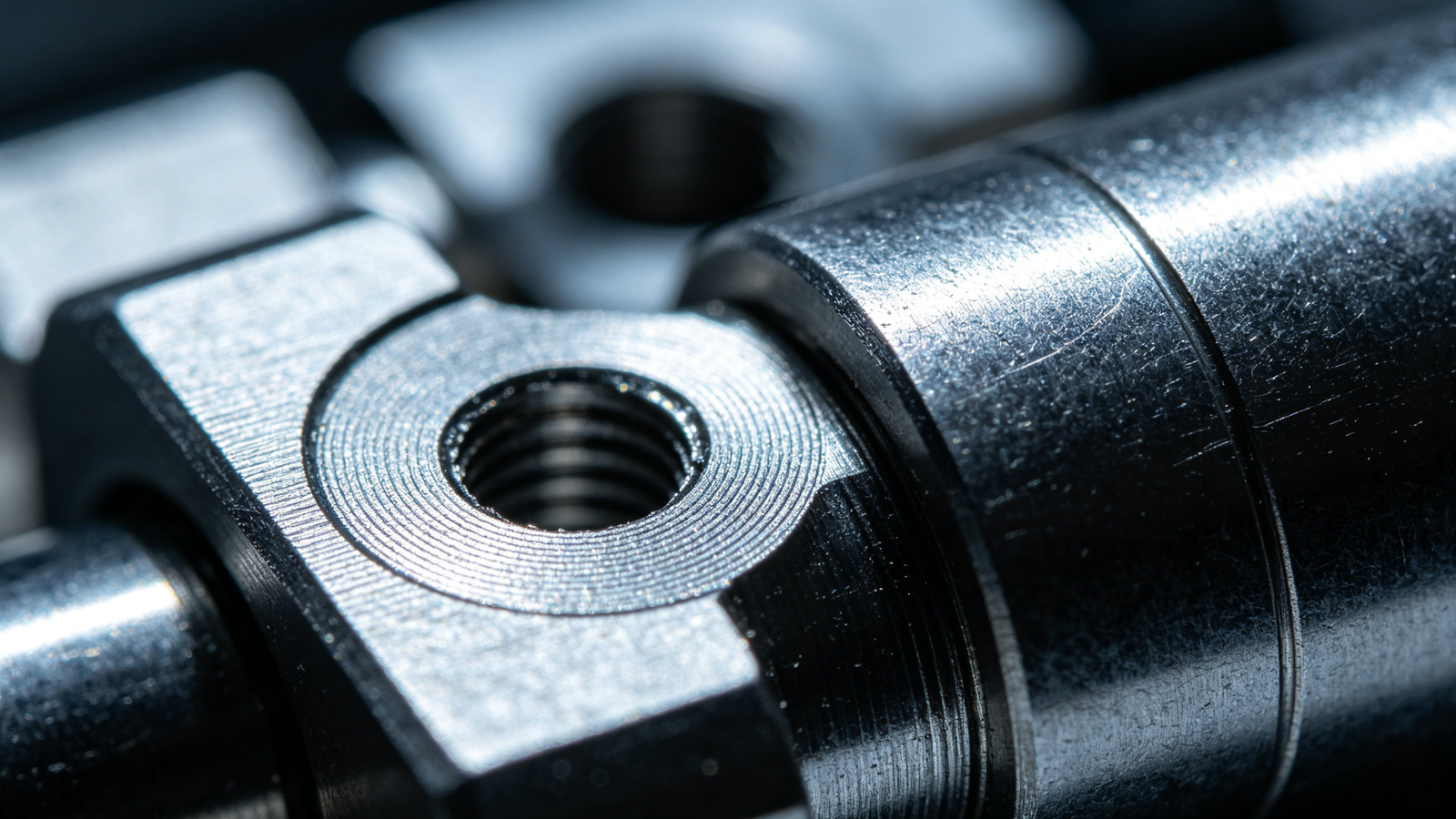
In advanced manufacturing, achievable CNC tolerances depend on machine accuracy, process control, and inspection systems working together, where CNC machining and tolerance standards must align with real manufacturability. For most metal parts, ±0.01 mm is consistently achievable, while critical features can reach ±0.002 mm under controlled environments and advanced 5-axis machining. What truly determines project success is not the extreme number, but the ability to maintain consistency in batch production.
Machine capability: High-end 5-axis machines improve repeatability and reduce manual error.
Process strategy: Optimized toolpaths minimize deformation and internal stress.
Material behavior: Different metals expand and react differently during machining.
Inspection system: CMM inspection ensures every batch meets tolerance requirements.
🔍 Consistency matters more than theoretical limits.
What factors limit CNC machining tolerance capability?
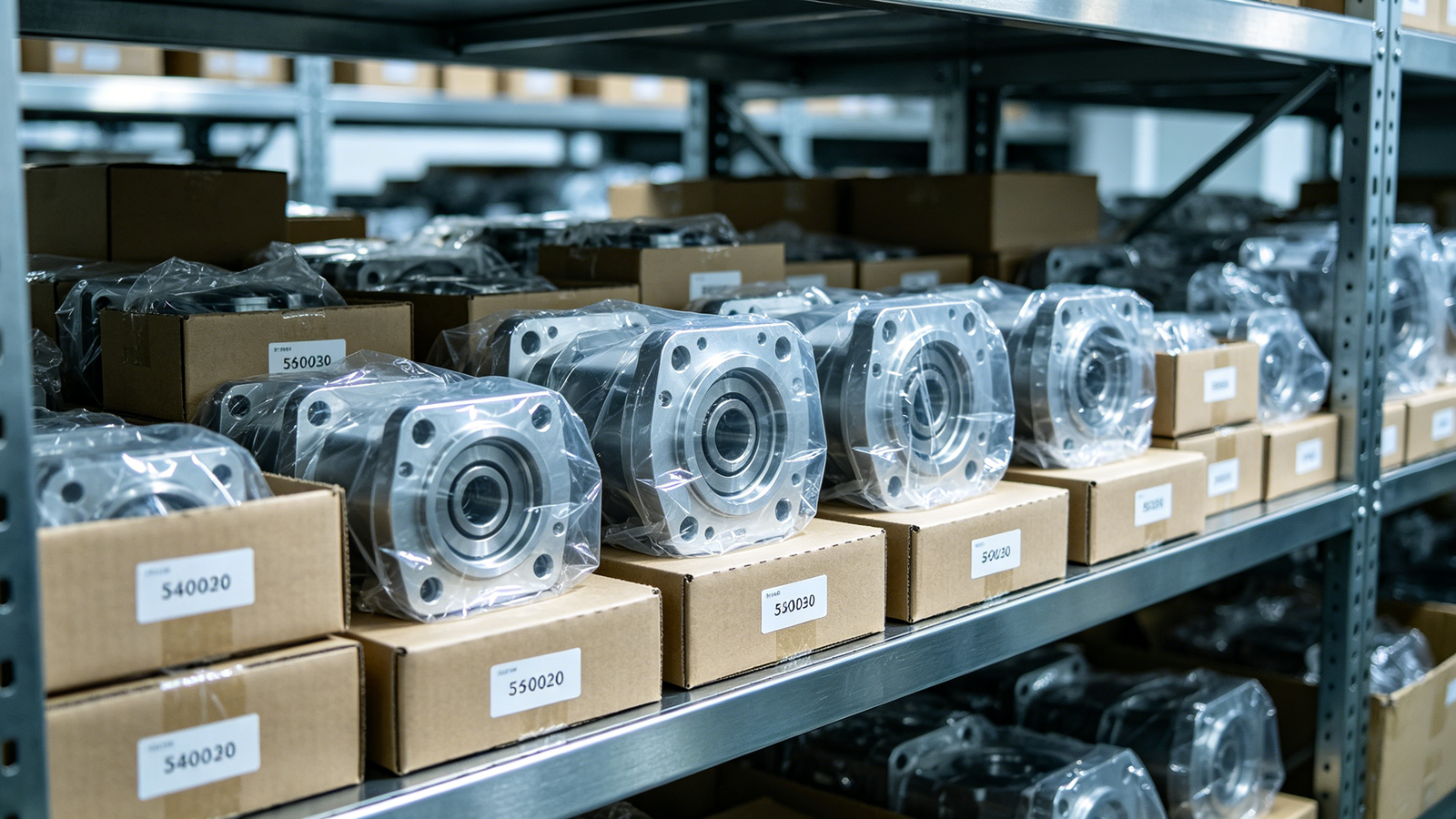
Even with advanced equipment, machining tolerances are influenced by variables such as material properties, tool wear, and environmental conditions, where metalworking and engineering tolerance interact to define final accuracy. Xiamen Ruicheng applies full-process control to break down and optimize each error source for stable output. Tolerance is not a machine parameter but the result of a complete manufacturing system.
Material stability: Aluminum and stainless steel behave differently under machining stress.
Tool condition: Tool wear gradually increases dimensional deviation.
Environment control: Temperature stability reduces thermal expansion errors.
Fixturing method: Improper clamping introduces additional stress and distortion.
⚙️ Tolerance is controlled by the system, not a single factor.
How to balance tolerance and cost effectively?
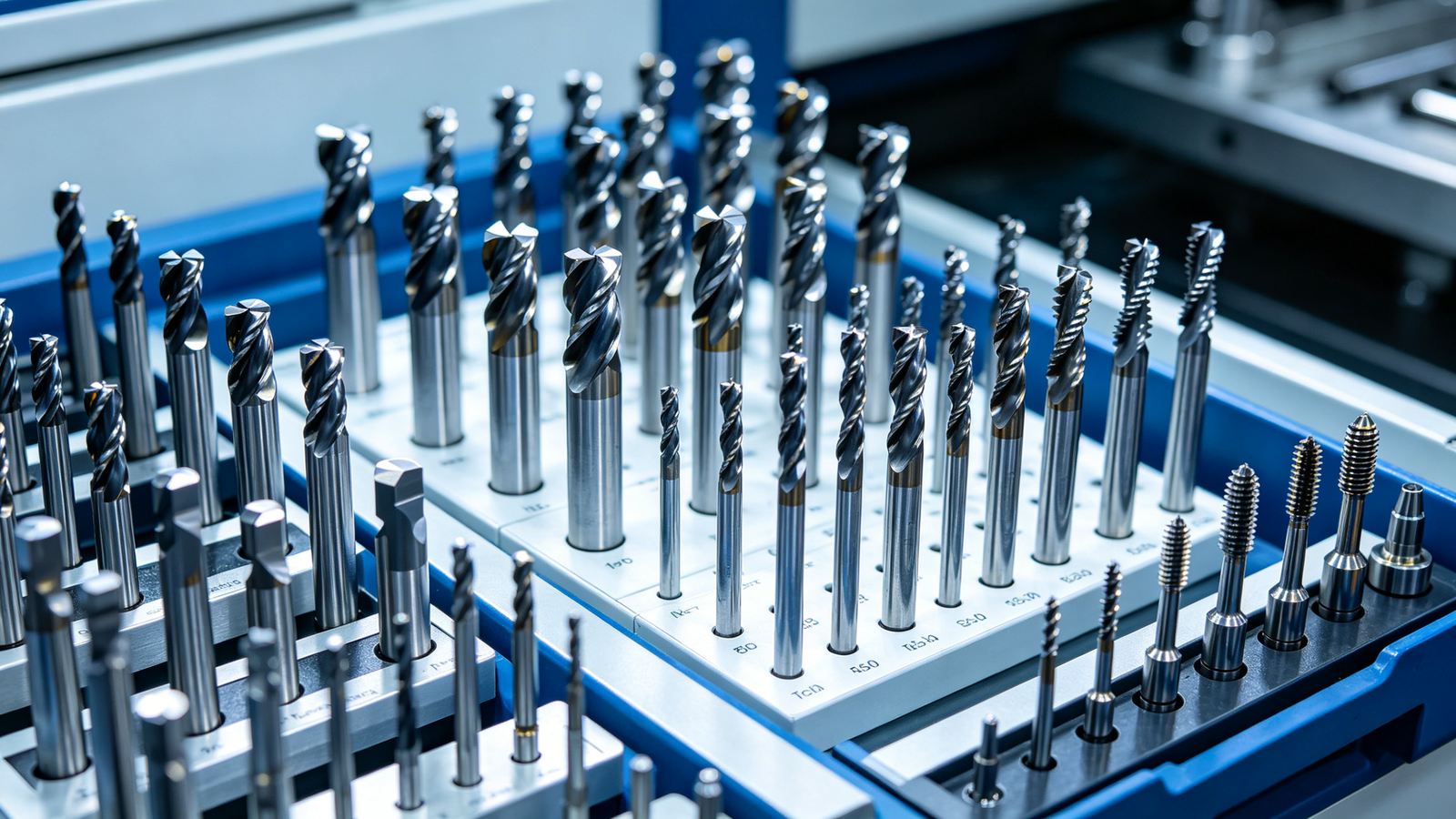
In procurement decisions, pursuing ultra-tight tolerances often leads to exponential cost increases, while also affecting lead time and yield, making the balance between manufacturing cost and design for manufacturability critical. Xiamen Ruicheng participates early in design reviews to optimize tolerance settings, ensuring both functionality and manufacturability. Well-defined tolerances can significantly reduce cost without compromising performance.
Function priority: Apply tight tolerances only to critical features.
Tiered tolerance: Different areas use different tolerance levels.
Process matching: Select machining methods based on structure.
Early evaluation: DFM analysis prevents costly design issues.
💡 Smart tolerance design is cost-performance optimization.
Comparison of machining methods and tolerance capabilities
| Process Type | Standard Tolerance | Tightest Tolerance | Cost Level | Application | Stability | Batch Consistency |
|---|---|---|---|---|---|---|
| 3-axis CNC | ±0.02 mm | ±0.01 mm | Low | General parts | Medium | Medium |
| 5-axis CNC | ±0.01 mm | ±0.002 mm | High | Complex precision parts | High | High |
| Precision Grinding | ±0.005 mm | ±0.001 mm | Higher | Ultra-fine surfaces | High | High |
| Mill-Turn | ±0.01 mm | ±0.003 mm | Medium-High | Multi-process parts | High | High |
Want to know the optimal tolerance strategy for your project? Get expert advice now 👉 contact us
How to determine the right tolerance for your project?
In real procurement scenarios, not all parts require ultra-tight tolerances; the key is identifying critical dimensions and allocating precision strategically. Xiamen Ruicheng supports clients through design evaluation and process analysis to define which tolerances must be strict and which can be relaxed to reduce cost and lead time. Accurate identification of critical tolerances is the foundation of cost-effective manufacturing.
1.Functional analysis: Identify dimensions that affect assembly and performance.
2.Cost evaluation: Assess how tolerance levels impact pricing.
3.Process selection: Match structure with suitable machining methods.
4.Risk control: Use simulation and prototyping to reduce uncertainty.
FAQ (General B2B Procurement Questions)
Question 1: What is the core precision capability and quality baseline of your precision CNC machining service?
Answer: Xiamen Ruicheng consistently achieves ±0.01 mm tolerances, with critical features reaching ±0.002 mm under controlled conditions, supported by CMM inspection and a full quality control system to ensure batch consistency.
Question 2: What information do we need to provide to get a fast quotation?
Answer: You should submit 3D files (STEP/IGES), 2D drawings with tolerance requirements, and material specifications. After submission, initial evaluation is completed within 2 hours and a detailed quote with process suggestions is provided within 12 hours.
Question 3: What are the MOQ and lead time for different order volumes?
Answer: Prototype orders can start from 10–50 pieces, with standard lead times of 5–10 days. Large-volume production is scheduled flexibly, and urgent orders can be delivered within 48 hours.
Question 4: How do you handle quality issues or dimensional deviations?
Answer: Quality inspection is supported within 7 days after delivery. Confirmed issues are resolved within 48 hours through rework or replacement, with clear responsibility defined in agreements.
Question 5: Do you offer customization based on special application requirements?
Answer: Yes, we support custom solutions for high-temperature, high-precision, or complex structures. Provide working conditions and usage details, and a tailored solution will be delivered within 3 working days.
Conclusion
Precision CNC machining tolerance is not defined by a single number but by the integration of equipment, process, and quality management. Proper tolerance design directly impacts performance, cost, and delivery efficiency. A reliable supplier helps customers make the right tolerance decisions at the design stage. Xiamen Ruicheng transforms technical expertise into practical, manufacturable solutions that support your production goals.
For expert assistance in implementing for your production needs, visit our resource center or contact us. Let’s help you scale up your manufacturing with precision and efficiency!