Introduction
Automotive die casting components play an important role in powertrain systems, electronic systems, and structural applications. The manufacturing process directly affects dimensional stability, mechanical performance, and long-term reliability of the final parts. From mold design and alloy selection to casting parameter control, every production stage can influence the quality performance of automotive components.
The die casting process determines not only manufacturing efficiency but also the consistency and reliability of automotive parts during mass production. In real automotive projects, defects such as porosity, deformation, cracks, and dimensional variation are usually caused by insufficient process control across multiple manufacturing stages. Xiamen Ruicheng helps customers build reliable automotive supply chains through professional engineering analysis, mold development, and quality verification systems.
How Do Die Casting Parameters Affect Automotive Part Quality?
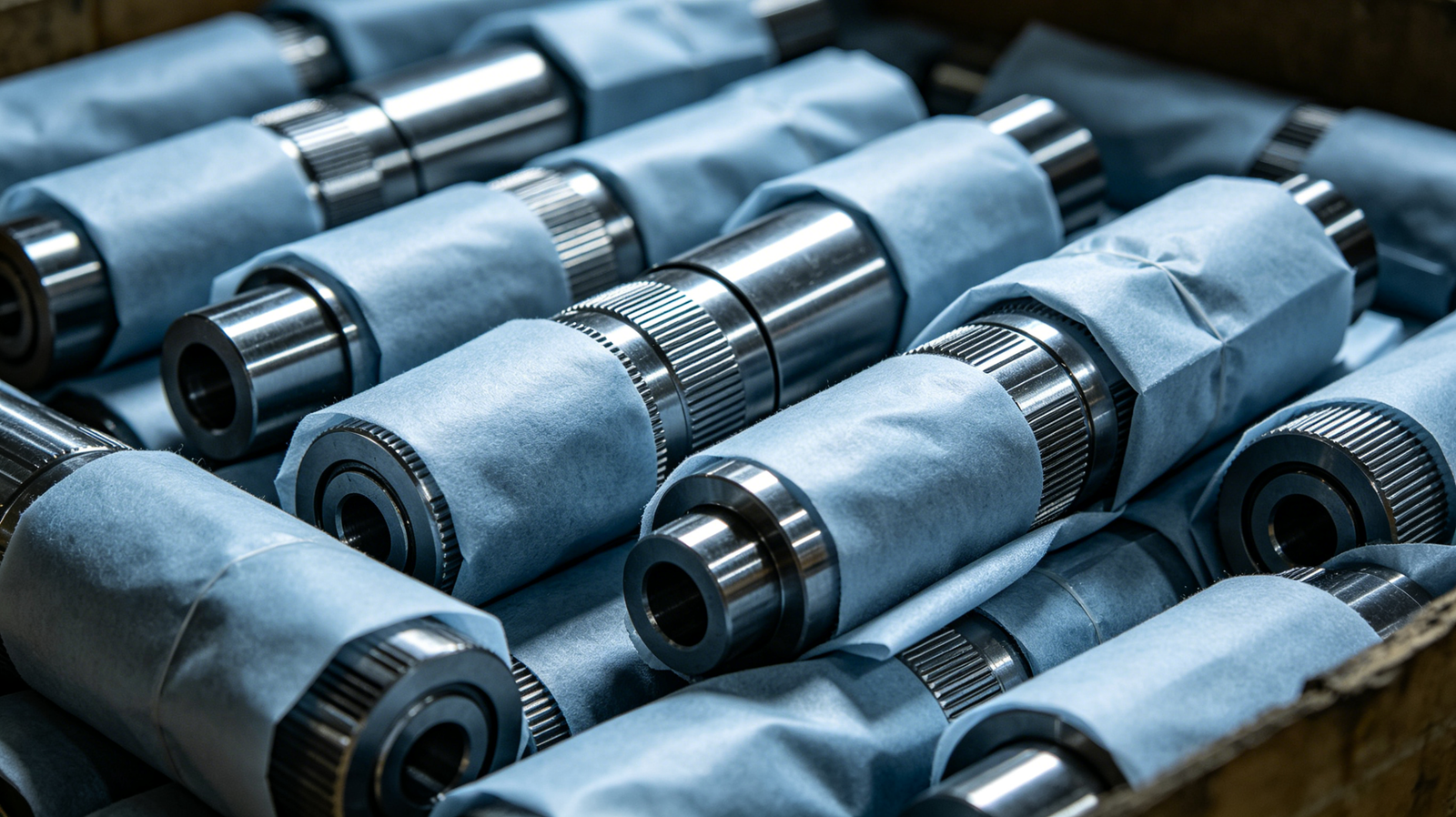
Automotive die casting quality is highly influenced by multiple production parameters, including injection pressure, filling speed, temperature control, and cooling conditions. Insufficient injection speed may result in incomplete filling, while excessive speed can create turbulence and internal porosity. Stable die casting parameter control is the foundation for achieving consistent automotive parts in high-volume production. At Xiamen Ruicheng, we optimize manufacturing processes through engineering validation and process monitoring to reduce dimensional variation. We also apply advanced die casting processes and follow structured quality management systems to meet automotive industry requirements.
Pressure Control: Proper injection pressure ensures complete filling of complex geometries while reducing internal defects.
Temperature Management: Stable mold temperature and alloy temperature help prevent shrinkage, cracks, and surface defects.
Filling Speed: Optimized filling speed improves productivity while avoiding turbulence-related quality problems.
Cooling Process: Uniform cooling reduces deformation and improves dimensional accuracy and mechanical properties.
🔧 Proper control of die casting parameters improves automotive component stability and reduces potential quality risks.
How Does Mold Design Determine Automotive Die Casting Performance?
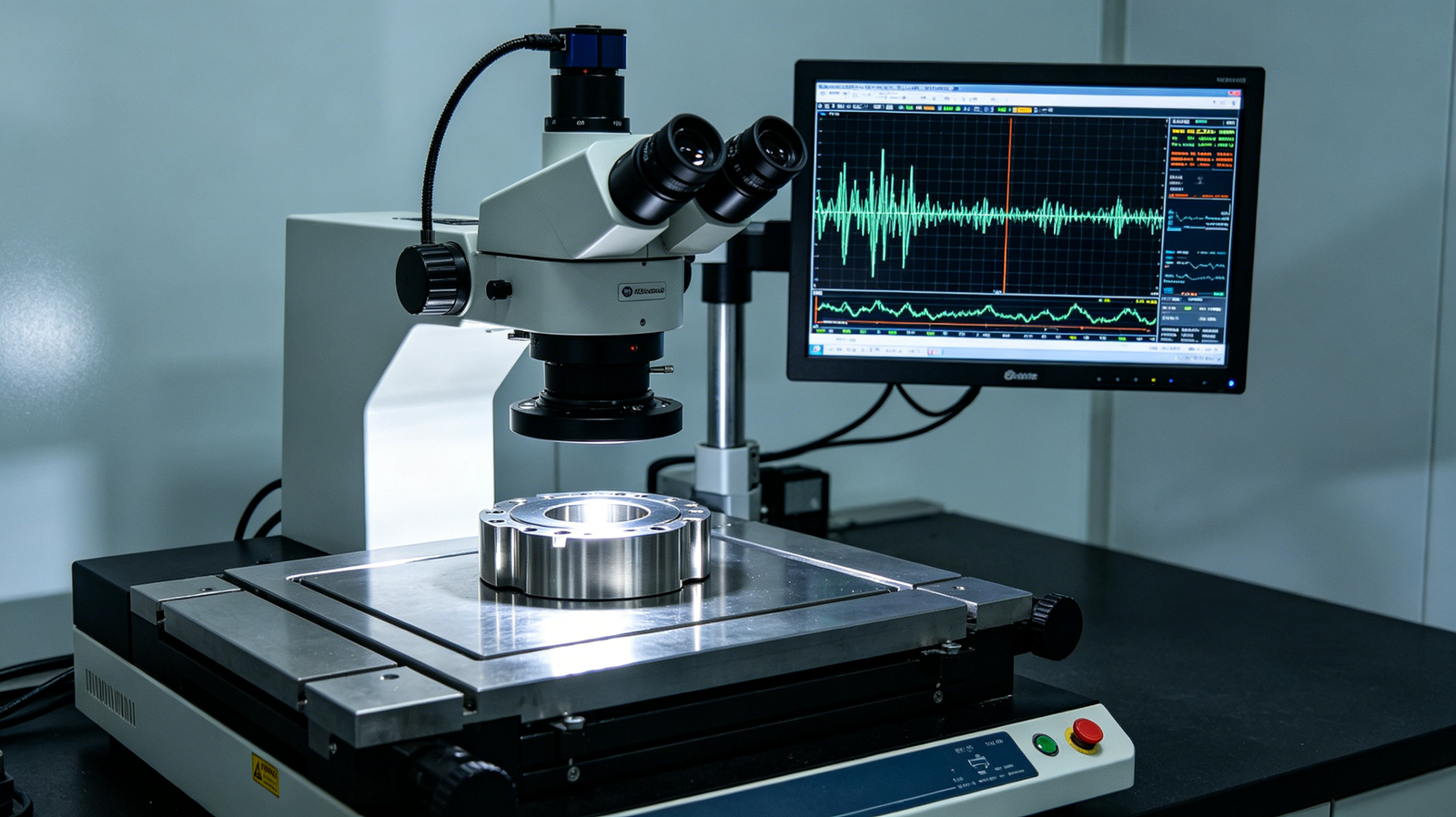
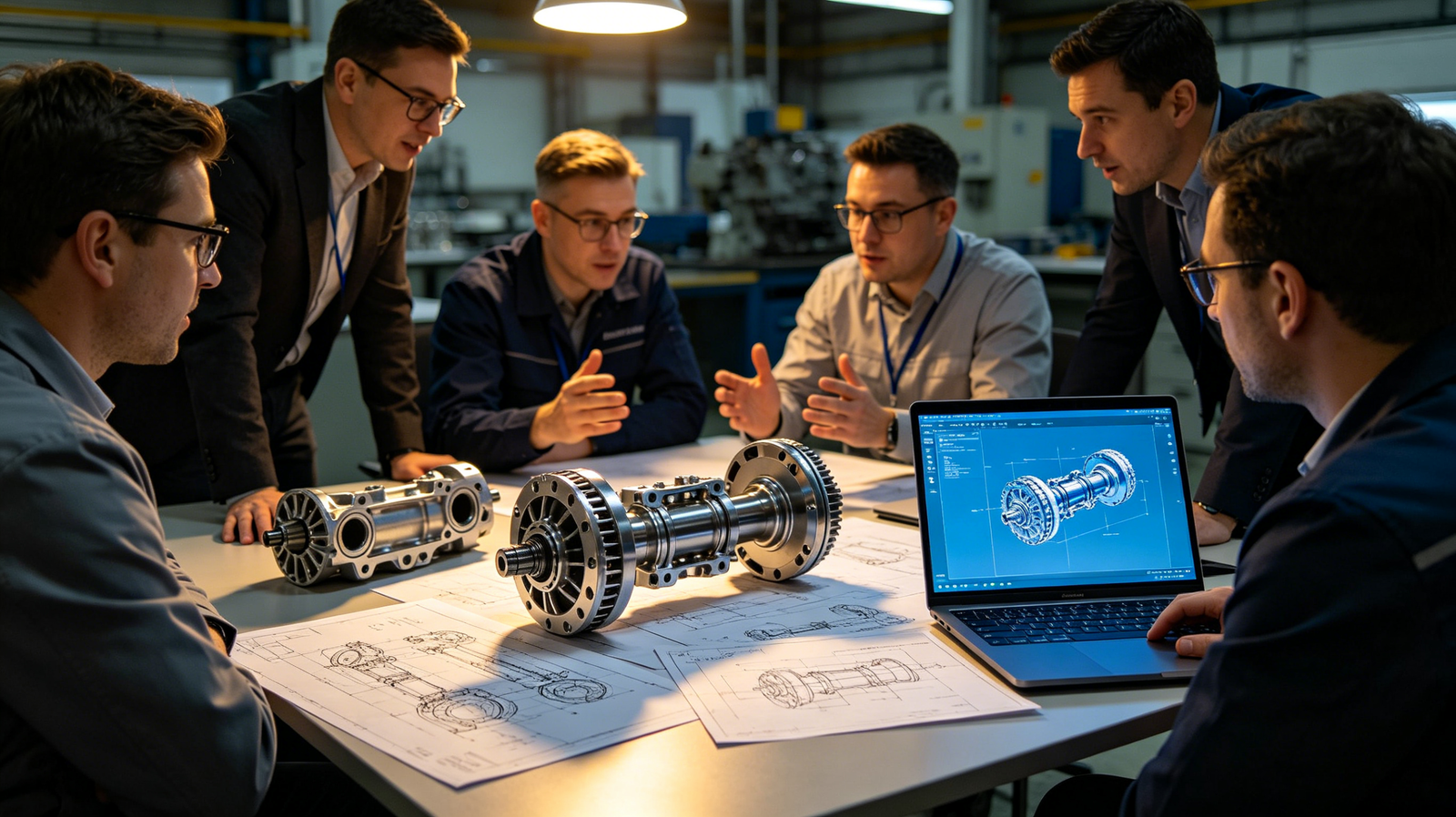
Die casting mold design is one of the most important factors affecting automotive component quality. Mold structure determines metal flow behavior, cooling efficiency, and production stability. Many automotive parts include thin-wall sections, reinforcement ribs, and precision mounting areas, making proper mold design essential for successful production. A well-designed mold can prevent potential quality problems before production begins instead of relying on costly corrections later.At Xiamen Ruicheng, we use DFM analysis during the development stage to optimize product structures and improve manufacturability. For high-performance automotive components, we also evaluate filling behavior, cooling performance, and potential defect risks through engineering simulation before mass production.
Runner Design: Optimized metal flow paths reduce turbulence and improve filling consistency.
Ventilation System: Effective air removal reduces gas porosity and internal casting defects.
Mold Durability: High-quality mold materials and precision machining ensure long-term production stability.
Dimensional Control: Accurate mold manufacturing improves repeatability during mass production.
🚗 Successful automotive die casting projects rely not only on equipment capability but also on advanced mold engineering.
How Does Material Selection Influence Automotive Die Casting Reliability?
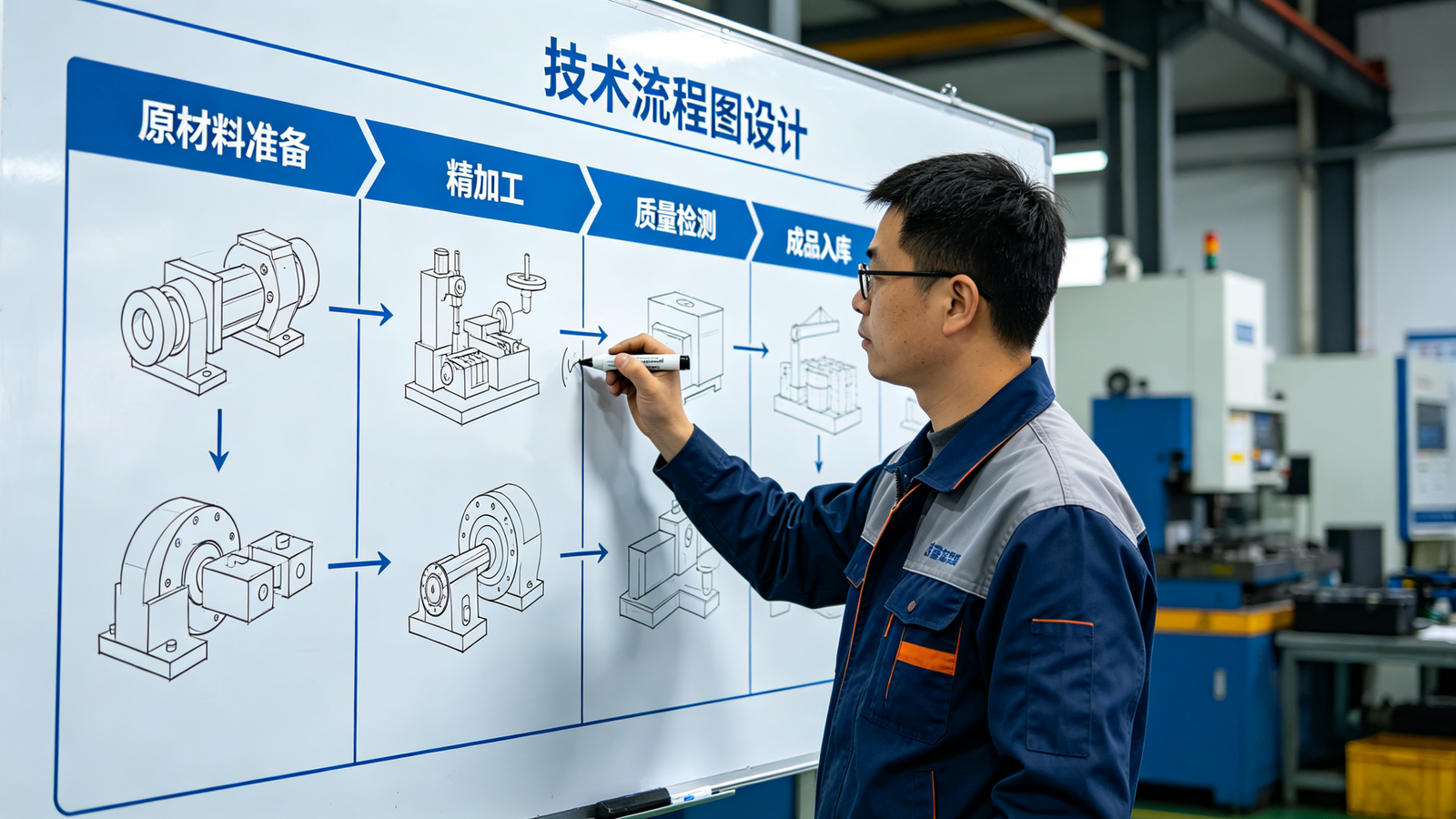
Different die casting alloys provide different levels of strength, weight reduction, corrosion resistance, and thermal performance. Aluminum alloys are widely used in automotive applications due to their lightweight advantages, especially for EV motor housings, structural parts, and heat dissipation components. Magnesium alloys are also selected for applications requiring further weight reduction. Choosing the right material helps automotive parts achieve the balance between lightweight design, strength, and durability.Xiamen Ruicheng evaluates material options based on customer application conditions, mechanical requirements, and cost targets. Through material analysis, performance testing, and production validation, we ensure automotive components meet long-term operational requirements.
Aluminum Alloy Applications: Suitable for lightweight automotive structures, motor housings, and thermal management components.
Magnesium Alloy Advantages: Provides lower density and is suitable for weight-sensitive applications.
Material Testing: Composition analysis and performance verification ensure material consistency.
Application Matching: Alloy selection is optimized according to temperature, load, and environmental conditions.
⚙️ Material selection is not only a cost decision but also a key factor affecting automotive part lifecycle performance.
How Do Different Die Casting Factors Influence Automotive Part Quality?
| Die Casting Factor | Main Impact | Common Issues | Optimization Method |
|---|---|---|---|
| Injection Parameters | Filling quality | Porosity, incomplete filling | Process optimization |
| Mold Structure | Forming stability | Deformation, cracks | DFM analysis |
| Material Selection | Performance reliability | Insufficient strength | Alloy matching |
| Quality Inspection | Production consistency | Dimensional variation | Data monitoring |
If you are looking for a reliable die casting partner to reduce automotive component quality risks and improve production stability, Xiamen Ruicheng provides professional engineering support based on your project requirements. contact us
How Does Die Casting Process Optimization Support Automotive Mass Production?
Automotive manufacturers are increasingly demanding suppliers with complete manufacturing capabilities rather than simple production capacity. A reliable die casting supplier needs not only advanced equipment but also strong capabilities in mold development, process optimization, inspection validation, and continuous improvement. A stable manufacturing system helps customers reduce supply chain risks and accelerate product launch schedules.
1.Engineering Analysis Capability: Xiamen Ruicheng performs DFM evaluations to identify potential design risks and improve manufacturing feasibility.
2.Process Control Capability: Production parameters and inspection procedures are managed systematically to maintain consistent quality.
3.Validation Management Capability: Dimensional inspection, performance testing, and sample validation ensure parts meet customer expectations.
4.Supply Chain Support Capability: We provide integrated manufacturing services from mold development to mass production.
Automotive Die Casting Supplier FAQ
Question 1: What are the key quality advantages of your automotive die casting components?
Answer: Xiamen Ruicheng maintains automotive die casting quality through a complete manufacturing control system covering mold development, process validation, dimensional inspection, and mass production management. Based on project requirements, we provide material recommendations, precision requirements, and quality verification data to help customers reduce manufacturing risks.
Question 2: What information do we need to provide to receive a fast quotation for automotive die casting parts?
Answer: Customers usually need to provide 3D CAD files, 2D engineering drawings, material requirements, surface finishing requirements, and estimated production volumes. Xiamen Ruicheng engineers will review the product information, perform DFM analysis, and provide suitable manufacturing solutions.
Question 3: How do delivery schedules vary for different automotive die casting production volumes?
Answer: The production timeline depends on mold development, trial casting validation, and order quantity. Xiamen Ruicheng creates project schedules according to each development stage and provides flexible manufacturing support for both prototype validation and high-volume production.
Question 4: How does your company handle quality issues after automotive die casting parts are delivered?
Answer: Xiamen Ruicheng conducts systematic problem analysis through dimensional inspection, root cause investigation, and process improvement. Production records and quality data are reviewed to identify corrective actions and maintain stable future production.
Question 5: Can you provide customized die casting solutions for special automotive applications?
Answer: Xiamen Ruicheng supports customized automotive die casting solutions based on product structure, operating environment, and performance requirements. Services include material selection, mold optimization, process adjustment, and additional manufacturing support.
Conclusion
Automotive die casting quality is not determined by a single manufacturing step but by the combined performance of materials, mold design, process parameters, and quality management systems. For automotive manufacturers, selecting a supplier with engineering expertise and mass production experience can significantly reduce development risks and improve supply reliability. Xiamen Ruicheng provides stable and high-quality automotive die casting solutions through a complete manufacturing and quality control system.
For expert assistance in implementing automotive die casting solutions for your production needs, visit our resource center or contact us. Let’s help you scale up your manufacturing with precision and efficiency!