Burr Removal Defines the Quality of Automotive CNC Milling Parts
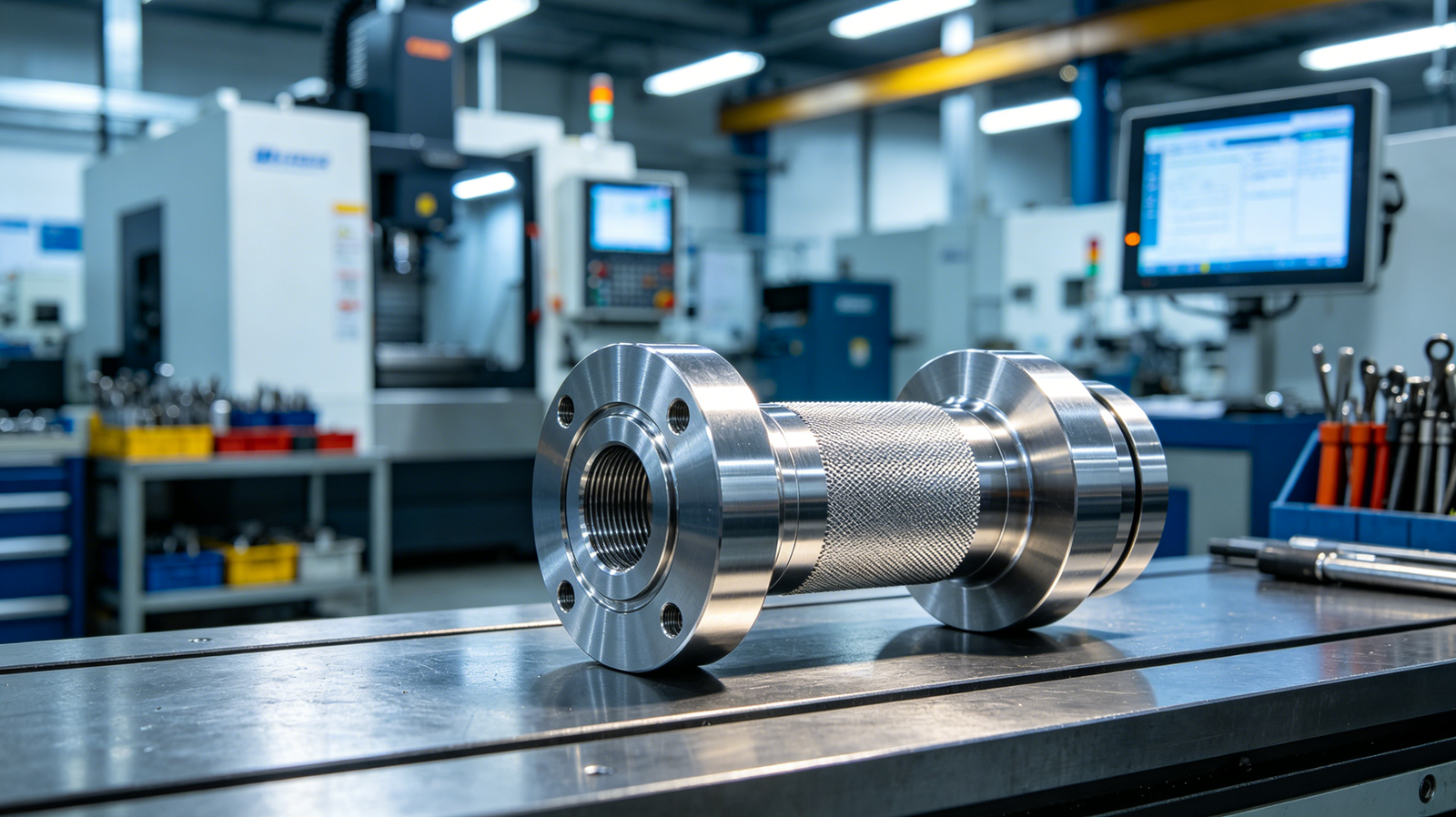
The automotive industry continues to raise quality requirements for CNC milling parts, making burr control a critical factor in product performance. Burrs can negatively affect assembly accuracy, sealing performance, dimensional consistency, and subsequent surface finishing processes. For components such as EV battery housings, sensor brackets, structural supports, and transmission parts, effective burr removal is essential to maintaining long-term reliability.
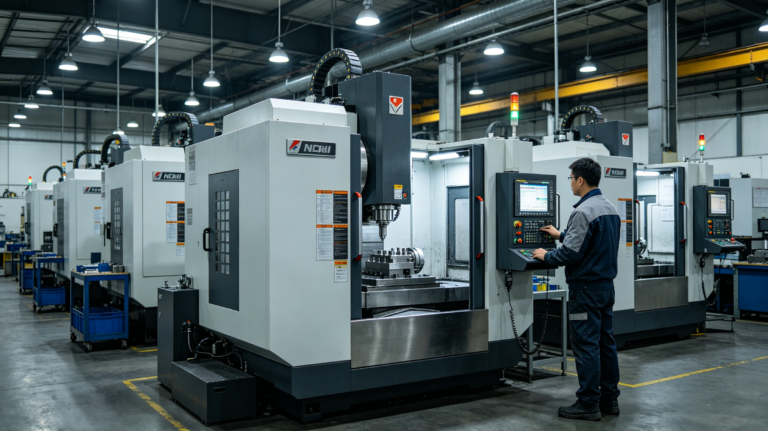
In automotive CNC milling parts manufacturing, burr control directly impacts product acceptance rates, assembly quality, and customer satisfaction. At Xiamen Ruicheng, burr prevention and removal are integrated throughout the entire manufacturing process rather than being treated as a separate finishing operation. Through process optimization, automated deburring systems, and rigorous inspection standards, we consistently deliver high-quality automotive components with stable edge conditions and repeatable production results.
Why Is Burr Removal Critical for Automotive CNC Milling Parts?
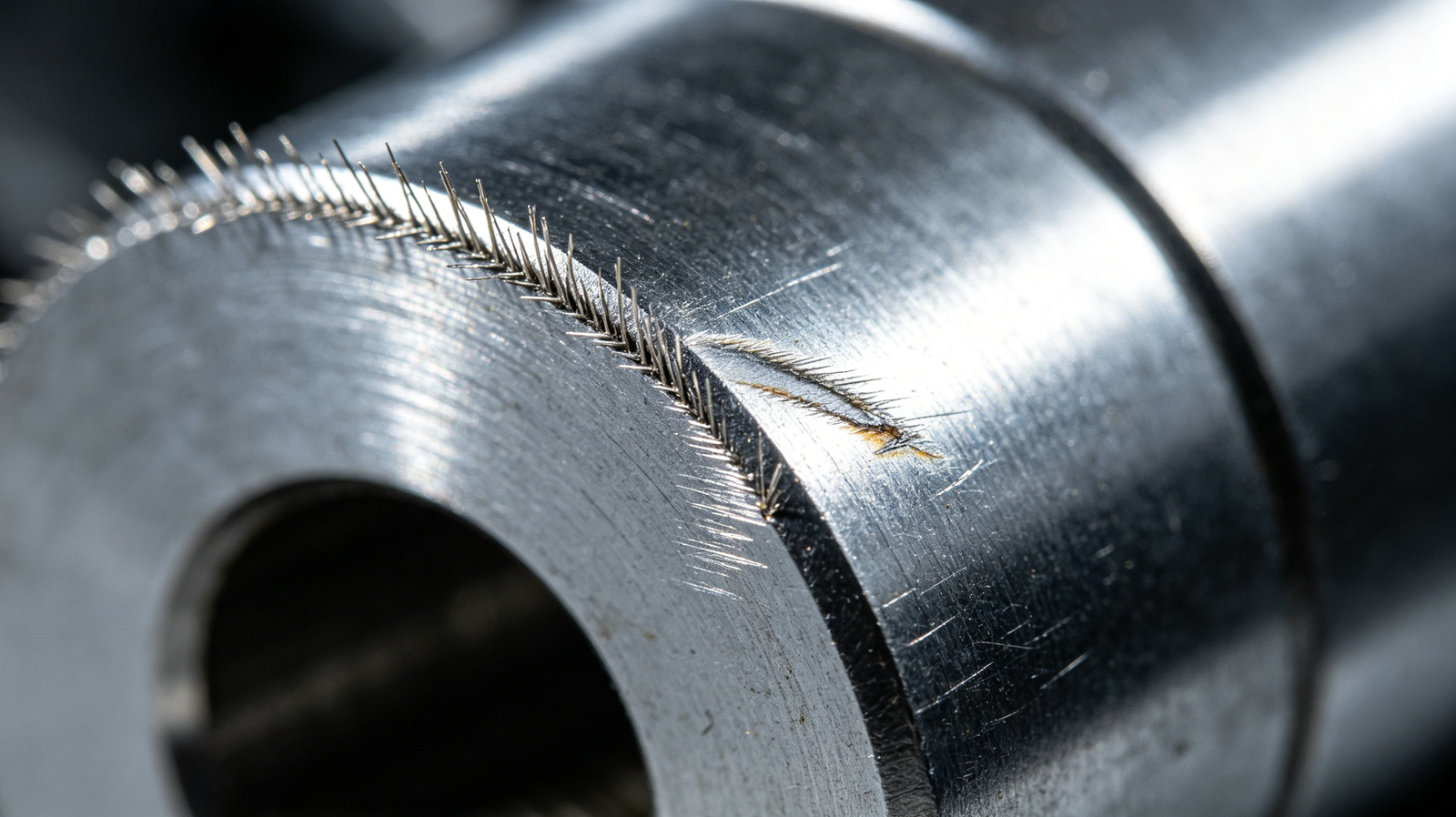
During automotive CNC milling parts production, burrs can compromise assembly precision, sealing performance, and surface treatment quality. These issues become even more significant in high-precision automotive applications where dimensional accuracy and reliability are essential. Xiamen Ruicheng combines optimized CNC milling processes with standardized deburring procedures to ensure burr control is addressed from the earliest stages of production. Consistent burr management significantly reduces assembly failures, warranty risks, and quality complaints in automotive projects. Different materials and component structures require customized deburring strategies to maintain stable quality across all production batches.
Assembly Accuracy: Excess burrs may create interference during assembly and affect dimensional fit.
Surface Quality: Burrs can cause defects during anodizing, painting, plating, or coating processes.
Product Safety: Sharp edges may impact component durability and long-term operational reliability.
Production Consistency: Standardized burr control ensures repeatable quality from batch to batch.
🚗 Effective burr removal improves both product performance and long-term reliability in automotive applications.
What Deburring Methods Are Commonly Used for Automotive CNC Milling Parts?
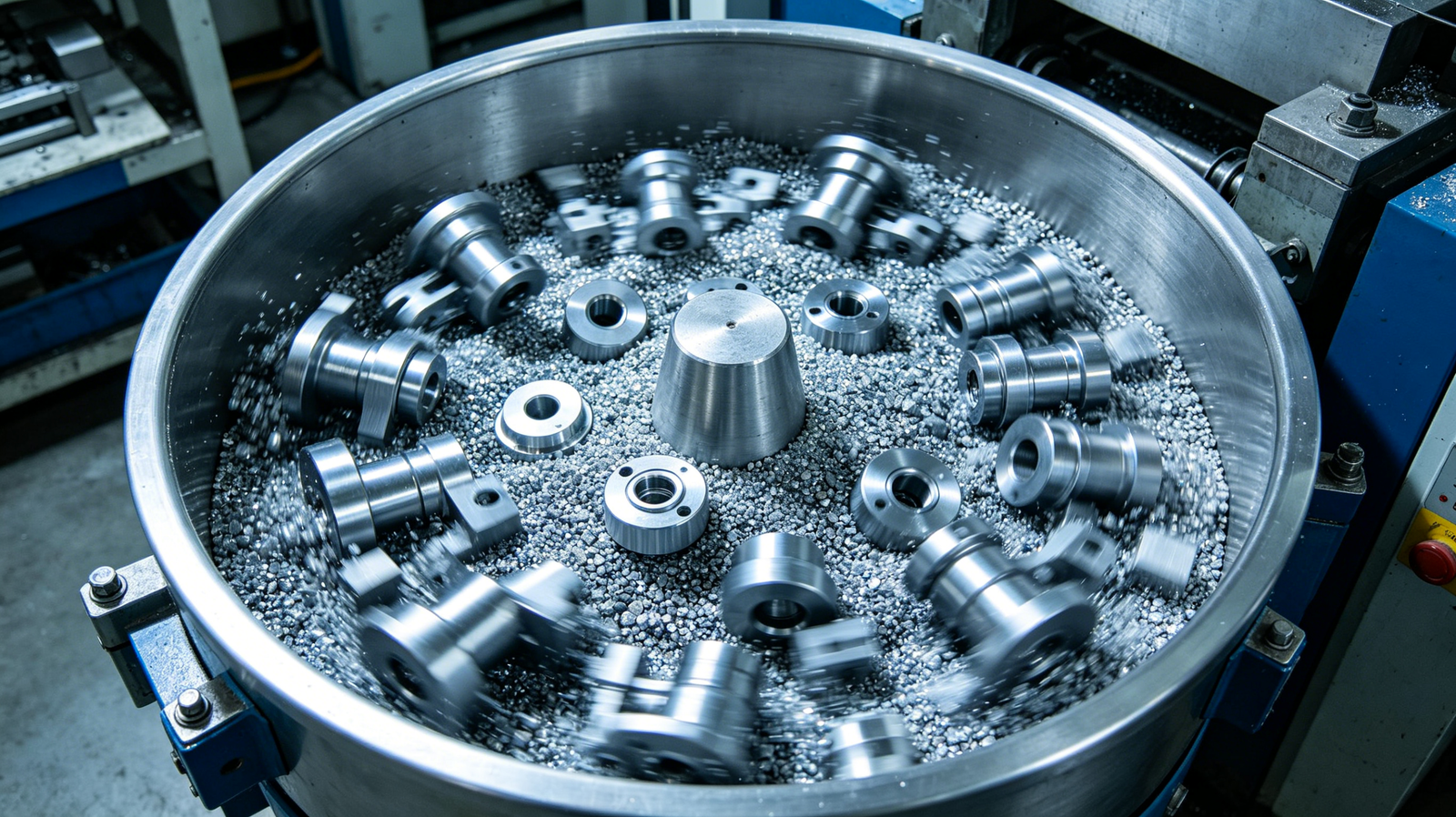
Automotive CNC milling parts vary significantly in material, geometry, and application requirements, making it necessary to select the most suitable deburring process for each project. At Xiamen Ruicheng, we evaluate part complexity and production volume before choosing mechanical deburring, vibratory finishing, manual edge refinement, or automated deburring solutions. By integrating precision engineering with automation technology, we improve consistency while controlling manufacturing costs. Selecting the right deburring process is often the key to balancing quality, efficiency, and production cost. For demanding automotive programs, additional validation procedures are implemented to ensure compliance with customer specifications.
Mechanical Deburring: Suitable for most aluminum and steel automotive components.
Vibratory Finishing: Provides consistent edge finishing for large production volumes.
Manual Refinement: Ideal for complex geometries and precision-critical areas.
Automated Deburring: Robotic systems improve repeatability and production efficiency.
⚙️ The most effective deburring strategy depends on component geometry, material properties, and production requirements.
How Can Buyers Evaluate a Supplier’s Burr Removal Capability?
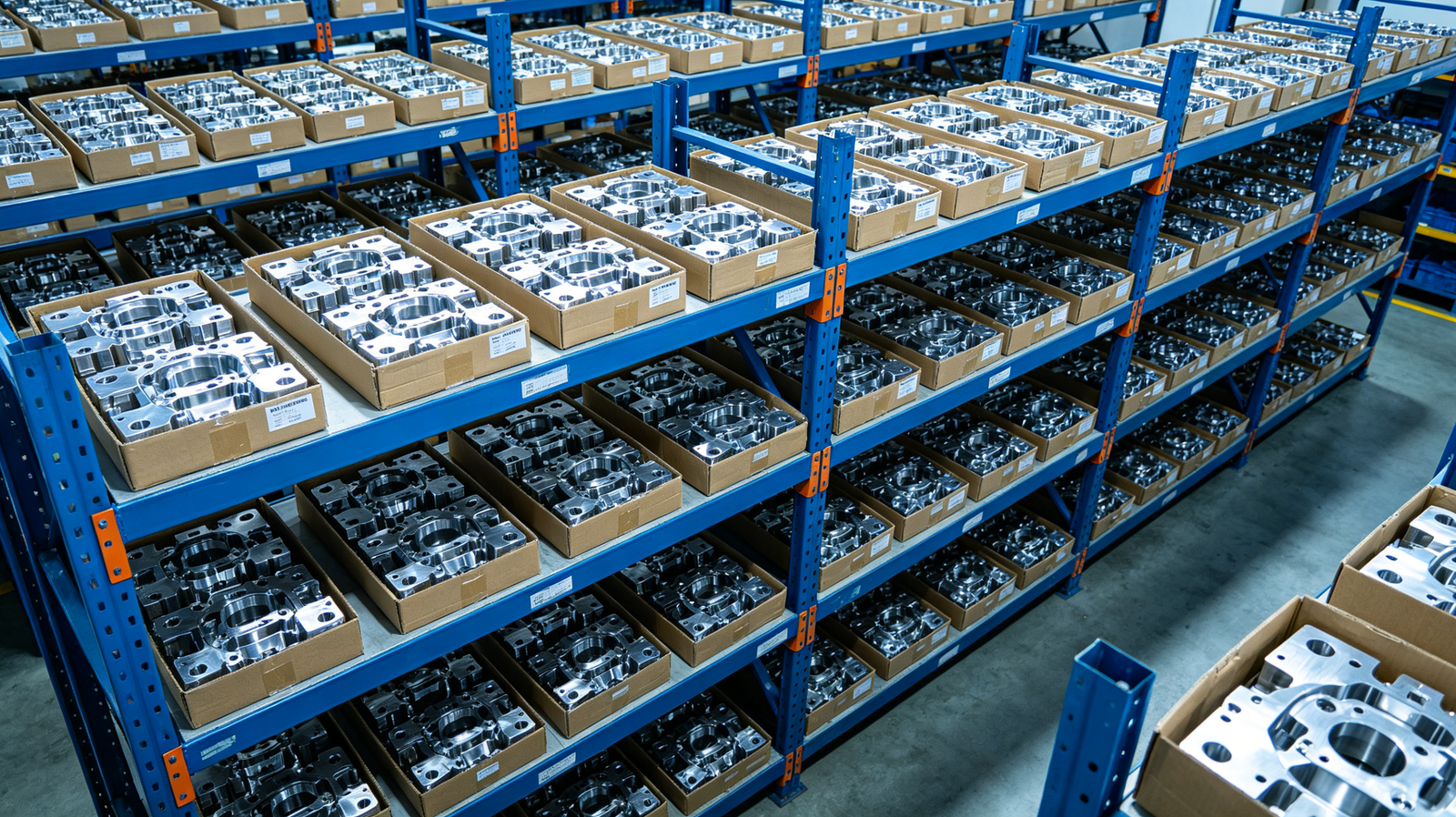
When sourcing automotive CNC milling parts, evaluating a supplier’s burr control capability is just as important as assessing pricing and delivery performance. Xiamen Ruicheng utilizes a comprehensive quality management system alongside advanced dimensional inspection technologies to verify product quality throughout production. A mature deburring capability comes from a complete manufacturing system rather than relying solely on operator experience. From engineering review to final shipment, every stage of production is monitored through documented quality procedures.
Process Planning: Potential burr risks are identified and addressed before machining begins.
Equipment Capability: Specialized deburring equipment improves consistency and efficiency.
Inspection Standards: Comprehensive inspection ensures burr-free delivery quality.
Automotive Experience: Industry-specific expertise helps reduce production and quality risks.
🔍 Reliable manufacturers focus on preventing burr formation during machining rather than simply removing it afterward.
Comparison of Automotive CNC Milling Parts Burr Control Capabilities
| Evaluation Item | Basic Workshop | Standard Supplier | Professional Supplier | Xiamen Ruicheng |
|---|---|---|---|---|
| Process Planning | Basic Control | Standardized | Systematic Control | Full Process Control |
| Deburring Method | Mostly Manual | Semi-Automated | Automated | Automated + Manual Verification |
| Inspection Standard | Sampling Only | Standard Inspection | Comprehensive Inspection | Automotive-Level Inspection |
| Batch Consistency | Average | Good | Excellent | Highly Stable |
Looking for an automotive CNC milling parts supplier capable of delivering consistent burr-free quality? Contact our engineering team today through contact us for a professional manufacturing assessment and customized quotation.
How Xiamen Ruicheng Ensures Stable Automotive Project Delivery
Xiamen Ruicheng understands that consistency and reliability are critical in automotive manufacturing. Therefore, burr control is integrated into every stage of our production system. Potential burr-related risks are analyzed during the design review phase, and machining parameters are optimized according to material characteristics and product requirements. By combining prevention, removal, and inspection into a unified quality strategy, we achieve stable production performance from prototyping through mass production. Whether serving electric vehicle, intelligent driving, or traditional automotive programs, we implement project-specific quality procedures to help customers reduce manufacturing risks and strengthen supply chain reliability.
1.Engineering Review: Identify burr risks before production begins.
2.Process Control: Integrate machining and deburring into one workflow.
3.Quality Verification: Apply automotive-grade inspection procedures.
4.Continuous Improvement: Optimize manufacturing processes based on customer feedback.
Frequently Asked Questions About Automotive CNC Milling Parts
What Are Your Core Advantages in Automotive CNC Milling Parts Manufacturing?
Xiamen Ruicheng specializes in high-precision automotive CNC milling parts manufacturing. We combine advanced machining equipment, standardized deburring procedures, and comprehensive quality control systems to deliver consistent product quality. Every project is fully traceable and managed according to strict production standards.
What Information Is Required to Receive a Quotation?
Customers are encouraged to provide 2D drawings, 3D CAD files, material specifications, surface finishing requirements, and estimated order quantities. Our engineering team will review the project and provide detailed quotations along with manufacturability recommendations.
What Are the MOQ and Lead Time Requirements?
Prototype orders are available for product validation, while mass production schedules are arranged according to project complexity and volume requirements. Xiamen Ruicheng offers flexible production planning and can support urgent delivery requests when necessary.
How Do You Handle Quality Issues After Delivery?
All products undergo strict inspection before shipment. If quality concerns arise, our team will immediately initiate root-cause analysis and implement corrective actions such as replacement, rework, or other mutually agreed solutions.
Do You Provide Custom Engineering Support?
Yes. Xiamen Ruicheng offers comprehensive engineering services including design evaluation, material selection, manufacturability optimization, prototype development, and production support. Our goal is to help customers reduce development costs while accelerating project timelines.
Conclusion
Burr removal plays a vital role in the performance, appearance, assembly quality, and service life of automotive CNC milling parts. Manufacturers that rely solely on post-processing often struggle to maintain long-term consistency and production efficiency. At Xiamen Ruicheng, we combine advanced machining technologies, systematic deburring procedures, and rigorous quality management to deliver reliable automotive CNC milling parts solutions. Choosing a supplier with a complete burr control system can significantly reduce production risks while improving product competitiveness.
For expert assistance in implementing CNC milling parts solutions for your production needs, visit our resource center or contact us. Let’s help you scale up your manufacturing with precision and efficiency!