Introduction
Die casting process selection has a direct impact on component quality, production cost, mechanical performance, and long-term reliability. For automotive parts, industrial equipment housings, and precision metal components, choosing between high pressure die casting and vacuum die casting is not only a technical decision but also a manufacturing risk management decision.The right casting process should match product requirements, not simply focus on the highest production speed or lowest initial cost. As an experienced die casting manufacturer, Xiamen RuiCheng helps customers evaluate process feasibility through engineering analysis, mold design review, and production capability assessment.
Many buyers compare high pressure die casting and vacuum die casting only from basic parameters such as cycle time, pressure, or equipment investment. However, the actual manufacturing decision depends on factors including porosity requirements, structural complexity, machining allowance, surface finishing needs, and final application environment.A reliable supplier should help customers understand the hidden risks behind each process choice before tooling investment begins.
Why Should Manufacturers Choose High Pressure Die Casting or Vacuum Die Casting for Different Applications?
High pressure die casting and vacuum die casting both use high-speed molten metal injection, but their internal filling conditions and quality performance are different. Traditional high pressure die casting provides excellent production efficiency and is widely used for high-volume aluminum components, while vacuum die casting reduces trapped air during filling and improves internal density. The better process depends on whether production priorities focus on efficiency, structural strength, or defect control. Xiamen RuiCheng evaluates customer requirements through die casting design analysis to recommend the most suitable manufacturing solution.
Production Efficiency: High pressure die casting offers faster cycle times and is suitable for large-scale production with stable designs.
Internal Quality Control: Vacuum die casting removes air from the mold cavity, reducing porosity risks in critical components.
Component Requirements: Parts requiring welding, heat treatment, or higher mechanical performance often benefit from vacuum technology.
Manufacturing Cost Balance: Process selection should consider tooling investment, production volume, and long-term quality costs.
🌱 Selecting between high pressure and vacuum die casting requires balancing production efficiency, component performance, and future manufacturing risks.
What Are the Main Quality Differences Between High Pressure and Vacuum Die Casting?
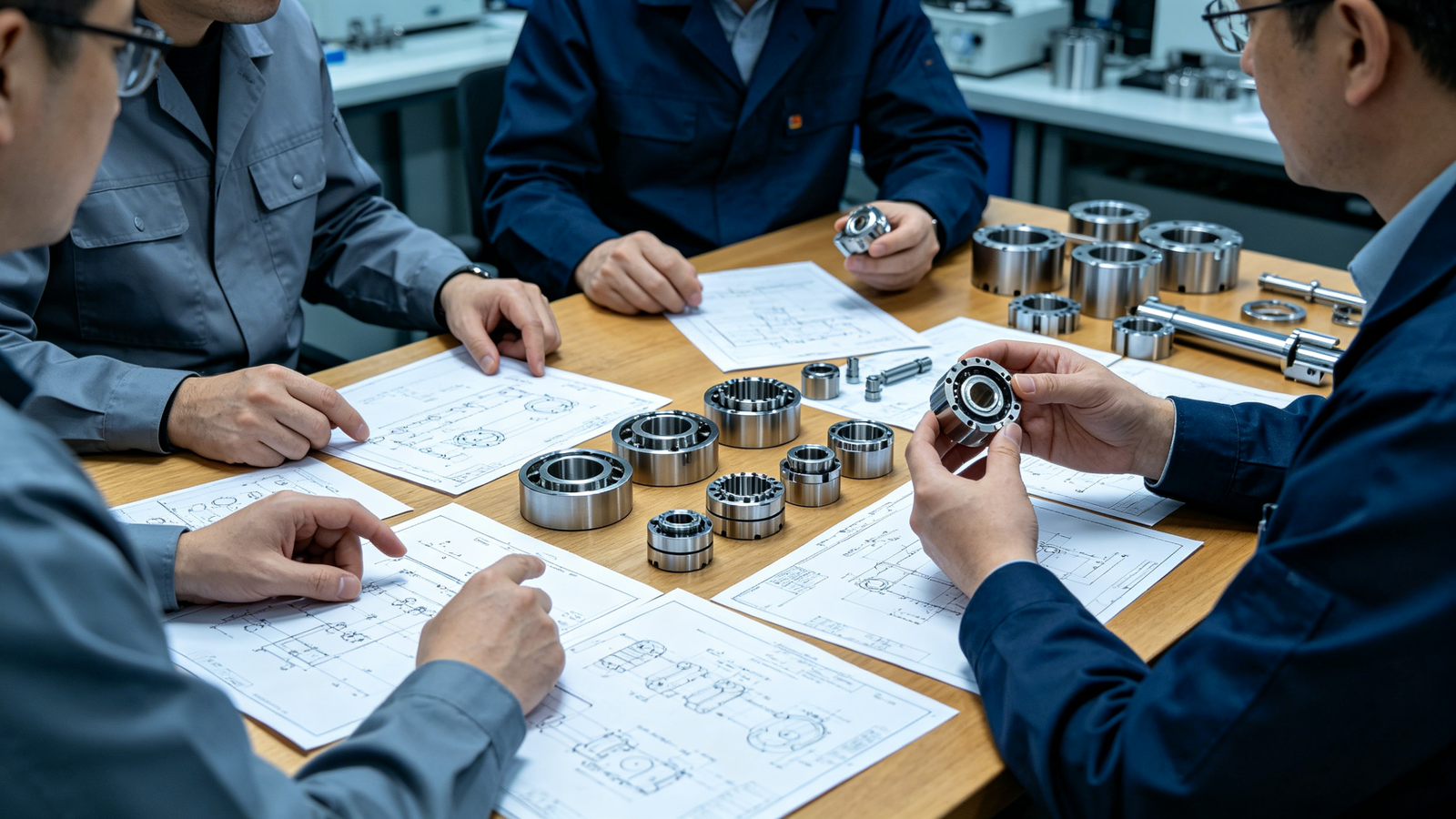
The biggest difference between high pressure die casting and vacuum die casting is the control of internal defects caused by trapped gas. During conventional high pressure die casting, high-speed metal flow may introduce air into the casting cavity, creating potential porosity issues after solidification. Vacuum die casting creates a lower-pressure cavity environment, allowing molten metal to fill with fewer gas-related defects. For components requiring higher structural reliability, internal casting quality becomes a key factor in process selection. Xiamen RuiCheng applies process validation and inspection methods to ensure die cast parts meet customer requirements.
Porosity Control: Vacuum die casting provides improved internal density by reducing air entrapment during filling.
Mechanical Performance: Lower internal defects can improve strength consistency for structural components.
Surface Requirements: Both processes can achieve good surface finishes when mold design and process parameters are properly controlled.
Post-Processing Compatibility: Vacuum casting is often preferred when parts require additional machining or finishing operations.
🌱 The main advantage of vacuum die casting is not higher speed, but improved internal quality control for demanding applications.
Why Does Part Design Influence the Choice Between High Pressure and Vacuum Die Casting?
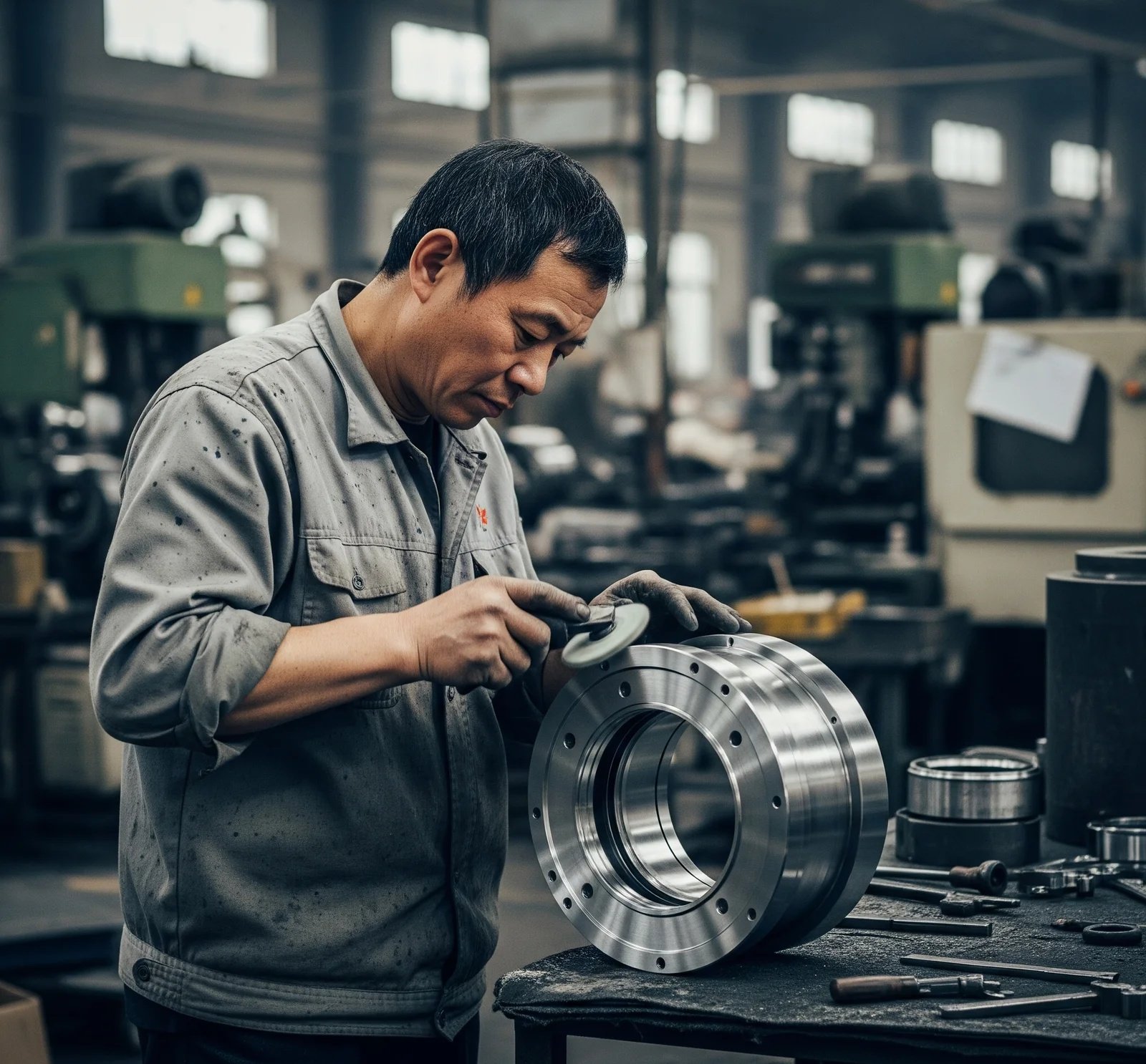
Component design plays a critical role in determining whether high pressure die casting or vacuum die casting is the better manufacturing solution. Complex structures with thick walls, pressure requirements, or strict mechanical performance expectations often require more advanced casting control. Meanwhile, simpler components with high production volume may achieve better cost efficiency through conventional high pressure die casting. A successful die casting project begins with matching product design requirements to the appropriate manufacturing process. At Xiamen RuiCheng, our engineering team reviews part geometry, material selection, and production goals before recommending the optimal casting method.
Structural Complexity: Components with complex ribs, thin walls, or integrated functions require careful filling analysis to avoid casting defects.
Wall Thickness Design: Uniform wall thickness improves metal flow stability and reduces shrinkage-related issues.
Performance Requirements: Parts exposed to mechanical loads or safety-critical conditions may require vacuum-assisted processes.
Manufacturing Scalability: High-volume products need a balance between process capability, cycle efficiency, and quality consistency.
🌱 The best die casting process is determined by how well it matches the component design, production requirements, and final application conditions.
Comparison of High Pressure Die Casting and Vacuum Die Casting Selection Factors
| Factor | High Pressure Die Casting | Vacuum Die Casting | Recommended Consideration |
|---|---|---|---|
| Production Speed | Very high efficiency | Slightly slower cycle | Choose based on volume demand |
| Internal Porosity | Higher risk potential | Lower defect risk | Use vacuum for critical parts |
| Mechanical Strength | Suitable for general applications | Better consistency | Select based on load requirements |
| Cost Investment | Lower initial process cost | Higher equipment requirement | Evaluate long-term value |
Choosing the right die casting process can significantly reduce production risks and quality costs. Xiamen RuiCheng provides engineering evaluation, mold development, and mass production support. Please contact us to discuss your die casting project requirements.
How Can Buyers Evaluate a Die Casting Supplier Before Mass Production?
Selecting the right casting process is only one part of a successful project. The supplier’s engineering experience, mold capability, quality control system, and production management directly influence final product performance. A manufacturer with strong process knowledge can identify potential risks during the development stage and prevent expensive modifications after tooling begins. The capability of the supplier often determines whether the selected die casting process can achieve stable mass production.
1.Engineering Review: A capable supplier should analyze drawings, tolerances, materials, and application requirements before quoting.
2.Mold Development Capability: Professional mold design reduces filling problems, premature wear, and production instability.
3.Quality Verification: Inspection methods such as dimensional measurement, X-ray testing, and material analysis help confirm casting reliability.
4.Mass Production Control: Stable process parameters and continuous monitoring ensure consistent quality between production batches.
Frequently Asked Questions
Question 1: What are the main advantages of your die casting solutions?
Answer: Xiamen RuiCheng provides customized die casting solutions based on component requirements, including material selection, mold design support, process optimization, and quality verification. For projects requiring higher structural reliability, vacuum die casting evaluation can be provided to reduce internal defect risks.
Question 2: What information should we provide to receive a die casting quotation?
Answer: Customers should provide 3D CAD files, 2D drawings, material requirements, estimated production quantities, surface finishing requirements, and application conditions. Xiamen RuiCheng engineers review these details to recommend suitable casting processes and provide manufacturing solutions.
Question 3: How do you determine whether high pressure or vacuum die casting is suitable?
Answer: The selection depends on factors including part structure, mechanical requirements, porosity tolerance, production volume, and post-processing requirements. Xiamen RuiCheng evaluates the complete project condition rather than selecting a process based only on equipment availability.
Question 4: How do you guarantee die casting quality after production starts?
Answer: Xiamen RuiCheng applies quality control procedures including dimensional inspection, process monitoring, sample verification, and defect analysis. If quality issues occur, our engineering team investigates root causes and provides corrective actions.
Question 5: Can you support customized die casting projects with special requirements?
Answer: Yes. Xiamen RuiCheng supports customized solutions including alloy selection, structural optimization, mold improvement, surface treatment coordination, and production process adjustments according to customer application requirements.
Conclusion
High pressure die casting and vacuum die casting are not competing technologies where one process is always better than the other. Each method provides different advantages depending on production volume, component structure, mechanical requirements, and quality expectations.The most effective manufacturing decision comes from selecting the casting process that minimizes project risk while meeting performance and cost targets. Xiamen RuiCheng helps customers make informed decisions through engineering support, advanced manufacturing capabilities, and reliable quality management systems.By evaluating process requirements before tooling investment, companies can avoid unnecessary modifications, improve production stability, and achieve better long-term manufacturing performance.
For expert assistance in implementing high pressure die casting or vacuum die casting solutions for your production needs, visit our resource center or contact us. Let’s help you scale up your manufacturing with precision and efficiency!