Introduction
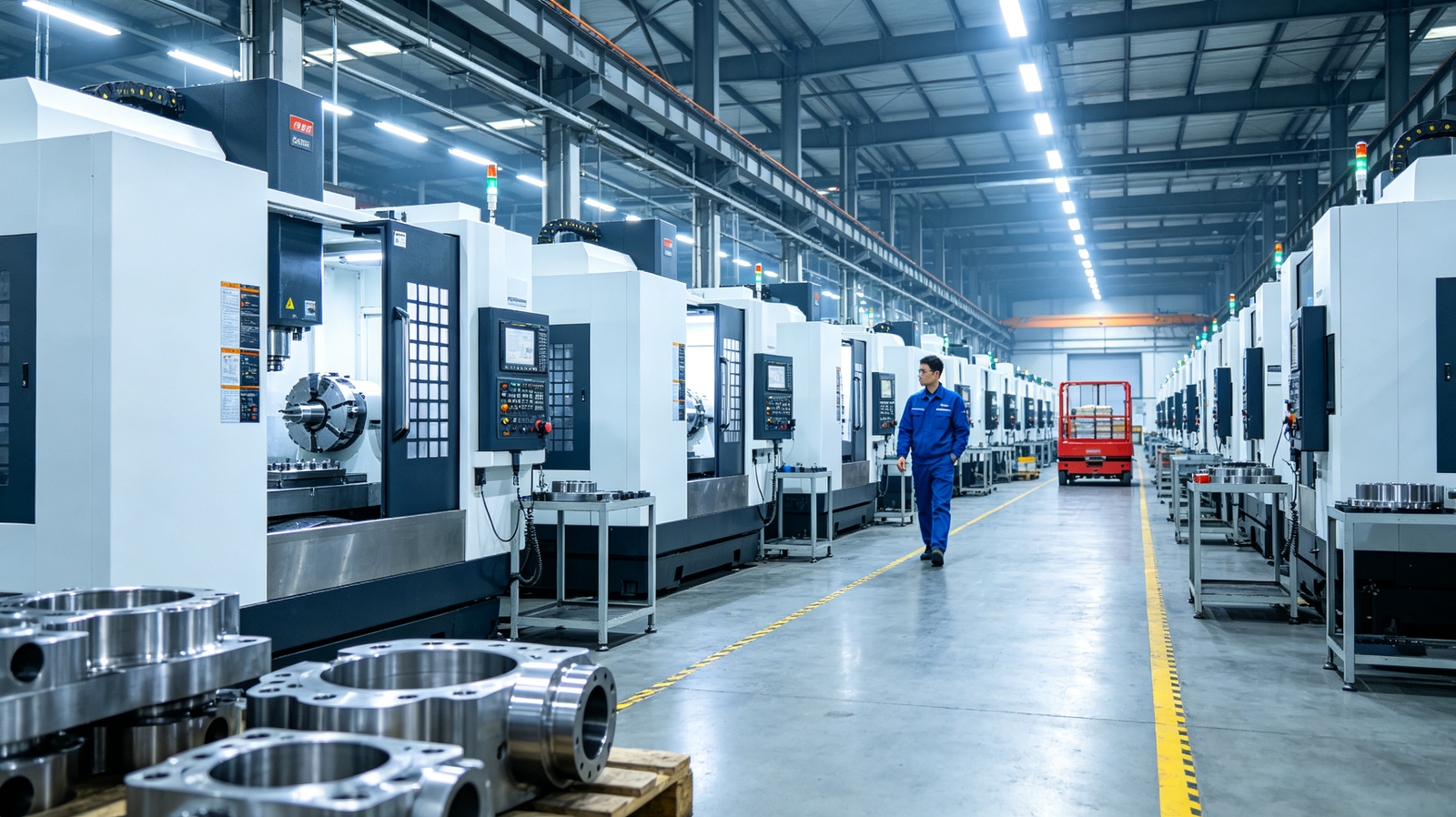
In the field of custom precision part manufacturing, surface quality affects far more than product appearance. It directly influences assembly accuracy, friction performance, wear resistance, and the effectiveness of subsequent surface treatments. For industries such as automation equipment, medical devices, new energy systems, and industrial machinery, superior surface finishes often translate into higher reliability and greater market competitiveness. Excellent surface quality is not determined solely by advanced machinery but by the overall capability of the manufacturing process.
Many buyers assume that achieving premium surface finishes requires expensive five-axis machining centers, overlooking the importance of process planning, tooling strategies, fixture design, and engineering expertise. Based on years of manufacturing experience, Xiamen Ruicheng has found that optimized conventional milling can successfully meet the surface quality requirements of many high-precision projects. The key to achieving superior surface finishes lies in process control rather than machine complexity alone.
How Can Conventional Milling Achieve High Surface Quality?
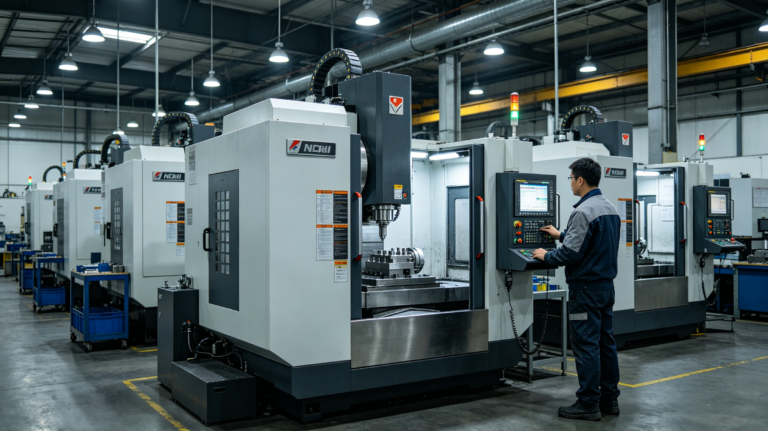
For many custom precision parts projects, conventional milling remains the most widely used manufacturing method. By optimizing cutting parameters, refining tool paths, selecting premium cutting tools, and ensuring stable workholding systems, manufacturers can achieve excellent surface finishes. Xiamen Ruicheng develops customized machining strategies based on material characteristics while incorporating in-process inspection to minimize tool marks and vibration patterns. With a mature process system, conventional milling is fully capable of delivering high-quality surface finishes for custom precision parts. Materials such as aluminum alloys, stainless steel, and engineering plastics can all achieve impressive surface quality when supported by optimized machining processes.
Parameter Optimization: Proper spindle speed and feed rate combinations help reduce machining vibration.
Tool Selection: High-quality cutting tools lower cutting resistance and improve surface consistency.
Fixture Stability: Reliable clamping prevents movement and dimensional deviations during machining.
Process Validation: Trial machining and inspection help identify potential surface issues before production.
🔧 Superior surface quality comes from process stability rather than equipment investment alone.
What Factors Affect the Surface Quality of Custom Precision Parts?
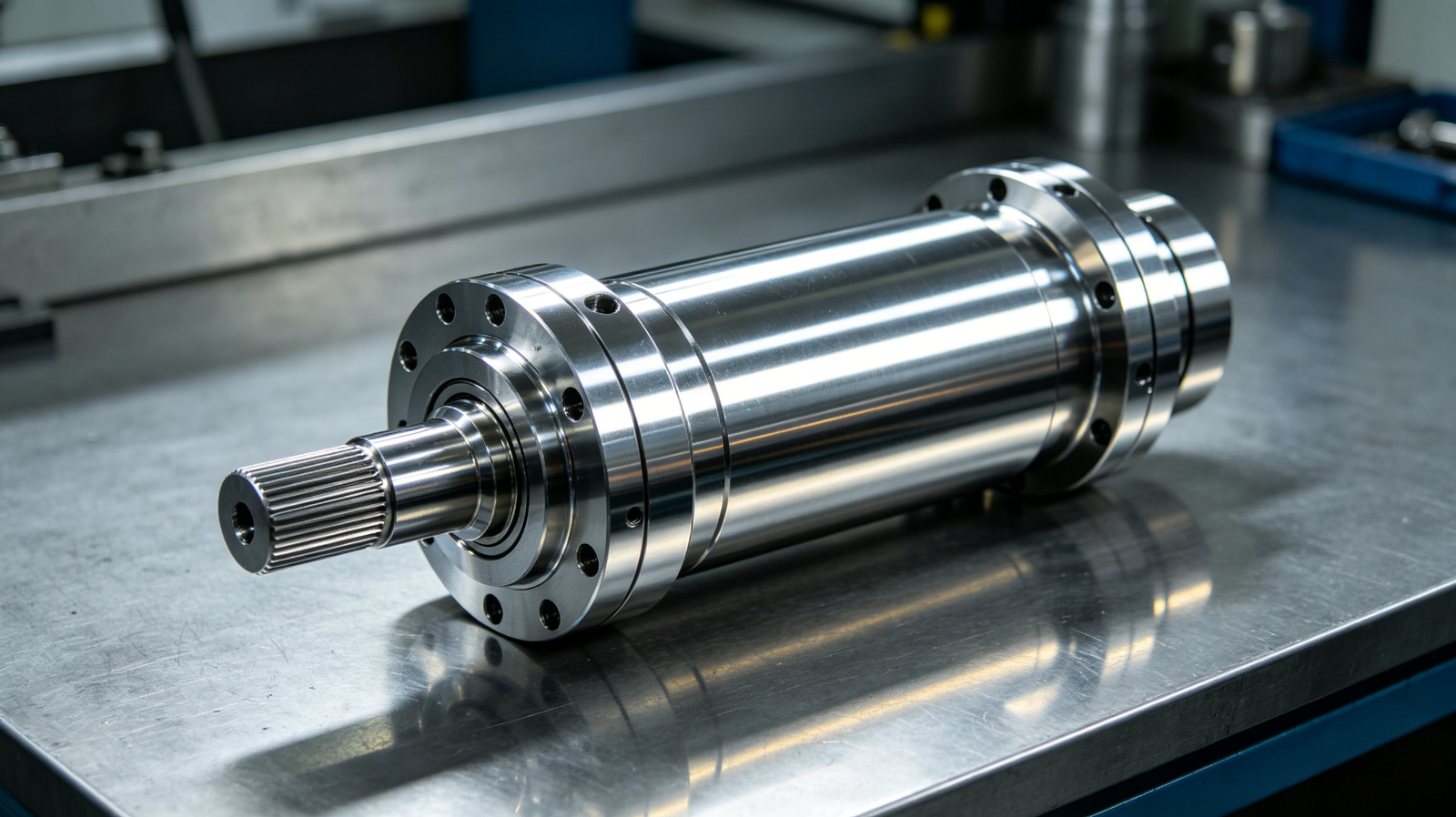
Surface quality is influenced by numerous variables, including material properties, thermal control, tool wear conditions, and overall machining processes. Different materials respond differently to machining conditions. For example, aluminum alloys are susceptible to built-up edge formation, while stainless steel tends to experience work hardening during cutting operations. Most surface quality issues result from the combined effects of multiple process factors rather than limitations of the equipment itself. Through extensive process databases and engineering expertise, Xiamen Ruicheng develops tailored solutions for each project.
Material Characteristics: Different materials require specific tooling and cutting strategies.
Heat Management: Stable cutting temperatures help maintain consistent surface finishes.
Tool Condition: Worn tools can cause burrs, scratches, and increased roughness.
Programming Strategy: Optimized tool paths reduce visible transition marks and tool engagement defects.
📈 Achieving superior surface quality requires systematic process management across every production stage.
How Do You Choose a Manufacturer Capable of Delivering High Surface Quality?
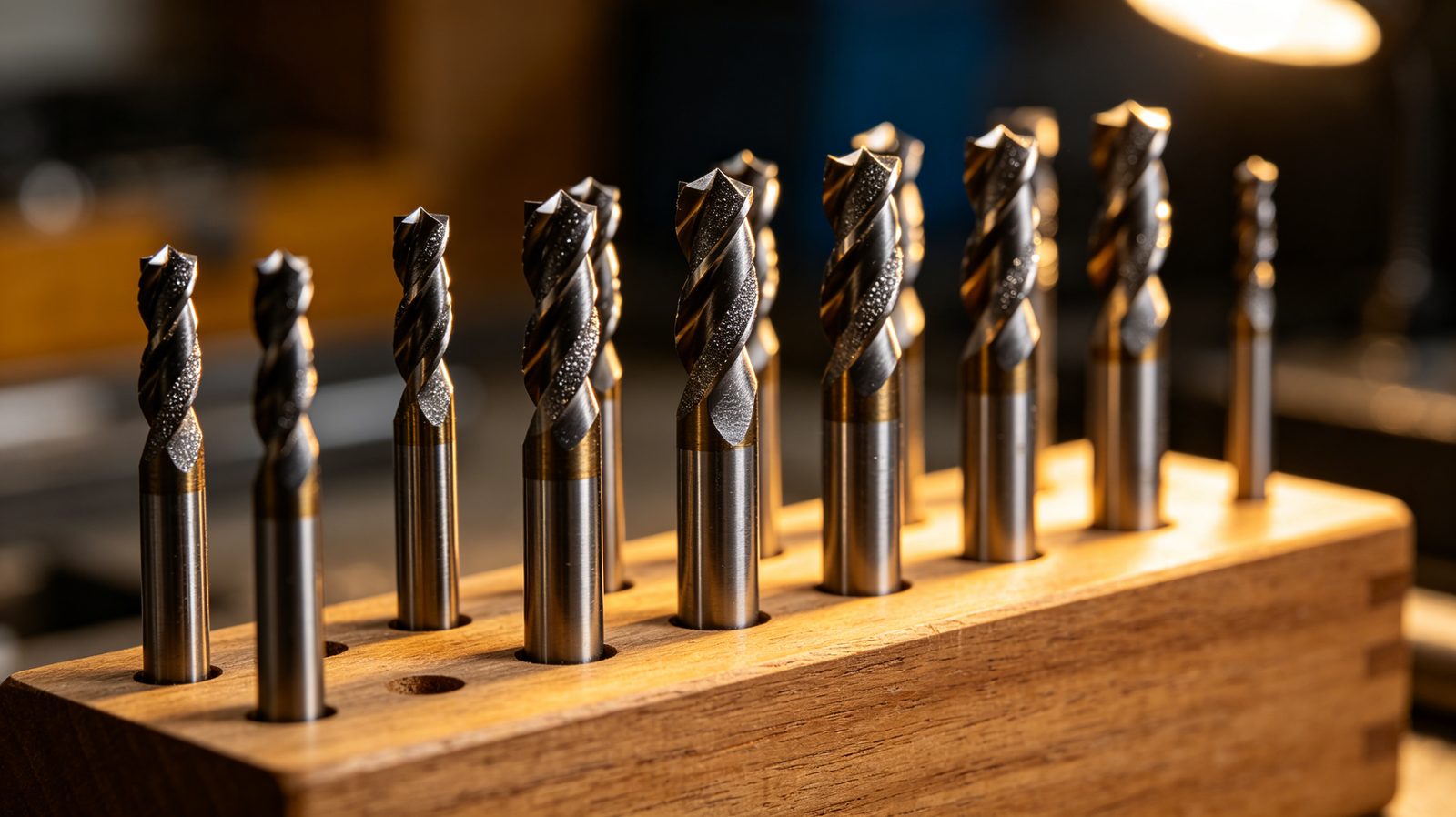
When selecting a manufacturing partner, buyers should evaluate more than equipment lists. Quality management systems, engineering expertise, and proven project experience are often stronger indicators of long-term success. Manufacturers with advanced quality control systems and extensive precision engineering experience typically provide more reliable machining outcomes. The true measure of manufacturing capability lies in controlling every stage from design review to final inspection. At Xiamen Ruicheng, every project begins with manufacturability analysis and process planning, followed by in-process inspections and final verification to ensure compliance with customer specifications.
Project Experience: Extensive industry experience helps identify manufacturing risks early.
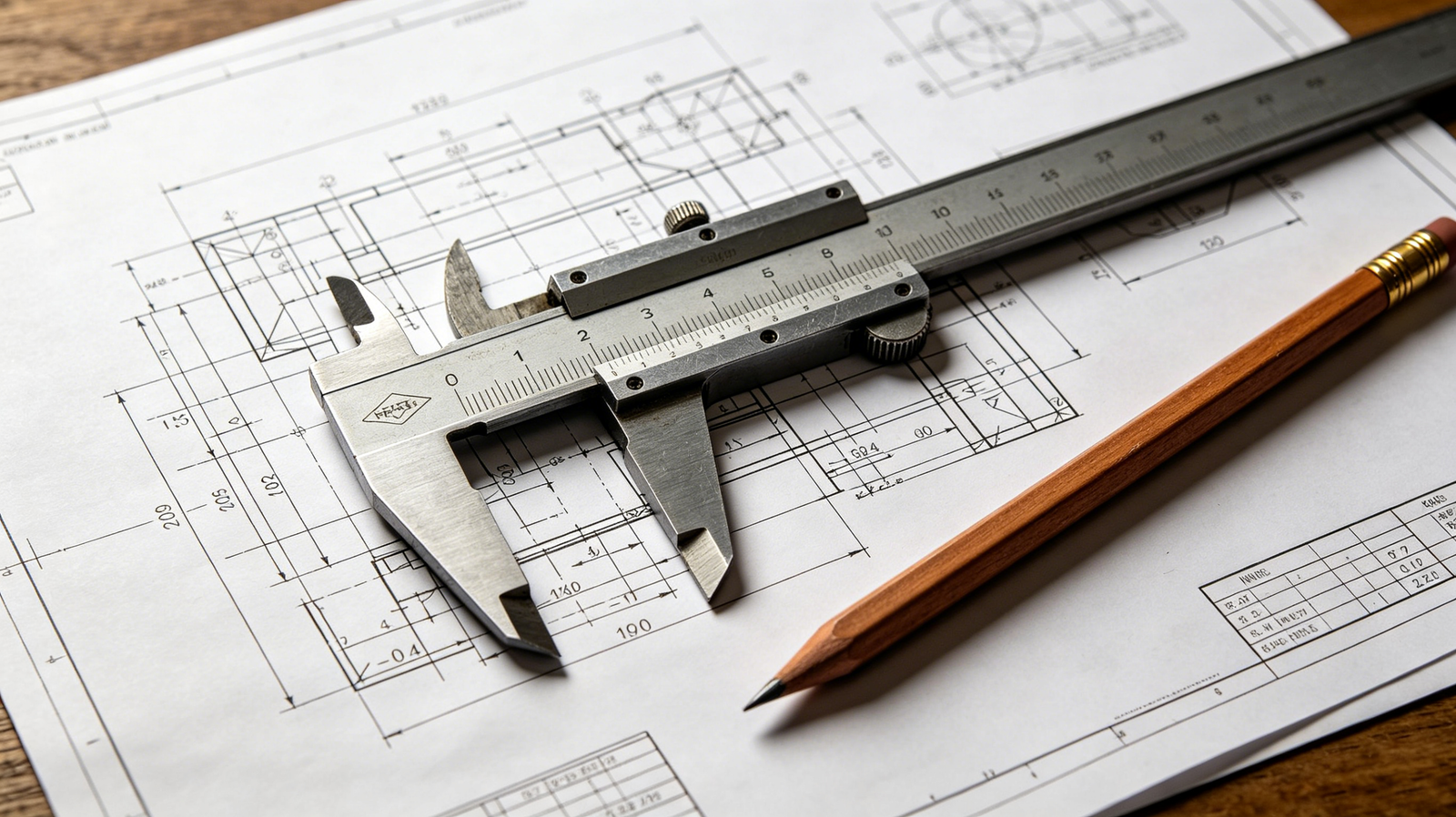
Inspection Capability: Advanced measuring equipment ensures dimensional and surface consistency.
Engineering Support: Professional teams provide design-for-manufacturing recommendations.
Delivery Reliability: Standardized workflows improve batch-to-batch consistency.
🏭 A capable supplier delivers not only parts but complete manufacturing solutions.
Comparing Conventional Milling with Advanced Machining Methods
| Comparison Item | Conventional Milling | High-Speed Milling | 5-Axis Machining | Precision Grinding |
|---|---|---|---|---|
| Manufacturing Cost | Low | Medium | High | High |
| Surface Quality | Excellent | Excellent | Excellent | Exceptional |
| Production Efficiency | High | High | Medium | Low |
| Complex Geometry Capability | Moderate | Strong | Excellent | Limited |
| Application Range | Wide | Wide | Complex Parts | Ultra-Precision Parts |
| Lead Time | Fast | Fast | Longer | Longer |
If you are evaluating a custom precision parts project and want to determine which manufacturing process best fits your requirements, feel free to contact us and consult with the engineering team at Xiamen Ruicheng.
Why Are More Companies Prioritizing Process Expertise Over Equipment Specifications?
As manufacturing competition intensifies, companies are increasingly focusing on a supplier’s problem-solving capabilities rather than simply comparing machine inventories. Through years of serving automation equipment manufacturers, renewable energy companies, medical device producers, and industrial machinery firms, Xiamen Ruicheng has observed that successful projects depend heavily on process planning, risk assessment, and production consistency. Equipment determines the theoretical limit of performance, while process expertise determines the actual delivery outcome. For most custom precision part projects, a mature manufacturing process helps shorten development cycles, reduce trial-and-error costs, and improve mass production success rates.
1.Process Evaluation: Identifies manufacturability risks before production begins.
2.Cost Optimization: Efficient process planning lowers overall manufacturing expenses.
3.Quality Consistency: Standardized procedures improve batch stability.
4.Long-Term Partnership: Ongoing technical support simplifies future product development.
Frequently Asked Questions (FAQ)
What Are the Core Advantages of Your Custom Precision Part Manufacturing Services?
Xiamen Ruicheng combines advanced machining capabilities, comprehensive quality control systems, and extensive project experience. Every production stage is monitored through dimensional inspection, surface verification, and process control procedures to ensure stable quality and reliable delivery performance.
What Information Is Required to Receive a Quotation Quickly?
Customers are encouraged to provide 2D drawings, 3D models, material specifications, surface finish requirements, and estimated order quantities. Upon receiving the documentation, our engineering team conducts a manufacturability review and provides detailed quotations along with process recommendations.
What Are the Lead Times for Different Order Volumes?
We support prototype development, low-volume production, and large-scale manufacturing. Lead times vary depending on part complexity, material availability, and order quantity. Customized production schedules can be arranged according to project requirements.
What Happens If We Encounter Quality Issues After Delivery?
Xiamen Ruicheng maintains a comprehensive after-sales support system. If a verified quality issue occurs, our team will conduct root-cause analysis and provide corrective actions such as rework, replacement, or process optimization to minimize project disruption.
Can You Provide Customized Manufacturing Solutions for Special Applications?
Yes. We support material customization, surface treatment options, structural optimization recommendations, and specialized manufacturing development services. Customers simply need to provide application details and technical requirements, and our engineering team will develop a suitable solution.
Conclusion
For the majority of custom precision part projects, conventional milling can achieve excellent surface quality when supported by proper process optimization and engineering expertise. When selecting a manufacturing partner, buyers should focus on process capability, quality systems, and project experience rather than equipment specifications alone. Superior surface quality is ultimately the result of a mature and controlled manufacturing process. Through comprehensive engineering support and robust production management, Xiamen Ruicheng continues to help customers obtain high-quality, reliable custom precision parts for demanding industrial applications.
For expert assistance in implementing solutions for your production needs, visit our resource center or contact us. Let’s help you scale up your manufacturing with precision and efficiency!