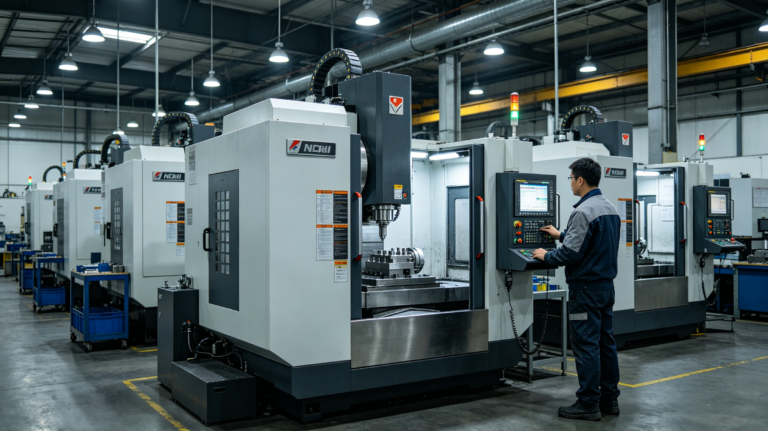
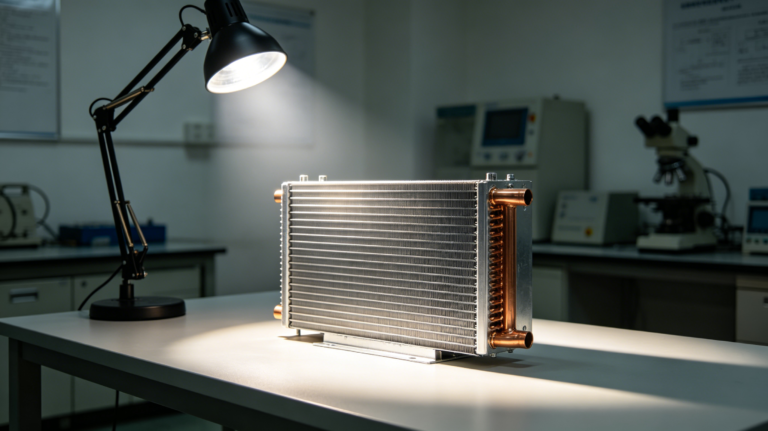
Automotive Die Casting Quality Validation System
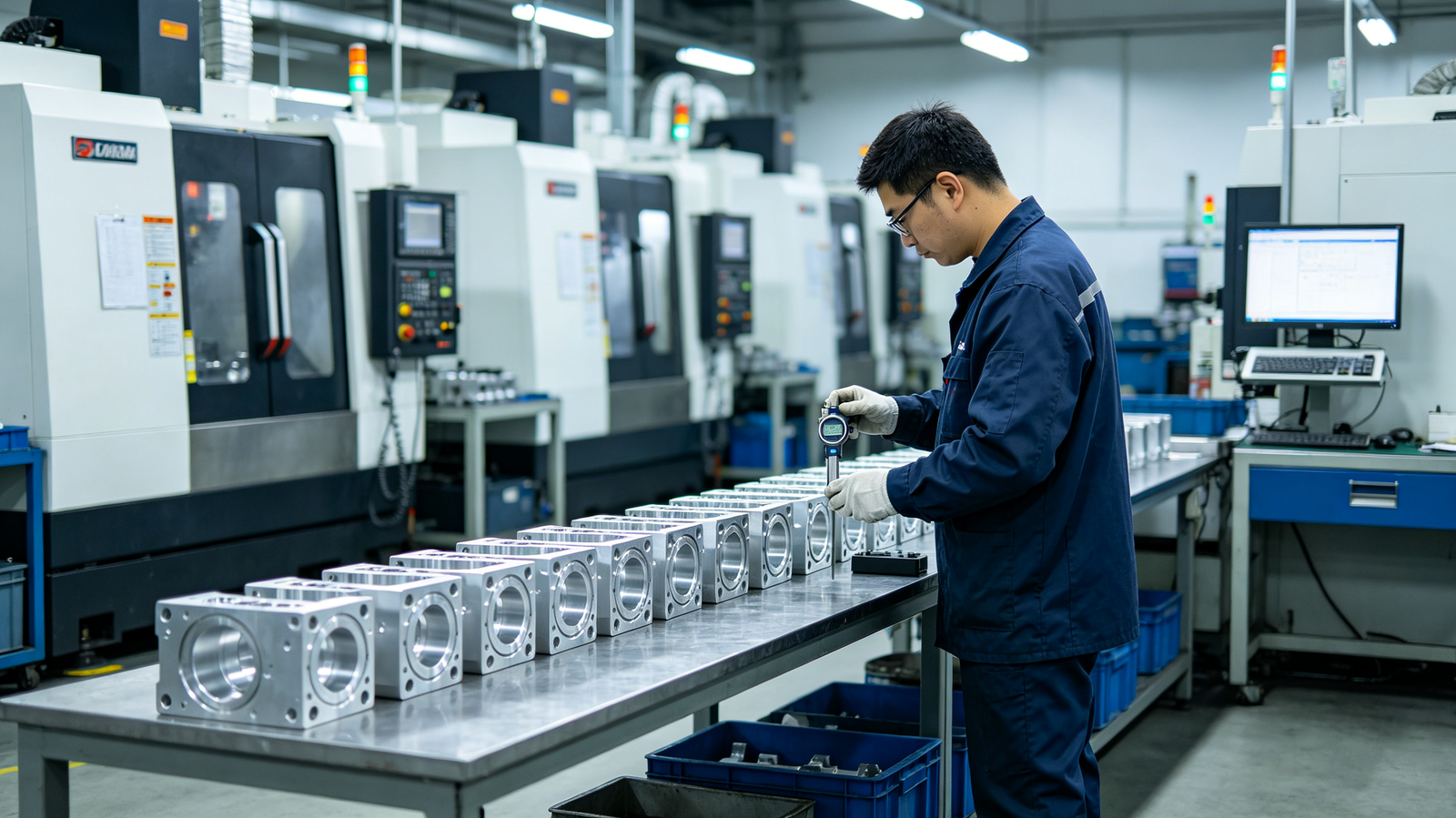
Automotive die casting components are critical parts used in powertrain systems, electronic control units, battery structures, and vehicle structural applications. Their quality consistency directly impacts vehicle safety, reliability, and long-term performance. As automotive manufacturers continue demanding lightweight designs, higher precision, and stronger production consistency, die casting suppliers must provide not only manufacturing capability but also a complete quality validation system.
A qualified automotive die casting supplier must demonstrate long-term production stability through PPAP, leak testing, and mass production validation processes. For automotive OEMs and Tier 1 suppliers, supplier evaluation is not based only on whether a single sample passes inspection, but whether the supplier can continuously control dimensional accuracy, performance requirements, and process variation during high-volume production.
How Can You Determine If an Automotive Die Casting Supplier Meets PPAP Requirements?
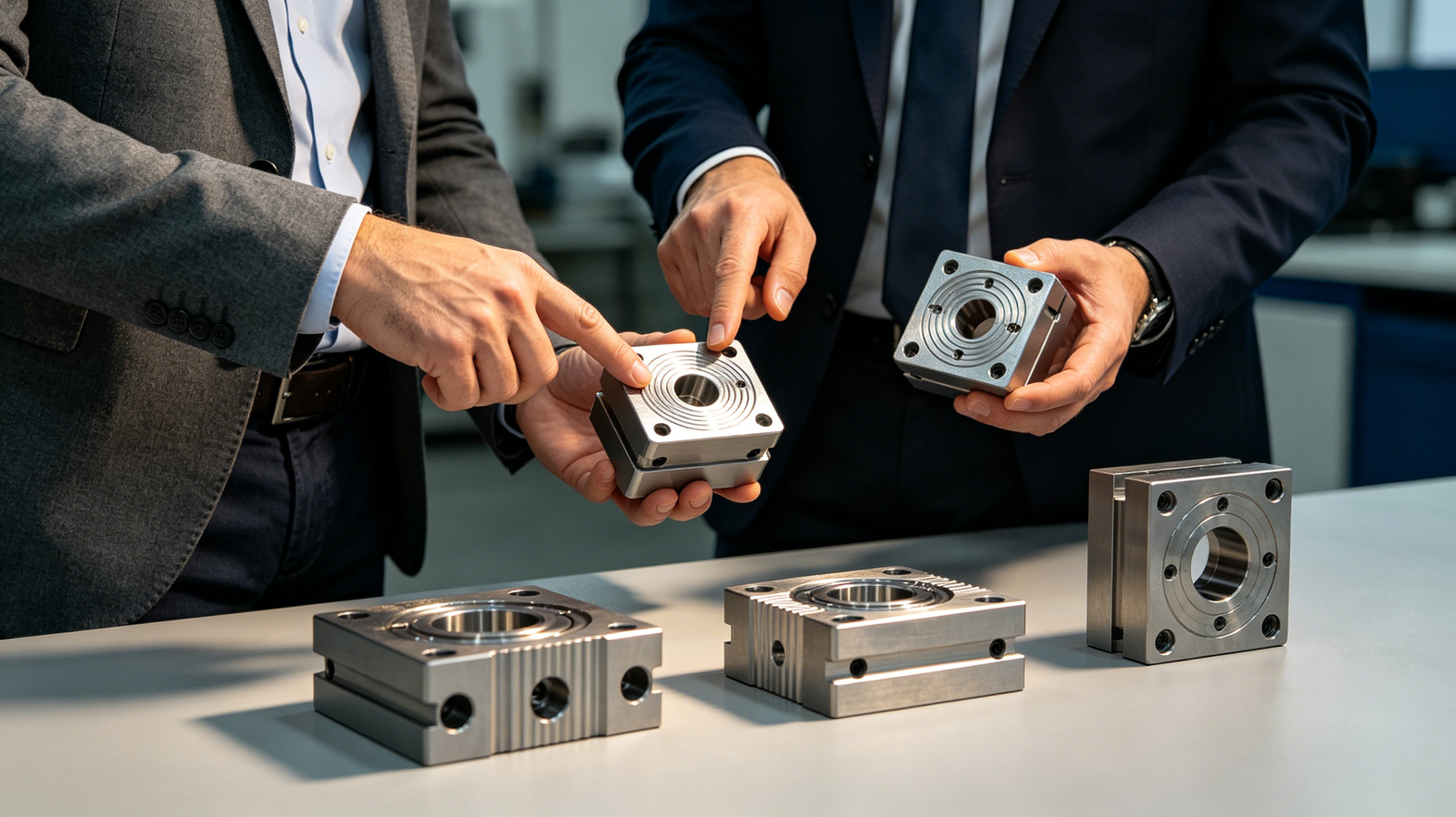
Automotive projects typically require die casting suppliers to provide a complete Production Part Approval Process (PPAP) package to verify product design, manufacturing processes, and quality control capabilities. For automotive component programs, PPAP is not simply a documentation requirement; it is a critical method for suppliers to prove their readiness for mass production. During automotive die casting projects, Xiamen Ruicheng helps customers reduce production launch risks through engineering reviews, tooling validation, process control, and inspection data management. A complete PPAP system enables automotive customers to identify manufacturing risks before entering mass production and prevent unexpected quality fluctuations.
Design Validation: Suppliers must verify that product structure, material selection, and critical dimensions meet customer engineering requirements while using DFM analysis to identify potential die casting risks.
Process Validation: Through Statistical Process Control (SPC), suppliers monitor manufacturing stability and ensure critical dimensions and performance indicators remain consistent.
Documentation Review: PPAP packages usually include control plans, FMEA, dimensional inspection reports, material certifications, and process capability studies.
Production Approval: Customers evaluate submitted documents and validation samples to confirm whether the supplier is qualified for official mass production.
🚗 PPAP is not only an automotive approval process but also a key tool for evaluating die casting supplier reliability.
Why Are Leak Tests Essential for Automotive Die Casting Parts?
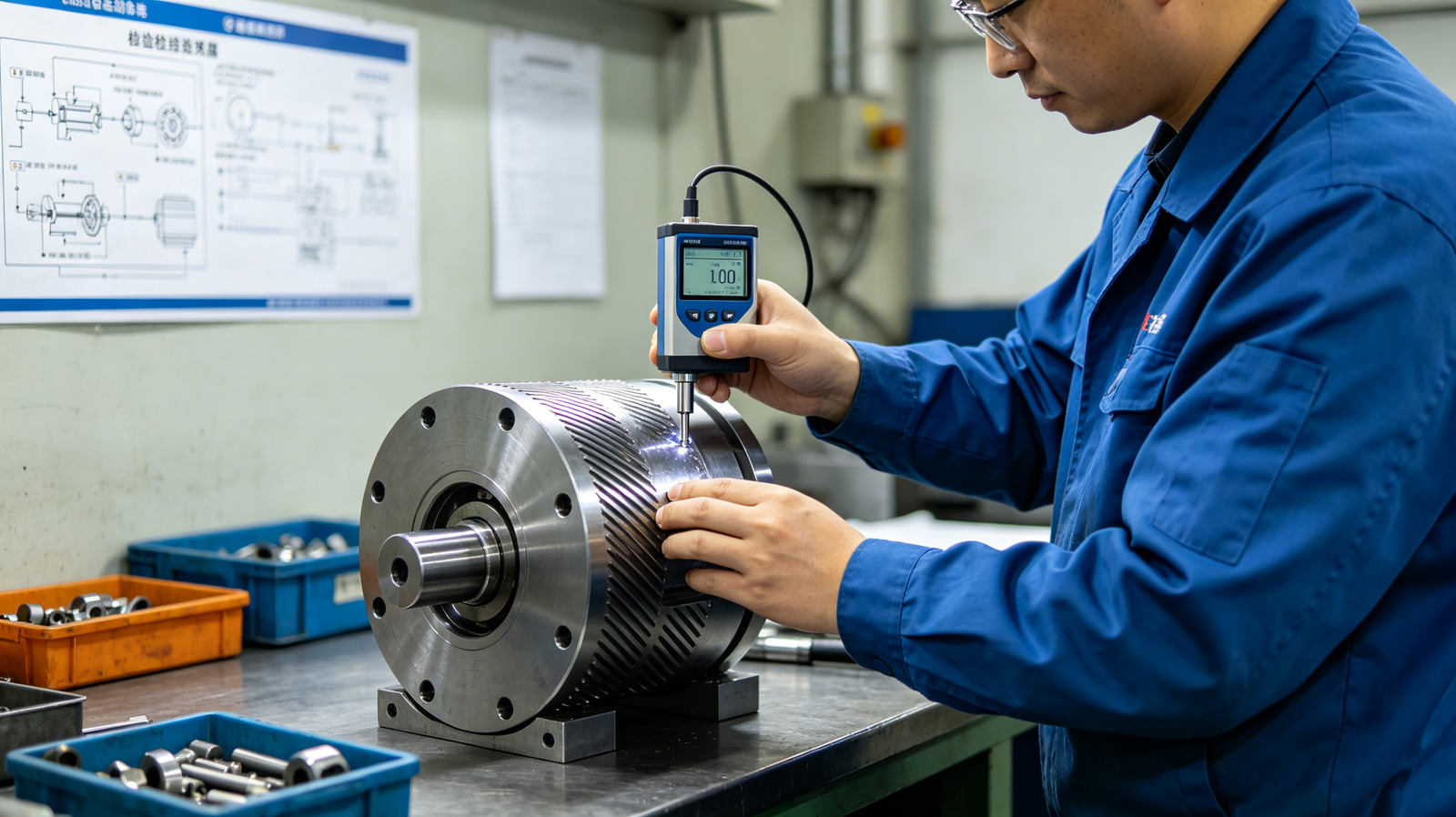
Many automotive die casting components are used in engine housings, battery enclosures, motor housings, and hydraulic systems where internal sealing performance directly affects operational safety. Therefore, leak testing has become a critical validation step for automotive die casting quality control. During the die casting process, internal defects such as porosity, shrinkage cavities, and cold shuts may occur. These defects cannot always be identified through visual inspection and require professional testing equipment for verification. Reliable leak testing capability helps automotive manufacturers reduce after-sales risks caused by hidden internal defects.
Defect Detection: Leak testing identifies internal porosity and micro cracks that may cause product failure during vehicle operation.
Testing Methods: Depending on application requirements, suppliers may use pressure testing, vacuum testing, or helium leak detection methods.
Standard Control: Suppliers must establish acceptable leakage limits according to customer specifications and maintain testing records for traceability.
Batch Management: A stable testing process ensures consistent sealing performance across different production batches.
🔍 Leak testing allows automotive manufacturers to detect hidden quality risks before assembly and ensures long-term component reliability.
How Do You Validate an Automotive Die Casting Supplier’s Mass Production Capability?
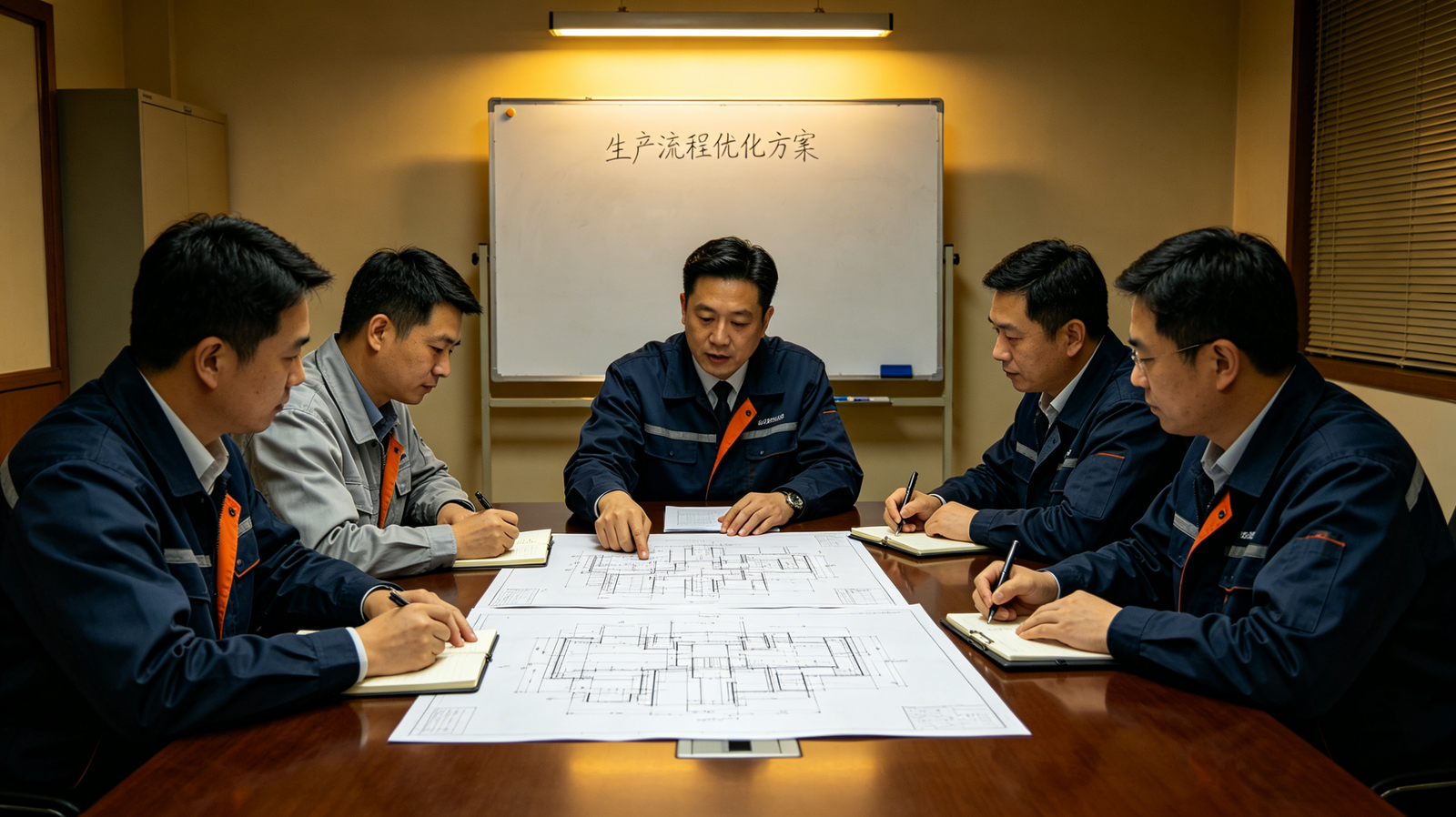
During automotive product development, supplier validation should not focus only on initial samples but also evaluate long-term manufacturing stability. Xiamen Ruicheng manages automotive die casting projects through systematic engineering processes covering product development, tooling trials, process monitoring, and final inspection to ensure smooth transition from prototype development to mass production. A supplier’s ability to maintain stable production directly determines future supply chain risks for automotive customers. A reliable supplier must prove that every production stage can repeatedly achieve the same quality results.
Tooling Validation: Trial molding and optimization processes confirm mold life, filling performance, and dimensional stability.
First Article Inspection: CMM measurement, dimensional reports, and material analysis verify that parts meet design requirements.
Process Monitoring: Production data analysis continuously tracks key parameter variations and manufacturing trends.
Continuous Improvement: Feedback systems and engineering optimization improve long-term production reliability.
📊 Mass production validation capability determines whether an automotive die casting supplier can become a long-term manufacturing partner.
Automotive Die Casting Supplier Quality Capability Comparison
| Evaluation Item | Basic Die Casting Supplier | Professional Automotive Die Casting Supplier | Customer Concern | Xiamen Ruicheng Capability |
|---|---|---|---|---|
| PPAP Support | Basic Documents | Complete Quality Documentation System | Production Approval Efficiency | Supported |
| Leak Testing | Simple Inspection | Systematic Air Tightness Validation | Product Reliability | Supported |
| Process Control | Manual Inspection | SPC Data Management | Batch Consistency | Supported |
| Engineering Support | Production Focused | DFM Collaborative Development | Risk Reduction | Supported |
If you are looking for an automotive die casting partner with complete quality validation capabilities, Xiamen Ruicheng provides full support from design analysis, prototype validation, and tooling development to mass production. Contact our engineering team through contact us for professional manufacturing solutions.
How Does an Automotive Die Casting Quality System Reduce Supply Chain Risks?
The success of an automotive die casting project depends not only on production equipment and machining capabilities but also on whether the supplier has effective risk prevention systems. Xiamen Ruicheng integrates engineering development, quality management, and manufacturing control processes to provide reliable OEM manufacturing support for automotive customers. The foundation of a strong automotive supply chain is identifying risks before problems occur and establishing preventive solutions.
1.Engineering Collaboration Capability: Participate in product development stages to optimize designs and reduce manufacturing risks.
2.Quality Management System: Combine ISO quality systems with process control methods to improve product consistency.
3.Production Delivery Capability: Supported by more than 200 professional manufacturing employees and a 10,000㎡ production facility, Xiamen Ruicheng handles complex automotive production requirements.
4.Long-Term Partnership Value: Transparent communication and continuous improvement create stable supplier relationships.
Automotive Die Casting Quality Requirements FAQ
What quality documents should an automotive die casting supplier provide?
Automotive customers usually require suppliers to provide PPAP documentation, dimensional inspection reports, material certifications, process control plans, and performance testing data. Xiamen Ruicheng establishes corresponding quality documentation systems according to project requirements to support supplier audits and production approval processes.
How can automotive die casting parts be verified without internal defects?
Internal defects are typically evaluated through leak testing, X-ray inspection, and material analysis. Suppliers should develop appropriate inspection methods based on product application conditions to ensure components meet long-term reliability requirements.
Are prototype production results consistent with mass production quality?
Professional suppliers must use tooling validation, process capability studies, and production data monitoring to ensure prototype results can be transferred successfully into mass production. Xiamen Ruicheng reduces quality variation between development and production stages through standardized manufacturing processes.
How should companies select a reliable automotive die casting supplier?
Purchasing teams should evaluate supplier engineering capability, quality systems, inspection equipment, manufacturing experience, and project management ability instead of only comparing quotations.
Can automotive die casting suppliers support customized development?
Yes. Xiamen Ruicheng provides customized die casting solutions based on customer requirements, including structural optimization, mold development, surface finishing, and high-volume production support.
Conclusion
Automotive die casting quality control has evolved from simple product inspection into a complete validation management system covering product design, PPAP approval, leak testing, and mass production capability evaluation. For automotive manufacturers, selecting a supplier with a comprehensive quality system can significantly reduce project risks and improve supply chain reliability. Through engineering expertise, quality management, and manufacturing experience, Xiamen Ruicheng provides reliable custom die casting solutions for global automotive customers.
For expert assistance in implementing automotive die casting solutions for your production needs, visit our resource center or contact us. Let’s help you scale up your manufacturing with precision and efficiency!