Selecting the best metal for lightweight but strong components is a common challenge in aerospace, automotive, robotics, medical, and industrial equipment projects. Weight reduction improves efficiency and performance, while strength ensures safety and durability. The ideal material must balance mechanical strength1, weight, machinability2, and long-term reliability.
Why Lightweight and Strength Matter in Metal Components
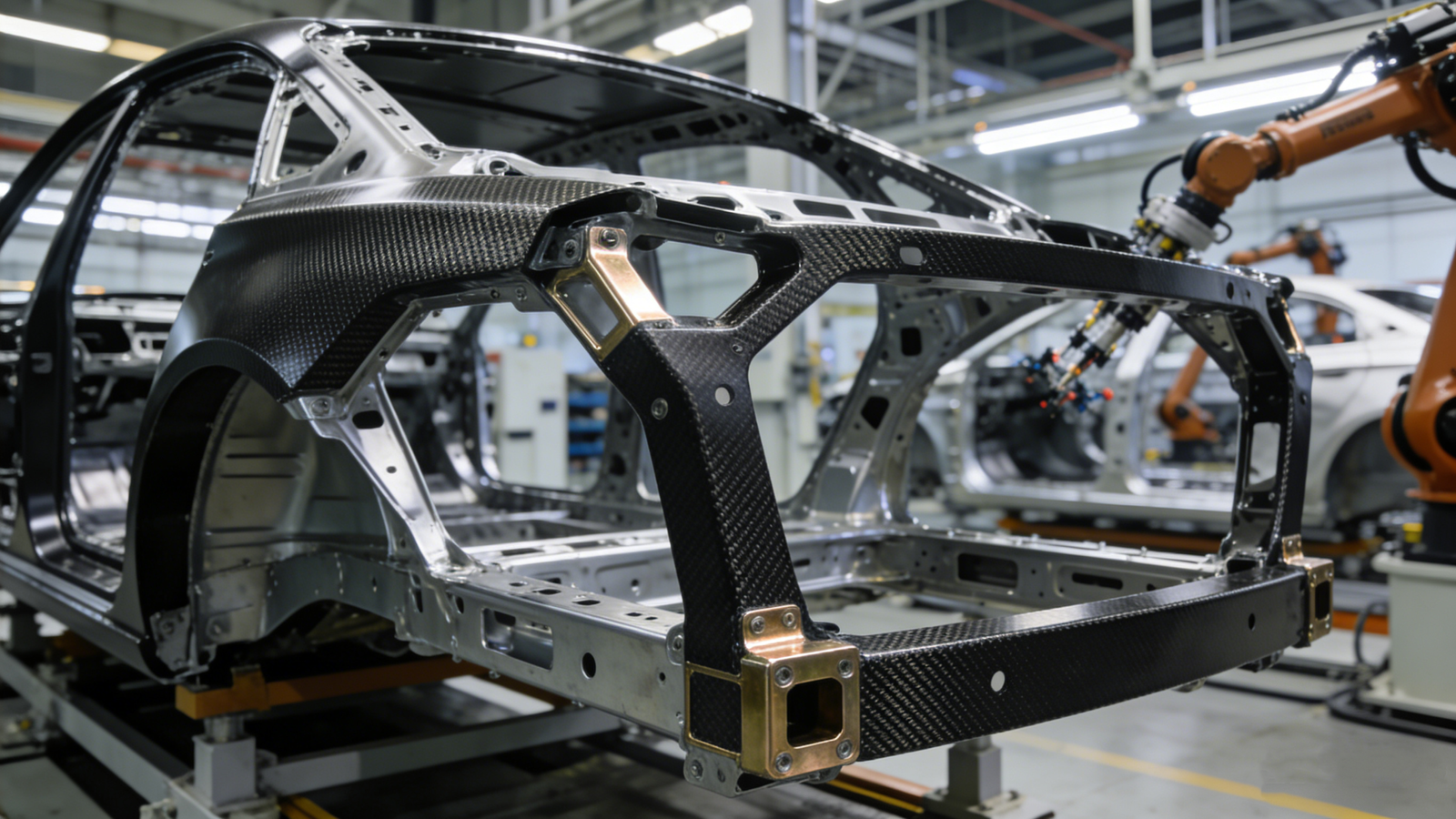
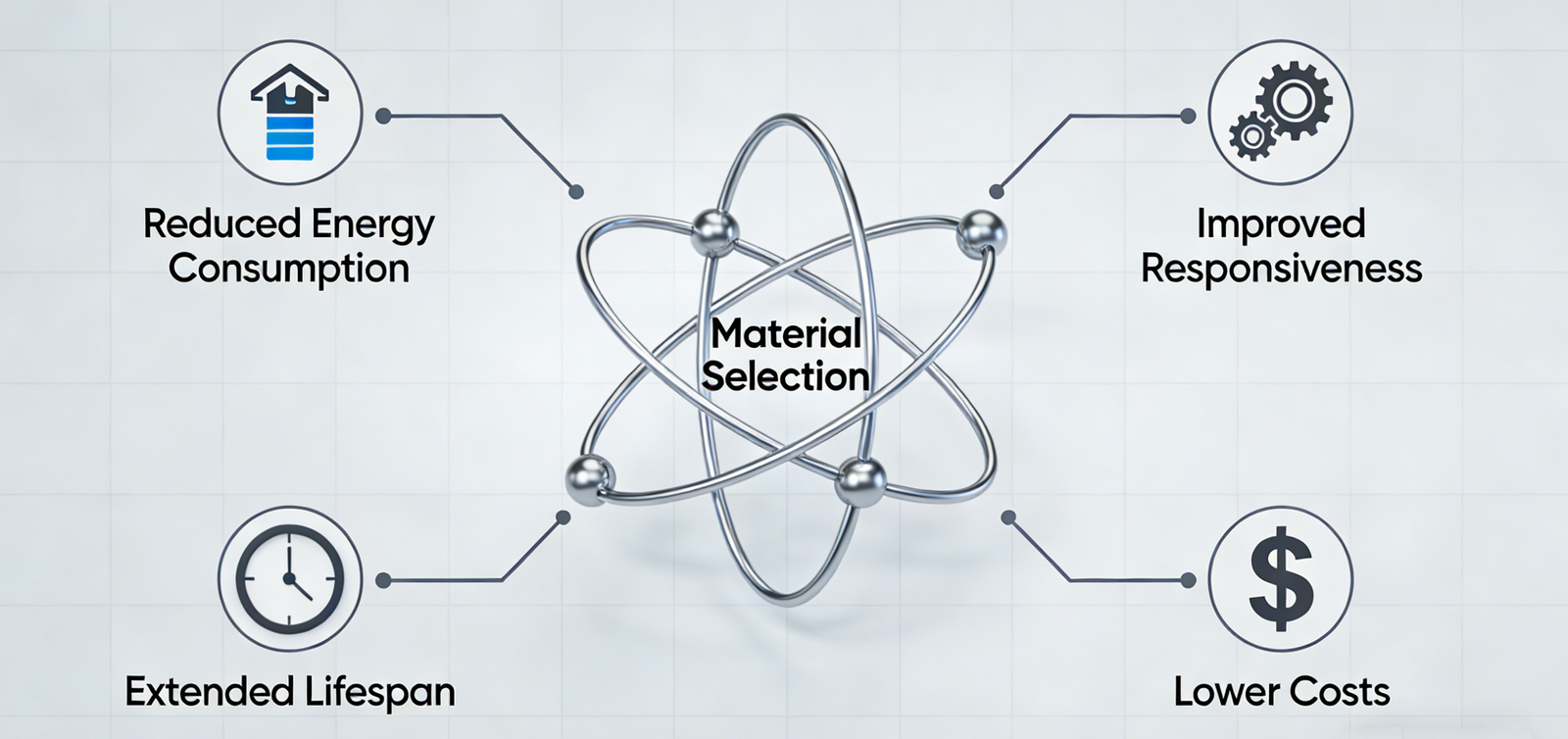
Lightweight yet strong components reduce energy consumption, improve system responsiveness, and lower transportation and assembly costs. At the same time, insufficient strength can lead to deformation, fatigue failure, or safety risks.
Material selection directly impacts product lifespan, performance consistency, and overall manufacturing cost.
Aluminum Alloys: The Most Common Lightweight Choice
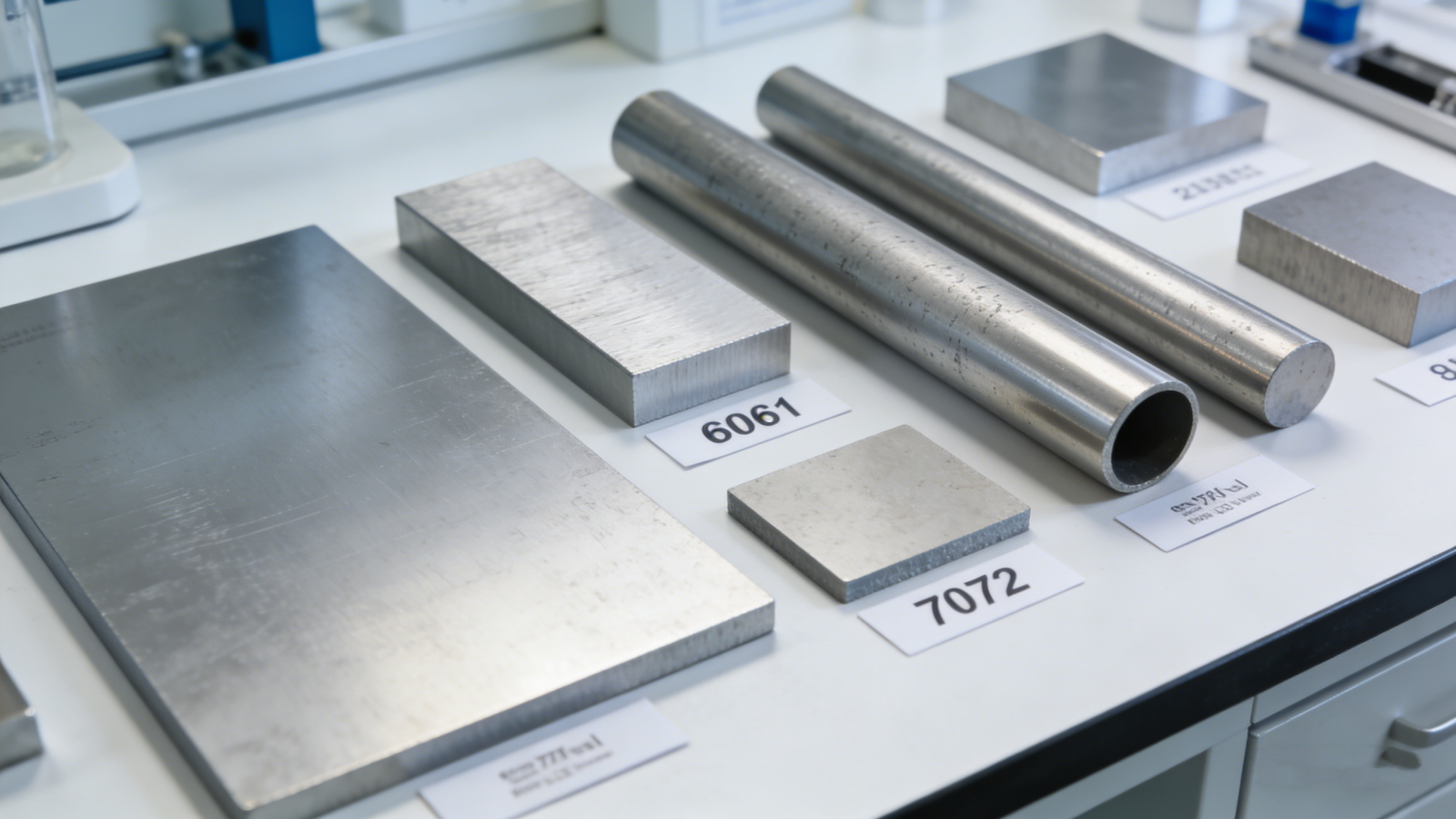
Aluminum alloys are widely used due to their excellent strength-to-weight ratio3 and machining efficiency. They are suitable for both prototyping and mass production.
Aluminum offers a rare combination of low density, good mechanical strength, and cost-effective machining.
Common advantages include:
Low density and reduced component weight
Good corrosion resistance
Excellent CNC machinability
Wide availability of grades such as 6061 and 7075
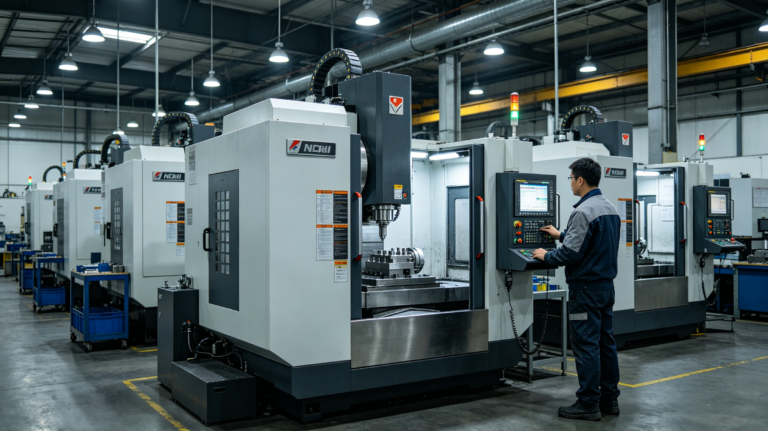
Ruicheng machines aluminum components using 3-axis and 5-axis CNC systems to ensure stable quality for structural and functional parts.
Titanium: High Strength with Minimal Weight Penalty
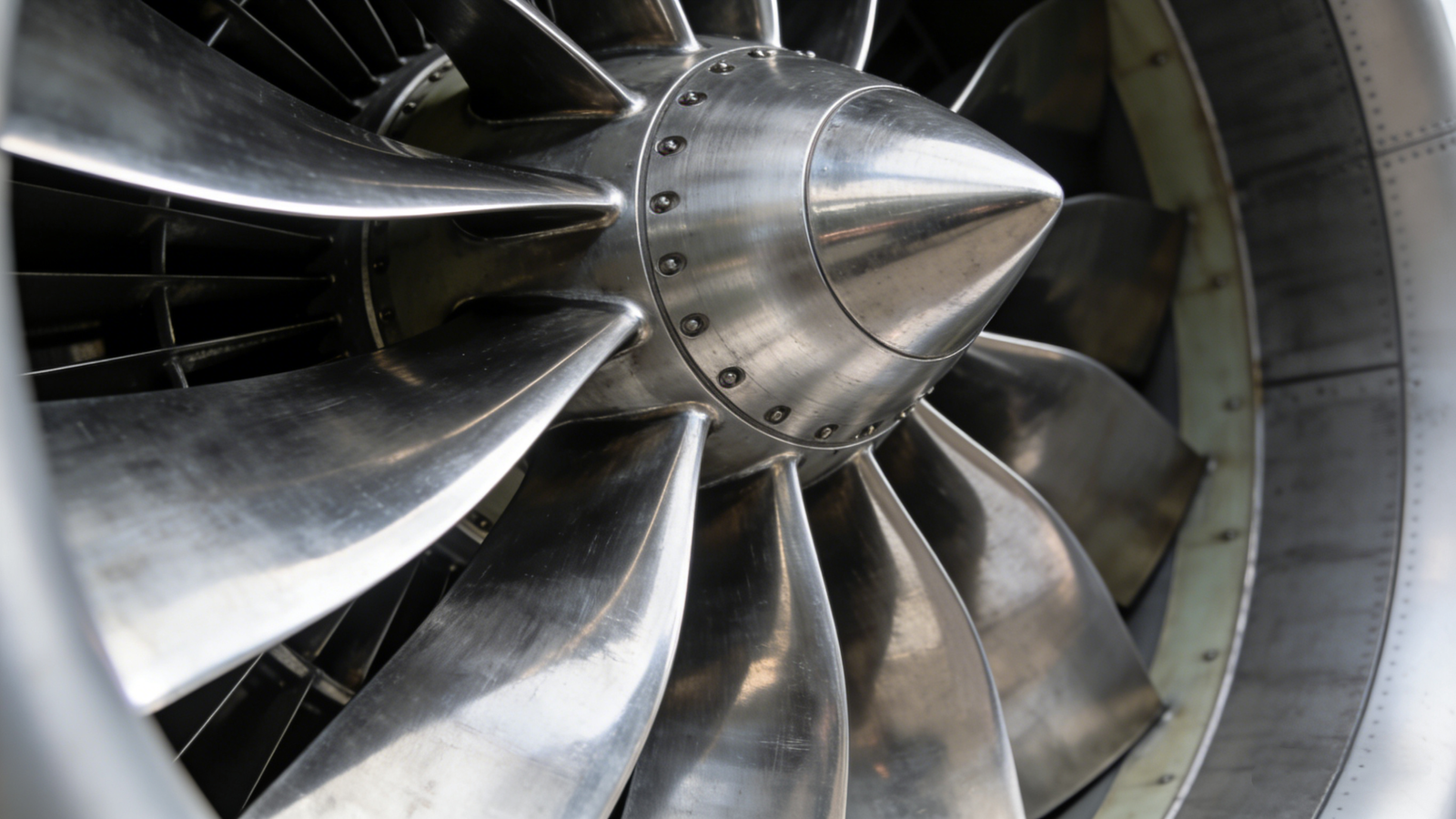
Titanium is preferred in applications where extreme strength and corrosion resistance are required without adding significant weight.
Titanium delivers exceptional strength-to-weight performance, making it ideal for aerospace and medical components.
Key characteristics include:
High tensile strength
Excellent fatigue resistance
Outstanding corrosion resistance
Higher material and machining cost
Ruicheng supports titanium4 machining for complex and high-precision components, applying optimized cutting strategies to maintain accuracy and surface integrity.
Magnesium and Advanced Lightweight Metals
Magnesium alloys are even lighter than aluminum, offering advantages in highly weight-sensitive applications. However, they require specialized machining control.
Magnesium provides ultra-lightweight performance but demands experienced machining and safety management.
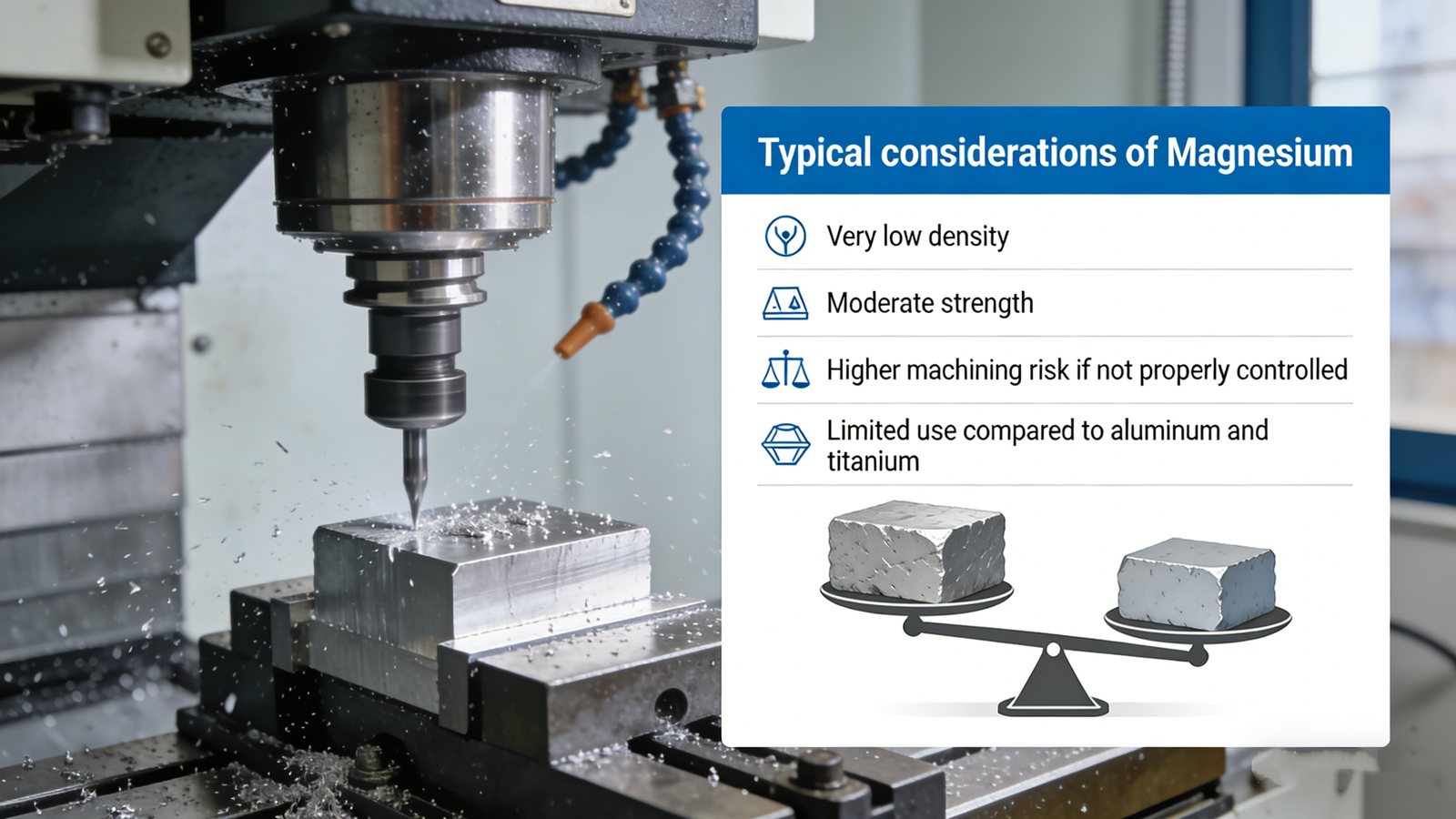
Typical considerations include:
Very low density
Moderate strength
Higher machining risk if not properly controlled
Limited use compared to aluminum and titanium
With proper process control, Ruicheng can support specialized lightweight metal machining projects.
Strength-to-Weight Comparison
| Metal | Density | Relative Strength | Machinability | Typical Applications |
|---|---|---|---|---|
| Aluminum | Low | Medium–High | Excellent | Automotive, aerospace |
| Titanium | Medium | Very High | Moderate | Aerospace, medical |
| Magnesium | Very Low | Medium | Moderate | Electronics, mobility |
| Steel | High | Very High | Moderate | Structural, heavy-duty |
Evaluating strength-to-weight ratio3s helps identify the most cost-effective and performance-driven material for each application.
Machinability and Manufacturing Efficiency
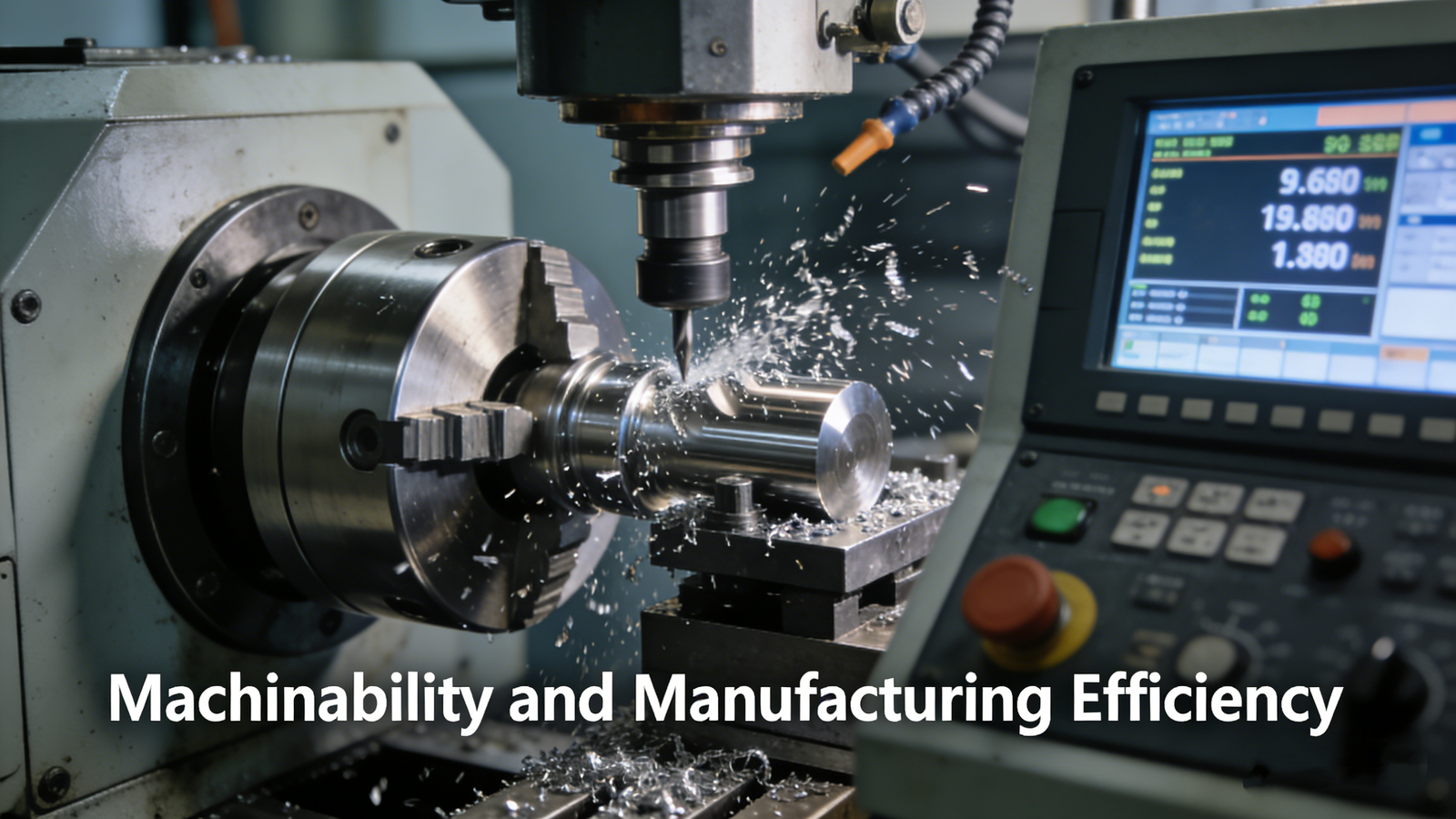
A strong lightweight metal must also be practical to manufacture. Poor machinability increases cost, lead time, and quality risk.
Choosing a metal with good machinability ensures consistent tolerances, better surface finish, and predictable delivery.
Ruicheng combines material expertise with advanced CNC milling, turning, and 5-axis machining to optimize both performance and production efficiency.
How Ruicheng Supports Lightweight Metal Projects
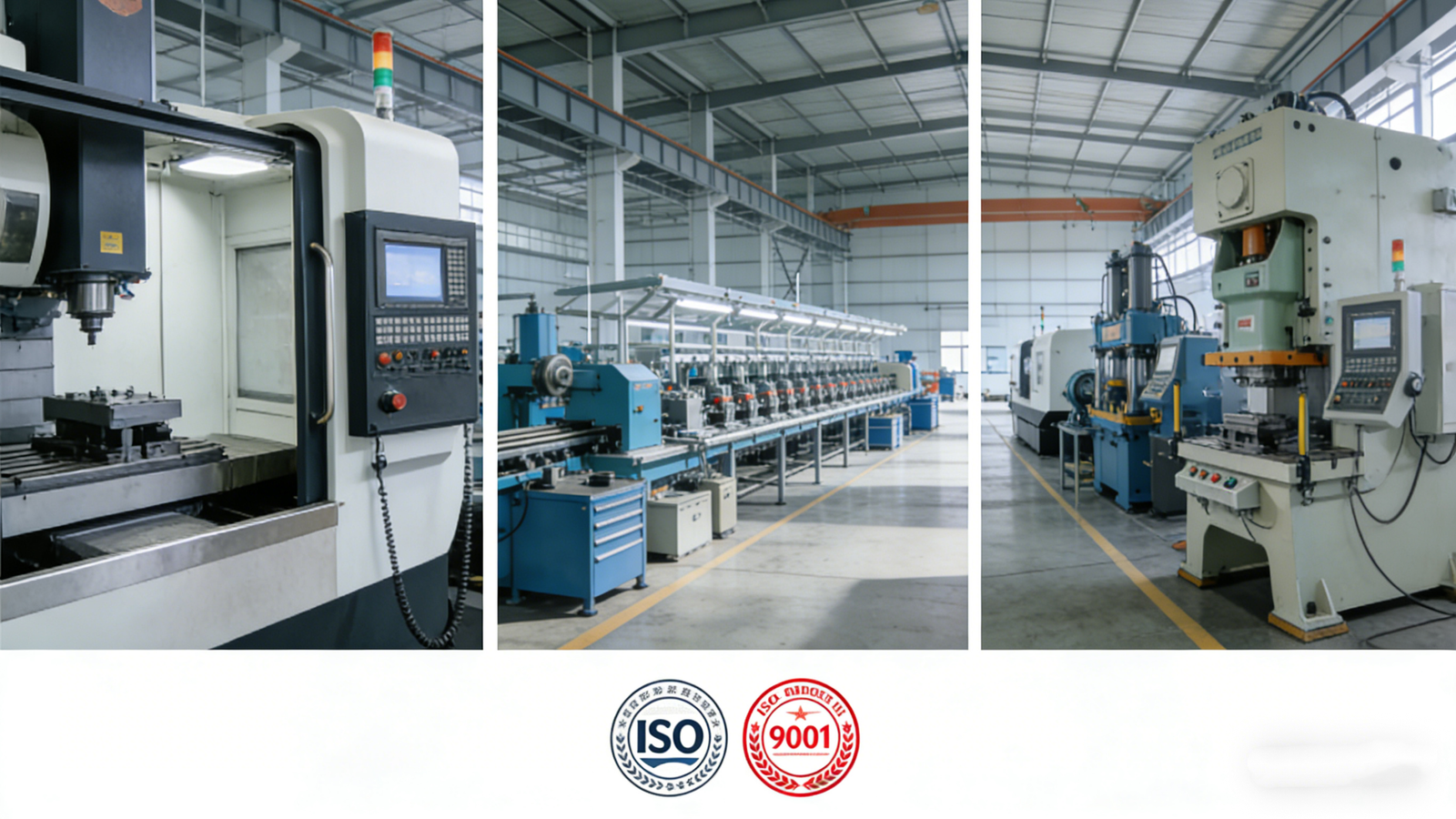
As a large-scale metal manufacturing company, Ruicheng provides more than CNC machining5 alone.
Integrated manufacturing capability ensures stable quality from prototype to mass production.
Our capabilities include:
CNC milling and turning (3-axis and 5-axis)
Prototype and low-volume production
High-volume manufacturing
Stamping, extrusion, die casting, and injection molding
ISO 9001 certified6 quality management system
Real Application Example
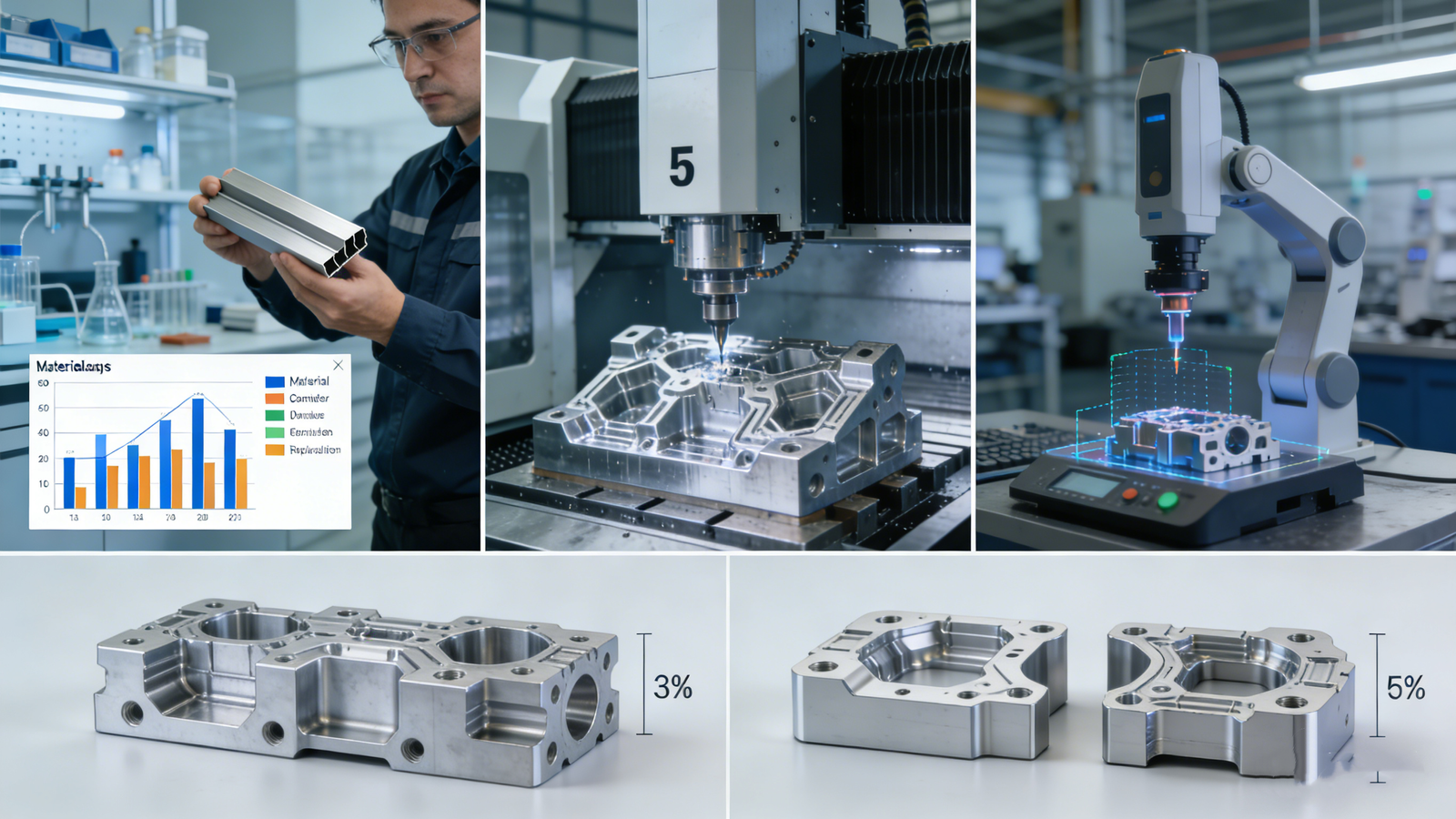
A customer required lightweight aluminum components with high structural strength for industrial equipment assemblies. Ruicheng optimized material selection, machining strategy, and inspection processes.
The result was reduced component weight, stable tolerances, and reliable long-term performance.
Frequently Asked Questions
Which metal offers the best balance of lightweight and strength?
Aluminum alloys are often the best balance for cost, weight, and strength.
For most applications, aluminum delivers the highest value-to-performance ratio.
Is titanium always better than aluminum?
Not always. Titanium is stronger but more expensive and harder to machine.
Material choice should match performance needs and budget constraints.
Can lightweight metals maintain tight tolerances?
Yes, with proper machining control.
Advanced CNC equipment and quality systems ensure dimensional accuracy.
Contact Us
Looking for the best metal solution for lightweight yet strong components?
Email: marketing@chinaruicheng.com
WhatsApp: +8615980769781
Contact page: https://custommetalpro.com/contact-us/
Ruicheng provides professional guidance, advanced machining capability, and certified quality systems to help turn lightweight metal designs into reliable, production-ready components.
-
Understanding mechanical strength is crucial for selecting the right materials for safety and durability. ↩
-
Explore the key factors that influence how easily metals can be machined for production. ↩
-
Understanding this ratio helps in selecting the most efficient materials for specific applications. ↩ ↩
-
Learn about titanium’s exceptional properties that make it ideal for high-performance applications. ↩
-
Learn how CNC machining enhances precision and efficiency in metal fabrication. ↩
-
Discover the importance of ISO 9001 certification in ensuring consistent quality in production. ↩