Introduction
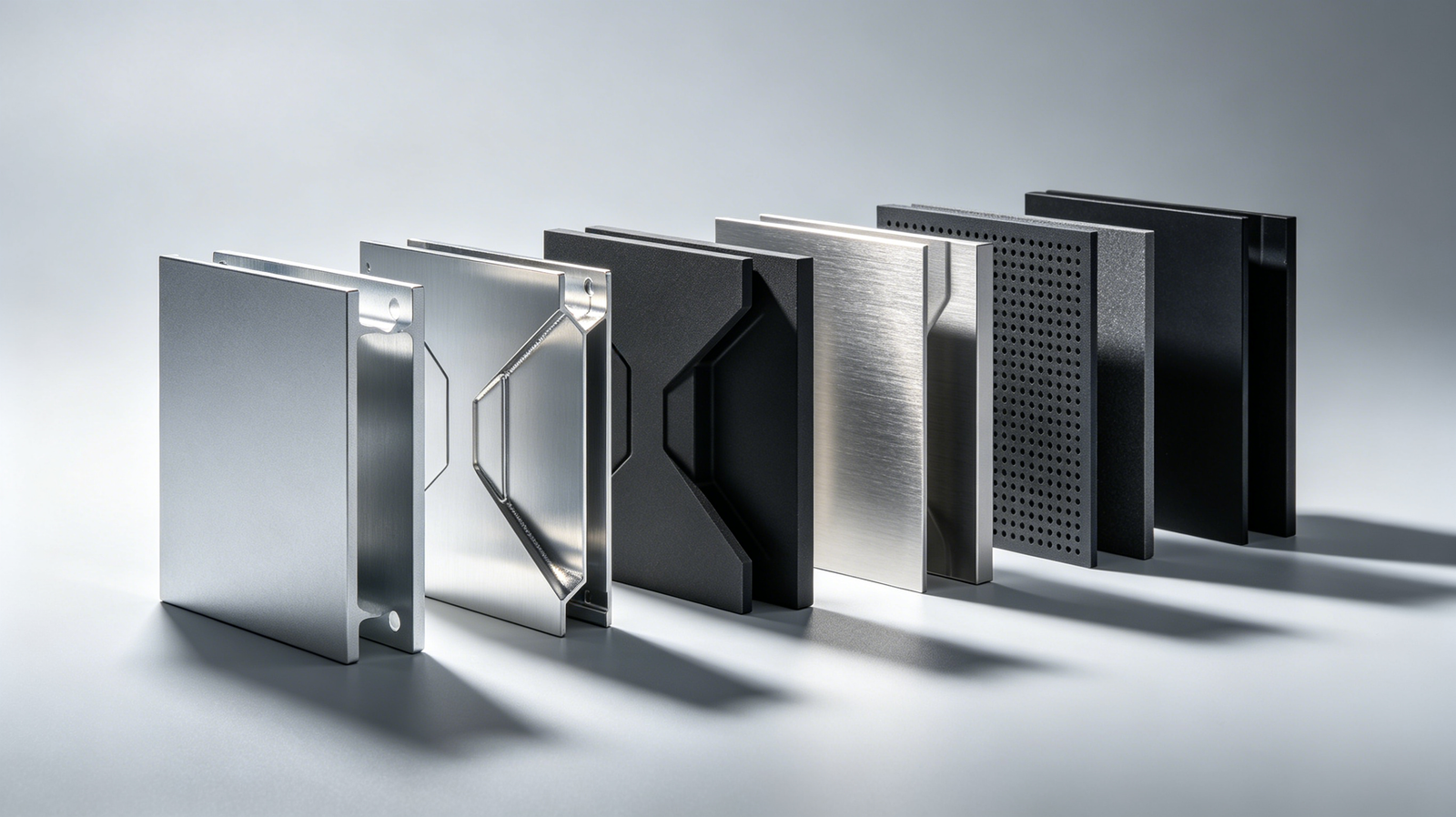
Aluminum die‑casting has become a mainstream manufacturing solution for automotive, agricultural machinery and general industrial components due to high production efficiency and good mechanical performance. Procurement engineers often face large quotation gaps when requesting quotes from different foundries for identical 3D drawings. Many buyers only compare unit‑piece prices while ignoring amortized tooling and secondary‑operation expenses. A complete aluminum die‑casting quotation covers one‑time investment items and recurring production‑related expenditures, and every design detail will shift the final landed cost. Purchasers need to sort out each cost component before submitting formal RFQ documents to avoid unexpected extra expenses in later mass‑production phases. Reasonable cost evaluation helps brands balance component quality, delivery cycle and overall project budget. Blindly pursuing the lowest unit price may trigger quality risks such as porosity, dimensional deviation and surface defects for finished castings.
What are the one‑time upfront costs for aluminum die‑casting projects?
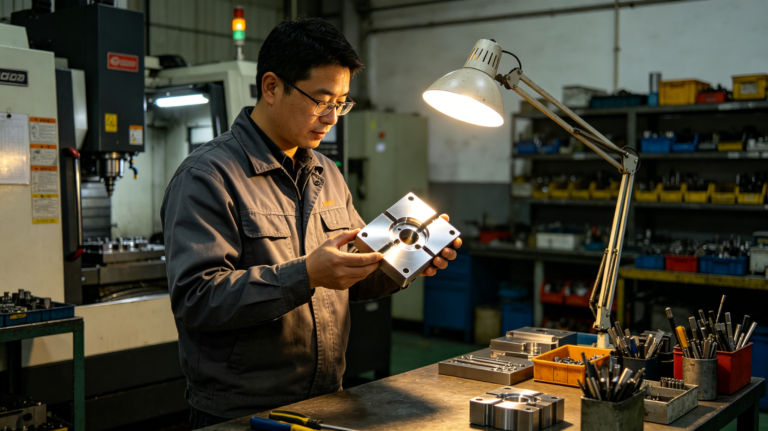
One‑time upfront costs mainly include die tooling, DFM review, mold trial‑out and certification expense, among which die‑casting tooling occupies the largest proportion of initial investment, and complex structural parts with undercuts and deep cavities will raise mold manufacturing difficulty and corresponding expenditure significantly. Tooling cost is determined by mold steel grade, cavity quantity, slide‑insert structure, cooling system and post‑trial modification workload. After mold completion, multiple trial shots and dimensional inspections are required to verify whether castings meet drawing requirements, and third‑party material certification will generate additional charges for special‑scenario components.
Mold steel grade: Hardened hot‑work steel extends die service life and brings higher initial investment for die‑casting tooling.
Cavity layout: Multi‑cavity molds lift single‑batch output yet increase tooling manufacturing cost accordingly.
Mold trial‑out service: Multiple debugging rounds are essential to eliminate defects such as cold shuts and gas porosity for new molds.
Compliance certification: Special industry castings need material test reports and third‑party inspection documents before formal mass production.
💡 Up‑front one‑time costs are mostly amortized into unit price according to total forecast production volume.
Which recurring production costs affect aluminum die‑casting unit price?

Recurring production costs are generated for every finished casting, covering raw‑material consumption, machine operation expense, labor cost, scrap loss and basic trimming work, and aluminum alloy grade selection directly changes material input, while casting cycle time decides equipment occupancy and overall production efficiency. Actual material consumption counts runners, overflow slag pockets and scrap rate instead of only finished‑part net weight. Different tonnage die‑casting machines have distinct hourly operating rates; large‑tonnage equipment for heavy‑wall castings will raise per‑part machine‑occupancy cost. Unqualified castings from gas porosity, shrinkage and mis‑run defects also add invisible production expenditure to each qualified finished product.
Raw material consumption: Material calculation includes finished‑part weight plus gating‑system waste and allowable production scrap loss.
Machine operating expense: Machine tonnage, cycle duration and equipment depreciation together decide the equipment cost of each casting.
On‑site labor expense: Labor covers mold maintenance, casting trimming, part sorting and routine on‑site inspection work.
Production scrap allowance: Reasonable scrap rate reserve is incorporated into quotation to offset losses from unavoidable casting defects.
⚙️ Recurring costs change obviously as production volume rises, higher batches dilute fixed equipment overhead for single piece.
How do secondary operations and technical requirements push up aluminum die‑casting prices?
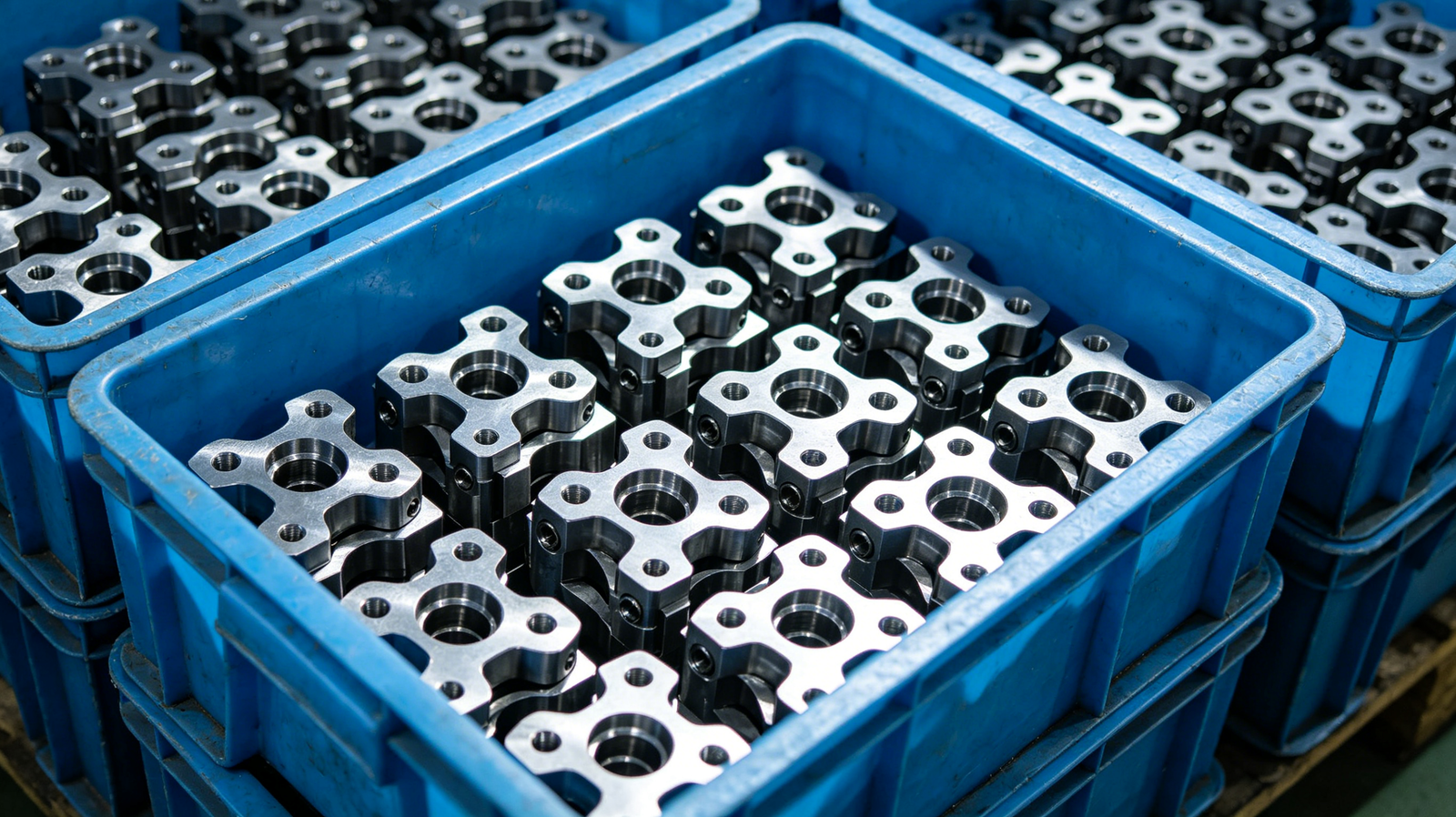
As‑cast die‑casting blanks seldom satisfy final assembly standards directly, most components need follow‑up secondary processing such as CNC machining, surface finishing and precision dimensional inspection, tight tolerance demands and complex threaded features will increase workload for post‑casting machining, and customized surface treatment like anodizing and powder coating will create extra budget pressure for procurement projects. Narrow tolerance requirements will expand inspection workload and raise product rejection threshold during production. Complex machining features require custom jigs and fixtures, which will add hidden costs that are easy to omit in preliminary quotations. Different surface‑treatment processes differ greatly in unit‑piece expense, anti‑corrosion or decorative‑grade treatments bring higher cost than basic shot‑blasting work.
CNC post‑machining: Thread holes, positioning mounting surfaces and assembly datum need precise machining on die‑cast blanks.
Surface finishing: Shot blasting, sand blasting, anodizing and powder coating provide different appearance and corrosion‑resistance performance.
Precision inspection work: CMM full‑size checking, pressure tightness test and material analysis bring extra testing‑procedure cost.
Custom fixture input: Complex machining tasks require dedicated fixtures to guarantee repeatable dimensional accuracy for batches.
🔍 Special secondary‑process requirements should be clearly marked in drawings to prevent unbudgeted cost increase in later cooperation.
Aluminum Die‑casting Cost Component Comparison Table
| Cost Item | Low‑complexity casting | Medium‑complexity casting | High‑complexity casting |
|---|---|---|---|
| Amortized Tooling Cost | Low | Medium | High |
| Raw Alloy Material Cost | Medium | Medium‑High | High |
| Basic Die‑casting Process Cost | Low | Medium | High |
| Secondary Operation Cost | Low | Medium | Very High |
Buyers should evaluate total landed cost rather than only focus on unit‑piece quotation, if you need detailed cost breakdown for your casting project, contact us to get tailored analysis support.
Practical Suggestions to Optimize Aluminum Die‑casting Quotation
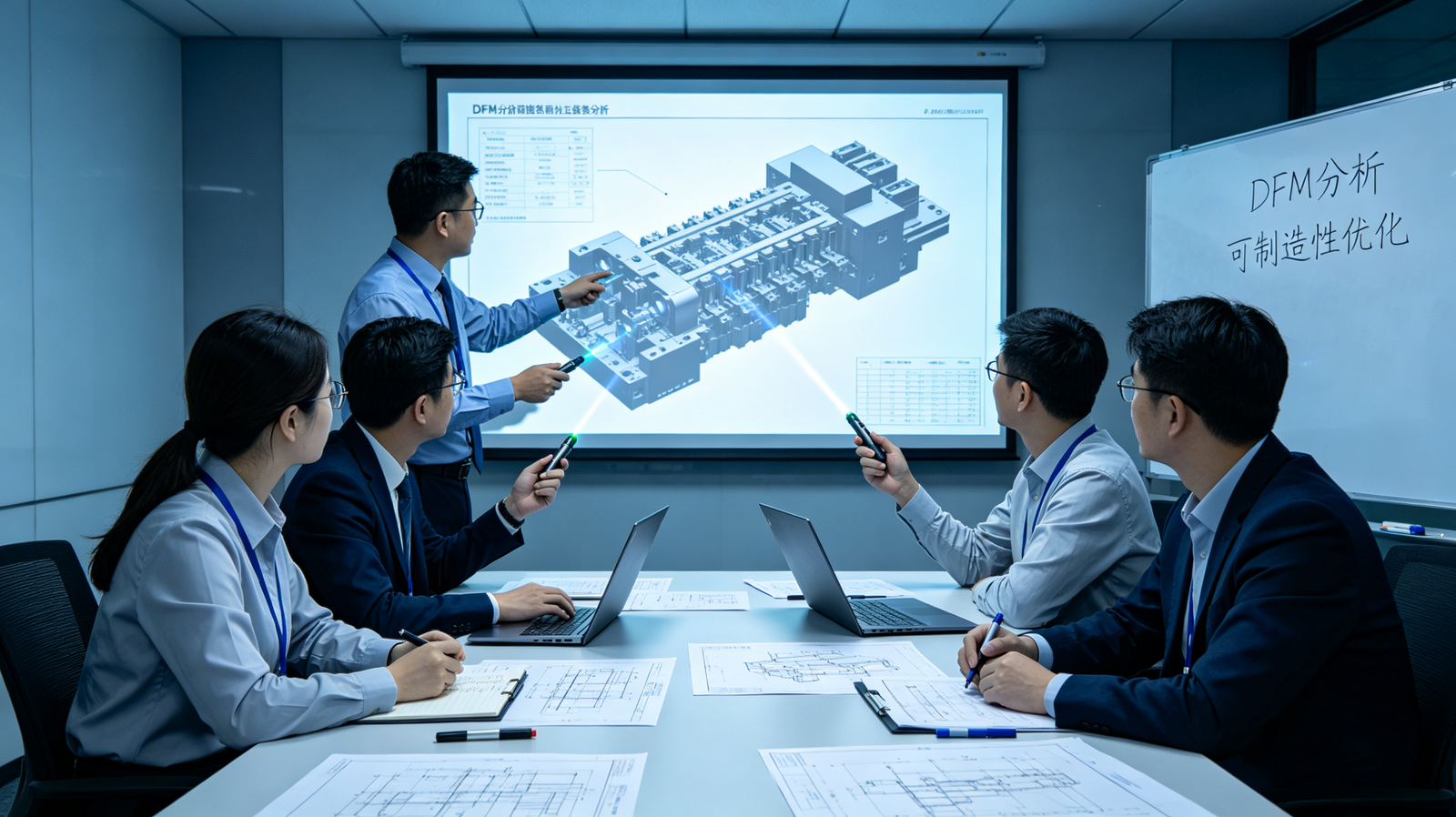
Procurement and R&D teams can effectively control aluminum die‑casting overall expenditure through DFM optimization, reasonable alloy selection and clear technical specifications before formal project launch. Optimizing part structure for die‑cast manufacturability is the most cost‑effective way to cut total project expenditure. Unnecessary ultra‑tight tolerance and redundant surface‑treatment requirements shall be deleted on drawings according to real assembly demands. Communicate expected production volume with manufacturers in advance, since volume parameter is critical for tooling amortization and unit‑price calculation.
1.DFM structure optimization: Simplify sharp corners, deep thin walls and excessive undercut structures to reduce mold difficulty and scrap risk.
2.Select suitable alloy grade: Choose standard general‑purpose aluminum alloys under the premise of satisfying mechanical performance requirements.
3.Specify tolerance reasonably: Loosen non‑assembly‑position tolerances to decrease machining and inspection workload for castings.
4.Clarify batch forecast: Provide clear annual or total batch expectation to help suppliers complete accurate tooling amortization calculation.
FAQ
Question: What are the core assessment indicators for your aluminum die‑casting service?
Answer: We deliver castings with dimensional tolerance up to IT7‑IT8 grade, adopt A380, A356 and ADC12 mainstream aluminum alloys, implement multi‑stage dimensional inspection and porosity detection, and the technical system can satisfy mass‑production demands for automotive, agricultural machinery and general‑equipment components.
Question: We plan to purchase aluminum die‑casting parts, what materials should we provide for quick quotation?
Answer: You need to submit 3D CAD files, 2D engineering drawings with tolerance marks, expected order quantity and special technical requirements; our team will give process‑analysis‑included formal quotation within 12 working hours after receiving complete documents, and free sample evaluation is available for qualified projects.
Question: For aluminum die‑casting components, what are the rules for minimum order quantity and delivery cycle under different purchase volumes?
Answer: Small‑batch trial‑production MOQ starts at 200 pieces, mass‑production orders above 5000 pieces enjoy unit‑price discount; conventional order delivery cycle ranges from 14‑21 working days counting from mold confirmation, and we support urgent‑order scheduling for key projects according to actual production capacity.
Question: If we receive aluminum die‑casting parts with dimensional deviation or surface quality defects after procurement, how will your team handle it?
Answer: Customers can apply for quality re‑inspection within 7 working days after goods arrival; once non‑conformity is verified, we will arrange re‑production or product replacement within 48 hours, finished castings enjoy quality guarantee covering production‑process defects, and corresponding liability clauses will be written into formal cooperation contract.
Question: Can you provide customized adjustment for aluminum die‑casting products based on our actual working‑condition demands?
Answer: Customized solutions for alloy adjustment, special surface anti‑corrosion treatment and partial structural modification are supported, you need to provide detailed working‑condition parameters including load, operating temperature and assembly environment, we will feed back complete customized scheme within 3 working days, customized service cost will float 6%‑16% comparing with standard die‑casting parts.
Conclusion
Calculating aluminum die‑casting price is a systematic work combining one‑time tooling investment, recurring production cost and secondary‑process expenditure. Buyers cannot judge project cost merely by single unit‑piece price, and drawing details, batch scale and technical specifications all exert great influence on final comprehensive cost. Early DFM review and clear technical‑requirement communication can effectively avoid unexpected cost increase during project implementation. Full‑dimension cost evaluation helps purchasers select suitable suppliers and achieve balance among casting quality, delivery cycle and overall procurement budget.
For expert assistance in implementing for your production needs, visit our resource center or contact us. Let’s help you scale up your manufacturing with precision and efficiency!