Introduction
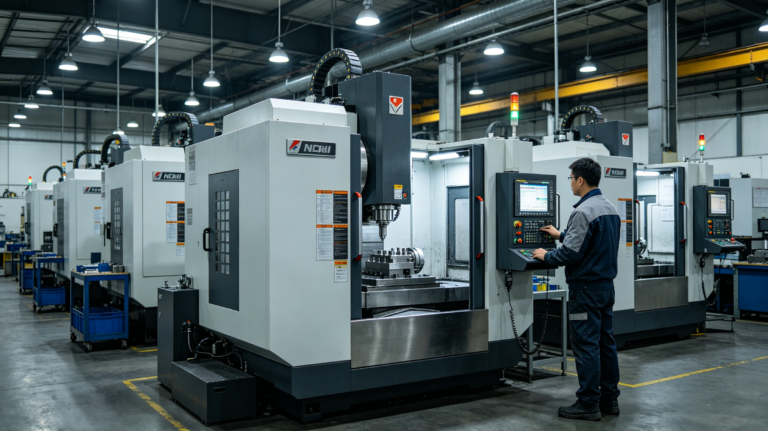
Complex stainless steel medical components often feature blind holes and cross-drilled structures, which easily create cleaning blind spots and chemical residue risks after machining, directly impacting device safety and compliance. Through extensive experience serving medical industry clients, Xiamen Ruicheng has developed a systematic approach to optimize internal passivation for complex geometries, ensuring stable corrosion resistance before delivery. Complex geometries require passivation processes to evolve from simple coverage to verifiable full-surface treatment capability.
As medical standards become increasingly stringent, traditional immersion passivation can no longer meet the demands of deep and intersecting structures. Companies must integrate design and post-processing strategies to achieve reliable outcomes. By upgrading equipment, fluid control, and inspection methods, internal passivation is shifting from experience-based operations to quantifiable processes. Only a closed-loop system from design to validation can truly eliminate internal dead zones.
How can full passivation coverage be achieved in complex blind and cross holes?
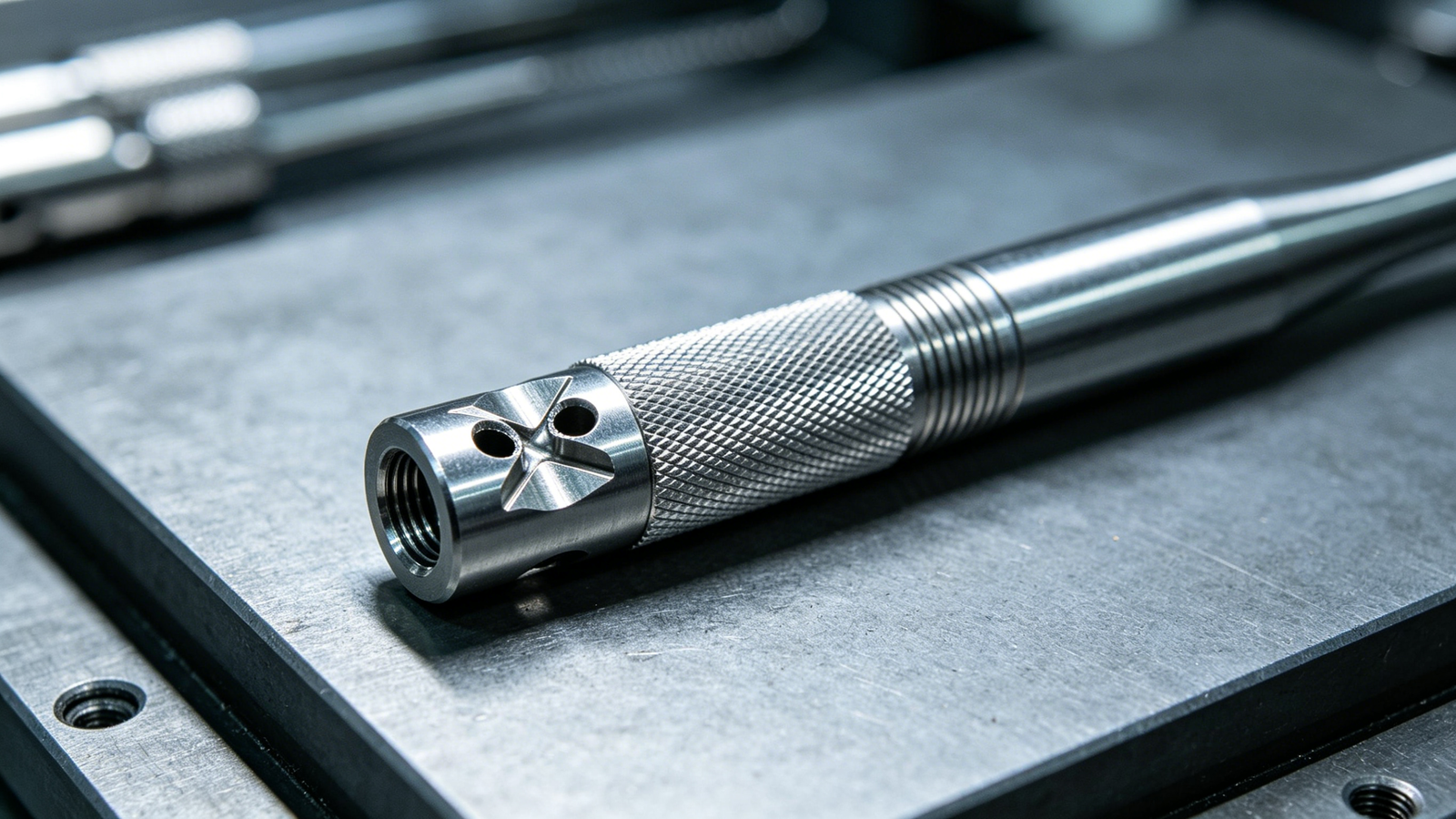
In stainless steel medical components with blind and cross holes, fluid flow paths are restricted, making traditional immersion insufficient for deep internal areas. Therefore, optimized solutions combining stainless steel passivation process and medical surface treatment standards are essential, using multi-directional flow control and auxiliary technologies to enhance coverage and eliminate corrosion risks. Xiamen Ruicheng utilizes directional spraying and pulsating flow technology to create continuous circulation within complex channels, fundamentally solving coverage limitations.
Flow path engineering: Simulated flow ensures passivation solution reaches all internal zones effectively.
Multi-angle spraying: Improves penetration into intersecting and angled holes.
Ultrasonic assistance: Enhances fluid entry into micro-scale cavities and tight spaces.
Dynamic circulation control: Maintains active solution renewal to prevent local depletion.
✨ True success lies in ensuring every drop of solution reaches where it is needed.
How to prevent residues and contamination after internal passivation?
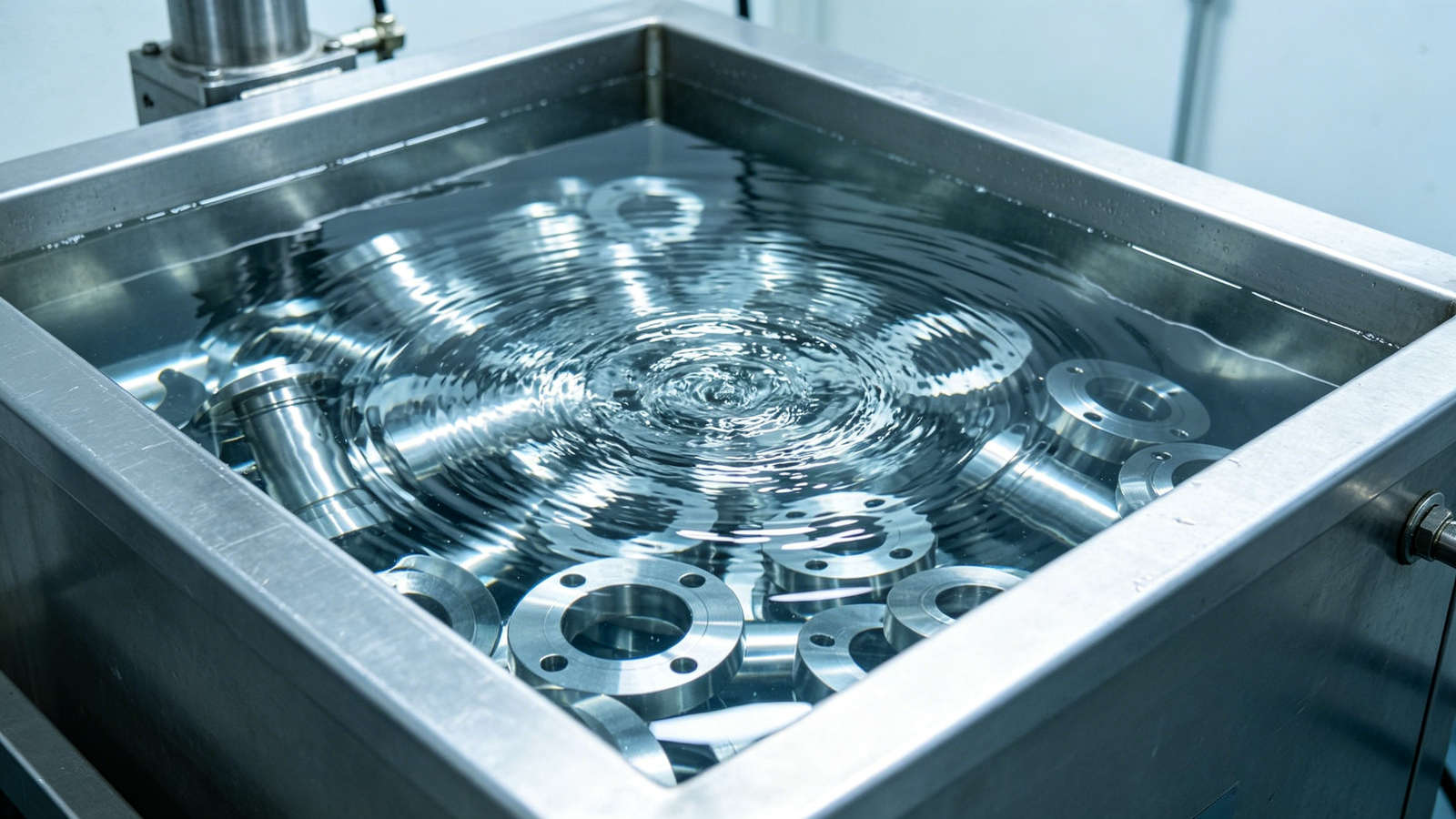
Residue left after passivation can compromise cleanliness and safety in medical applications, requiring systematic control through residual management in passivation and ultrapure water cleaning. Multi-stage cleaning combined with real-time monitoring ensures complete removal of contaminants. Xiamen Ruicheng integrates multi-tank cleaning with conductivity monitoring systems to achieve precise residue control.
Multi-stage cleaning: Gradually reduces residue concentration through sequential processes.
Ultrapure rinsing: Eliminates contamination risks using high-purity water systems.
Inline monitoring: Conductivity sensors verify cleaning effectiveness in real time.
Clean drying process: Prevents secondary contamination through controlled drying environments.
🧪 High-quality passivation is defined not just by treatment, but by complete cleanliness.
How to verify there are no dead zones in internal passivation?
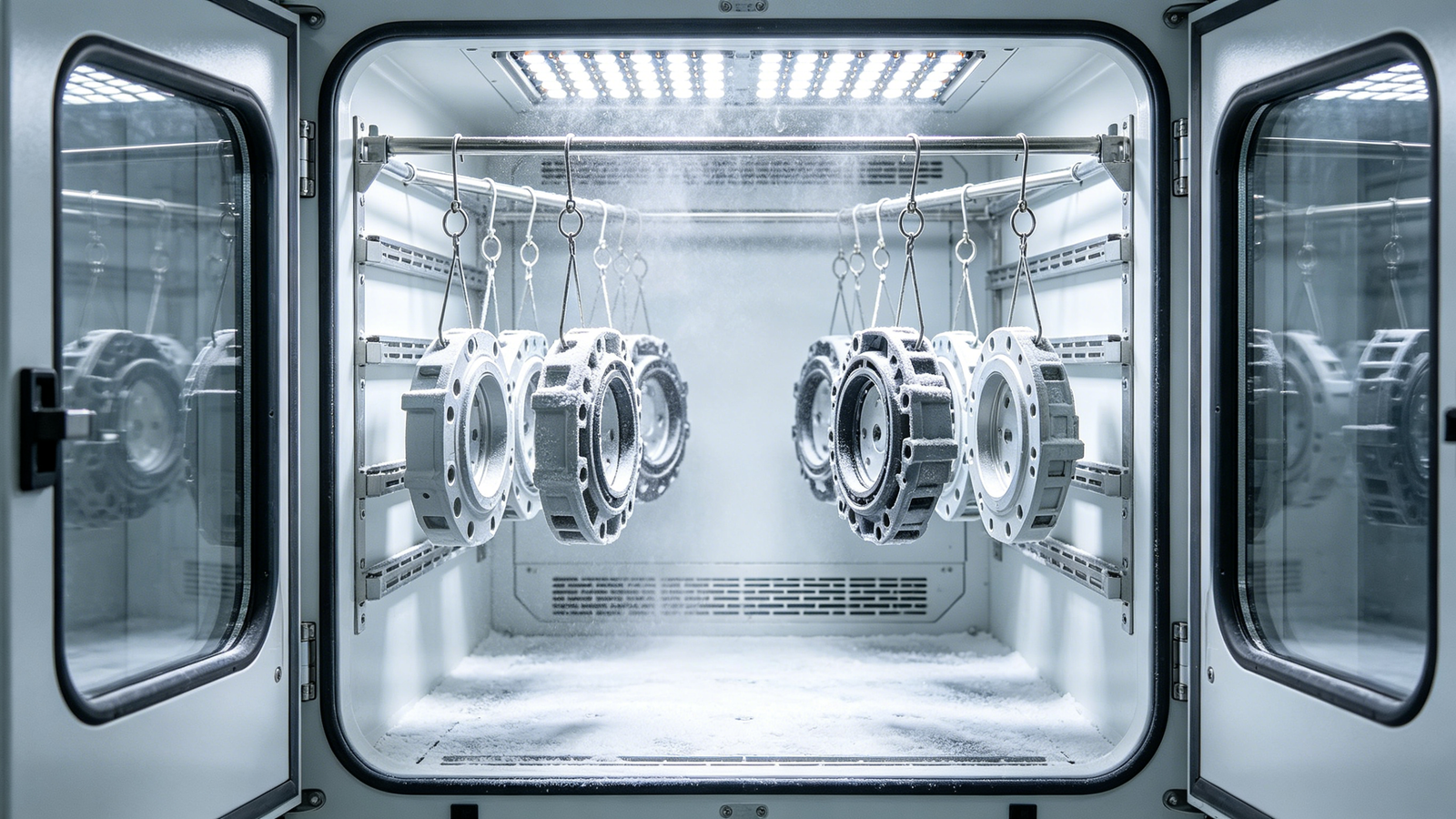
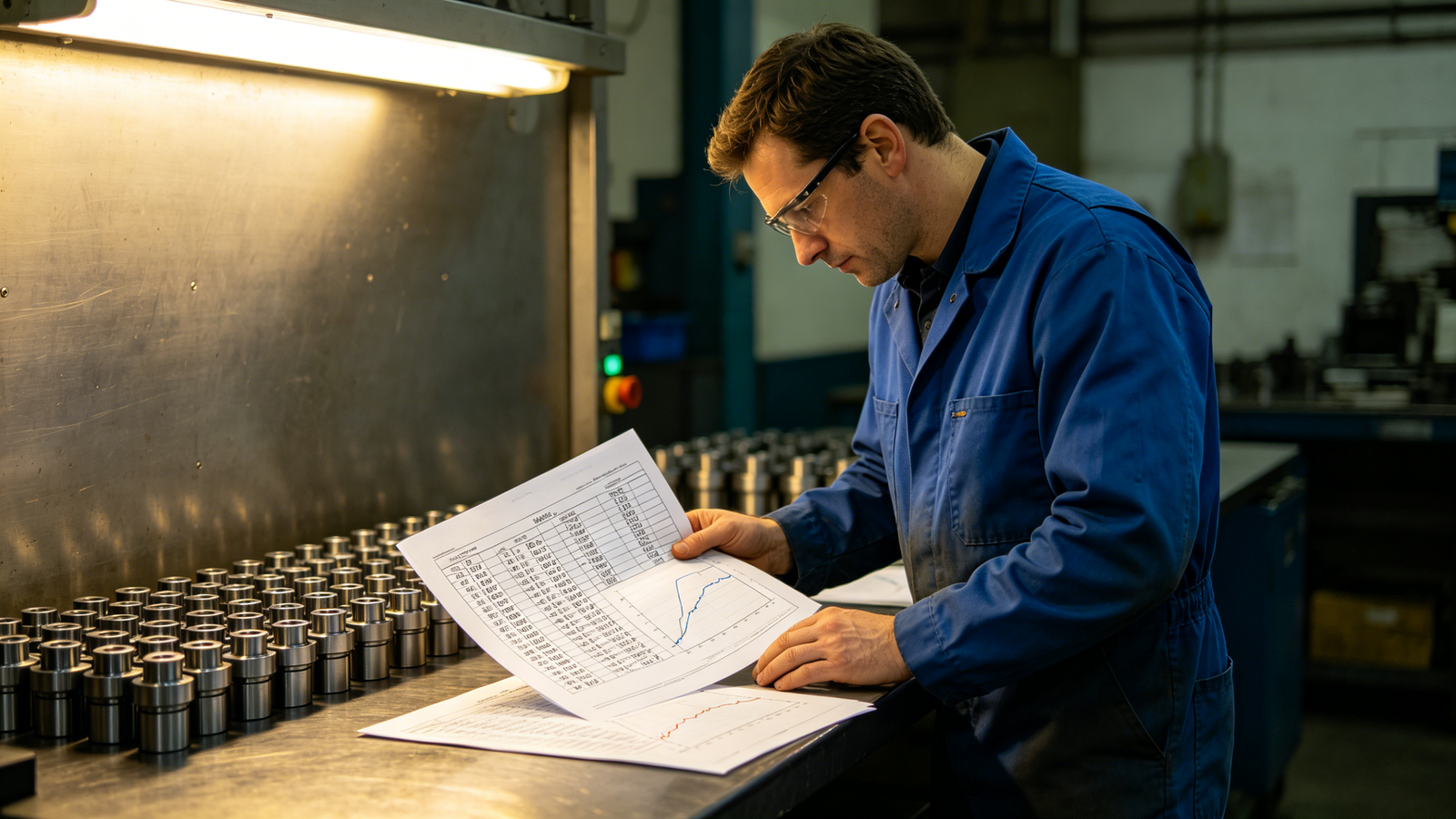
For complex structures, experience alone cannot guarantee passivation quality. Scientific validation methods such as blue point testing and endoscopic inspection must be used to visualize internal surfaces and confirm full coverage in blind and intersecting holes. Xiamen Ruicheng has established a multi-layer verification system combining chemical testing and visual inspection to ensure full traceability of results.
Blue point testing: Detects unpassivated areas on internal surfaces.
Endoscopic inspection: Provides direct visual confirmation inside holes.
Corrosion testing: Simulates real conditions to validate durability.
Batch data tracking: Ensures traceability and consistency across production.
🔍 Invisible areas demand the highest level of verification in medical manufacturing.
Comparison of Passivation Methods for Complex Structures
| Method | Coverage | Suitable Structures | Cost | Stability | Inspection Difficulty |
|---|---|---|---|---|---|
| Immersion | Low | Simple parts | Low | Medium | High |
| Spray | Medium | Shallow holes | Medium | Medium | Medium |
| Electrochemical | High | Precision parts | High | High | Low |
| Dynamic circulation | Very High | Blind + cross holes | Medium-High | High | Low |
Get your customized solution today: contact us
How Xiamen Ruicheng Supports Decision-Making for Complex Passivation
In real-world projects, customers often face challenges such as fixed geometry, strict compliance requirements, and tight delivery timelines. Xiamen Ruicheng not only provides manufacturing capabilities but also builds a decision-support system from design evaluation to process validation, helping clients identify risks early and optimize solutions. Early-stage involvement combined with data-driven validation significantly reduces rework and quality risks.
1.DFM support: Provides design optimization suggestions before production.
2.Process planning: Develops customized passivation workflows based on geometry.
3.Sample validation: Verifies feasibility through small-batch testing.
4.Mass production assurance: Ensures consistency through standardized processes.
FAQ (Procurement Decision Guide)
Question 1 (Core Evaluation): What is the quality baseline of your complex stainless steel passivation service?
Answer: Xiamen Ruicheng follows ASTM A967 standards, combining multiple passivation techniques with blue point testing and endoscopic inspection to ensure full internal coverage and medical-grade corrosion resistance.
Question 2 (Onboarding Process): What information is required to get a quotation quickly?
Answer: Customers should provide 3D/CAD drawings, material specifications, and application conditions. Our engineering team responds within 12 hours with process recommendations and quotations, including sample support.
Question 3 (Order Execution): What are the MOQ and lead time for different order volumes?
Answer: MOQ starts from 10 pieces for prototyping with 5–7 days lead time. Mass production typically takes 7–15 days, with flexible lines available for urgent orders.
Question 4 (After-Sales Assurance): How do you handle quality issues or non-compliance?
Answer: We offer inspection support within 7 days after delivery. If issues are confirmed, rework or replacement is arranged within 48 hours, with full reports and optional quality agreements.
Question 5 (Customization): Can you provide tailored solutions for special structures?
Answer: Yes, customized process development is available. Provide detailed geometry and application data, and we will deliver a tailored solution within 3 working days, including cost and feasibility evaluation.
Conclusion
Internal passivation of complex stainless steel medical components is no longer a single-step process but a system involving design, fluid control, and validation. Xiamen Ruicheng integrates these capabilities to achieve full coverage even in blind and intersecting holes, supported by verifiable data and consistent quality control. Only by combining process expertise with rigorous validation can true dead-zone-free passivation be achieved for medical-grade applications. Choosing the right partner means prioritizing full-process capability over isolated processing steps.
For expert assistance in implementing for your production needs, visit our resource center or contact us. Let’s help you scale up your manufacturing with precision and efficiency!