Aluminum Alloy Selection and Anodizing Color
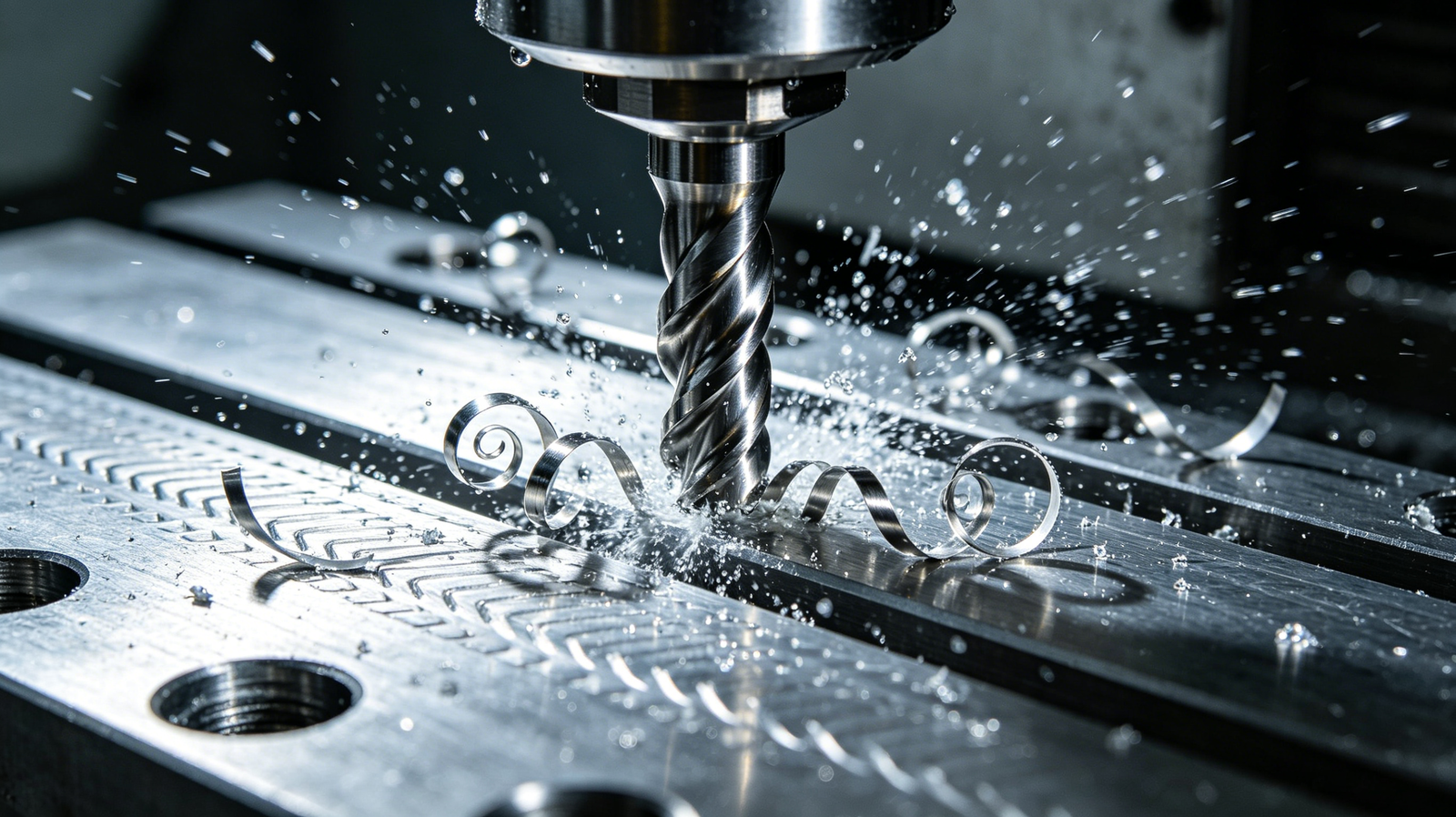
Aluminum anodizing is widely used for consumer electronics housings, automotive components, precision mechanical parts, and premium industrial products. The anodized finish influences not only product appearance but also brand consistency, production quality, and assembly requirements. Different aluminum alloys contain varying proportions of silicon, copper, magnesium, manganese, and other alloying elements, which can affect oxide layer formation, optical properties, and final coloration. Even when the same anodizing process is applied, different alloys may produce noticeably different silver, gray, black, or champagne finishes.
Consistent anodizing color cannot be achieved simply by adjusting dye concentration or oxidation time; alloy selection must be considered during the product design stage. For product development teams working with demanding cosmetic requirements, evaluating material composition, surface roughness, machining marks, and anodizing processes early can reduce repeated sampling, batch-to-batch color variation, and production rework. From Xiamen Ruicheng’s perspective, material selection should be evaluated alongside structural performance, machining requirements, finishing specifications, and production consistency.
Why Do Different Aluminum Alloys Produce Different Anodizing Colors?
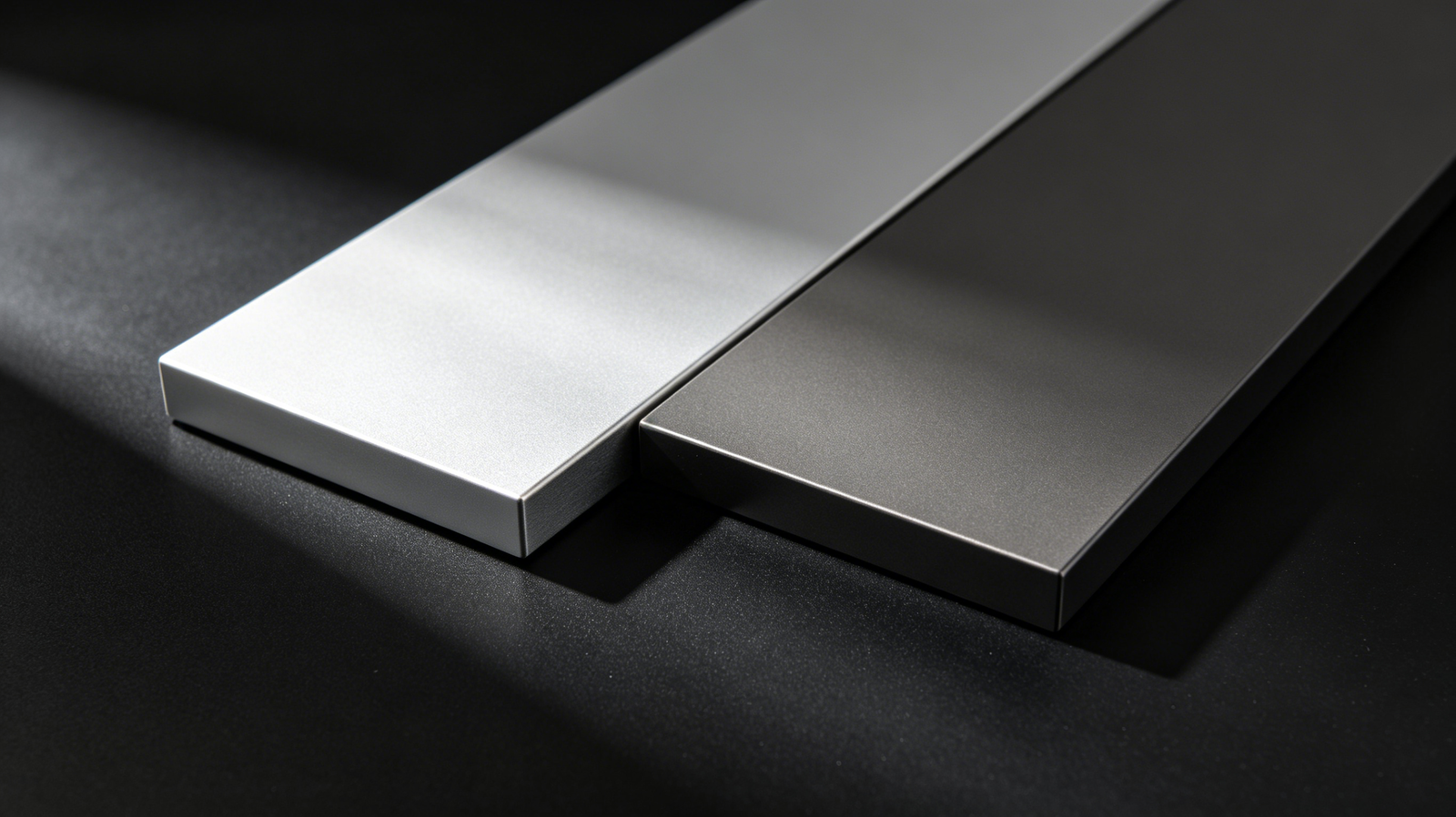
Anodizing uses an electrochemical reaction to form an aluminum oxide layer on the metal surface. However, alloying elements and intermetallic compounds can influence oxide layer uniformity, transparency, and light reflection. Common alloys such as 6061, 6063, 5052, and 7075 differ in composition and microstructure, meaning that the same anodizing parameters may not produce identical colors across all grades. These differences become particularly important when manufacturing large visible surfaces or components requiring consistent black, dark gray, or champagne finishes. Alloy composition, microstructure, and surface condition collectively determine how consistently an aluminum component can be anodized. During material selection, manufacturers can review aluminum alloy properties and material data and anodizing industry resources, then validate the results using representative production samples.
Alloy Composition: Different alloying elements influence oxide formation and surface appearance. Certain high-silicon or high-copper alloys may produce darker finishes or less uniform coloration under some anodizing conditions.
Oxide Layer Structure: Oxide thickness, pore structure, and surface condition affect light reflection and dye absorption. Consequently, the same color formulation may produce different visual results on different alloys.
Material Microstructure: Intermetallic compounds, local segregation, and material batch variations can contribute to uneven coloration, particularly on large decorative components.
Machined Surface Finish: CNC tool marks, sanding patterns, and bead-blasted textures change how light reflects from the surface. As a result, identical alloys can appear lighter, darker, or differently textured depending on the machining and pretreatment process.
🔎 Reliable anodizing color starts with evaluating alloy composition, microstructure, and surface finish together rather than selecting a material grade in isolation.
Which Aluminum Alloys Are Best for Black, Silver, and Champagne Anodizing?
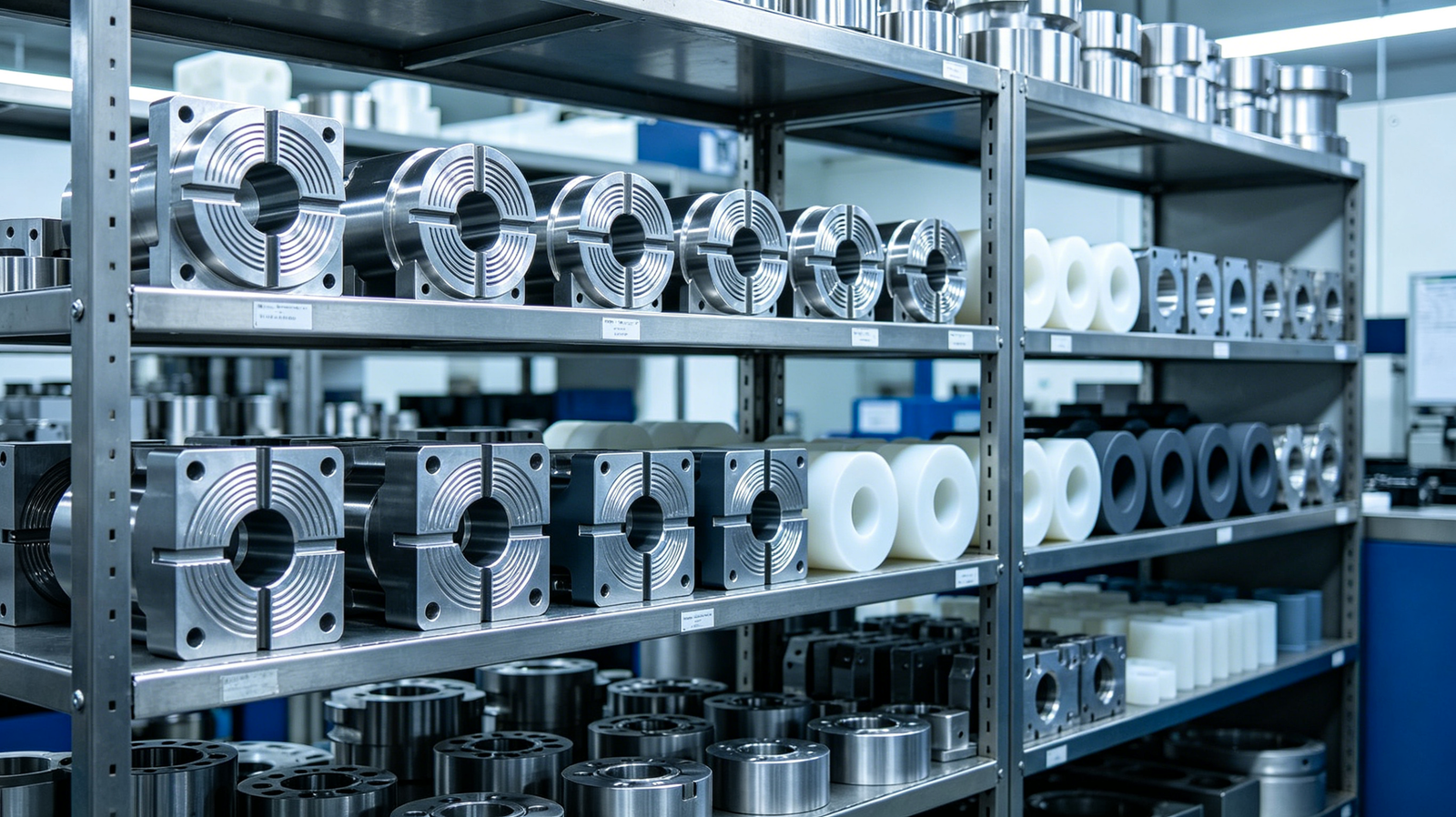
Different aluminum alloys serve different mechanical and cosmetic requirements. Material selection requires balancing strength, corrosion resistance, machinability, and color consistency. Aluminum 6063 is commonly used for extruded profiles and decorative applications, while 6061 is widely selected for precision components requiring a balance of strength and machinability. Alloy 5052 is suitable for many sheet-metal applications, while 7075 is often chosen for high-strength structural components. These characteristics do not guarantee that one alloy will produce the best color in every situation, because the final appearance also depends on material condition, pretreatment, anodizing method, and coloring system. For cosmetic-critical products, select an alloy that meets both the mechanical requirements and the intended finishing requirements, then verify its appearance through sample testing.
6063 Aluminum: Often suitable for decorative extrusions and frames requiring silver, black, or selected colored anodized finishes. Surface quality and material batch consistency still need to be controlled.
6061 Aluminum: Offers a useful balance of strength and machinability for industrial housings, brackets, and precision CNC components. Final color consistency should be verified against the actual machining and anodizing process.
5052 Aluminum: Provides good corrosion resistance and formability for many sheet-metal components. Surface condition, texture, and coloration still require validation before production approval.
7075 Aluminum: Offers high strength for demanding structural applications. Its alloy composition and microstructure can make cosmetic anodizing more challenging, so the feasibility of the required finish should be evaluated early.
🎨 Choose the alloy according to the component’s functional requirements, then confirm the desired anodized color through representative samples.
How Can Manufacturers Reduce Anodizing Color Variation in Mass Production?

Color variation in mass production rarely results from a single process parameter. Material batches, machining textures, pretreatment, anodizing conditions, and dyeing processes can all contribute to the final appearance. Even when an initial sample meets the target color, subsequent production may differ if the aluminum supplier, blasting media, surface roughness, or oxide thickness changes. Xiamen Ruicheng recommends establishing approved color samples, surface finishing specifications, and process records during product development, with additional validation whenever material or process changes occur. Reliable color control requires material management, machining, anodizing, and inspection to operate within one coordinated quality system.
Standardize Material Batches: Keep the alloy grade, material condition, and supplier consistent whenever practical. Maintain batch identification records to help investigate variations in composition and microstructure.
Control Surface Pretreatment: Define blasting media, sanding methods, cleaning conditions, and surface roughness requirements. This reduces appearance differences caused by inconsistent pretreatment.
Establish Approved Color Samples: Use an approved reference sample or standard color target to define acceptable color, gloss, and texture. Where necessary, specify standard lighting conditions and viewing angles.
Inspect Production Batches: Combine visual inspection, colorimeter measurements, and checks of critical cosmetic areas. Retain inspection records to support traceability and future comparisons.
🧪 Consistent anodized color comes from repeatable processes and clearly defined acceptance standards, not from a successful sample alone.
Comparing Aluminum Alloys for Anodizing Applications
| Aluminum Alloy | Main Advantages | Anodizing Color Considerations | Typical Applications |
|---|---|---|---|
| 6063 | Well suited to extrusion and decorative finishing | Control surface condition, batch consistency, and color uniformity | Decorative profiles, frames |
| 6061 | Balanced strength and machinability | Control CNC marks, pretreatment, and color repeatability | Industrial housings, precision brackets |
| 5052 | Good corrosion resistance and formability | Control sheet surface condition, texture, and color consistency | Enclosures, sheet-metal panels |
| 7075 | High strength for demanding applications | Evaluate microstructure, surface uniformity, and cosmetic finishing feasibility | High-strength structures, precision components |
If your product requires precision machining, consistent anodized colors, and reliable batch-to-batch appearance, Xiamen Ruicheng can help evaluate the material, machining process, and finishing requirements. Share your engineering drawings, target color, operating environment, and estimated order quantity through contact us to discuss a manufacturing solution for your project.
How Can You Prepare an Aluminum Anodizing Project for Mass Production?
For custom components, anodizing should be treated as an integral part of product design and manufacturing rather than an isolated finishing operation performed after CNC machining. Xiamen Ruicheng recommends defining the alloy grade, surface texture, target color, critical dimensions, and inspection methods at the drawing stage, followed by process validation before mass production. The earlier material selection and finishing compatibility are evaluated, the lower the risk of color-related rework, cosmetic disputes, and delivery delays.
1.Design Stage: Define structural strength, corrosion resistance, target color, surface texture, and cosmetic acceptance areas to avoid conflicts between functional performance and appearance requirements.
2.Sampling Stage: Produce samples using the intended production material and finishing processes, including representative machining, pretreatment, and anodizing conditions.
3.Validation Stage: Evaluate color variation, coating quality, corrosion resistance, and critical dimensions according to the application requirements. Use approved samples as references for subsequent production.
4.Mass Production Stage: Establish material traceability, process parameter records, cosmetic inspection procedures, and change-control requirements to maintain consistency across production batches.
Aluminum Anodizing Color FAQ
1.How do you ensure consistent anodizing colors across production batches?
Color consistency requires coordinated control of material batches, pretreatment, anodizing conditions, and inspection procedures. During product development, define an approved sample, acceptable color tolerance, surface texture, and inspection conditions. Depending on the cosmetic requirements, visual inspection or colorimeter measurements may be appropriate. Xiamen Ruicheng can help evaluate the machining and finishing requirements, while actual color capability must be confirmed through sample testing under representative production conditions.
2.Can you recommend an aluminum alloy if we know the target color but have not selected a material grade?
Yes. Provide the component’s intended application, structural requirements, operating environment, target color, surface texture, and estimated order quantity. Xiamen Ruicheng can help assess suitable aluminum alloys, CNC machining methods, and anodizing requirements before validating the proposed solution through sample production. For cosmetic-critical components, the final material and process should not be selected solely from an on-screen color reference or alloy designation.
3.Will anodized colors be identical between prototypes and mass production?
Identical color cannot be guaranteed solely from prototype results because material batches, pretreatment, and anodizing conditions may vary. During sampling, define the color acceptance criteria and use materials and finishing processes representative of mass production whenever possible. Once production volumes increase, implement batch inspection and process change control, with acceptance based on the agreed color tolerance.
4.What should we do if color variation appears during mass production?
First, determine whether the color difference exceeds the agreed acceptance tolerance. Then investigate the material batch, surface roughness, pretreatment, oxide layer condition, and coloring parameters. The manufacturer should analyze the approved sample, production records, and measurement data before proposing rework, refinishing, or process adjustments. If the existing process cannot consistently achieve the required appearance, reassess the alloy selection and finishing route before implementing changes approved by the customer.
5.Can Xiamen Ruicheng provide custom CNC machining and anodizing services?
Xiamen Ruicheng provides custom manufacturing and engineering support, including evaluation of aluminum materials, precision machining, and coordinated surface finishing requirements. Customers can submit 2D engineering drawings, 3D models, target color references, critical dimensions, tolerance requirements, and estimated order quantities for manufacturability review and quotation. Specific alloy options, color feasibility, machining accuracy, validation requirements, and delivery schedules must be confirmed according to the component design, manufacturing process, and order requirements.
Conclusion
Aluminum alloy selection affects anodizing color through alloy composition, microstructure, and surface reaction characteristics, but the material grade alone cannot determine the final appearance. Consistent production requires coordinated control of material selection, machining, pretreatment, anodizing, coloring, and inspection, supported by sample validation and repeatable manufacturing processes. For custom components with demanding cosmetic requirements, the most effective approach is to define material performance and surface finishing requirements together during the design stage. Xiamen Ruicheng can help evaluate manufacturing options based on your drawings, target color, and application requirements, helping reduce development risks and improve production consistency.
For expert assistance with custom aluminum machining and anodizing solutions for your production needs, visit our resource center or contact us. Let’s help you scale up your manufacturing with precision and efficiency!