Introduction
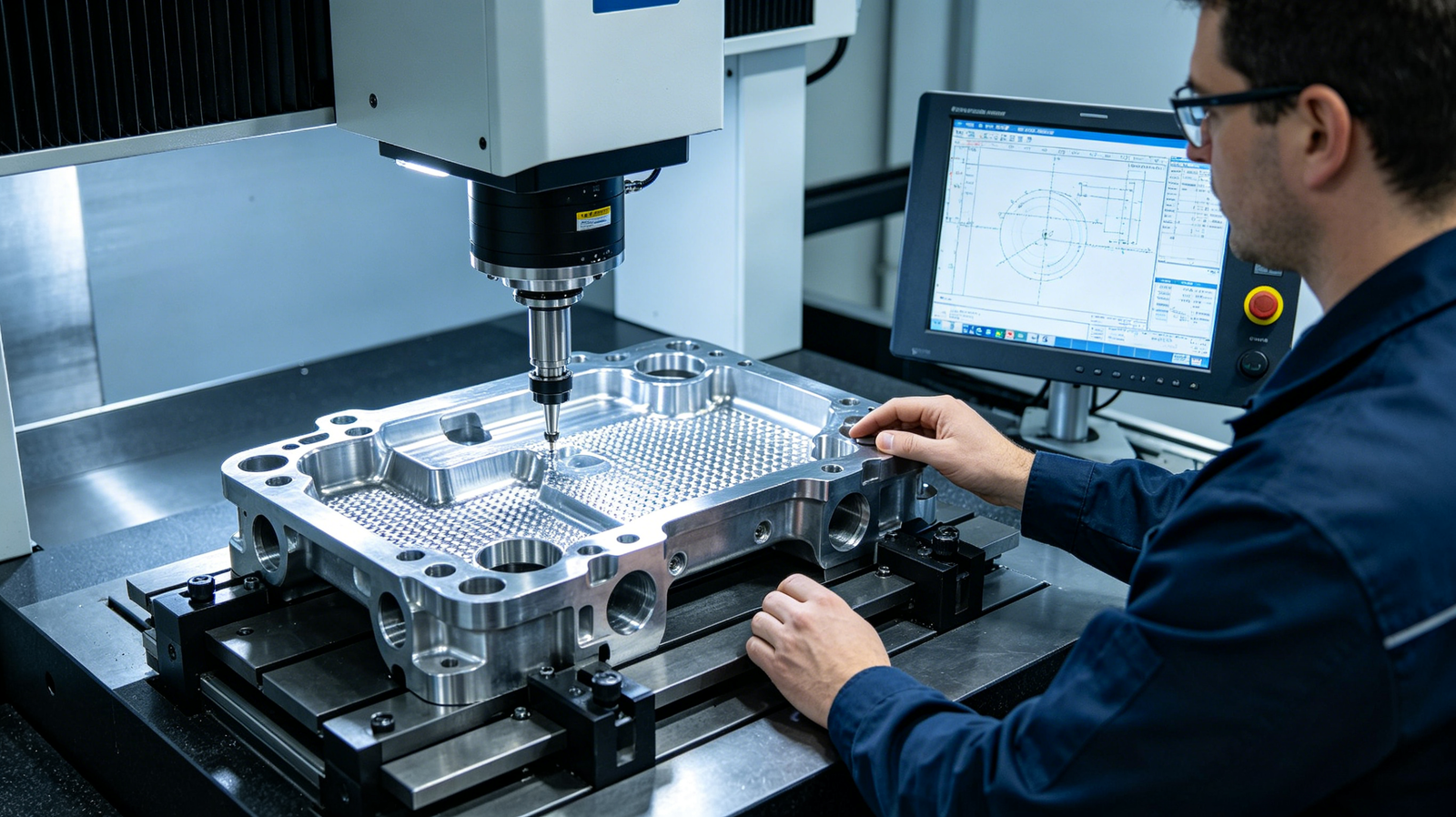
A well‑structured RFQ (Request for Quotation) lays the foundation for fair, comparable bids for automotive die‑casting components. Without complete and unambiguous documentation, automotive buyers risk inconsistent pricing, hidden overhead costs, delayed sample delivery and non‑conforming serial‑production parts. Automotive grade die‑casting projects rely heavily on aligned expectations between OEM buyers and manufacturing suppliers. Every requirement related to geometry, material, post‑processing, quality compliance and production volume must be clearly communicated inside the RFQ package.
Automotive die‑cast parts serve safety‑relevant powertrain, chassis and new‑energy vehicle subsystems, so vague RFQ inputs will propagate risk through tooling, pilot run and mass‑production phases. Suppliers cannot deliver accurate quotations when critical automotive‑specific compliance requirements are omitted from the RFQ. Even minor missing details will create deviation gaps when you compare multiple supplier proposals.
Complete Drawing & CAD Data Package
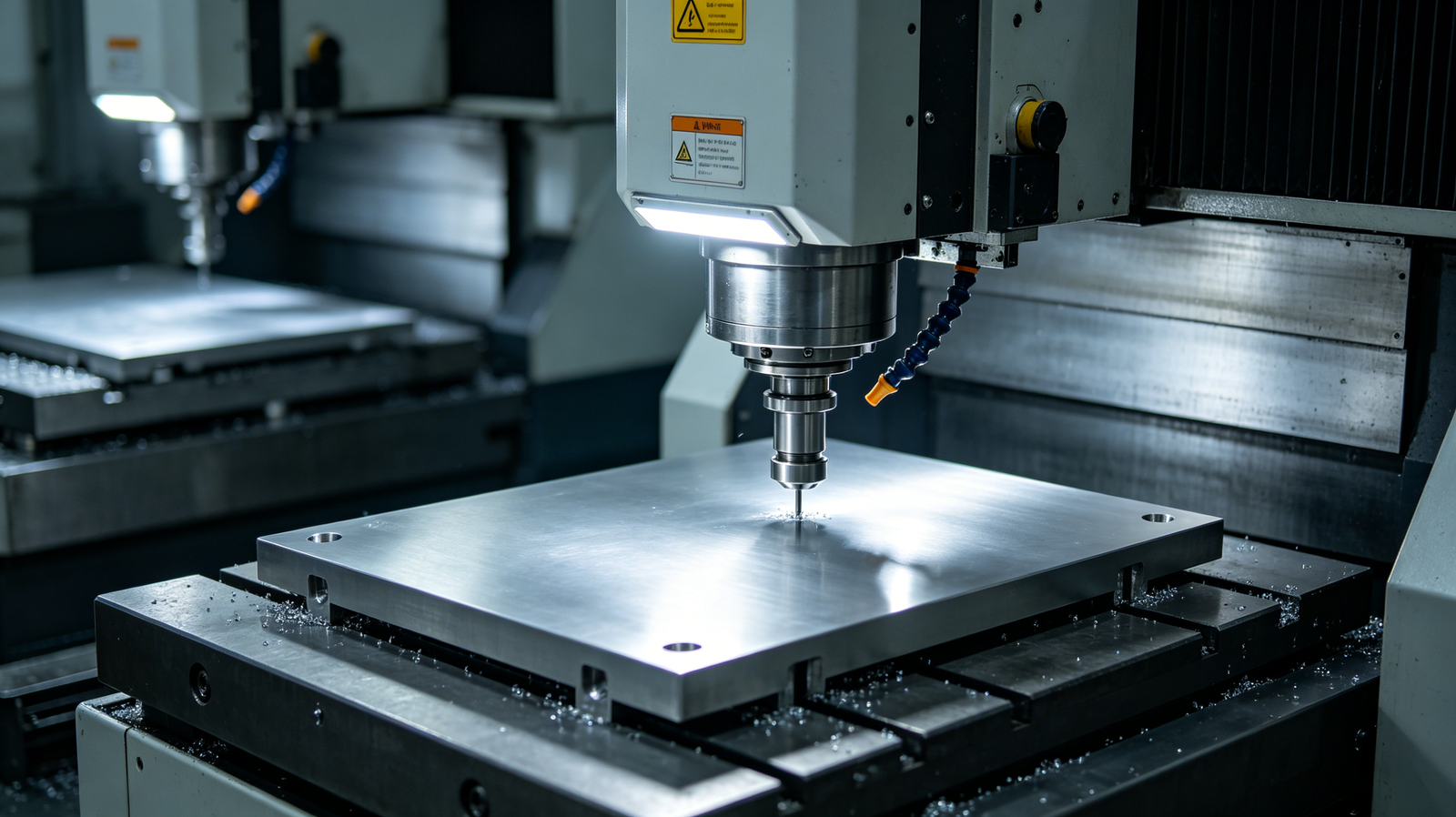
The drawing package forms the technical backbone of any automotive die‑casting RFQ. Buyers must provide released‑revision 2D engineering drawings paired with 3D CAD files, preferably in STEP format. Mark critical dimensions, GD&T datums, sealing interfaces, safety‑relevant features and cosmetic zones directly on drawing callouts. Mention drawing revision status explicitly to prevent suppliers quoting against outdated geometry. Missing or unreleased drawing revisions are one of the top causes of misquoting within automotive die‑casting sourcing. Include notes for special casting constraints such as minimum wall thickness, fillet requirements and draft angle limitations.
- Drawing revision control: You must mark the exact revision and release status for all attached drawing documents to avoid using obsolete geometry.
- 3D model format preference: STEP files are recommended for automotive die‑casting, while IGES files can serve as acceptable alternative input formats.
- Critical feature marking: Highlight safety‑related mounting faces, sealing bores and high‑load transition zones on 2D drawings for supplier attention.
- Confidentiality instruction: If drawings contain proprietary automotive platform data, add NDA pre‑review requirements before full document release.
ℹ️ Complete drawing sets eliminate most technical misinterpretations at the quotation stage.
Material & Process Specification Requirements
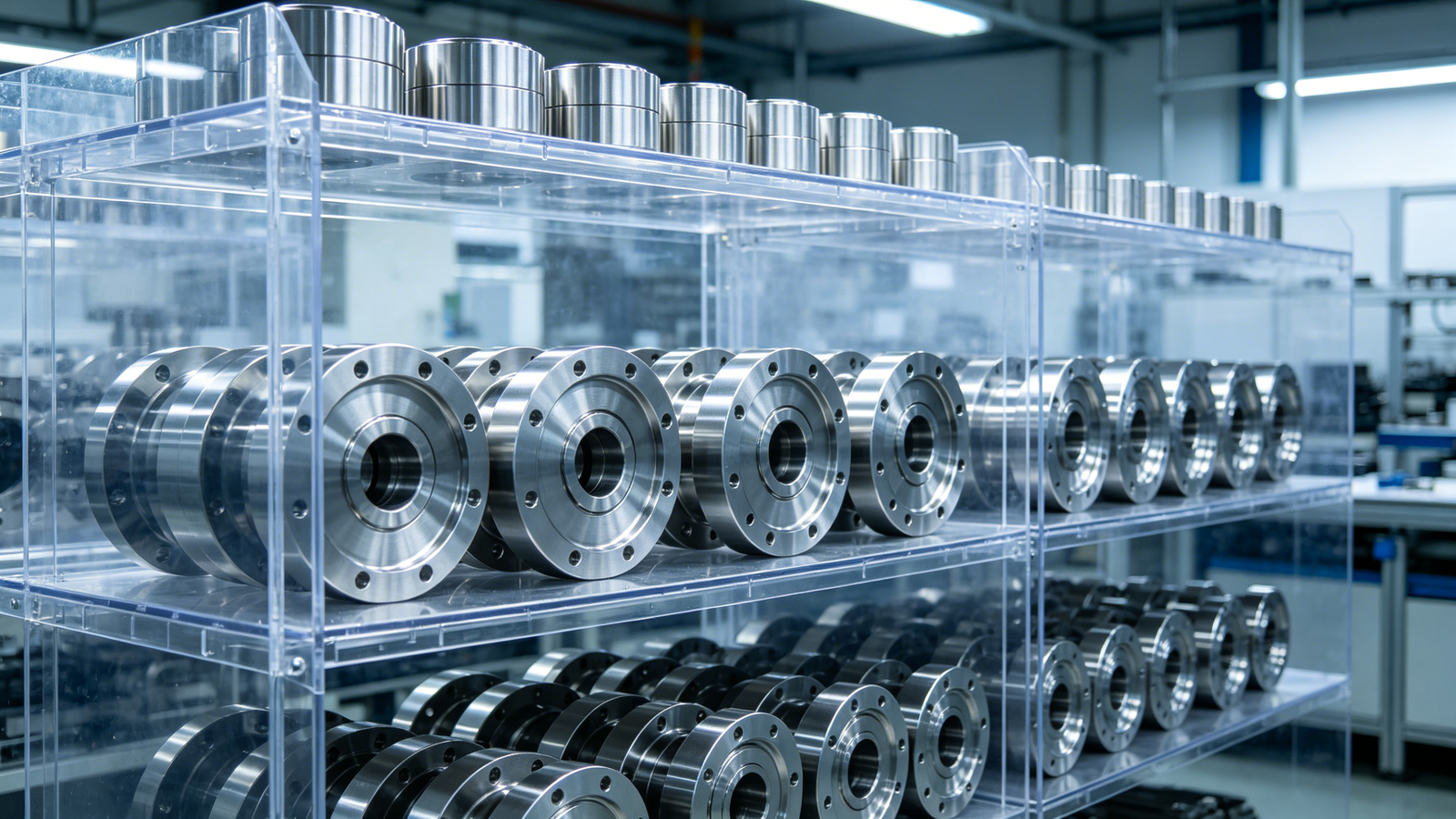
Automotive die‑casting RFQs need clear definitions of alloy grade, heat‑treatment rules and target casting process. Specify exact alloy standards such as A380, A356 or ADC12 with reference to ASTM or OEM internal material specifications. If heat‑treatment like T5 / T6 temper is required for mechanical performance, write it into the RFQ scope. State whether high‑pressure die‑casting is mandatory or allow suppliers to propose alternative casting routes for your automotive component. Ambiguous material descriptions such as “general aluminum alloy” will produce incomparable supplier quotations. When material selection remains open, provide target mechanical performance thresholds including tensile strength, hardness and elongation instead of naming a fixed alloy grade.
- Alloy grade definition: List exact alloy designation together with applicable industry or OEM material standards for automotive component compliance.
- Heat‑treatment scope: Clarify whether T5, T6 or other temper processes are required and note associated mechanical‑property acceptance thresholds.
- Casting‑process constraints: State whether high‑pressure die‑casting is compulsory or suppliers can submit alternative‑process technical proposals.
- Material traceability rules: Describe requirements for material certificates, melt‑lot traceability and incoming‑material verification procedures.
📋 Clear material‑process specifications prevent unexpected mechanical‑performance risks for automotive end‑products.
Volume, Tooling & Program‑Life Definitions
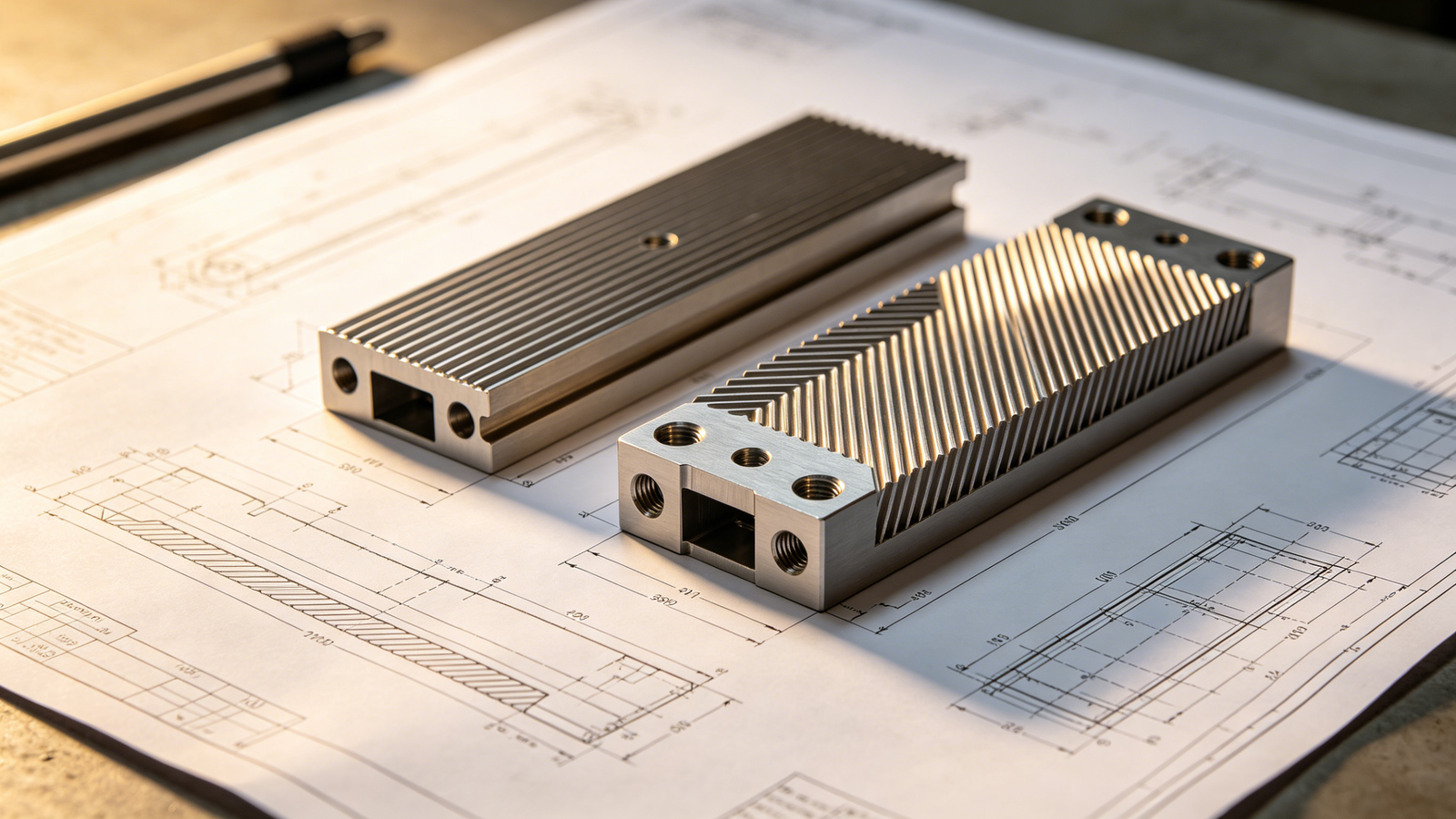
Automotive component RFQs must contain volume forecasts covering prototype, pilot‑batch and serial‑production phases. Document estimated annual volume, typical batch order size, program total life expectancy and expected tool‑shot target. Clarify tooling ownership, tool‑amortization strategy, tool‑cavity quantity expectation and tool‑maintenance responsibilities. Whether you require new tool build, tool transfer or second‑source production directly influences supplier cost calculation. Tooling investment and per‑unit pricing heavily depend on the automotive program’s total production forecast. Without defined volume data, suppliers cannot correctly optimize cavitation layout or calculate reasonable tool‑amortized unit prices.
- Multi‑phase volume forecast: Separate prototype quantity, pilot‑batch volume and long‑term annual serial‑production demand within your RFQ document.
- Tool‑ownership clause: Explicitly define who holds intellectual‑property and physical ownership rights for die‑casting moulds after project completion.
- Tool‑life expectation: State target total shot‑count life requirement for die‑casting tools as defined by your automotive‑program specifications.
- Tool‑cost arrangement: Specify whether tool expense is one‑time‑paid or amortized proportionally over serial‑production component batches.
📊 Transparent volume‑tooling information helps suppliers generate economically optimized automotive‑part quotation proposals.
Comparison of Key Automotive Die‑casting RFQ Input Items
| Item Category | Mandatory Input | Common Omission | Business Impact of Omission |
|---|---|---|---|
| Drawing Package | 2D drawing + STEP 3D model + revision | Undefined drawing revision | Supplier quotes on outdated geometry |
| Material Rule | Alloy grade + heat‑treatment | Missing temper requirement | Incorrect mechanical‑property output |
| Volume & Tooling | Annual volume, tool‑life & ownership | No program‑life shot target | Unreasonable tool‑amortization pricing |
| Quality Compliance | IATF16949, PPAP level, inspection scope | Undefined PPAP deliverables | Unequal quality‑cost among supplier bids |
If you need support building a complete automotive die‑casting RFQ template aligned with OEM sourcing practice, contact us to obtain editable reference documents.
Secondary‑Operation & Quality Compliance Definition
Automotive die‑casting components seldom ship as‑cast; secondary‑process requirements directly change overall component cost. List all required secondary‑operations including CNC machining, deburring, surface finishing, coating, leak‑pressure testing and part marking. State automotive‑quality‑system requirements such as IATF 16949 certification, PPAP submission level, FAI first‑article inspection, CMM measurement scope and NDT non‑destructive‑testing sampling plans. Unspecified secondary‑work scope creates the largest price gap between competing automotive‑supplier quotations. Even simple operations like tapping holes or anti‑rust packaging must be written clearly inside RFQ documents.
1.Secondary‑operation scope: Detail machining features, surface‑finish targets, coating types and leak‑test parameters for every automotive die‑cast part.
2.Automotive‑quality‑system rules: Specify required IATF16949 compliance level and define which PPAP deliverables suppliers need to submit.
3.Inspection‑sampling scheme: Clarify CMM check items, X‑ray / CT‑scan scope, acceptance thresholds and sampling frequency for serial production batches.
4.Packaging & labeling demand: Describe anti‑corrosion packaging, part‑traceability marking, carton‑pallet rules and export‑logistics‑related constraints.
FAQ
Q1: What are the core evaluation indicators for your automotive die‑casting service?
A: Our automotive die‑casting service complies with IATF 16949 quality‑management‑system requirements. We maintain dimension accuracy up to CT6‑CT7 casting tolerance level, support PPAP Level 3 submission, and implement full‑lot material traceability. Our process targets low‑porosity output for safety‑relevant automotive components, matching OEM mechanical‑performance and leak‑tightness acceptance criteria.
Q2: What documents do I need to submit to get a formal automotive die‑casting quotation quickly?
A: You need to provide released‑revision 2D drawing, STEP‑format 3D CAD file, material‑performance requirements, multi‑phase volume forecast, secondary‑operation checklist and quality‑compliance demands. Send all documents via our official channel. Our technical team will review inputs and deliver a detailed itemized quotation within 12 working hours; free prototype‑process assessment is available upon request.
Q3: What are MOQ and delivery‑cycle rules for automotive die‑casting orders?
A: Prototype‑phase small‑batch orders support minimum‑order quantity of 50 pieces. Mass‑production serial orders enjoy preferential unit pricing when quantity exceeds 5000 pieces. Normal mass‑production lead‑time ranges from 7‑12 working days. We hold flexible multi‑cavity die‑casting production lines; urgent automotive‑program orders can be compressed to 48‑hour delivery under confirmed condition.
Q4: How will you handle quality‑non‑conformity or delivery‑delay risks after automotive die‑casting part procurement?
A: Buyers can apply quality‑re‑inspection within 7 working‑days after goods arrival. Once manufacturing‑root‑cause non‑conformity gets confirmed, we arrange rework or replacement within 48 hours. Key automotive die‑casting components carry 12‑month manufacturing‑defect warranty. All above‑mentioned risk‑handling clauses can be formalized within formal purchase‑contract documents.
Q5: Can you adjust automotive die‑casting solutions for special vehicle‑working‑condition requirements?
A: Customized die‑casting solutions for special automotive working‑conditions are supported. You need to supplement working‑condition parameters including working‑temperature range, load‑stress status, pressure‑tightness requirement and anti‑corrosion target. Our engineering team outputs optimized material‑and‑process proposal within 3 working‑days. Customized‑solution‑related cost usually fluctuates between 5%‑15% compared with standard automotive‑die‑casting products.
Conclusion
Completeness of an automotive die‑casting RFQ determines whether you can receive fair, comparable supplier quotations and avoid costly downstream program deviations. Key deliverables include controlled drawing‑CAD packages, precise material‑process definitions, volume‑tooling arrangements, full secondary‑operation lists and automotive‑specific quality‑compliance rules. Every omitted requirement inside an RFQ will turn into hidden‑cost or quality‑risk during automotive‑part pilot‑run and mass‑production phases. Buyers should standardize RFQ‑document checklists before distributing to multiple die‑casting suppliers to realize true apples‑to‑apples comparison.
For expert assistance in implementing for your production needs, visit our resource center or contact us. Let’s help you scale up your manufacturing with precision and efficiency!