Introduction

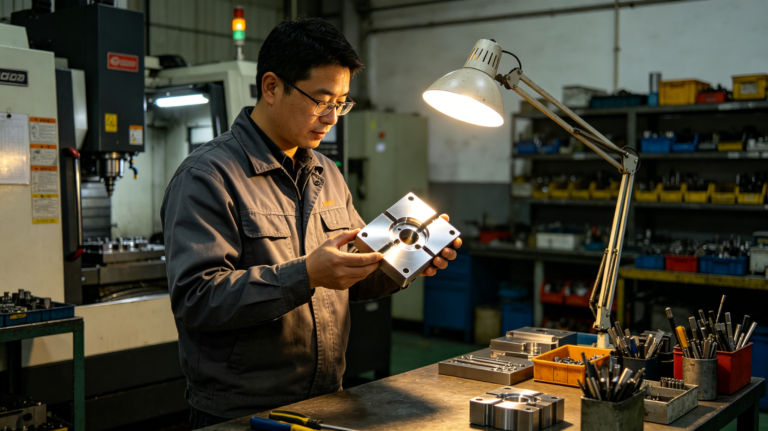
Small precision injection‑molded components are widely used in electronics, medical devices and sensor assemblies, where tight dimensional tolerances directly determine assembly performance and product qualification rate. Even minor dimensional shifts can lead to assembly failure or functional malfunctions in end‑products. Manufacturers often face unexpected reject rates even after setting fixed molding parameters for tiny parts. Tiny molded geometries amplify the influence of subtle process fluctuations that would be negligible for larger plastic components.
Material shrinkage behavior, mold thermal balance and machine repeatability jointly define final dimensional outcomes for miniature plastic parts. Many production teams only adjust pressure parameters without digging into multi‑source root causes behind unstable measurements. Small part features are extremely sensitive to tiny disturbances in injection molding production workflows. Operators need systematic diagnosis rather than blind parameter tuning for consistent dimensional output.
What Makes Small Molded Components Prone to Dimensional Drift?
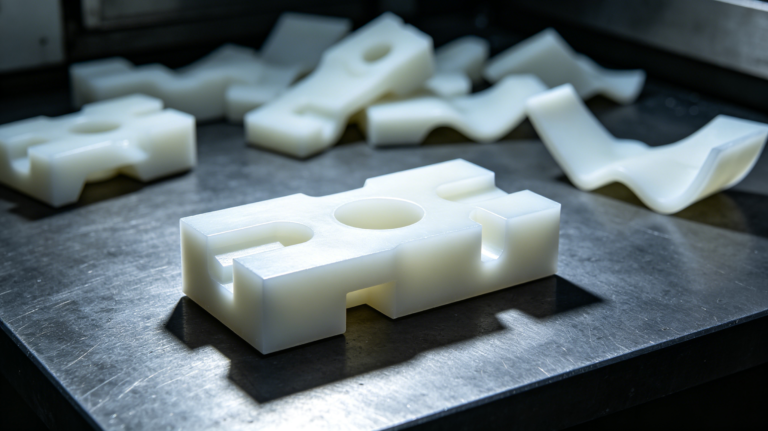
Small injection‑molded geometries feature thin walls, compact cavities and micro‑features, so subtle shifts of melt viscosity or mold thermal expansion will produce obvious dimensional deviations that cannot be ignored in mass production. Small cavity volume means the filling and packing phase completes within an extremely short time window, leaving very little margin for process error. Even tiny equipment drift or raw‑material batch difference accumulates rapidly and reflects directly on finished‑part dimension data. The limited process tolerance window is the fundamental difficulty for stabilizing dimensions of small injection‑molded parts.
Wall‑thickness sensitivity: Thin‑wall small parts generate uneven cooling rates across micro‑features and raise shrinkage inconsistency risk during continuous production.
Cavity pressure response: Miniature mold cavities experience fast pressure drop after gate freeze‑off, which weakens packing compensation effect for material shrinkage.
Machine repeatability requirement: Standard injection equipment with ordinary repeatability will introduce measurable dimension offset when applied to ultra‑small precision molded articles.
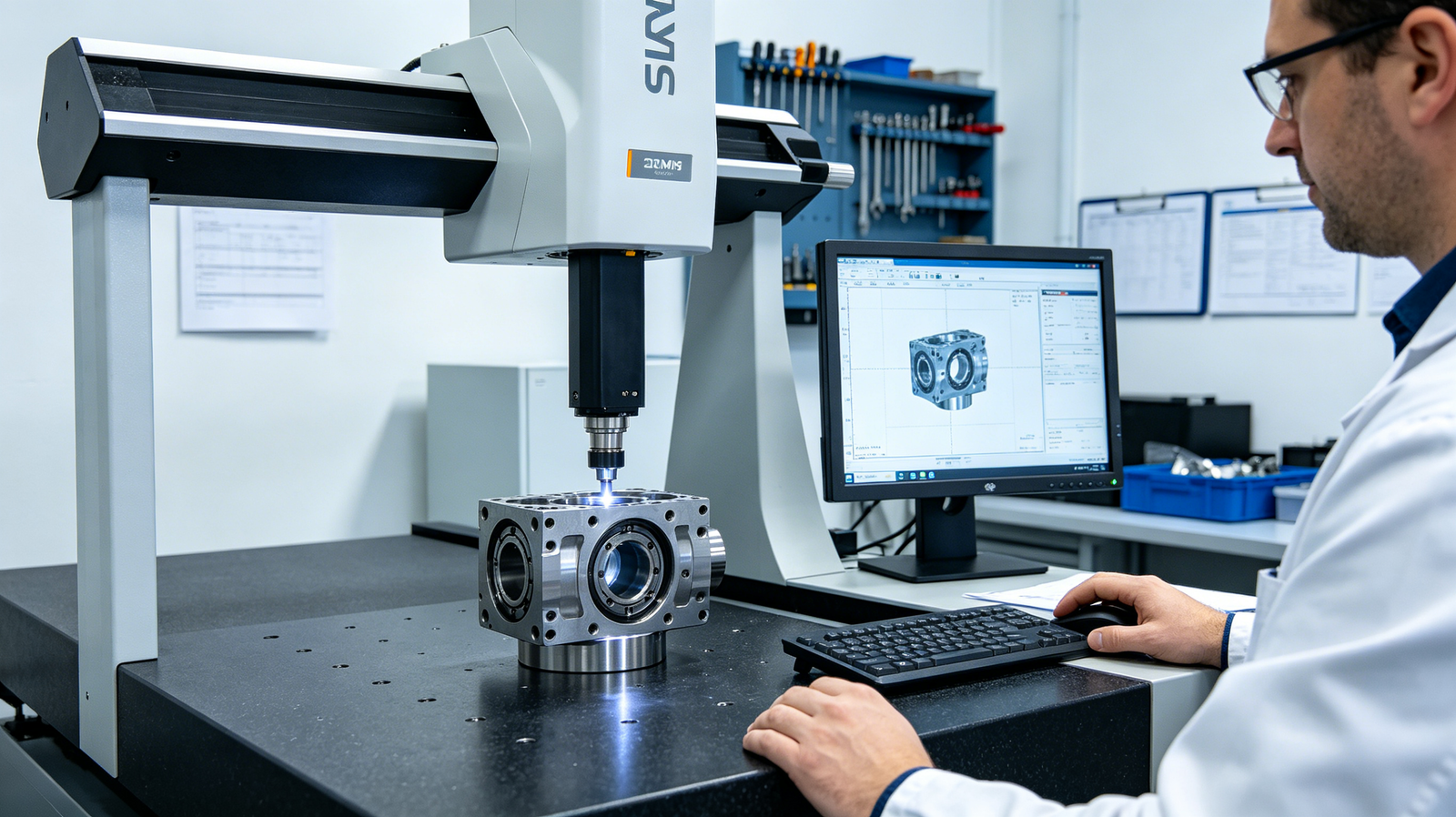
Measurement interference: Small‑size workpieces are vulnerable to ambient temperature and clamping force during inspection, bringing extra measurement noise to dimension reports.
🔍 Small molded parts suffer dimensional variation mainly due to narrow process tolerance windows and multi‑source subtle production disturbances.
How Do Material Properties Trigger Dimensional Variation of Tiny Injection Parts?
Different polymer grades deliver distinct shrinkage characteristics, and crystalline resins show larger shrinkage fluctuation range compared with amorphous plastics. Even within identical material grade, lot‑to‑lot inconsistency of filler loading and resin moisture content will modify melt flow performance for small‑cavity filling. For miniature components, slight change of crystallinity will create visible dimension difference that breaks pre‑defined tolerance limits. Uncontrolled raw‑material variation can defeat well‑calibrated mold and molding process for small precision parts.
Crystallinity fluctuation: Crystalline plastics such as POM and PA produce variable shrinkage as cooling speed changes, disturbing final dimension of small molded features.
Batch‑to‑batch raw‑material offset: Deviation on MFR, filler ratio or recycled material proportion alters filling behavior inside miniature mold cavities.
Moisture‑related degradation: Excessive moisture degrades polymer chains during melting and causes unstable flow behavior for micro‑cavity filling.
Fiber orientation anisotropy: Glass‑filled materials generate directional shrinkage difference, which distorts dimension of thin and tiny molded geometries.
📦 Material‑related dimensional drift originates from shrinkage inconsistency caused by resin property, moisture and filler distribution.
Which Mold & Process Factors Cause Unstable Dimensions for Small Injection‑Molded Parts?

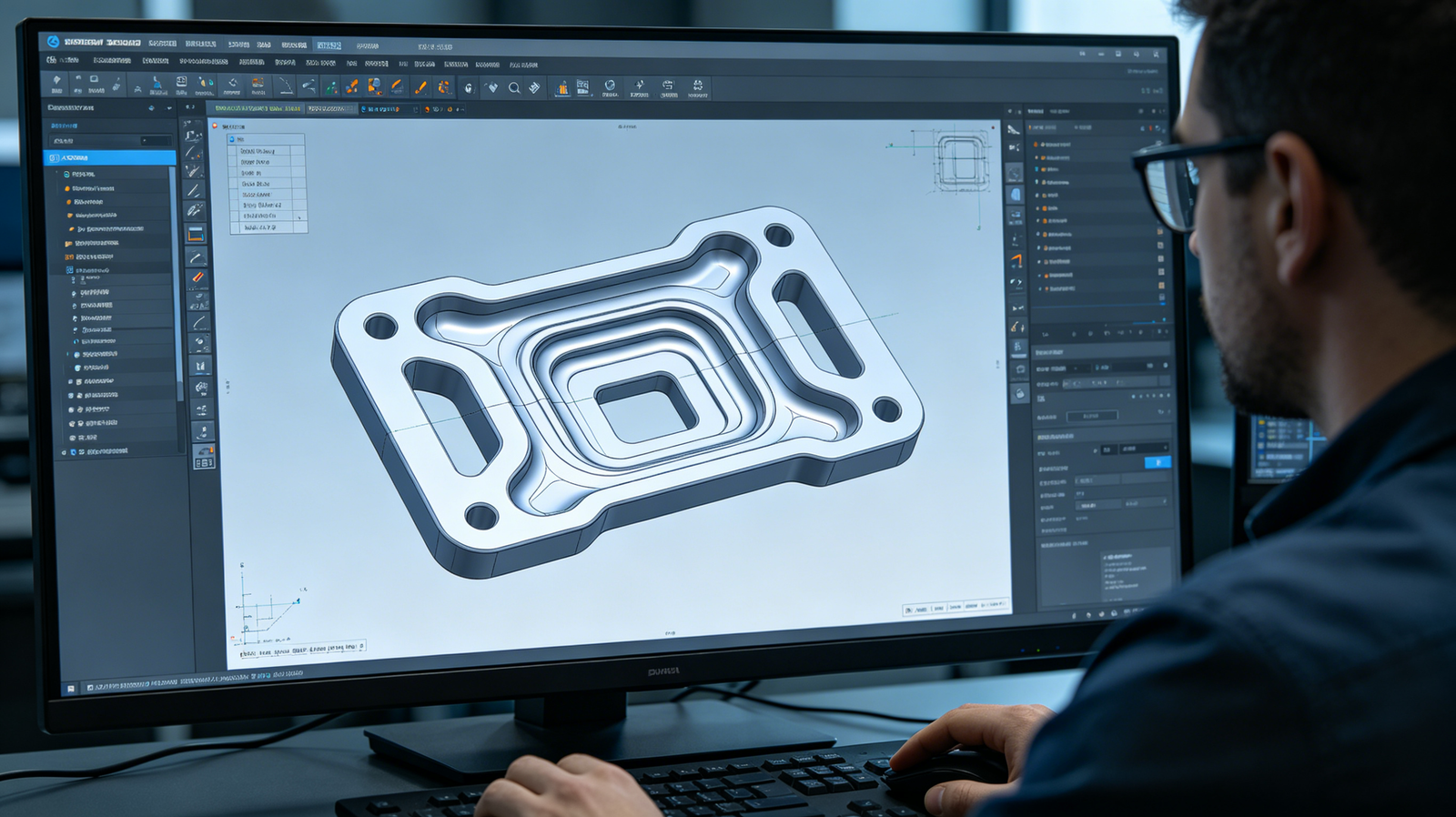
Mold cooling channel layout, cavity machining precision and gate dimension directly affect temperature distribution and packing effect inside small mold cavities. Minor mold deflection under injection pressure will create measurable dimension error for micro‑sized features. Improper setting for holding pressure, switch‑over point and cooling time amplifies shrinkage difference for thin‑wall small parts in continuous batch production. Poor mold thermal balance is one major hidden source of recurring dimensional variation for small injection‑molded parts.
Mold cooling uniformity: Unbalanced cooling circuits produce uneven temperature field and inconsistent shrinkage across different micro‑features of small molded workpieces.
Gate size matching: Over‑small gate freezes too early and cuts off packing compensation, while oversized gate extends cycle and brings extra internal stress for tiny parts.
Process‑parameter stability: Fluctuation on melt temperature, holding pressure and V/P switch point changes filling‑packing status inside limited small cavity volume.
Mold mechanical rigidity: Insufficient mold stiffness leads to micro‑cavity deformation under injection pressure and brings cyclic dimension offset during long‑run production.
⚙️ Mold structural defects and unstable process parameters jointly drive cyclic dimensional variation of small injection‑molded components.
Comparison of Key Influence Factors for Small‑Part Dimensional Stability
| Factor Category | Risk Level | Typical Dimensional Deviation | Control Difficulty | Common Improvement Direction |
|---|---|---|---|---|
| Raw‑Material Batch Variation | High | ±0.03~0.08 mm | Medium | Incoming inspection, strict drying management |
| Mold Cooling Imbalance | High | ±0.04~0.10 mm | High | Optimize cooling channel layout, mold thermal balancing |
| Molding‑Parameter Drift | Medium | ±0.02~0.07 mm | Medium | Lock stable process window, enhance machine closed‑loop control |
| Ambient & Measurement Noise | Low | ±0.01~0.04 mm | Low | Constant‑temperature workshop, standardized measurement procedure |
If you are troubled by unstable dimension performance of your miniature injection‑molded components and want practical improvement suggestions, please contact us.
Practical Optimization Routes to Reduce Small‑Part Dimensional Variation
Stable dimension output for small injection‑molded parts relies on collaborative optimization of raw‑material management, mold design, molding process and inspection workflow rather than single‑parameter adjustment. Every improvement measure should target the actual root cause confirmed through data‑driven production diagnosis. Collecting continuous dimension monitoring data during trial‑run and mass‑production helps engineers capture hidden drift trends ahead of large‑scale defective output. Root‑cause identification before modification greatly raises optimization efficiency for small precision molded‑part dimensional issues.
1.Raw‑material control: Perform incoming‑batch property verification and standardized drying workflow to stabilize melt shrinkage performance for tiny‑cavity filling.
2.Mold design upgrade: Optimize cooling layout, gate dimension and cavity rigidity to lower thermal deformation and guarantee uniform cooling for micro‑features.
3.Process‑window locking: Narrow down stable process operating range, stabilize holding pressure, V/P transfer point and mold temperature to reduce cyclic fluctuation.
4.Production‑data monitoring: Build periodic dimension‑sampling mechanism to capture dimension drift signal and trigger early intervention before tolerance violation.
FAQ
Q: What are the core performance indicators for your small‑part injection‑molding dimensional‑stability solutions?
A: We target Cpk ≥1.33 for critical dimensions of small precision molded parts, supported by closed‑loop process monitoring and standardized incoming‑material inspection, to satisfy tolerance requirements for electronics and medical miniature component manufacturing.
Q: If we plan to develop small precision injection‑molded parts, what documents should we submit to get your fast quotation and technical assessment?
A: Please deliver 2D/3D drawing files with clear tolerance specification, material grade requirement and expected annual production volume; our team will give technical feedback and formal quotation within 12 working hours, and free DFM review is available for new projects.
Q: Regarding small precision injection‑molded components, what are MOQ and delivery arrangements for trial‑run and mass‑production orders?
A: Trial‑run MOQ starts at 200 pieces for small molded samples; mass‑production delivery cycle normally ranges from 7‑14 working hours depending on mold status and order quantity; flexible capacity supports urgent order negotiation upon communication.
Q: After receiving small injection‑molded part deliveries, how do you handle issues when dimension out‑of‑tolerance occurs?
A: Dimension discrepancy complaints need to be submitted together with measurement records and sample photos within 7 working days after goods arrival; our technical team conducts root‑cause analysis within 48 hours, and supports rework, re‑production or compensation according to signed project agreement.
Q: Can you provide customized adjustment for small‑part injection‑molding solutions for special application scenarios?
A: Customized optimization on mold structure, material matching and molding process is supported according to your actual operating conditions. You need to provide detailed tolerance requirements, assembly conditions and working‑environment parameters, and we will deliver customized technical proposal within 3 working business days; extra engineering cost may occur subject to project complexity.
Conclusion
Small injection‑molded part dimensional variation comes from superposition of material, mold, molding process and production‑environment disturbances, and narrow process tolerance window amplifies every subtle disturbance for micro‑sized features. Blind adjustment of single molding parameter cannot realize long‑term stable dimension control for miniature plastic components. Systematic improvement covering raw‑material inspection, mold thermal balance, process‑window locking and real‑time dimension monitoring is essential for mass‑production quality consistency. Building multi‑dimensional control system is the reliable way to suppress dimensional variation for small injection‑molded parts.
For expert assistance in implementing for your production needs, visit our resource center or contact us. Let’s help you scale up your manufacturing with precision and efficiency!