Introduction
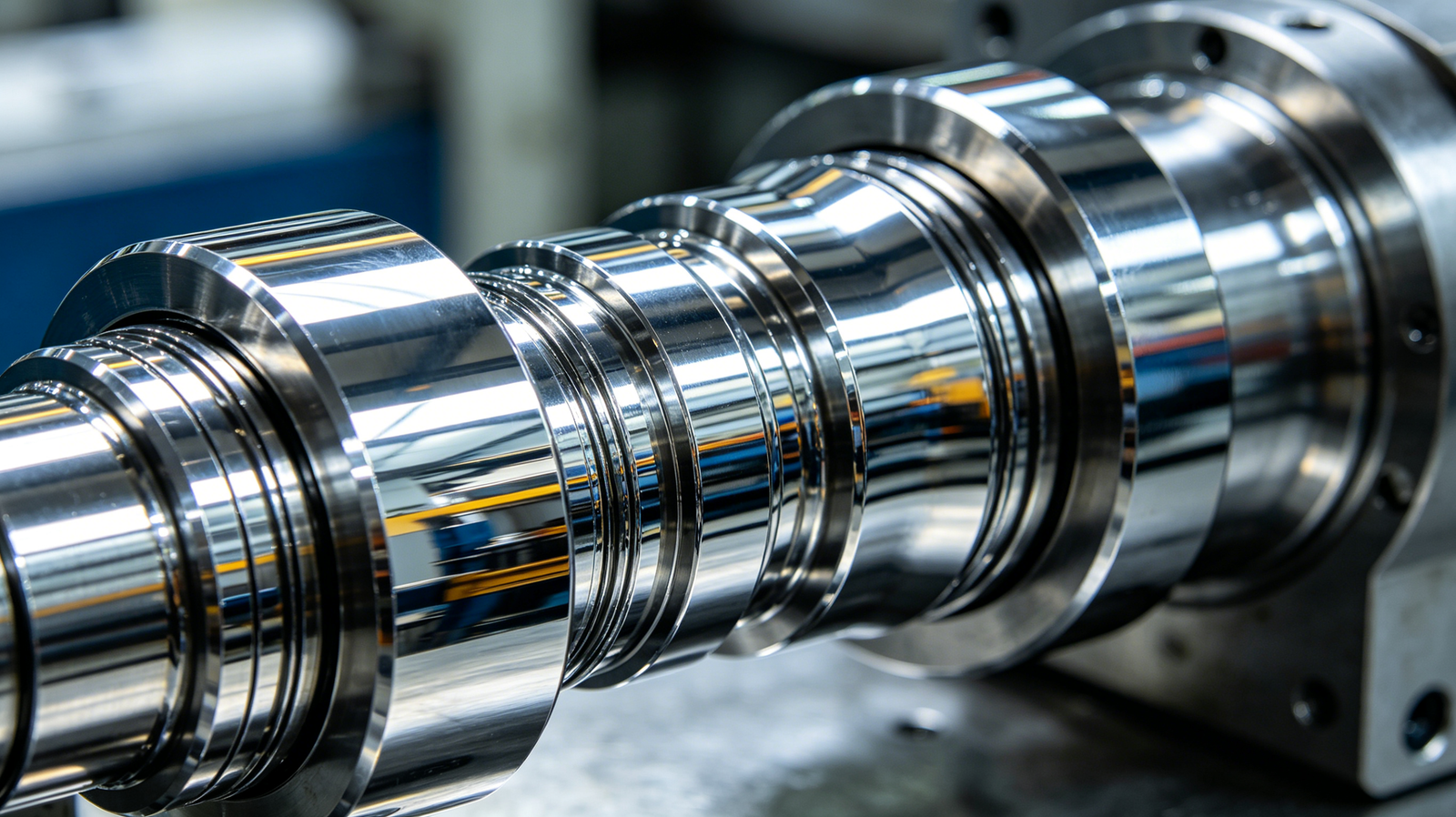
Die casting quality stability depends on much more than final dimensional inspection. Injection speed, metal temperature, die temperature, pressure, mold condition, material consistency, and cycle time can all influence the stability of a production process. A die casting part may pass first-article inspection and still develop dimensional drift, porosity, shrinkage, cracks, or leakage problems during mass production. The real value of SPC is not collecting more data, but detecting process changes before they become quality problems.
For buyers and engineering teams, evaluating a die casting supplier’s SPC capability should go beyond asking whether the supplier can provide an SPC report. The more important questions are which parameters are monitored, how control limits are established, how abnormal trends are handled, and whether production data can be traced back to a specific machine, mold, material batch, and production lot. A mature die casting SPC system should turn process data into preventive quality actions. From the perspective of Xiamen RuiCheng, SPC should be built around the customer’s critical quality characteristics rather than based on a generic template.
What Process Parameters Should Be Monitored First in Die Casting SPC?
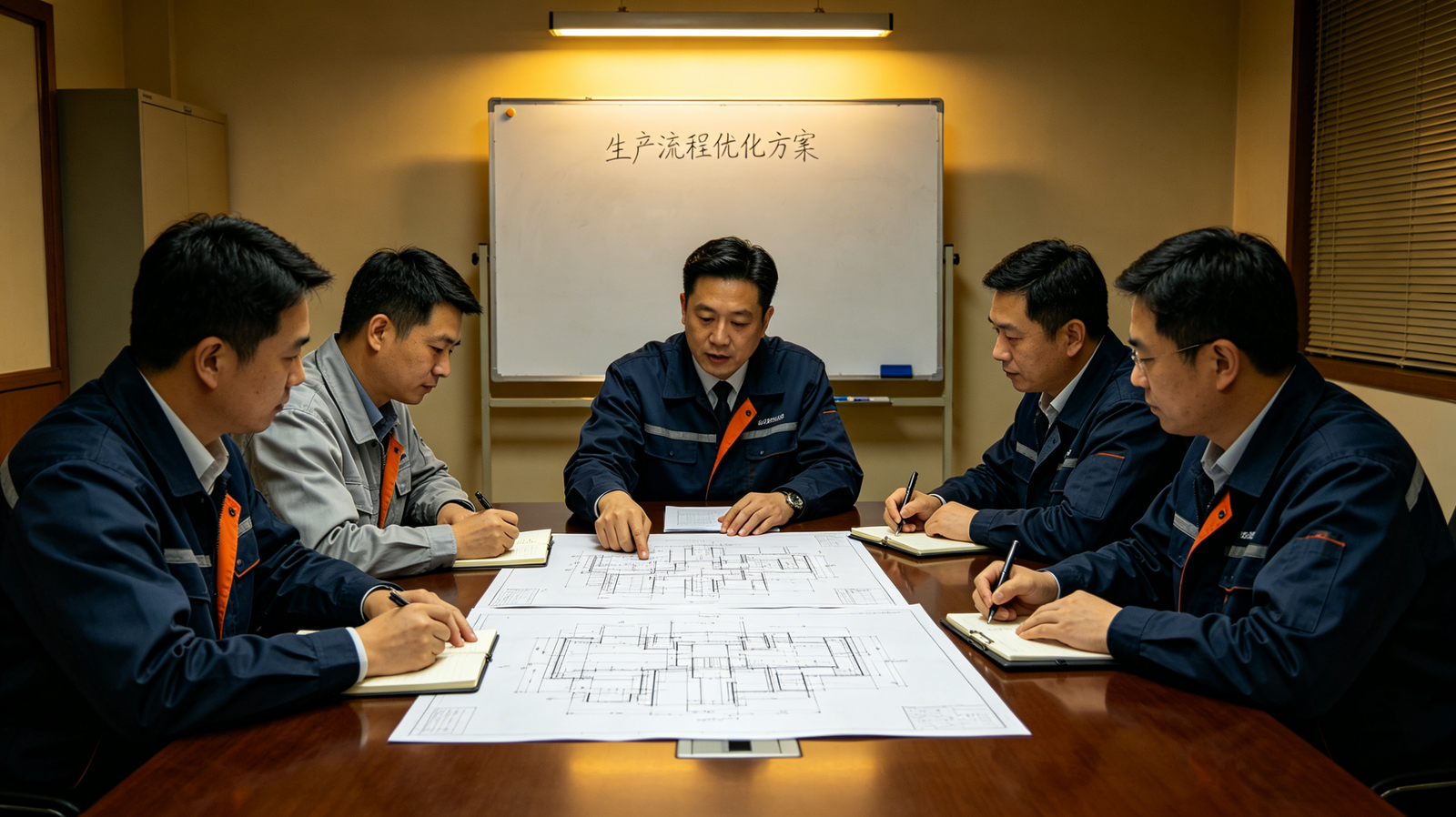
A practical die casting SPC system should monitor process variables that directly affect metal filling, solidification, density, and dimensional stability. These commonly include molten metal temperature, die temperature, injection speed, injection pressure, intensification pressure, and cycle time. For complex components, the monitoring plan should also reflect the actual failure modes and CTQs of the part instead of assigning the same control level to every machine parameter. Critical process parameters must be connected to critical-to-quality characteristics if SPC is expected to provide meaningful early warning. At Xiamen RuiCheng, our die casting and quality-control approach connects process parameters with customer requirements through engineering analysis and production monitoring.
Molten Metal Temperature: Stable metal temperature helps maintain predictable fluidity and filling behavior, while excessive variation may increase the risk of cold shuts, misruns, or incomplete filling.
Die Temperature: Die temperature affects filling, solidification, thermal balance, and dimensional stability, so it should be monitored during both start-up and continuous production.
Injection Speed: Injection speed directly influences metal flow behavior and can affect air entrapment, die erosion, surface quality, and filling consistency.
Intensification Pressure: Intensification pressure influences internal density and shrinkage control, particularly in products with demanding structural or sealing requirements.
📊 Effective die casting SPC focuses on the process variables that actually influence product quality rather than simply recording every available machine parameter.
Why Should Dimensions and Product Characteristics Also Be Included in SPC?

Monitoring machine parameters alone cannot prove that a die casting part is stable because normal machine readings do not necessarily mean that the finished product remains within specification. Mold wear, thermal balance, ejector condition, release behavior, material variation, and changes in production conditions can gradually shift product dimensions. Critical dimensions, wall thickness, flatness, hole diameter, positional features, weight, and leak performance may therefore need to be incorporated into the quality-control plan. Combining process SPC with product-quality SPC creates a complete link between manufacturing conditions and finished-part performance. At Xiamen RuiCheng, critical dimensions are identified from engineering drawings and verified through appropriate precision inspection methods.
Critical Dimensions: Dimensions related directly to assembly, sealing, positioning, or functional performance should receive greater monitoring attention.
Geometric Features: Flatness, concentricity, perpendicularity, and positional tolerances should be monitored according to their actual functional importance.
Part Weight: For stable die casting geometries, weight trends can provide an additional indication of filling consistency and certain process abnormalities.
Functional Testing: Components requiring air-tightness, liquid-tightness, pressure resistance, or assembly verification should connect functional test results with production records.
📐 A supplier can demonstrate true process stability only when stable machine conditions consistently produce stable dimensions and functional performance.
How Can SPC Data Identify Die Casting Process Abnormalities?
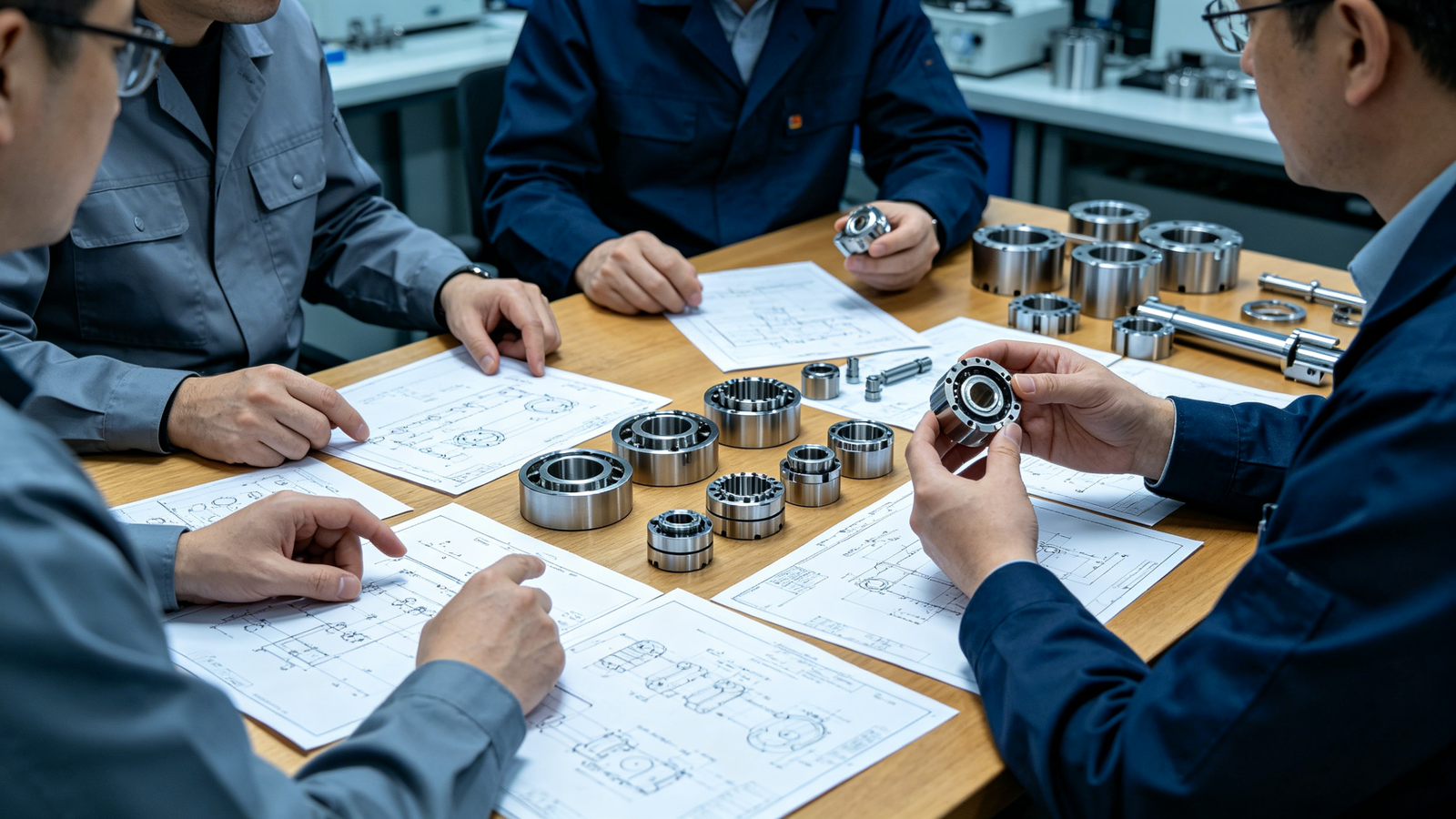
The greatest advantage of SPC is its ability to identify trends before a part becomes nonconforming. A series of measurements moving toward an upper or lower specification limit, increasing variation, repeated one-sided shifts, or unusual individual data points may indicate that the mold, machine, material, or thermal condition is changing. In high-volume die casting, simply reporting the final pass rate after production is completed provides limited preventive value. A mature SPC system should identify process drift before products exceed specification and trigger engineering action at the right time.
Process Drift: Continuous movement in one direction may indicate changes in die temperature, material condition, machine settings, or mold wear.
Abnormal Points: A measurement significantly outside the normal distribution should be investigated to determine whether it represents a measurement error, machine event, or actual product defect.
Increasing Variation: A widening data distribution may indicate deteriorating machine repeatability, mold condition, thermal balance, or production control.
Reaction Plan: When abnormal conditions are detected, potentially affected products should be identified and contained while engineers investigate the root cause.
🚨 The most valuable SPC system does not simply find defective parts; it helps the manufacturing team intervene before the defect becomes widespread.
Key Die Casting SPC Monitoring Items Compared
| Monitoring Item | Primary Purpose | Typical Risk | Buyer Focus |
|---|---|---|---|
| Temperature | Maintain thermal balance | Cold shuts, distortion | Continuous records |
| Injection Parameters | Control filling stability | Porosity, misruns | Trend analysis |
| Critical Dimensions | Control consistency | Out-of-tolerance parts | Cpk analysis |
| Functional Testing | Verify performance | Leakage, failure | Traceability |
If your die casting project requires more than a basic SPC report and you need a complete quality-control system covering process parameters, critical dimensions, and mass-production response, Xiamen RuiCheng can evaluate your requirements and develop an appropriate manufacturing control plan. contact us to discuss your project with our engineering team.
How Should a Practical Die Casting SPC System Be Built?
A useful die casting SPC system should begin with the customer’s CTQs and potential failure modes before defining machine parameters, product characteristics, inspection frequency, and reaction rules. Different components require different monitoring priorities. For example, automotive structural components may place greater emphasis on dimensional stability and internal integrity, while hydraulic housings may require stronger control of pressure resistance and leak performance. The closer an SPC plan is connected to actual product failure modes, the greater its value for production decision-making.
1.Identify Critical Characteristics: Use engineering drawings, assembly requirements, functional specifications, and application conditions to determine the CTQs that can directly affect product performance.
2.Connect Process Variables: Link critical dimensions and product characteristics with temperature, pressure, injection speed, cycle time, and other relevant manufacturing variables.
3.Define Control Methods: Select appropriate control charts and statistical methods based on the type of data while clearly distinguishing specification limits from statistical control limits.
4.Establish Reaction Rules: Define what happens when abnormal trends, data points, or process shifts occur, including containment, inspection, machine adjustment, and corrective action.
Frequently Asked Questions
Question 1: What are the key quality standards for your die casting SPC?
Answer: Xiamen RuiCheng establishes SPC requirements based on the customer’s engineering drawings, CTQs, functional requirements, and production volume. Depending on the project, the monitoring plan can include critical dimensions, dimensional tolerances, die temperature, metal temperature, injection parameters, intensification pressure, cycle time, weight, and functional test results. Process capability indicators such as Cp and Cpk can also be used where appropriate to evaluate whether the process is capable of consistently meeting customer requirements.
Question 2: What information should we provide when requesting a die casting quotation?
Answer: Customers should ideally provide 3D models, 2D engineering drawings, alloy requirements, dimensional tolerances, surface-finish requirements, critical characteristics, annual demand, forecast volume, application conditions, and any existing quality standards. Xiamen RuiCheng can use this information for DFM analysis, die casting process evaluation, mold planning, inspection planning, and quotation preparation. Providing complete technical information at the beginning can also reduce later changes to tooling and production controls.
Question 3: How are delivery and SPC requirements determined for different order volumes?
Answer: SPC requirements should be determined by product risk, critical characteristics, production volume, and customer quality expectations rather than order quantity alone. During trial production, the focus is normally on validating critical process parameters, dimensions, and initial process capability. During mass production, continuous monitoring and trend analysis become more important because mold wear, machine variation, thermal changes, and material variation can develop over time.
Question 4: How do you handle a process shift identified through SPC?
Answer: Xiamen RuiCheng investigates the abnormal condition according to the severity and type of the deviation. The response may include verifying the measurement system, checking machine parameters, reviewing material and mold conditions, isolating potentially affected parts, performing additional dimensional inspections, and conducting root-cause analysis. Corrective actions are then verified with subsequent production data rather than being considered complete immediately after a machine adjustment.
Question 5: Can you customize the SPC monitoring plan according to our product requirements?
Answer: Yes. Xiamen RuiCheng can develop a project-specific SPC approach based on the product drawing, critical dimensions, alloy, die casting process, functional requirements, and customer quality standards. The monitoring plan can define critical parameters, inspection frequency, data recording requirements, traceability rules, and reaction procedures. This allows the SPC system to focus resources on the characteristics that create the greatest production and application risks.
Conclusion
Die casting SPC should not be reduced to monitoring a fixed list of machine numbers. The most important variables are those that can influence CTQs, process stability, dimensional consistency, internal integrity, and functional performance. For buyers, supplier evaluation should therefore move beyond asking whether an SPC report exists and instead examine whether the supplier can use statistical data to detect, contain, and correct process risks. A supplier that connects machine parameters, product dimensions, functional testing, traceability, and corrective action is far better positioned to support stable mass production. From the perspective of Xiamen RuiCheng, effective SPC is not a document created for customer audits; it is a practical manufacturing system designed to prevent quality problems before they reach the customer.
For expert assistance in implementing die casting SPC for your production needs, visit our resource center or contact us. Let’s help you scale up your manufacturing with precision and efficiency!