Automotive Die Casting Porosity and Quality Risks
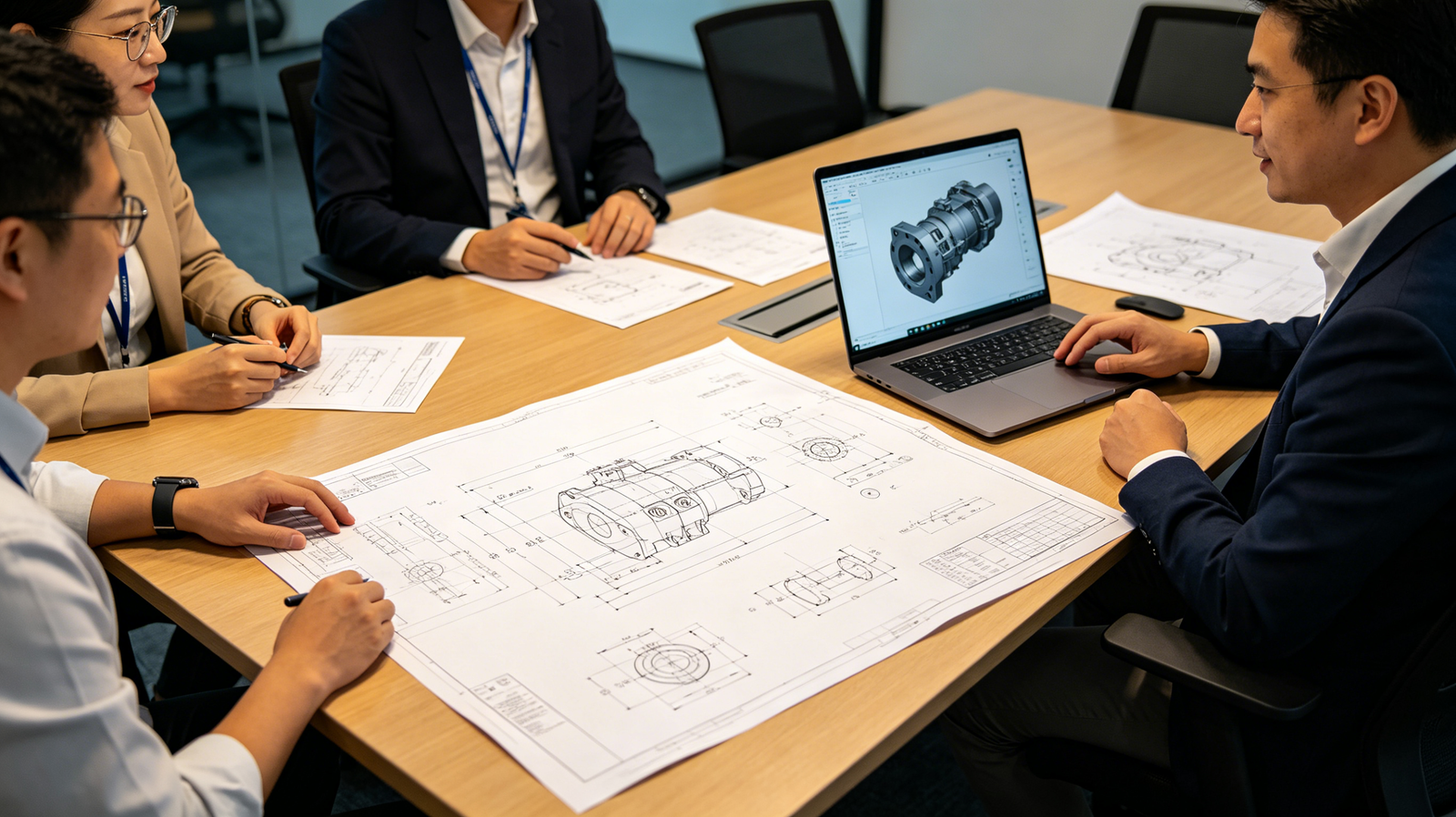
Automotive die casting parts are widely used in transmission housings, motor housings, electronic control housings, structural brackets, and powertrain components. Their internal quality can directly affect fatigue life, leak tightness, dimensional stability, and long-term reliability. During die casting, air entrapment or insufficient feeding during solidification can create pores of different sizes and distributions inside the part. Porosity does not automatically mean that a die casting part will fail, but its location, size, quantity, and distribution determine whether it becomes a functional risk.
For automotive components, surface inspection alone cannot reveal internal porosity. The risk needs to be evaluated during product development and tooling rather than after mass production problems appear. Xiamen RuiCheng evaluates part geometry, alloy selection, wall-thickness transitions, die casting parameters, and machining requirements during automotive die casting projects. The objective is not simply to eliminate every pore, but to prevent unacceptable porosity from appearing in critical functional areas.
Why Do Automotive Die Casting Parts Develop Porosity?
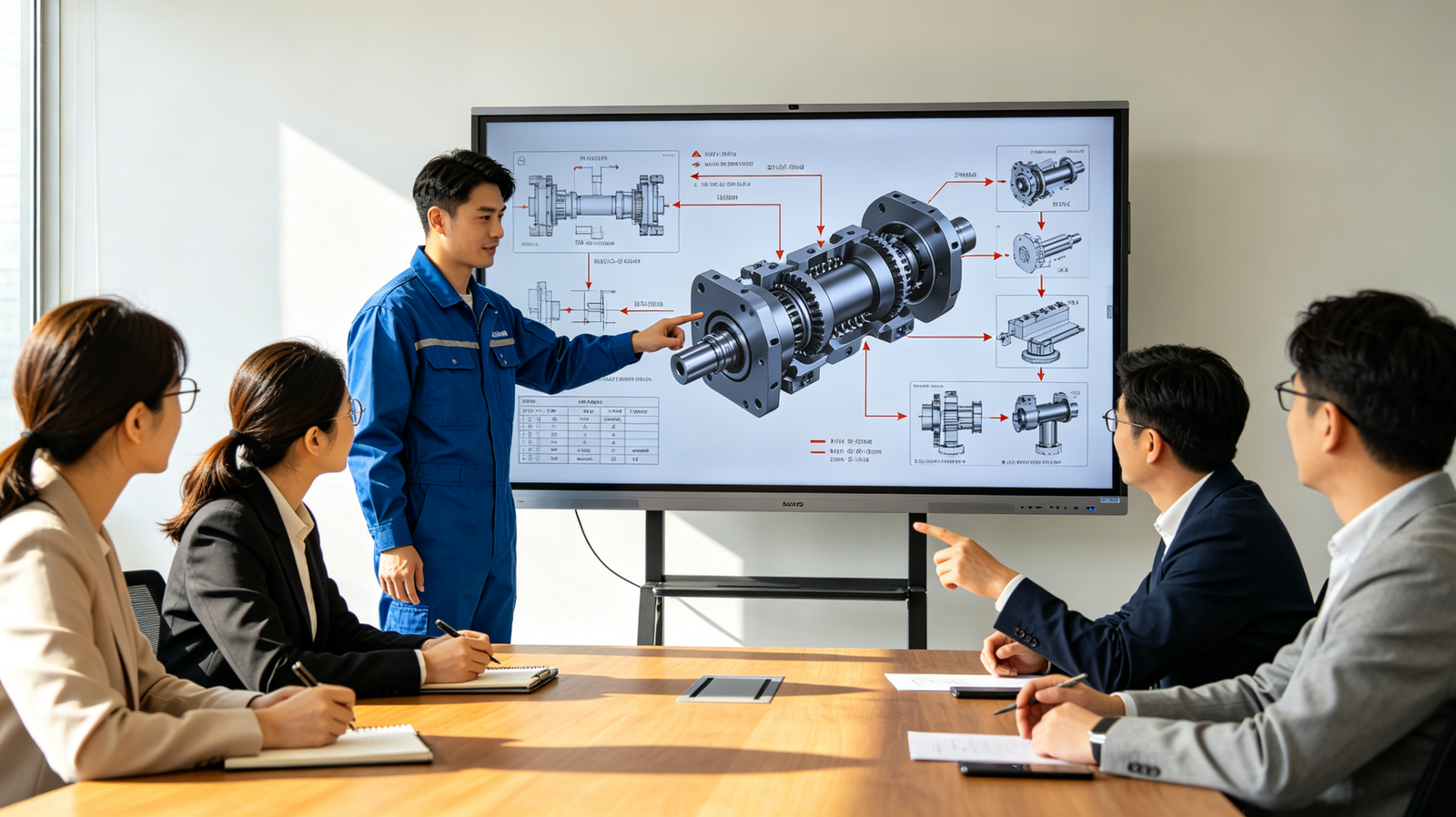
Porosity in automotive die casting parts generally comes from gas entrapment, shrinkage porosity, or a combination of both. During high-speed filling, turbulent metal flow can trap air inside the cavity, while thick sections and thermal hotspots can develop shrinkage cavities when liquid metal cannot adequately compensate for solidification shrinkage. Xiamen RuiCheng analyzes filling, venting, and solidification behavior during die casting manufacturing and uses die casting mold design optimization to reduce internal defect risks. Porosity is usually the result of interactions among part geometry, tooling, and process conditions rather than one isolated parameter.
Gas Entrapment: High injection speeds shorten filling time, but inadequate venting or unstable metal flow can increase the amount of trapped air.
Solidification Shrinkage: Thick sections cool more slowly and can develop shrinkage cavities when sufficient feeding is unavailable during solidification.
Mold Venting: Vent channels, vacuum systems, and overflow structures determine how effectively air can escape from the cavity.
Process Stability: Variations in injection speed, intensification pressure, die temperature, or molten metal temperature can cause porosity levels to fluctuate between production batches.
🔧 Automotive die casting porosity requires systematic control of filling, venting, solidification, and process stability rather than adjustment of a single parameter.
How Does Porosity Affect Automotive Die Casting Performance?

The effect of porosity depends heavily on its location and the operating conditions of the automotive component. Small, isolated pores in non-critical areas may present limited risk, while concentrated pores in high-stress regions can significantly affect fatigue performance. For structural parts, housings, and pressure-containing components, internal pores can reduce the effective load-bearing area and create localized stress concentrations. The same amount of porosity can have very different consequences depending on where it occurs and what the component is designed to do.
Fatigue Strength: Pores located in high-stress areas can act as stress concentrators and potentially shorten fatigue life under cyclic loading.
Leak Tightness: Porosity that connects to a sealing surface or machined passage can cause leakage in housings, valve bodies, and other sealed components.
Machining Risk: Hidden pores may become exposed during drilling, milling, or turning, creating pits, leakage paths, or unacceptable machining surfaces.
Structural Reliability: Porosity near mounting holes, rib intersections, or major wall-thickness transitions generally requires greater attention because these areas can experience higher local stresses.
⚙️ The practical risk of porosity depends on its relationship with the part’s function, not simply on the number of pores detected.
How Can You Determine Whether Porosity Is Acceptable?
Porosity acceptance for automotive die casting parts should be based on component function, defect location, pore size, defect distribution, and the customer’s quality requirements rather than one universal porosity percentage. X-ray inspection and CT scanning can be used to evaluate internal defects without destroying the part, while pressure or leak testing is particularly important for housings and components requiring leak tightness. Xiamen RuiCheng develops inspection methods according to customer drawings, technical specifications, and application requirements, with critical functional areas receiving additional attention. A capable supplier should explain what inspection results mean for actual component performance instead of simply providing a test report without engineering interpretation.
Defect Location: Porosity near load-bearing surfaces, sealing areas, or critical machining zones requires stricter control.
Defect Size: Individual pore size, total pore area, and spacing between defects can all influence the risk assessment.
Defect Distribution: A few isolated pores can have a different effect from a concentrated cluster of interconnected pores.
Inspection Method: X-ray inspection is practical for production monitoring, while CT scanning provides more detailed three-dimensional information about internal defects.
📊 Porosity acceptance should be connected to the functional requirements of the automotive component rather than evaluated independently from its application.
Which Die Casting Process Factors Should Be Verified Before Mass Production?
For automotive die casting, a supplier’s ability to control porosity consistently during mass production is more important than producing one visually acceptable prototype. Injection speed, intensification pressure, die temperature, molten metal temperature, venting, and cooling conditions can all influence internal quality. Process optimization during trials can reduce porosity, but without a stable process window, the same defect may return during high-volume production. Xiamen RuiCheng evaluates part geometry, tooling design, and production conditions before establishing a controlled manufacturing process. Internal quality must ultimately be demonstrated through stable production performance, not just one successful trial shot.
Injection Parameters: Proper injection speed and intensification pressure help achieve controlled filling and solidification behavior.
Die Temperature: Uneven thermal conditions can cause premature solidification in some areas while creating thermal hotspots elsewhere.
Vacuum Die Casting: For applications with demanding internal quality requirements, vacuum assistance can reduce residual cavity gas and help control gas-related porosity.
Process Validation: First-article inspection, trial-run samples, and ongoing production inspection provide a more reliable picture of process stability than a single approved sample.
🚗 A reliable automotive die casting supplier should demonstrate porosity control throughout the entire production cycle.
How Does Porosity Risk Vary Among Automotive Die Casting Parts?
| Part Type | Porosity Risk | Main Concern | Recommended Inspection |
|---|---|---|---|
| Motor Housing | High | Leak tightness and strength | X-ray / Leak Test |
| Transmission Housing | High | Fatigue and leakage | X-ray / CT |
| Structural Bracket | Medium-High | Fatigue strength | X-ray / Dimensional |
| Decorative Bracket | Lower | Appearance and dimensions | Visual / Dimensional |
If your automotive die casting part involves leak tightness, fatigue loading, or critical machining areas, Xiamen RuiCheng can evaluate the part geometry, tooling concept, and internal quality requirements before tooling begins. contact us
How Can Supplier Capability Reduce Automotive Die Casting Porosity Risk?
The most important question in automotive die casting procurement is not whether a supplier can produce a sample, but whether it can consistently control internal quality throughout mass production. During supplier evaluation, buyers should examine tooling engineering, die casting equipment, inspection capabilities, process controls, traceability, and corrective-action procedures instead of comparing unit prices alone. When porosity can affect vehicle reliability, a supplier’s engineering capability becomes part of the customer’s total cost and risk management strategy.
1.Engineering Evaluation: Review wall thickness, thermal hotspots, ribs, load-bearing areas, and critical machining zones before tooling to identify potential porosity risks.
2.Tooling Optimization: Optimize gates, overflows, vents, cooling channels, and vacuum systems according to filling and solidification behavior.
3.Process Validation: Establish a controlled process window using trial data and production data rather than relying on one set of nominal parameters.
4.Quality Traceability: Connect raw material batches, production parameters, inspection results, and production lots so that quality problems can be investigated quickly.
FAQ: Automotive Die Casting Porosity
Question 1: What are the key quality standards for your automotive die casting parts?
Answer: Xiamen RuiCheng develops quality control plans according to the component’s function and customer specifications. Key controls can include internal porosity, dimensional accuracy, leak tightness, and mechanical performance, with X-ray, CT, CMM, or leak testing applied according to project requirements. Final acceptance criteria are defined by the customer’s drawings, technical specifications, and quality agreements.
Question 2: What information should we provide to receive a fast quotation?
Answer: We recommend providing the 3D CAD model, 2D engineering drawing, alloy specification, expected annual volume, batch quantity, critical dimensions and tolerances, leak-tightness requirements, and machining requirements. Xiamen RuiCheng’s engineering team can use this information for DFM analysis and evaluate tooling, die casting processes, and potential porosity risks.
Question 3: How do MOQ and delivery times vary by order volume?
Answer: Delivery time depends on part size, tooling complexity, order quantity, machining requirements, and surface finishing requirements. New projects normally require DFM review, tooling development, trial production, and sample validation before mass production. For established programs, production schedules can be planned around annual demand and forecast requirements.
Question 4: How do you handle porosity or leakage problems after delivery?
Answer: Xiamen RuiCheng first reviews the returned samples, production records, and inspection data to determine whether the issue is related to material, tooling, process conditions, or post-machining. For critical functional areas, additional X-ray, CT, or leak testing may be performed. Corrective and preventive actions are then developed according to the identified root cause.
Question 5: Can you customize die casting solutions for high-strength or high-leak-tightness applications?
Answer: Yes. Xiamen RuiCheng can evaluate the component’s loading conditions, sealing requirements, wall-thickness transitions, machining areas, and annual production volume to develop a suitable die casting strategy. Tooling venting, overflow design, cooling, and vacuum assistance can be considered where appropriate. Providing the complete 3D model, critical-area requirements, and operating conditions helps accelerate the engineering evaluation.
Conclusion
Porosity in automotive die casting parts is more than a cosmetic defect because it can affect leak tightness, fatigue life, machining quality, and long-term structural reliability. For automotive buyers, the critical supplier evaluation is whether the manufacturer can connect product design, tooling, trial validation, production control, and inspection into one continuous quality system. Controlling porosity before tooling and during process validation is generally more economical than dealing with leakage, machining defects, or structural failures after mass production. Xiamen RuiCheng combines engineering analysis, tooling development, die casting production, and quality inspection to help automotive customers reduce internal defect risks and establish more reliable mass-production capability.
For expert assistance in implementing automotive die casting production needs, visit our resource center or contact us. Let’s help you scale up your manufacturing with precision and efficiency!