Surface Finish Consistency Starts at the Process
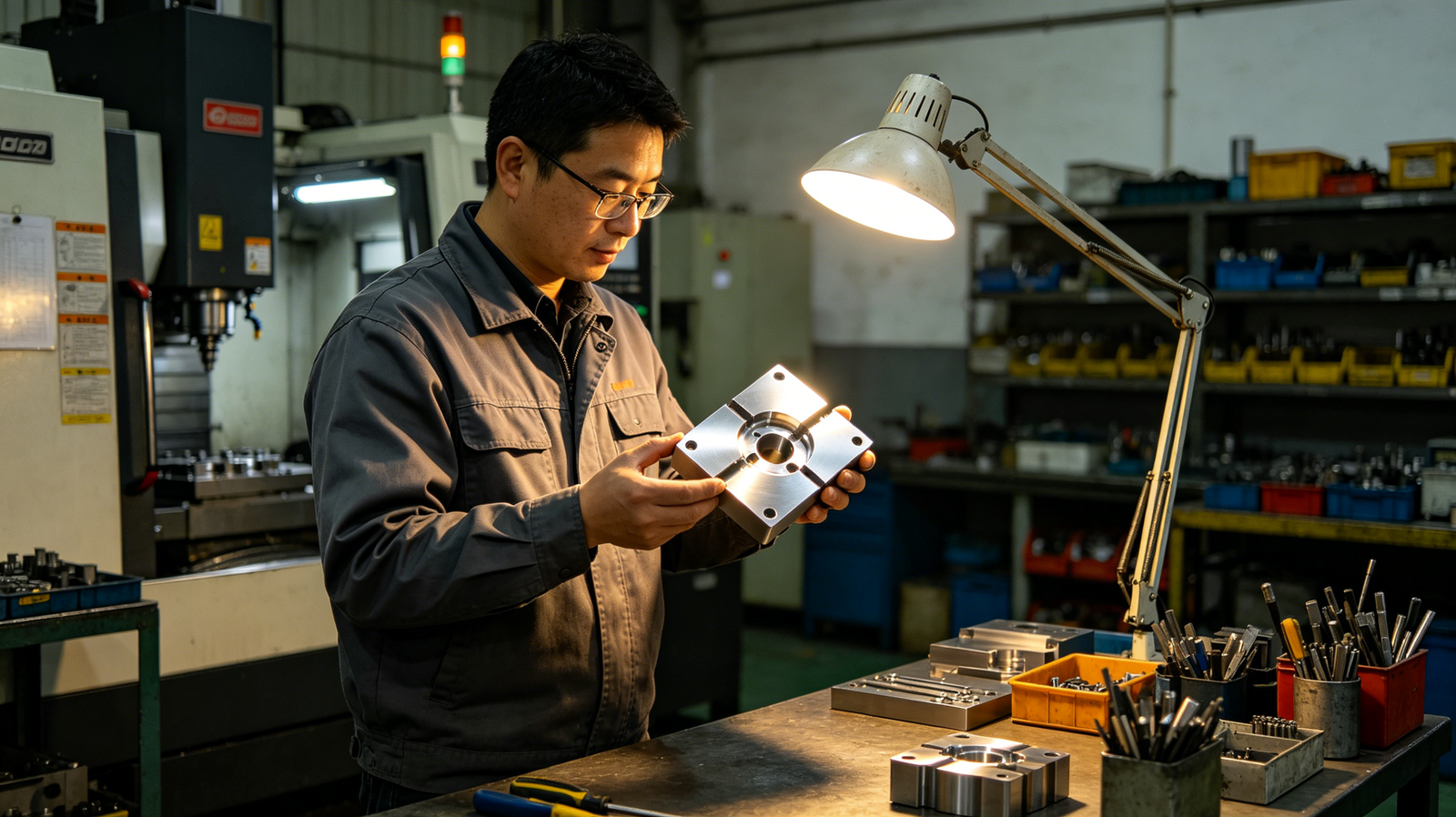
Die cast components are widely used in automotive parts, industrial equipment, consumer electronics, and electrical products, where appearance, roughness, texture, and post-processing quality directly affect perceived product quality. For parts requiring blasting, polishing, anodizing, painting, or other surface treatments, achieving the required finish on one sample does not guarantee consistent results across an entire production batch. The real challenge is not achieving the desired surface finish on one die casting, but reproducing the same finish across thousands of parts.From the perspective of Xiamen RuiCheng, surface finish consistency is not determined by the finishing process alone. It depends on alloy condition, mold condition, die casting parameters, ejection behavior, machining, and final surface treatment. If the die cast substrate already contains porosity, cold shuts, flow marks, or inconsistent surface density, downstream finishing processes may amplify rather than eliminate these differences.
For buyers, this means supplier evaluation should go beyond whether a manufacturer can provide a specific finishing process. The more important question is whether the supplier can establish a stable quality control system from product development through mass production. Consistent surface finish requires the specification to be translated into measurable process controls and inspection criteria.
Why Do Die Cast Parts Show Surface Variation Between Batches?
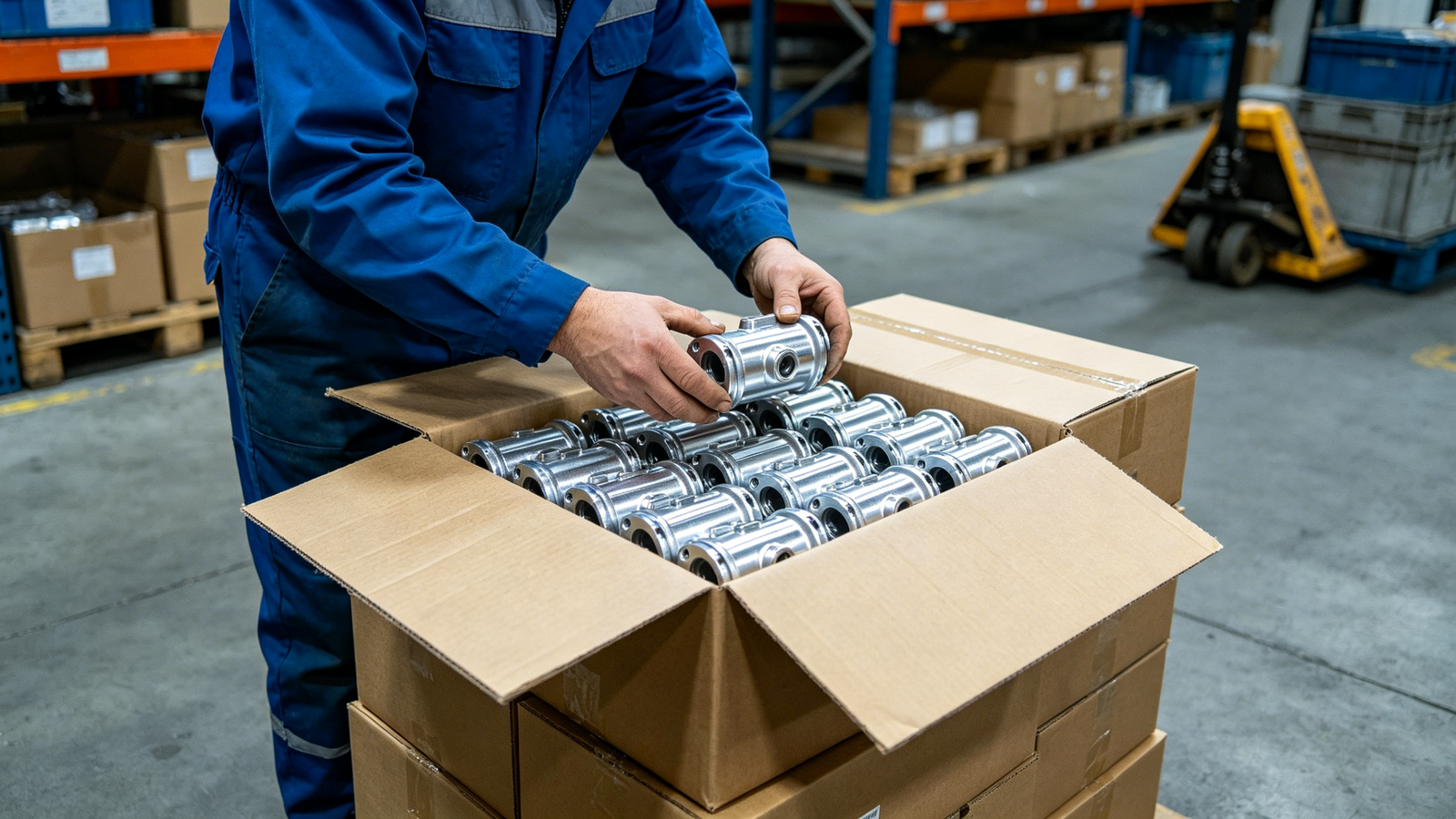
Surface finish variation in die cast parts is commonly affected by alloy condition, mold surface condition, melt flow, and production parameters. Even with the same mold, changes in mold temperature, release agent application, injection speed, and pressure conditions can produce different surface appearances between production cycles. For precision components requiring die casting and downstream processing, unstable substrate quality can become even more visible after blasting, polishing, or coating. Surface finish variation is fundamentally a sign of insufficient process repeatability. At Xiamen RuiCheng, we evaluate the product structure, alloy, and required finish during development and establish appropriate process control points through quality control.
Alloy Condition: Different aluminum and zinc alloys have different flow and shrinkage characteristics, so material variation can affect the final surface appearance.
Mold Temperature: Unstable mold temperature changes filling and solidification behavior, potentially creating inconsistent flow marks, cold shuts, or surface textures.
Injection Parameters: Changes in injection speed, pressure, or switching points can affect melt flow and the formation of internal defects.
Process Repeatability: A first article may meet the required standard, but surface variation can still occur if equipment conditions, spray application, or mold temperature are not consistently controlled.
🔧 Consistent die casting surface finish starts with stable process repeatability rather than relying on downstream finishing alone.
How Does Alloy Selection Affect Die Casting Surface Consistency?

The chemical composition, melting condition, impurity level, and use of recycled material can all influence melt flow and final surface appearance, making alloy control an important first step in surface quality management. If a buyer specifies only “aluminum die casting with a consistent surface” without defining the alloy grade, material source, and batch control requirements, the supplier may lack a stable manufacturing baseline. During project evaluation, Xiamen RuiCheng reviews the required alloy system according to the component’s function and surface requirements while assessing potential batch-to-batch material variation. For high-appearance components, material control should be validated together with die casting parameters and finishing processes.
Alloy Grade: Clearly defining the alloy grade reduces variation in flow, shrinkage, and surface characteristics.
Melting Control: Stable melting temperature and metal condition help reduce inclusions, oxides, and other melt-related quality problems.
Recycled Material Ratio: Recycled material should be used under controlled conditions to avoid unnecessary variation in material properties and surface quality.
Batch Traceability: Recording material batches allows the manufacturer to identify potential material-related causes when surface abnormalities occur.
🧪 Stable material input provides the foundation for consistent die casting surface quality.
Why Does Mold Condition Directly Affect Die Casting Surface Finish?
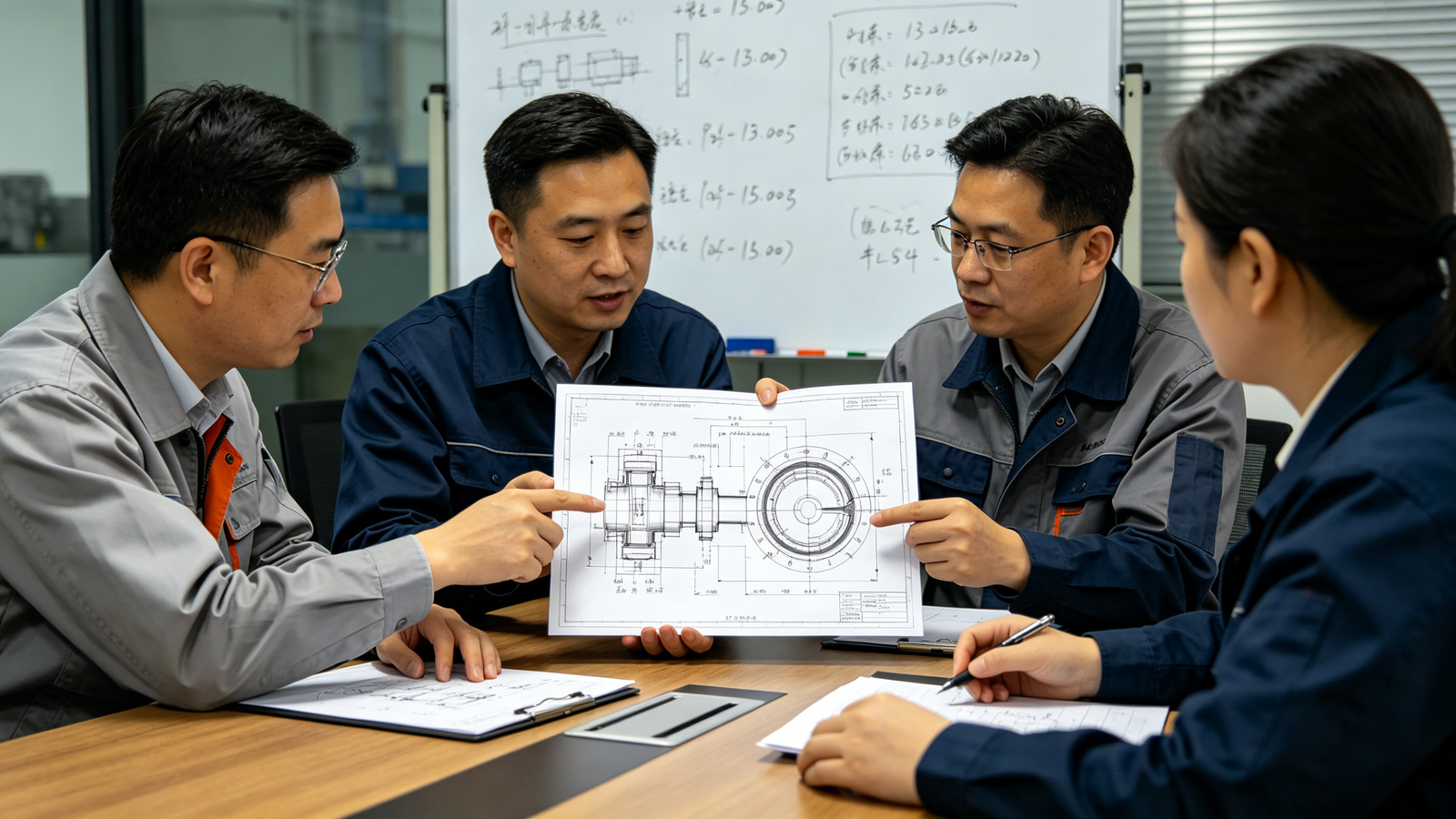
Mold cavity finish, wear, venting, and cooling design all influence the final surface of a die cast component. During long-term production, localized cavity wear can gradually change the texture and appearance that were stable during initial trials. Scratches, buildup, corrosion, or localized repair marks on the mold can also create visible differences between parts. Xiamen RuiCheng monitors mold condition during production and establishes inspection and maintenance procedures for critical appearance areas. For demanding components, maintaining stable mold condition is an essential part of surface finish consistency.
Cavity Surface: Mold surface roughness and machining texture directly affect how accurately the die casting reproduces the cavity surface.
Mold Wear: Long-term operation can cause wear on slides, ejector pins, and cavities, resulting in localized surface changes.
Venting System: Insufficient venting can cause trapped gas and localized defects that become more visible after finishing.
Mold Maintenance: Regular cleaning and inspection reduce the effects of buildup, corrosion, and localized mold damage.
🛠️ For mass-produced die castings, stable mold condition is more important than achieving excellent appearance on a single trial shot.
Which Die Casting Parameters Most Affect Surface Consistency?
Injection speed, molten metal temperature, mold temperature, pressure curves, and spray cooling conditions all influence filling and solidification. Significant variation in any critical parameter can change the final surface condition, particularly in high-pressure die casting where small process changes can be rapidly amplified. Xiamen RuiCheng focuses on maintaining a stable production window rather than simply finding one “ideal” parameter setting, because mass production requires parameters that can be repeatedly maintained over time. For critical projects, first-article approval, process records, and batch inspection should be combined to create a traceable control system.
Metal Temperature: Temperature variation changes melt fluidity and solidification behavior, affecting surface formation.
Mold Temperature: Excessive temperature differences between mold areas can create localized filling and solidification variations.
Injection Speed: Changes in injection speed affect melt-front stability and may influence flow marks and gas entrapment.
Spray Conditions: Variations in release-agent application and coverage can also create localized surface differences.
📊 The goal of parameter control is not a one-time machine adjustment but a production window that can remain stable throughout mass production.
Key Factors for Die Casting Surface Finish Consistency
| Control Factor | Main Impact | Common Risk | What Buyers Should Check |
|---|---|---|---|
| Alloy Material | Melt behavior | Surface variation, inclusions | Alloy grade and batch control |
| Mold Condition | Surface replication | Texture changes, scratches | Maintenance and tool life |
| Die Casting Parameters | Filling and solidification | Flow marks, cold shuts | Process records and stability |
| Finishing Process | Final appearance | Color and roughness variation | Process standards and inspection |
If your die casting project requires more than a good-looking sample and demands stable surface color, texture, and roughness throughout mass production, Xiamen RuiCheng can evaluate the complete process from tooling and die casting to finishing. contact us for a project-specific engineering assessment.
How Can You Build a Complete Surface Consistency Control System?
Many surface quality problems do not occur because a supplier lacks finishing capability. Instead, die casting, machining, and finishing may each be controlled according to different standards, causing every individual process to appear acceptable while the final assembled result shows visible variation. Surface requirements should therefore be established from the drawing and approved samples, with clear definitions for critical appearance areas, acceptable defects, roughness, color, and inspection conditions. Effective surface consistency management means turning a visual sample standard into a measurable mass-production standard.
1.Define Appearance Requirements: Specify critical appearance areas, allowable defects, and acceptance conditions in the drawing or quality agreement to prevent different interpretations of acceptable finish.
2.Establish a Golden Sample: Approve a reference sample between buyer and supplier while recording the material, mold, die casting, and finishing conditions used to produce it.
3.Control Critical Processes: Establish control points for die casting parameters, mold condition, blasting, polishing, painting, anodizing, or other finishing processes.
4.Perform Batch Inspection: Use roughness measurement, dimensional inspection, color comparison, and visual inspection according to product requirements.
5.Maintain Traceability: When a surface abnormality occurs, use material batches, machine records, mold maintenance history, and finishing records to identify the root cause instead of relying only on rework.
Frequently Asked Questions
Question 1: What are the key quality standards for your die casting surface finish?
Answer: Xiamen RuiCheng establishes quality requirements according to the customer’s application and finishing requirements. These may include die cast substrate condition, critical dimensions, surface defects, finishing appearance, and batch-to-batch consistency. For components with specific roughness, color, or visual requirements, inspection methods, reference samples, and acceptance criteria are confirmed during quotation and development.
Question 2: What information should we provide to receive a fast die casting quotation?
Answer: We recommend providing 3D/2D drawings, alloy grade, estimated order quantity, required surface treatment, critical appearance areas, and final application environment. If the component requires blasting, polishing, painting, anodizing, or another finishing process, the target appearance and inspection requirements should also be specified. Xiamen RuiCheng can then conduct DFM analysis and process evaluation based on these inputs.
Question 3: How are MOQ and lead times handled for different order quantities?
Answer: MOQ and lead time depend on part dimensions, mold structure, alloy, order volume, and finishing requirements. Prototype, small-batch, and mass-production stages may require different production plans. During formal quotation, Xiamen RuiCheng can develop an appropriate supply plan based on the customer’s forecast volume and required delivery schedule.
Question 4: How do you handle color or texture variation in delivered die castings?
Answer: Xiamen RuiCheng first compares the reported variation against the approved Golden Sample, drawing requirements, and inspection data. We then investigate material batches, mold condition, die casting parameters, and finishing processes to identify the root cause. If the issue is confirmed to originate from the manufacturing process, corrective actions are implemented and verified before subsequent production.
Question 5: Can you customize the finishing process for specific appearance requirements?
Answer: Yes. Finishing solutions can be evaluated according to the component structure, alloy, operating environment, and target appearance. Customers can provide samples, photographs, roughness requirements, color requirements, or application details, allowing Xiamen RuiCheng to evaluate feasibility and identify potential cost and mass-production risks during development.
Conclusion
Die casting surface finish consistency cannot be achieved through blasting, polishing, painting, or anodizing alone. It depends on the coordinated stability of material, mold condition, die casting parameters, finishing processes, and inspection systems. For B2B buyers, supplier evaluation should therefore move beyond asking whether a manufacturer can produce an attractive sample and focus on whether that supplier can repeatedly reproduce the approved standard in mass production. A reliable supplier should be able to convert appearance requirements into measurable, controllable, and traceable production standards. Xiamen RuiCheng provides integrated support from product development and tooling to die casting production and quality control, helping customers reduce rework, scrap, and delivery risks caused by surface inconsistency.
For expert assistance in implementing die casting surface finish consistency for your production needs, visit our resource center or contact us. Let’s help you scale up your manufacturing with precision and efficiency!