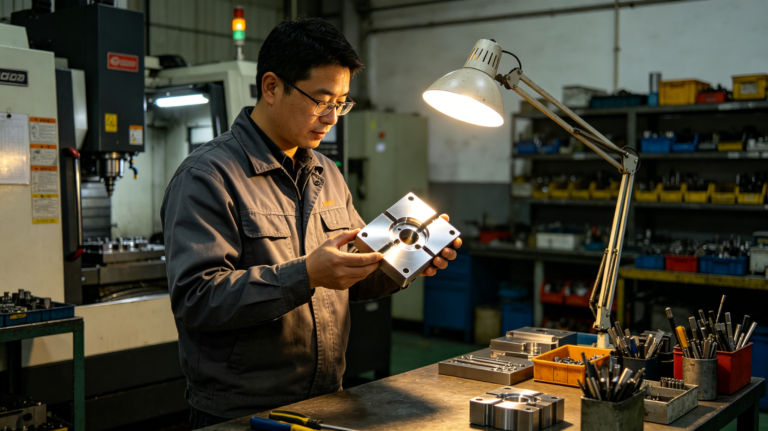
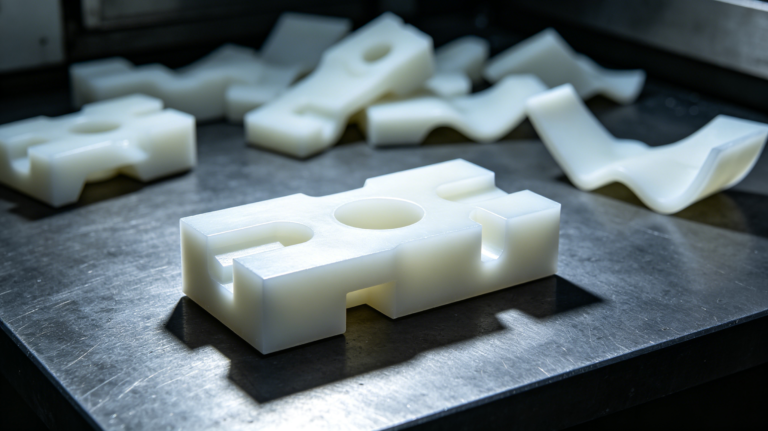
How Does Anodizing Change Aluminum Die Cast Parts?
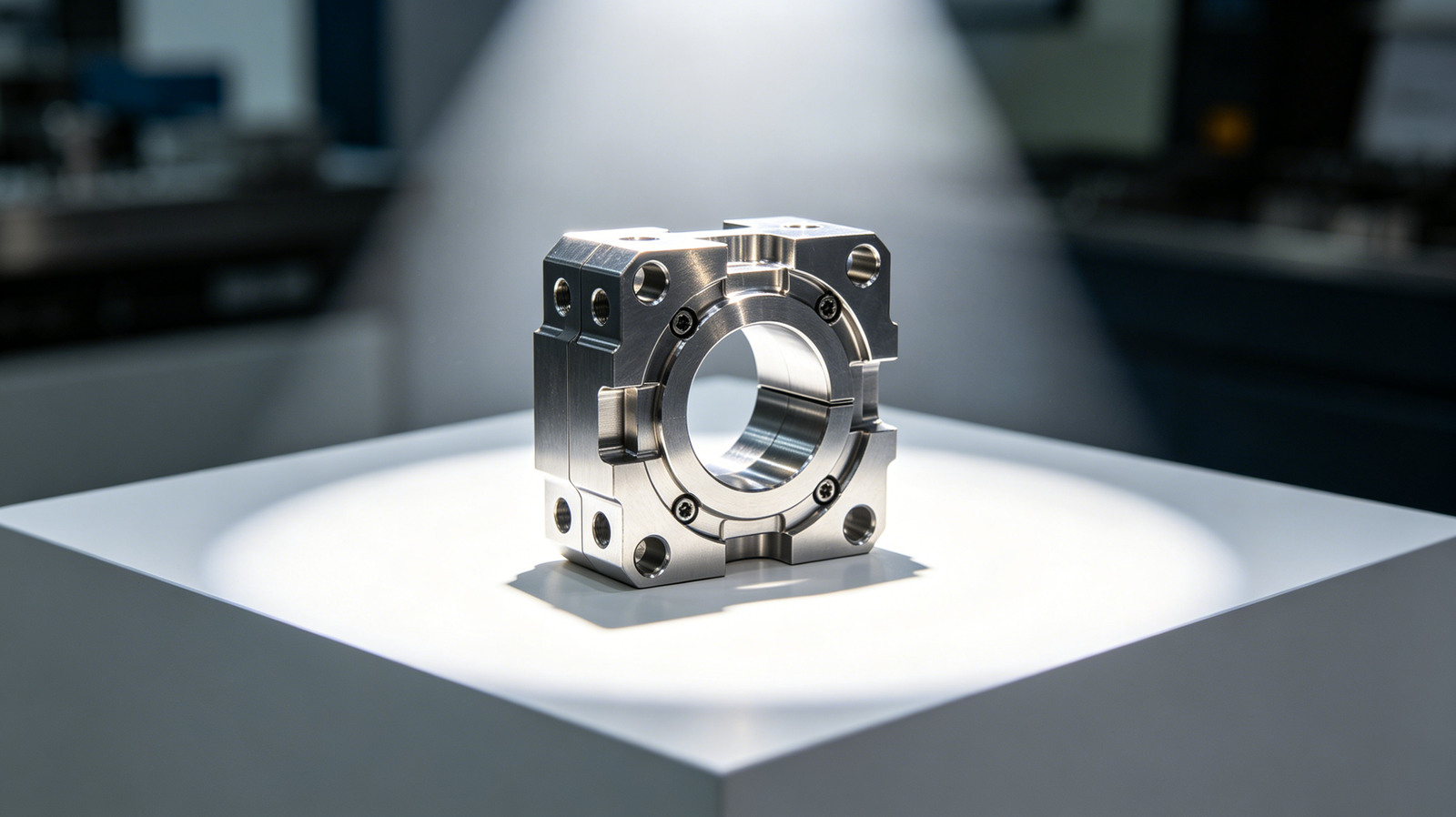
Aluminum die cast parts can gain improved surface protection, appearance, and wear resistance through anodizing, but the final result depends heavily on the alloy, casting quality, surface condition, and anodizing process. For automotive components, industrial housings, electrical enclosures, and other functional parts, anodizing is not simply an aesthetic treatment. It can also affect corrosion resistance, dimensional control, electrical performance, and long-term durability.The performance of an anodized die cast part is determined by the interaction between casting quality and surface treatment, not by anodizing alone. Gas porosity, shrinkage defects, alloying elements, segregation, and surface contamination can all affect oxide-film formation. At Xiamen RuiCheng, we evaluate die casting and surface finishing requirements together during project development to reduce the risk of inconsistent results after production begins.
For buyers, the critical question is not simply whether a supplier can anodize aluminum die castings. The more important issue is whether the supplier can consistently achieve the required appearance, film performance, dimensions, and functional properties across production batches.A reliable anodizing solution starts with material selection and die casting quality before the part ever reaches the finishing line.
Why Do Aluminum Die Cast Parts Show Appearance Variations After Anodizing?
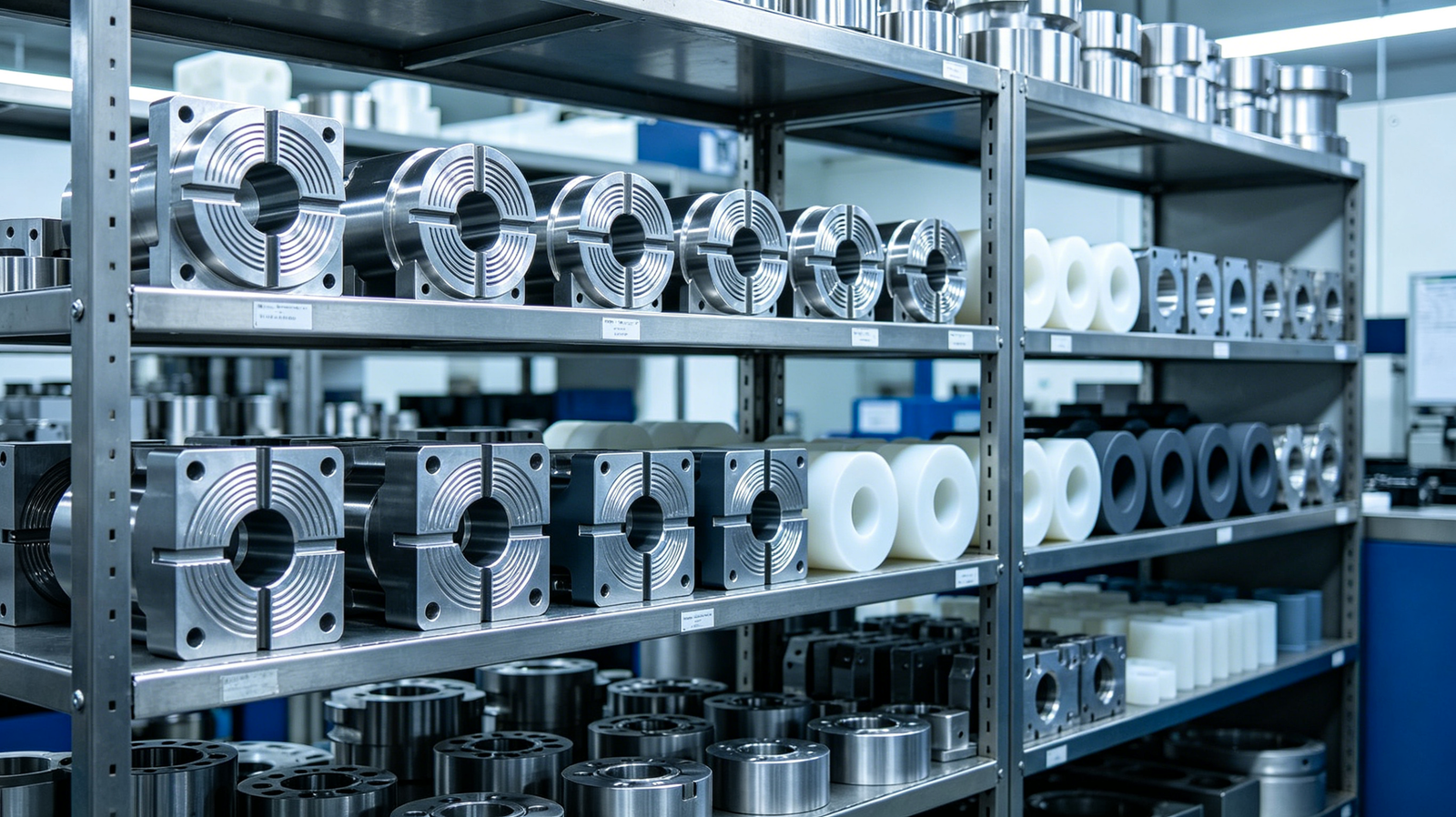
The appearance of anodized aluminum die castings can vary because of alloy composition, casting microstructure, surface defects, and pretreatment conditions. Common die casting alloys contain elements such as silicon, copper, and magnesium, which behave differently from high-purity aluminum during anodizing and can therefore affect color and oxide-film uniformity. Aluminum die casting with inconsistent surface quality may show dark areas, stains, color variation, or localized defects after finishing. For projects with strict cosmetic requirements, alloy selection and casting quality must be validated before the anodizing process is finalized. Xiamen RuiCheng evaluates alloy compatibility, casting structure, cosmetic surfaces, and finishing requirements together during the engineering stage.
Alloy Composition: Silicon, copper, and other alloying elements can influence oxide formation and final color consistency.
Casting Microstructure: Segregation and intermetallic phases formed during die casting can create visible differences after anodizing.
Surface Defects: Porosity, shrinkage, cold shuts, and flow marks are not automatically eliminated by anodizing and may become more visible afterward.
Pretreatment Quality: Cleaning, degreasing, etching, and other pretreatment steps must be controlled consistently to achieve uniform surface appearance.
🔧 If appearance consistency matters, buyers should confirm the actual alloy, casting quality, and anodizing trial results instead of asking only whether the supplier offers anodizing.
Does Anodizing Affect the Dimensions and Durability of Aluminum Die Cast Parts?

Anodizing forms a relatively thin oxide layer on the aluminum surface, but the coating still needs to be considered when controlling critical dimensions. Holes, mating surfaces, threads, bearing seats, and other precision features may require process allowances or masking before anodizing. Proper anodizing can improve corrosion and wear resistance, while the final performance depends on the anodizing type, film thickness, sealing treatment, and service environment. For precision die castings, anodizing must be included in the dimensional tolerance chain rather than treated as a separate cosmetic operation. Xiamen RuiCheng identifies critical functional surfaces during engineering review to reduce assembly risks after finishing.
Dimensional Control: Oxide-film formation can influence surface dimensions, making critical holes and mating areas important during process planning.
Film Thickness: Different anodizing specifications require different coating thicknesses, which can affect both protection and dimensional tolerance.
Corrosion Resistance: A properly controlled oxide layer can reduce direct exposure of the aluminum substrate to moisture and corrosive environments.
Wear Resistance: Hard anodizing can provide greater surface hardness and is more suitable for components exposed to friction or repeated contact.
⚙️ The right anodizing specification should balance protection, wear resistance, dimensional requirements, and functional surfaces.
How Should You Select an Anodizing Process for Aluminum Die Cast Parts?
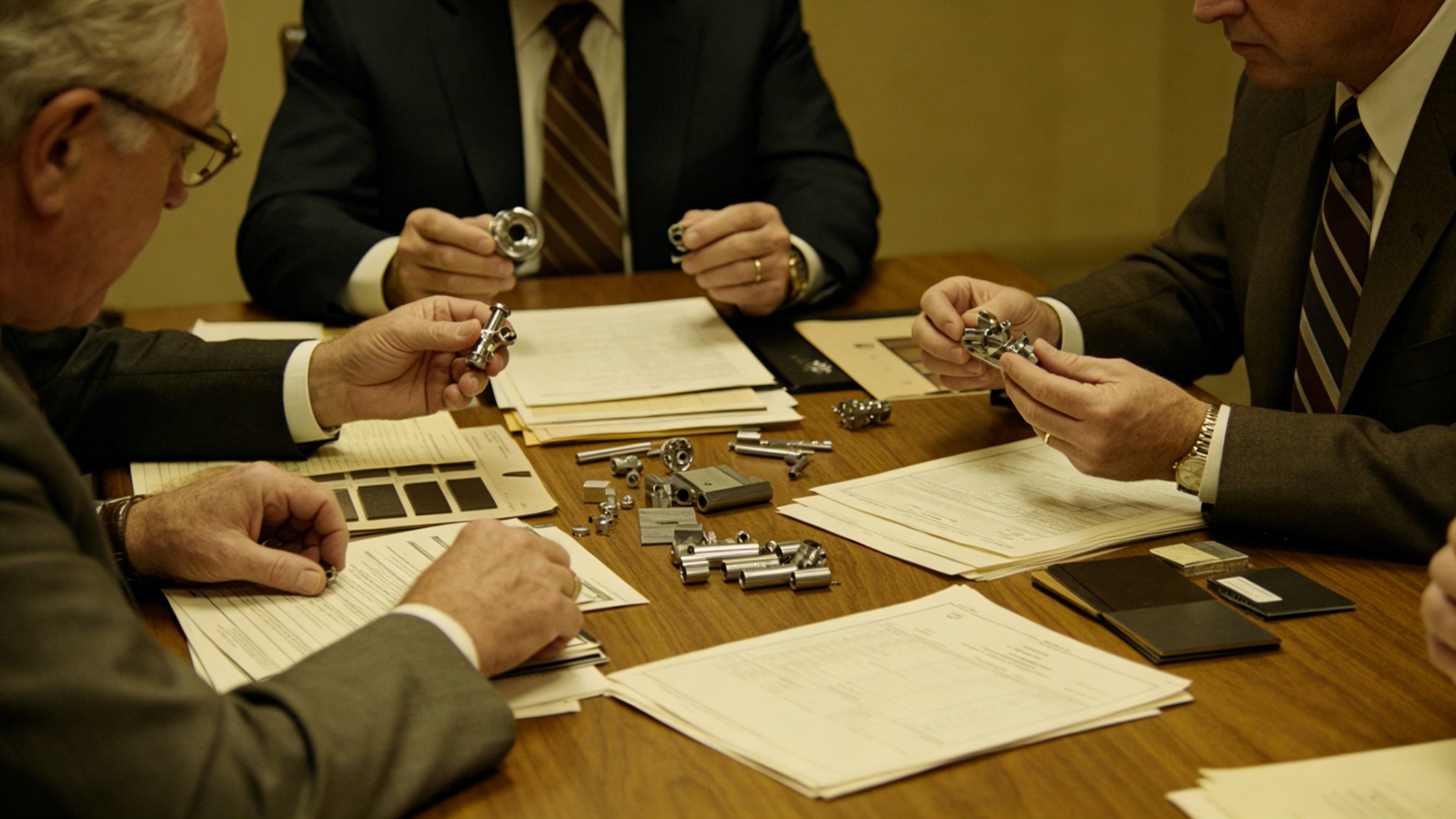
Different aluminum die cast components require different finishing solutions depending on their application environment. Standard anodizing may be suitable for certain appearance and corrosion-protection requirements, while hard anodizing can be considered when higher wear resistance is required. However, the correct process still depends on the alloy, required film thickness, color, dimensional tolerance, and service conditions. For electrical components, the insulating characteristics of the oxide layer also need to be considered because anodizing can affect grounding and electrical contact areas.
Application Environment: Outdoor, humid, salt-spray, and industrial environments may require more demanding surface protection than indoor applications.
Appearance Requirements: Visible housings should define color, gloss, texture, and acceptable batch-to-batch variation before production.
Wear Requirements: Components exposed to sliding or repeated contact may require a higher-performance anodizing process such as hard anodizing.
Electrical Requirements: Grounding and conductive areas should be identified in advance so that critical contact surfaces can be masked when necessary.
🎯 The best anodizing process is not necessarily the most advanced one; it is the process that matches the part’s actual functional requirements.
Key Anodizing Risks for Aluminum Die Cast Parts
| Anodizing Factor | Main Impact | Common Risk | Buyer Focus |
|---|---|---|---|
| Alloy Grade | Oxide formation and color | Color variation | Confirm alloy compatibility |
| Casting Quality | Film uniformity | Spots and dark areas | Control porosity and segregation |
| Film Thickness | Protection and dimensions | Assembly issues | Define thickness range |
| Pretreatment | Surface consistency | Uneven appearance | Validate process stability |
If your aluminum die cast parts require strict dimensional, cosmetic, or corrosion-resistance performance, Xiamen RuiCheng can evaluate the complete process from alloy selection and die casting to anodizing and inspection. contact us to discuss your requirements before mass production.
How Can You Validate Anodized Die Cast Parts Before Mass Production?
Anodizing projects often become more difficult during mass production than during prototype development because aluminum chemistry, casting parameters, mold conditions, and pretreatment conditions can vary between batches. A supplier should therefore demonstrate not only that one sample looks acceptable, but also how the same result will be maintained throughout production. A capable manufacturer should be able to explain why the sample meets the requirement and how the process will reproduce that result consistently.
1.Validate the Material: Confirm the aluminum alloy grade, material consistency, and compatibility with the selected anodizing process.
2.Review the Part Design: Use DFM analysis to identify wall thickness, sharp corners, deep cavities, holes, and functional surfaces that may affect casting or finishing.
3.Run Production Samples: Validate anodizing using actual die cast parts rather than relying on extruded aluminum or unrelated alloy samples.
4.Define Mass Production Standards: Establish measurable requirements for color, film thickness, cosmetic defects, critical dimensions, and functional areas.
Frequently Asked Questions
Question 1: What are the key quality standards for your anodized aluminum die cast parts?
Answer: Xiamen RuiCheng develops quality requirements based on the part’s application, material, casting process, and anodizing specification. Key controls can include surface appearance, oxide-film thickness, critical dimensions, and functional areas. For appearance-sensitive projects, actual die cast samples are used to validate the finishing process before mass production.
Question 2: What information should we provide when purchasing anodized aluminum die cast parts?
Answer: We recommend providing 2D and 3D drawings, aluminum alloy grade, target color, anodizing type, film thickness requirements, critical dimensions, tolerances, and the intended service environment. If the part requires salt-spray resistance, wear resistance, electrical grounding, or specific assembly performance, these requirements should also be included during quotation.
Question 3: How do delivery times vary for different order volumes?
Answer: Actual lead time depends on mold status, part complexity, casting volume, and anodizing requirements. New projects generally require DFM review, mold development, trial casting, surface-treatment validation, and production approval. For recurring production, capacity can then be planned according to forecasted annual demand and order schedules.
Question 4: How do you handle color variation or surface defects after anodizing?
Answer: Xiamen RuiCheng investigates the issue through material-batch records, die casting parameters, surface conditions, and anodizing process data. For production programs, we recommend establishing approved appearance samples and measurable inspection criteria in advance so that the customer and supplier have the same definition of acceptable appearance.
Question 5: Can you customize the anodizing process based on our application environment?
Answer: Yes. The anodizing solution can be evaluated according to corrosion exposure, wear requirements, color, dimensional tolerance, and electrical functionality. Customers can provide operating temperature, humidity, salt-spray requirements, contact media, and assembly conditions so Xiamen RuiCheng can assess a suitable die casting and surface-treatment combination.
Conclusion
Anodizing can significantly improve the surface protection, wear resistance, and appearance of aluminum die cast parts, but it cannot compensate for unstable casting quality or poor surface conditions. For B2B buyers, the key evaluation point is whether a supplier can control the complete chain from alloy selection and mold design to die casting, anodizing, and final inspection. Integrating anodizing requirements into the product development stage is one of the most effective ways to reduce color variation, dimensional problems, and surface defects during mass production. Xiamen RuiCheng provides integrated manufacturing support covering die casting, mold development, surface finishing, and quality control to help customers achieve repeatable production results.
For expert assistance in implementing anodized aluminum die cast parts for your production needs, visit our resource center or contact us. Let’s help you scale up your manufacturing with precision and efficiency!