Introduction

Automotive die casting components play a critical role in vehicle structures, electronic systems, and powertrain applications. Their manufacturing quality directly affects vehicle reliability, safety, and long-term operating performance. With the rapid growth of electric vehicles and intelligent automotive technologies, buyers are no longer only comparing die casting prices but also evaluating supplier capabilities in mass production stability, quality control, and engineering support.Choosing the right automotive die casting supplier is essentially about reducing project development risks and long-term supply chain uncertainty.
For automotive manufacturers, component companies, and engineering teams, supplier evaluation has shifted from simply reviewing machine capacity and factory size to analyzing engineering capability, quality systems, delivery reliability, and continuous improvement performance. Xiamen RuiCheng provides integrated die casting solutions covering product development support, mold manufacturing, process optimization, and volume production based on years of precision manufacturing experience.A reliable die casting supplier does not only manufacture parts but also becomes a technical partner throughout the customer’s product development journey.
Does the Automotive Die Casting Supplier Have the Required Manufacturing Capability?
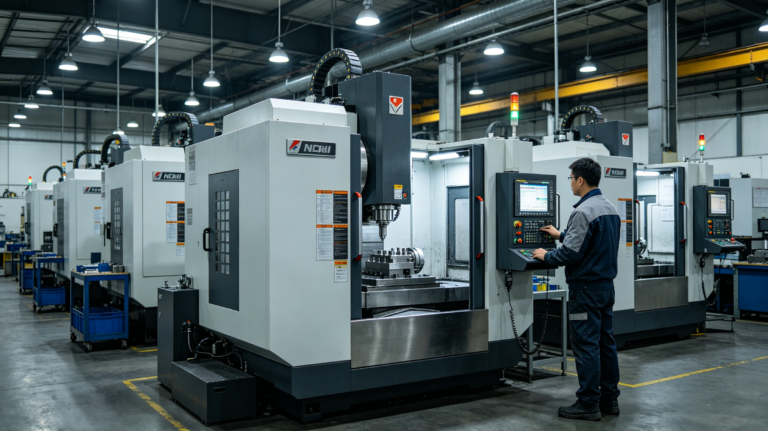
When evaluating an automotive die casting supplier, companies should not only focus on factory size or the number of machines available. A professional evaluation should examine whether the supplier has automotive project experience, mold development capability, and stable mass production performance. Automotive die casting involves multiple critical processes, including material selection, mold design, filling optimization, and process control. Technologies such as high pressure die casting and compliance with automotive quality management systems are important references when judging supplier expertise. A truly reliable supplier requires a complete manufacturing system rather than relying on equipment advantages alone.
Equipment and Process Capability: The supplier should have die casting machines suitable for the product size, structural complexity, and production volume requirements while controlling injection speed, pressure parameters, and cooling conditions.
Mold Development Experience: Automotive die casting parts often involve complex structures, requiring suppliers to have experience in mold flow analysis, mold maintenance, and tool life management to reduce trial production risks.
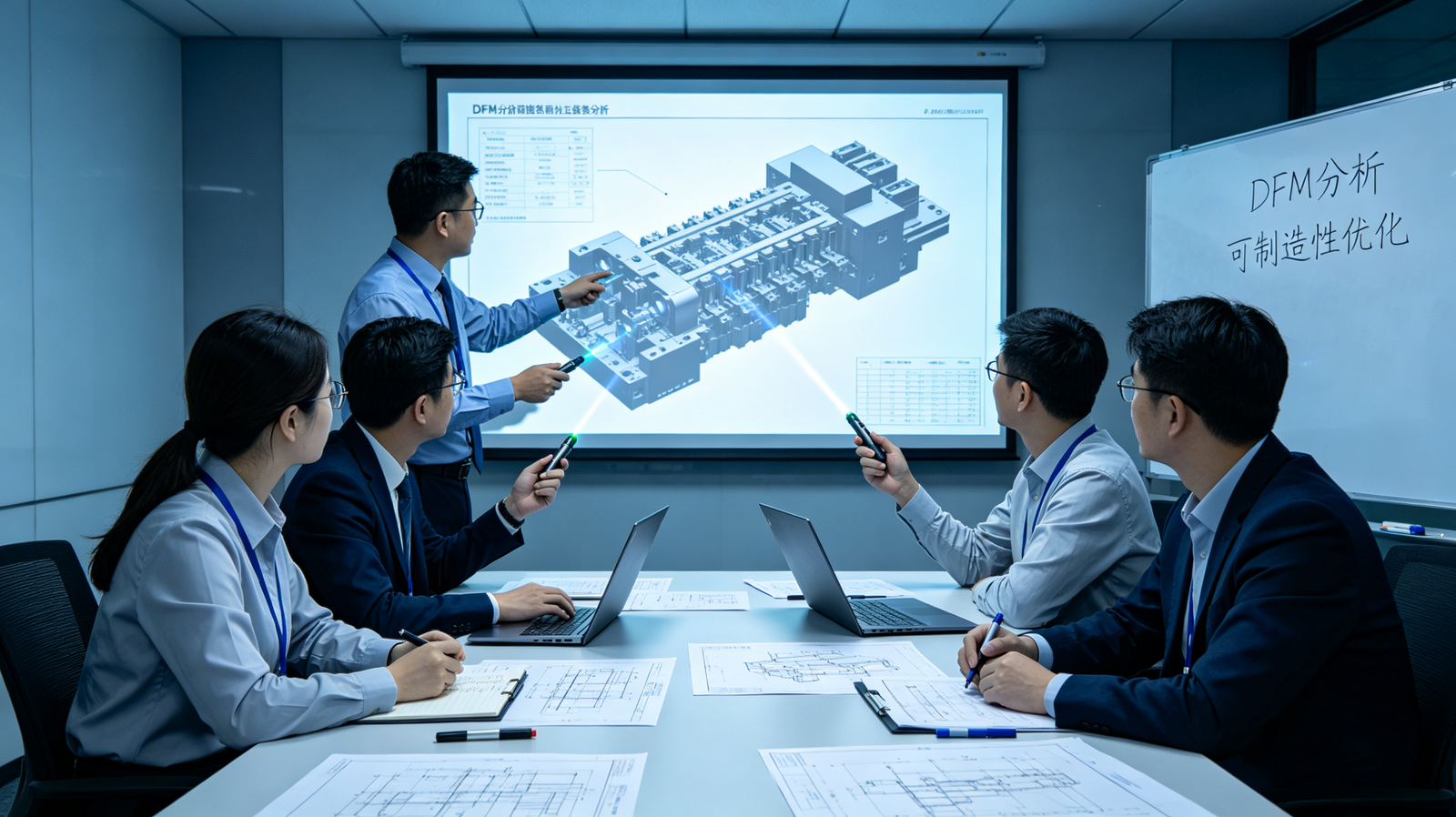
Engineering Support Capability: An experienced supplier should participate in DFM analysis during the design stage and identify potential issues such as wall thickness problems, draft angle limitations, and porosity risks.
Mass Production Stability: Automotive customers require long-term consistency, meaning suppliers must use SPC, CPK analysis, and process monitoring methods to maintain stable production performance.
🚗 Selecting an automotive die casting supplier with strong manufacturing capability is the foundation for achieving reliable mass production.
How Can Automotive Companies Evaluate a Die Casting Supplier’s Quality Control System?
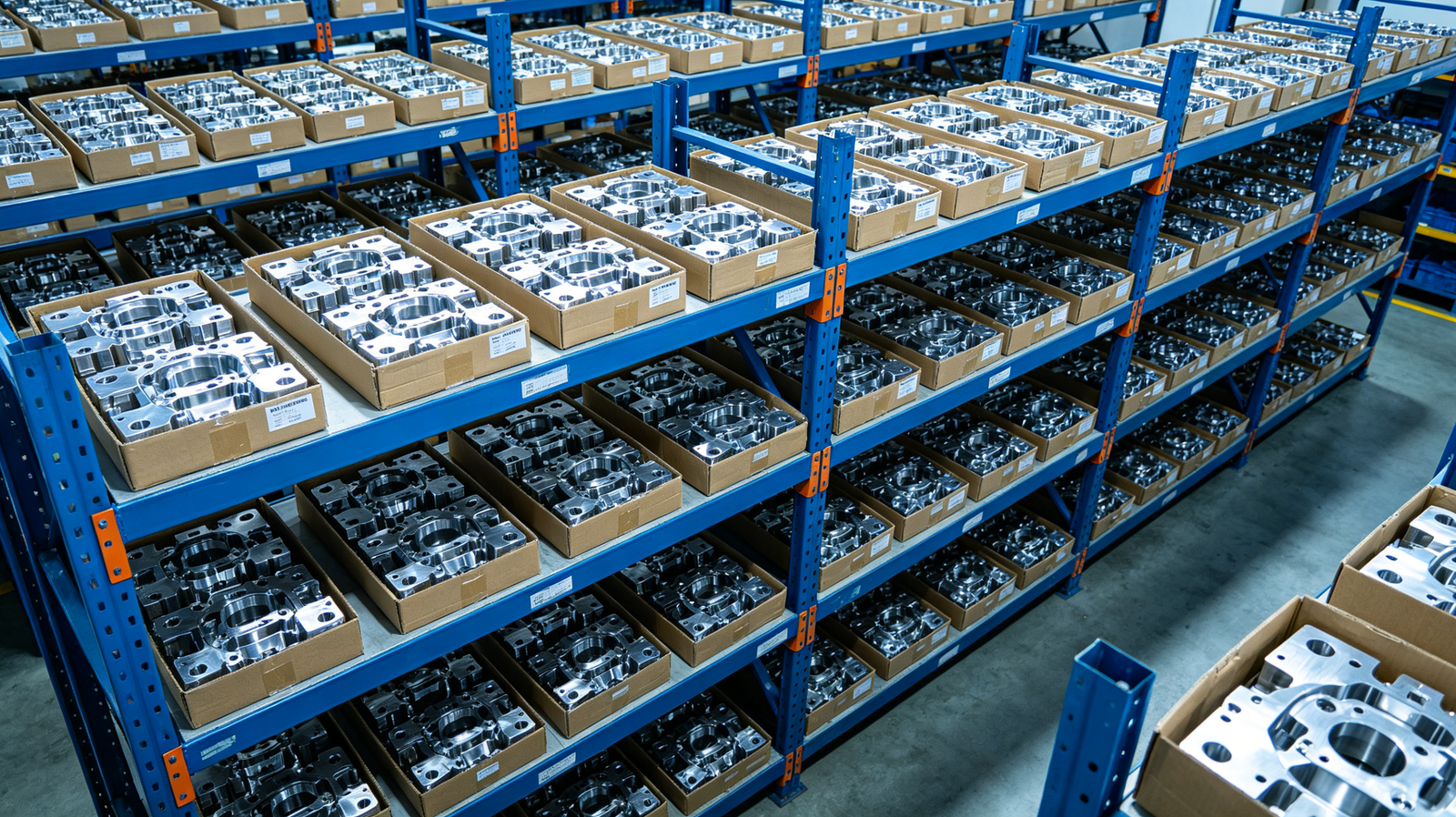
Automotive industries require significantly higher quality standards compared with general industrial applications. Therefore, quality management systems and inspection capabilities should be key evaluation criteria when selecting a die casting supplier. Xiamen RuiCheng applies structured quality control procedures to manage dimensional accuracy, material performance, and product reliability while integrating systems such as PPAP production part approval process and ISO 9001 quality management standards to improve project delivery reliability. The completeness of a supplier’s quality system directly determines whether it can support long-term automotive production requirements.
Quality Certification System: Suppliers should have experience with automotive quality management requirements, such as IATF16949-based processes, demonstrating their ability to manage automotive projects.
Inspection Equipment Capability: Reliable suppliers should have measurement and testing equipment such as CMM machines, material analysis systems, and leak testing equipment to verify products throughout the manufacturing process.
Process Control Capability: Through SPC monitoring, first article inspection, and production inspections, suppliers can identify process variations and reduce batch quality risks.
Problem-Solving System: Professional suppliers should maintain structured improvement methods such as 8D reports, root cause analysis, and corrective actions instead of only addressing surface-level defects.
🔍 A high-quality automotive die casting supplier creates value by preventing manufacturing risks before they affect customers.
How Should Companies Evaluate Long-Term Cooperation Capability of Automotive Die Casting Suppliers?
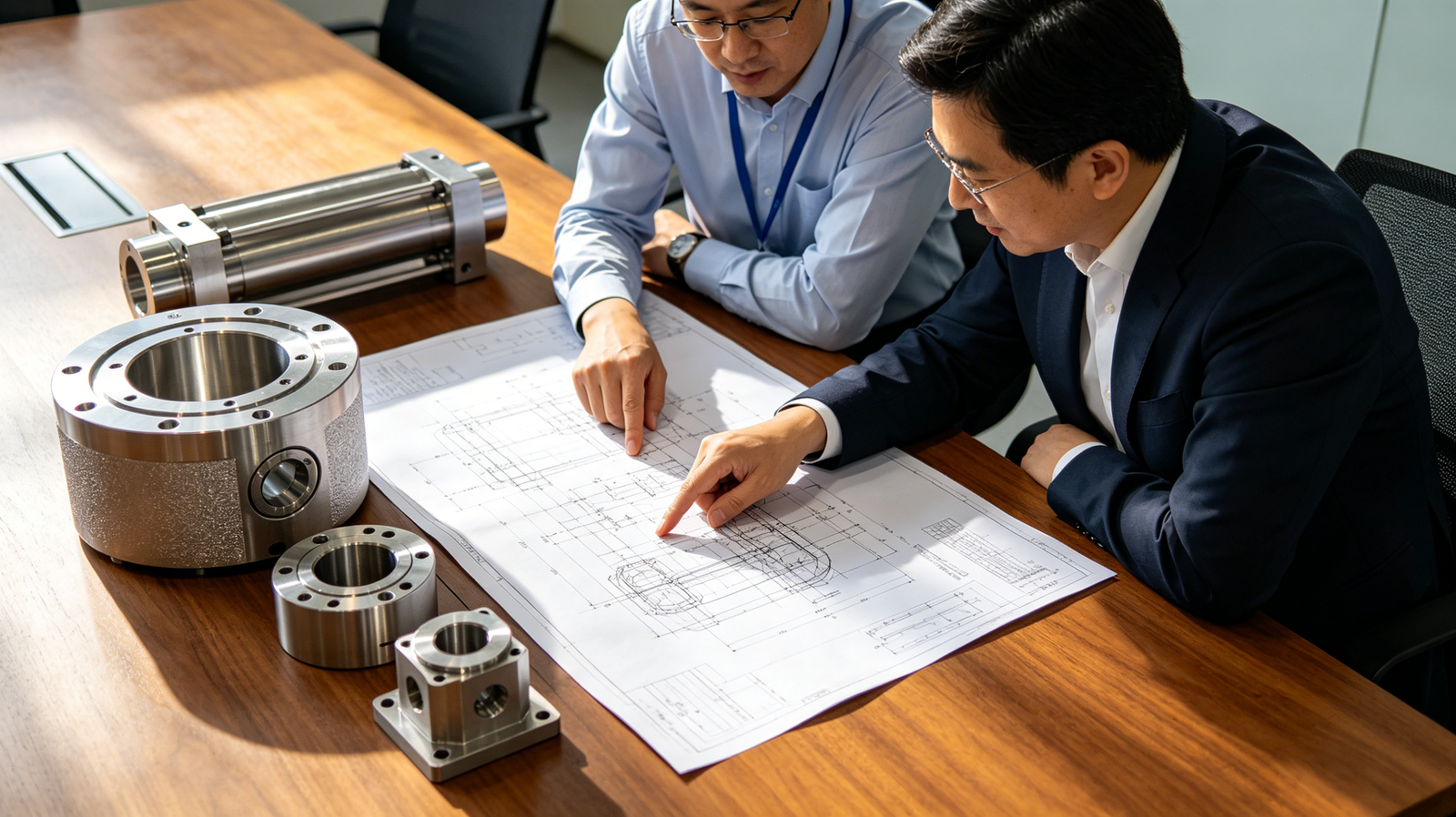
Automotive projects usually have long product lifecycles, meaning suppliers must support not only prototype development but also stable production for years. When selecting an automotive die casting supplier, companies should evaluate production planning, supply chain stability, and response capability. Xiamen RuiCheng supports customers with mature project management systems and integrated manufacturing resources to provide stable automotive component supply solutions.
The value of a long-term supplier comes from continuous problem-solving ability rather than short-term price advantages.
Production Delivery Capability: Suppliers should have effective capacity planning and the flexibility to respond to demand changes or urgent production requirements.
Supply Chain Management Capability: Stable raw material sourcing, mold maintenance processes, and supplier management systems help reduce delivery risks.
Project Communication Capability: Automotive projects involve multiple departments, requiring suppliers to respond quickly to engineering changes and technical discussions.
Long-Term Service Capability: Strong suppliers continuously optimize manufacturing processes, improve quality consistency, and support customers throughout the product lifecycle.
🤝 Choosing an automotive die casting supplier affects not only current projects but also future supply chain stability.
What Factors Should Be Considered When Evaluating Automotive Die Casting Suppliers?
| Evaluation Factor | Supplier Performance | Potential Risk | Key Focus |
|---|---|---|---|
| Manufacturing Capability | Equipment & Experience | Production Risk | Process Match |
| Quality System | Inspection Process | Quality Risk | Certification |
| Engineering Support | DFM Capability | Development Risk | Technical Collaboration |
| Delivery Capability | Production Management | Delay Risk | Supply Stability |
If you are looking for an automotive die casting partner with engineering support, stable mass production capability, and reliable quality control, please feel free to contact us to discuss your project requirements with Xiamen RuiCheng.
How to Build a Long-Term Automotive Die Casting Supplier Evaluation Standard?
Automotive die casting supplier evaluation should not be a one-time audit process. Instead, it should cover the complete product lifecycle, including product development, trial production, mass production, and continuous improvement. Companies should evaluate suppliers based on technical capability, quality performance, delivery history, and communication efficiency rather than selecting partners only according to initial quotations.A systematic supplier evaluation method helps companies reduce manufacturing risks and improve project success rates.
1.Technical Capability Evaluation: Review supplier equipment, mold development experience, and engineering resources to determine whether they can handle complex automotive component requirements.
2.Quality Capability Evaluation: Analyze supplier quality systems, inspection procedures, and improvement processes to confirm stable production capability.
3.Supply Capability Evaluation: Evaluate production capacity planning, delivery records, and supply chain management to reduce long-term cooperation risks.
4.Partnership Value Evaluation: A strong supplier should actively participate in product optimization and provide suggestions for cost reduction and manufacturing improvement.
Automotive Die Casting Supplier FAQ
Question 1: What is the most important factor when evaluating an automotive die casting supplier?
Answer: Automotive die casting supplier evaluation should consider manufacturing capability, quality systems, engineering support, and delivery stability. Buyers should verify whether suppliers have automotive project experience and can provide complete validation data and mass production assurance.
Question 2: What information should buyers provide when requesting automotive die casting services?
Answer: Customers usually need to provide 3D models, 2D drawings, material requirements, expected order quantities, and application conditions. Xiamen RuiCheng can conduct DFM analysis, process evaluation, and quotation preparation based on the provided project information.
Question 3: How is the delivery timeline determined for automotive die casting parts?
Answer: Delivery schedules depend on mold development, trial production validation, part complexity, and order volume. Professional suppliers should create project plans and manage key milestones to ensure on-time delivery.
Question 4: How should quality issues with automotive die casting parts be handled?
Answer: Professional suppliers should have structured quality problem-solving procedures, including issue identification, root cause analysis, corrective actions, and verification. Methods such as 8D reports help ensure problems are permanently resolved.
Question 5: Can automotive die casting suppliers support product optimization?
Answer: Experienced suppliers can participate in product improvement by optimizing part structures, reducing manufacturing costs, and improving production stability. Xiamen RuiCheng works closely with customers to develop more efficient manufacturing solutions.
Conclusion
Evaluating an automotive die casting supplier requires a comprehensive review of manufacturing capability, quality management, engineering support, and supply chain reliability rather than simply comparing prices. For automotive companies, a dependable supplier helps reduce development risks, improve product consistency, and strengthen long-term market competitiveness.Xiamen RuiCheng provides reliable automotive die casting solutions through precision manufacturing expertise, comprehensive quality systems, and engineering collaboration capabilities.
For expert assistance in implementing automotive die casting solutions for your production needs, visit our resource center or contact us. Let’s help you scale up your manufacturing with precision and efficiency!