Lightweight Manufacturing Needs Drive Casting Process Selection
With the rapid development of electric vehicles and intelligent vehicles, automotive manufacturers are continuously evaluating more efficient manufacturing methods for structural components, housings, and aluminum alloy parts. Low pressure die casting has become an increasingly important solution because it provides excellent material utilization, stable mechanical performance, and reliable production consistency for automotive applications.
Choosing the right casting process directly affects component reliability, manufacturing cost, supply chain stability, and long-term vehicle performance. Instead of only comparing equipment specifications, automotive engineers and purchasing teams need to evaluate part structure, production volume, performance requirements, and supplier capabilities before selecting a manufacturing solution.
When Should Automotive Manufacturers Choose Low Pressure Die Casting?
Automotive manufacturers usually select low pressure die casting when they need a balance between structural strength, lightweight design, and long-term production stability. Unlike high-speed casting processes, low pressure die casting uses controlled pressure to fill molten aluminum into the mold gradually, reducing internal defects and improving casting density. For automotive components that require high reliability and consistent mass production, low pressure die casting is often a more suitable long-term manufacturing choice. At Xiamen RuiCheng, we evaluate product structures through aluminum die casting expertise and DFM analysis to help customers select the most suitable production method.
Structural Performance Requirements: Low pressure die casting is suitable for automotive parts that require high mechanical strength and improved internal quality, such as motor housings, battery components, and load-bearing structures.
Mass Production Requirements: When automotive components enter long-term production stages, low pressure die casting provides stable cycles and helps reduce the unit manufacturing cost.
Material Utilization Efficiency: The process reduces material waste through optimized filling systems and improves aluminum alloy utilization.
Quality Consistency Control: Stable filling conditions help reduce defects such as porosity and shrinkage, improving batch-to-batch consistency.
🚗 Low pressure die casting is more suitable for automotive projects that prioritize long-term production stability rather than only rapid manufacturing speed.
What Advantages Does Low Pressure Die Casting Provide Compared with Other Casting Methods?

When selecting a manufacturing process, automotive manufacturers must evaluate how different casting technologies influence product performance, production efficiency, and total cost. Compared with high pressure die casting, low pressure die casting uses slower filling speeds, allowing molten metal to flow more smoothly and reducing internal defects. The key value of low pressure die casting is improving internal casting quality through controlled filling rather than simply increasing production speed. During automotive component development, Xiamen RuiCheng combines automotive parts manufacturing experience with engineering validation processes to provide optimized production solutions.
Internal Quality Improvement: Low pressure die casting creates more uniform internal structures by controlling metal flow during filling.
Large Component Capability: The process is suitable for larger aluminum components where deformation control is critical.
Mechanical Performance Stability: Reduced turbulence during filling helps minimize oxidation and inclusions, improving fatigue performance.
Long-Term Cost Balance: Although initial equipment investment can be higher, the process provides better overall economic value during high-volume production.
⚙️ Selecting low pressure die casting requires evaluating total lifecycle cost instead of focusing only on initial manufacturing expenses.
Which Automotive Components Are More Suitable for Low Pressure Die Casting?
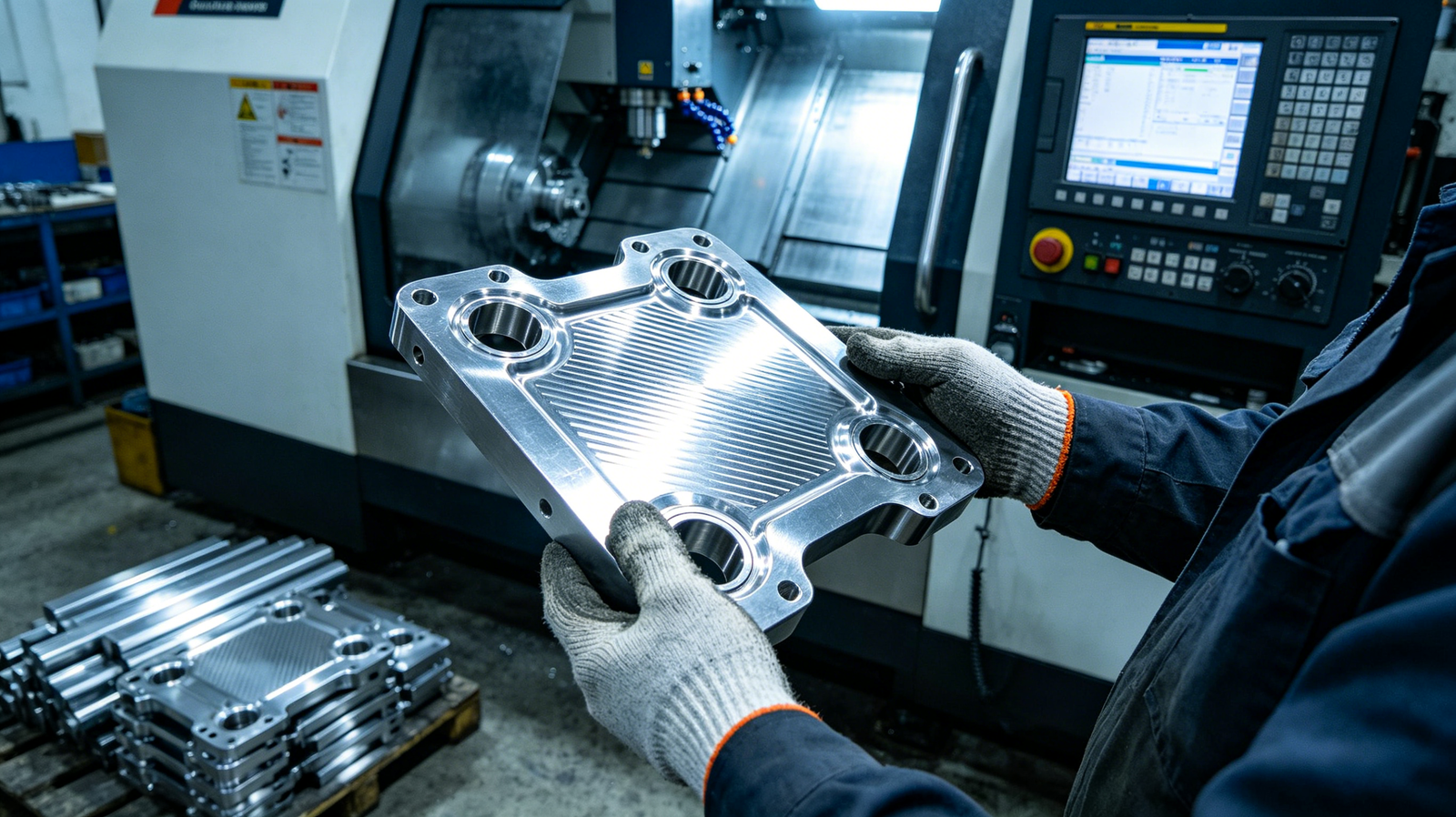
Different automotive components have different manufacturing requirements, and low pressure die casting is not the best solution for every application. Generally, components requiring high strength, good sealing performance, and long-term durability are more suitable for this process. Automotive manufacturers should determine process suitability based on component function and performance requirements rather than simply the product category. At Xiamen RuiCheng, we evaluate customer requirements including 3D models, operating conditions, and performance targets to determine whether low pressure die casting is suitable.
New Energy Vehicle Components: Battery trays, motor housings, and structural components often require both lightweight design and high strength.
Powertrain Components: Transmission housings and related components require excellent heat resistance and fatigue durability.
Safety-Critical Parts: Components related to vehicle safety require strict internal defect control and reliability verification.
High-Reliability Housings: Electronic control module housings require strength, protection, and dimensional stability.
🔧 The correct manufacturing process helps automotive manufacturers reduce quality risks and improve supply chain reliability.
Key Factors for Selecting Low Pressure Die Casting
| Evaluation Factor | Low Pressure Die Casting | High Pressure Die Casting | Sand Casting | CNC Machining |
|---|---|---|---|---|
| Internal Quality | High | Medium | Low | High |
| Mass Production Efficiency | High | High | Low | Medium |
| Large Structure Capability | Excellent | Limited | Excellent | Limited |
| Long-Term Cost Advantage | Strong | Strong | Weak | Higher Material Cost |
If you are evaluating low pressure die casting solutions for automotive components, Xiamen RuiCheng can provide professional engineering recommendations based on part design, material requirements, and production targets. Please contact us for project evaluation support.
How Can a Low Pressure Die Casting Supplier Reduce Automotive Manufacturing Risks?
Automotive component production depends not only on casting equipment but also on supplier engineering capability, mold development experience, and quality management systems. Low pressure die casting projects usually involve multiple stages including simulation analysis, tooling development, trial production, validation testing, and mass production control. Selecting an experienced manufacturing partner helps automotive companies identify potential risks earlier and reduce uncertainty during production ramp-up. Xiamen RuiCheng participates in projects from the early design stage and provides integrated manufacturing support from process evaluation to final production.
1.Engineering Evaluation Capability: Suppliers should analyze wall thickness, filling conditions, and potential defects during product development.
2.Tooling Development Experience: Experienced mold design capability improves trial success rates and reduces development time.
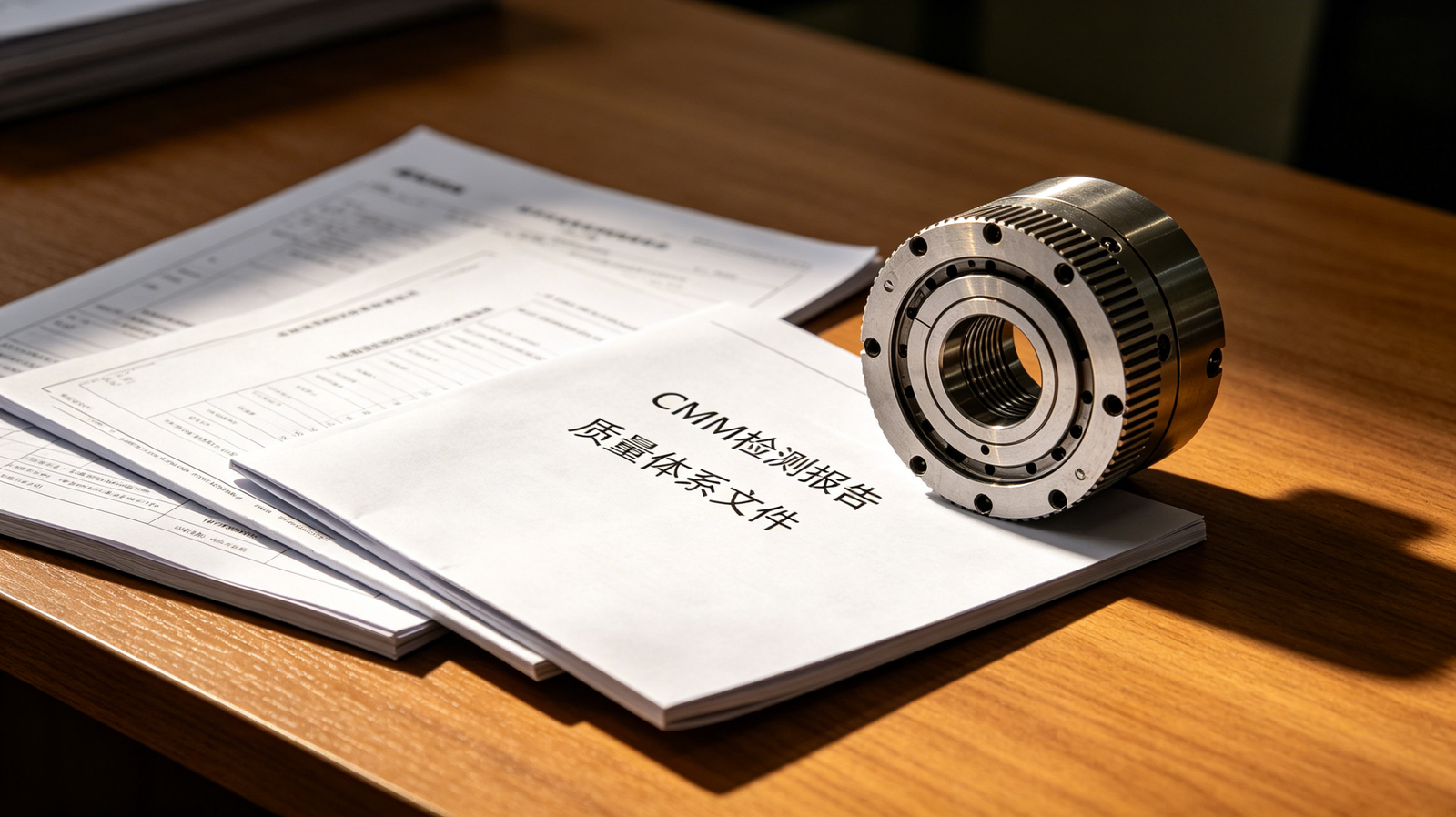
3.Quality Management System: Inspection procedures, material verification, and process monitoring ensure stable production performance.
4.Project Collaboration Ability: Suppliers should quickly respond to design changes and support continuous product improvement.
Low Pressure Die Casting Automotive Parts FAQ
What Are the Main Quality Advantages of Your Low Pressure Die Casting Service?
For automotive applications, Xiamen RuiCheng focuses on casting consistency, dimensional accuracy, and internal quality control. Specific quality standards are evaluated according to customer requirements, including material specifications, inspection requirements, and production validation processes.
What Information Should We Provide Before Requesting a Low Pressure Die Casting Quote?
Customers typically need to provide 3D CAD files, engineering drawings, material requirements, expected production volume, and application conditions. Xiamen RuiCheng reviews these details to perform DFM analysis and recommend suitable manufacturing solutions.
What Is the Difference Between Prototype Production and Mass Production Lead Time?
Prototype projects usually require additional time for tooling verification and process optimization, while stable mass production benefits from optimized production procedures. The actual timeline depends on part complexity, tooling requirements, and order quantity.
How Do You Handle Quality Issues After Delivery?
Professional suppliers should identify root causes through dimensional inspection, material analysis, and production traceability. Xiamen RuiCheng uses quality control procedures to analyze issues and implement corrective actions to reduce future risks.
Can Xiamen RuiCheng Provide Customized Low Pressure Die Casting Solutions?
Yes. Xiamen RuiCheng provides integrated services including product evaluation, mold development, die casting production, and secondary processing. Customized solutions can be developed according to automotive application requirements.
Conclusion
Selecting low pressure die casting for automotive applications requires comprehensive evaluation of component structure, performance requirements, production volume, and supplier capability. Instead of only focusing on manufacturing speed, this process emphasizes internal quality, durability, and long-term production stability. For automotive companies developing reliable lightweight components, choosing the right casting process creates greater value throughout the product lifecycle. Xiamen RuiCheng provides engineering expertise and manufacturing capabilities to support customers from design evaluation through mass production.
For expert assistance in implementing low pressure die casting for your production needs, visit our resource center or contact us. Let’s help you scale up your manufacturing with precision and efficiency!