Introduction
The requirements for automotive die casting parts have evolved from simply meeting dimensional standards to a complete development validation and mass production risk control system. For automotive Tier 1 suppliers and vehicle manufacturers, selecting a die casting supplier with PPAP submission capability is a critical step to ensure successful project launch and stable production.
PPAP is not only a document submission process, but also a comprehensive demonstration of a die casting supplier’s product development, process control, and continuous production capability. As a professional OEM/ODM manufacturer, Xiamen Ruicheng provides complete support from design validation to mass production delivery for automotive component projects through advanced quality systems, engineering support, and production management processes.
PPAP Core Requirements

Before automotive die casting projects enter mass production, suppliers are typically required to submit complete PPAP documentation according to customer requirements, including design records, process flow diagrams, control plans, measurement results, and performance validation reports. Many purchasing companies focus not only on whether documents are complete, but also whether suppliers truly understand the manufacturing risks behind each data point. Excellent die casting suppliers should treat PPAP as a product development management tool rather than simply preparing audit documents. Xiamen Ruicheng applies PPAP process and quality management system requirements to systematically manage mold development, trial production, and mass production stages in automotive projects.
Document Completeness: PPAP files must cover key areas including product design, manufacturing processes, inspection standards, and production capability.
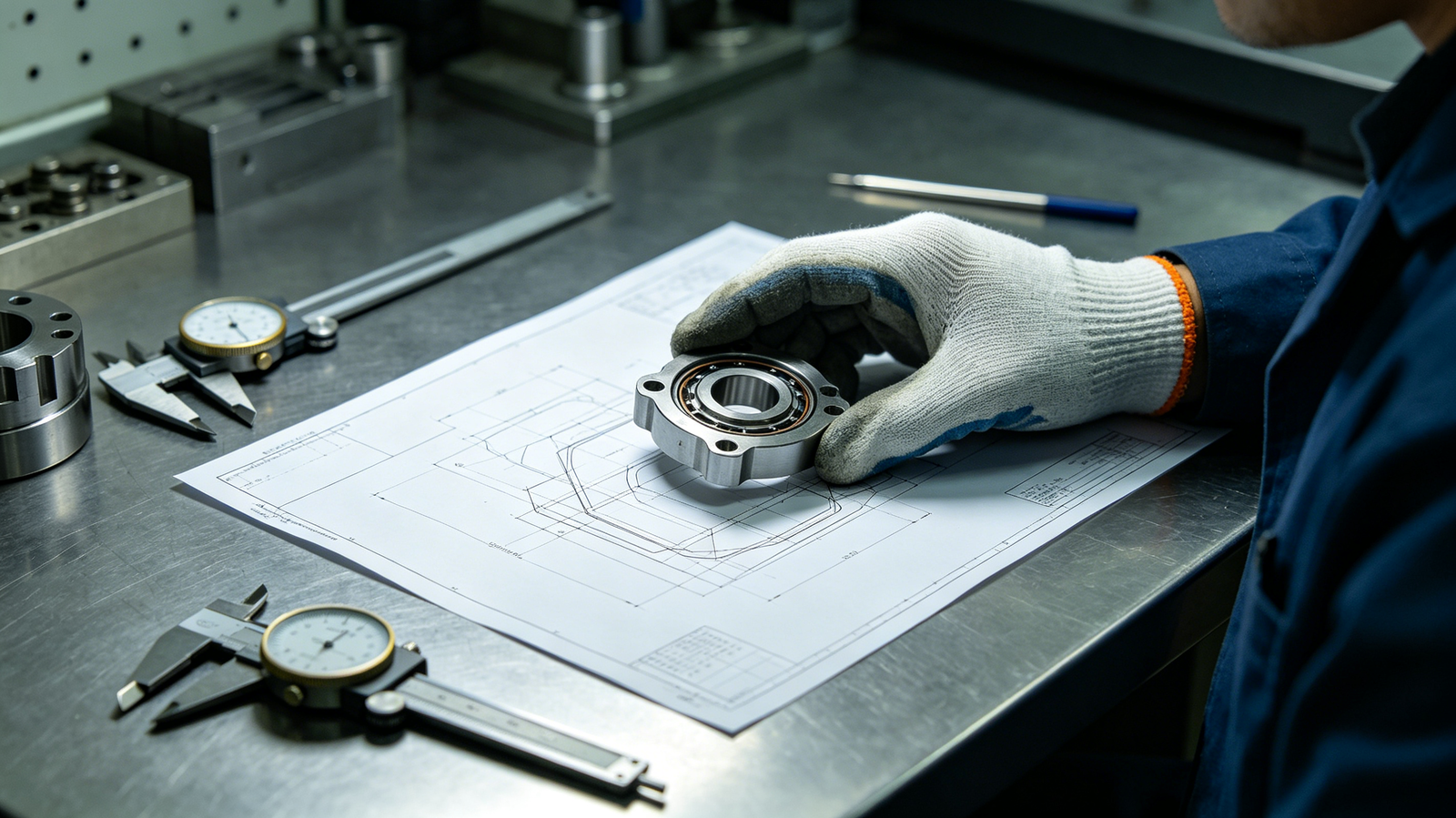
Design Validation: Suppliers need to prove that products meet design requirements through dimensional inspection, material analysis, and performance testing.
Process Control: Critical parameters such as die casting temperature, pressure, material condition, and equipment settings must be consistently recorded.
Continuous Improvement: Quality data after mass production must be continuously analyzed and improved through methods such as SPC to reduce production variation.
🚗 The core value of PPAP is helping automotive customers identify die casting production risks in advance and establish a stable supply foundation.
Document Preparation Challenges

During PPAP preparation, many die casting suppliers overlook the connection between engineering data, such as mold parameters, production records, and inspection reports, which prevents a complete closed-loop quality system. This makes it difficult for customers to determine whether the supplier can consistently reproduce product quality during mass production. PPAP audits focus on whether suppliers have established a traceable and verifiable manufacturing system. Xiamen Ruicheng improves automotive project development efficiency by integrating APQP quality planning with manufacturing processes through standardized project management methods.
Data Consistency: Different PPAP documents must remain consistent to prevent deviations between design data and production data.
Inspection Capability: Suppliers need capabilities for dimensional inspection, material testing, and functional validation.
Process Records: Critical production parameters must be recorded and maintained for long-term traceability.
Customer Communication: Suppliers must quickly provide relevant analysis documents when engineering changes or quality issues occur.
🚘 Complete PPAP management reduces automotive customer supply chain audit pressure and improves project cooperation success rates.
Quality Validation Process

Automotive die casting components require multiple validation stages before mass production, including sample approval, dimensional inspection, performance testing, and production capability evaluation. Without a complete validation process, suppliers may deliver qualified initial samples but still experience dimensional variation, porosity defects, or performance degradation during high-volume production. A quality validation system determines whether die casting parts can successfully transition from prototype stages to long-term stable production. Xiamen Ruicheng provides reliable automotive manufacturing solutions through engineering analysis, inspection equipment, and production process control.
Sample Approval: Initial samples are inspected to confirm product design and manufacturing feasibility.
Dimensional Inspection: Precision measurement equipment is used to verify critical dimensions and tolerance requirements.
Performance Testing: Strength, sealing, and reliability tests are conducted according to customer requirements.
Production Validation: Trial production data confirms whether manufacturing processes can maintain long-term stability.
🚘 A complete validation process helps customers reduce supply chain uncertainty and increase project confidence.
Automotive Die Casting Supplier Capability Comparison
| Evaluation Item | General Supplier | Professional PPAP Supplier | Xiamen Ruicheng Capability | Customer Value |
|---|---|---|---|---|
| PPAP Documentation | Basic Submission | Complete Management | Systematic Support | Reduce Audit Risk |
| Engineering Support | Limited Communication | Development Participation | DFM Collaboration | Reduce Development Issues |
| Quality Control | Final Inspection | Process Control | Full Process Management | Improve Stability |
| Mass Production Capability | Experience-Based | Data-Driven | Standardized Production | Ensure Delivery |
Selecting an automotive die casting partner with complete PPAP management capability can effectively reduce development risks. Get engineering support solutions for automotive component projects through contact us.
Mass Production Risk Control
After automotive parts enter mass production, the biggest challenge is not producing one qualified product, but maintaining consistent quality throughout long-term production. Die casting processes are affected by material batches, equipment conditions, mold wear, and environmental changes, requiring suppliers to establish continuous monitoring systems. Mass production stability is the ultimate goal of PPAP validation and an important factor for automotive customers when selecting suppliers.
1.Process Monitoring: Analyze production data to identify abnormal trends and prevent batch quality issues.
2.Problem Tracking: Establish complete traceability systems to quickly identify material, equipment, and process causes.
3.Supply Assurance: Maintain stable long-term delivery through standardized production processes.
4.Engineering Response: Provide rapid improvement solutions for design changes or quality feedback.
FAQ
Q1: What PPAP documents should automotive die casting suppliers provide?
A: Suppliers typically need to provide design records, process flow diagrams, control plans, dimensional inspection reports, material reports, and performance validation documents according to customer requirements. The specific content depends on project requirements.
Q2: What should be the top consideration when selecting a PPAP supplier?
A: Purchasing companies should evaluate not only document completeness but also whether suppliers have stable production capability, quality systems, engineering support capabilities, and long-term project management experience.
Q3: How can automotive die casting projects enter mass production faster?
A: Providing complete product information in advance, defining quality standards clearly, and selecting suppliers with PPAP experience can reduce communication costs and shorten validation cycles.
Q4: What should be done if quality issues occur during mass production?
A: Suppliers need to identify problem sources through traceability systems and apply quality analysis methods to develop corrective actions, ensuring issues do not happen repeatedly.
Q5: Does Xiamen Ruicheng support automotive die casting project development?
A: Xiamen Ruicheng provides one-stop manufacturing support including product analysis, mold development, trial production validation, and mass production manufacturing to help customers reduce supply chain complexity.
Conclusion
PPAP requirements have become an essential capability standard for automotive die casting suppliers entering advanced supply chains. They represent not only document management capability but also overall manufacturing capability. When selecting suppliers, automotive customers should focus on engineering collaboration, quality systems, and mass production stability.Choosing a manufacturing partner with PPAP management experience can help companies reduce development risks and improve the success rate of automotive component projects. Xiamen Ruicheng continuously provides reliable OEM manufacturing services for global automotive customers through professional manufacturing capabilities and quality management systems.
For expert assistance in implementing PPAP requirements for your automotive die casting production needs, visit our resource center or contact us. Let’s help you scale up your manufacturing with precision and efficiency!