Why Does Porosity Control Affect the Long-Term Reliability of Automotive Die Cast Parts?
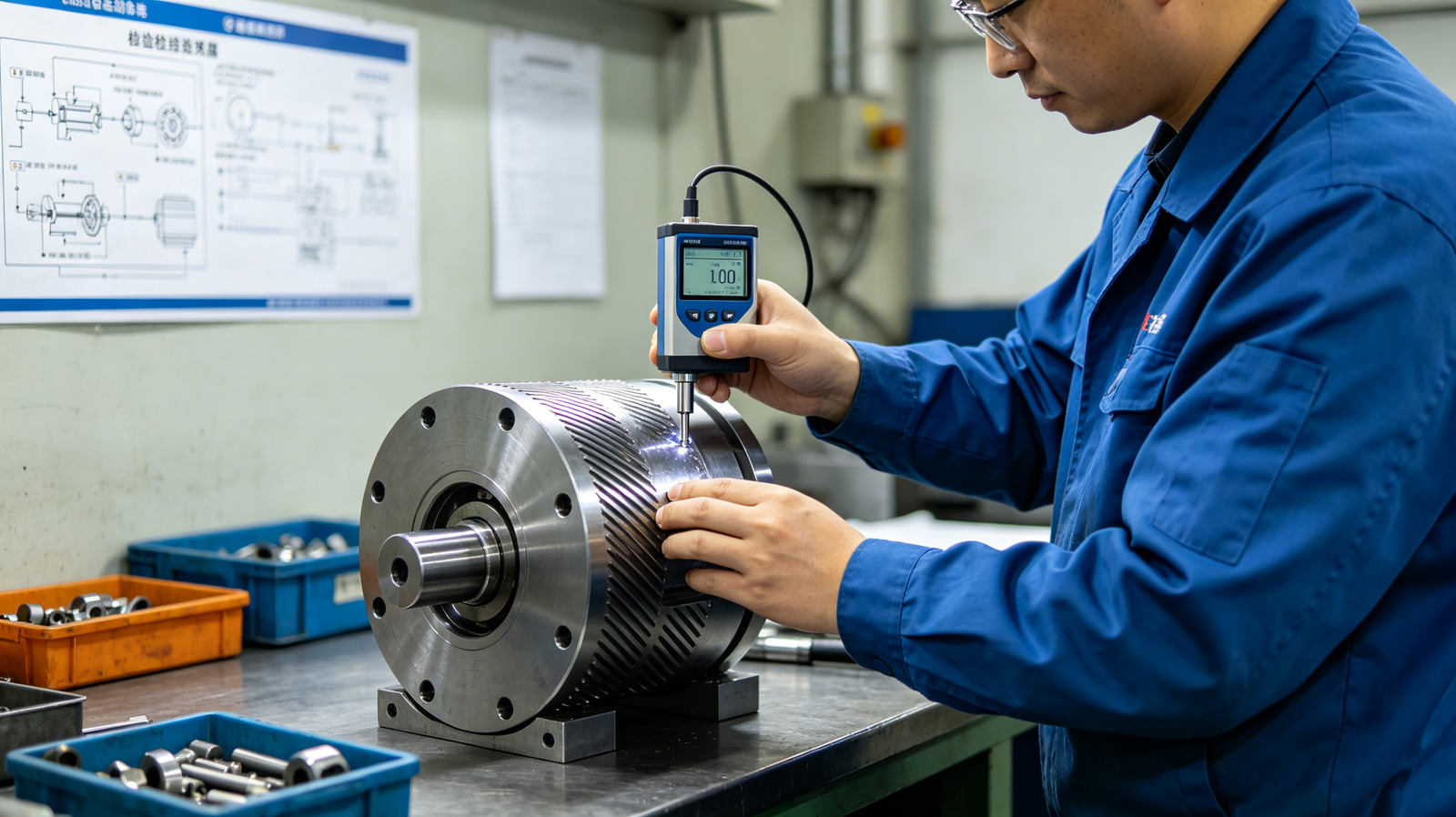
The automotive industry is continuously increasing requirements for lightweight design, high strength, and long-term durability of components. Die casting parts are now widely used in new energy vehicle structural components, power system parts, and complex functional housings. However, internal porosity issues are often hidden inside the components and cannot be identified through simple visual inspection, yet they may significantly affect fatigue life, sealing performance, and structural safety.Porosity control is not simply defect management, but a critical quality factor that determines whether automotive die casting components can achieve stable mass production. When die cast parts are required to withstand long-term vibration, thermal cycling, and complex mechanical loads, internal gas pores, shrinkage cavities, and inclusions can become potential failure sources.
Xiamen Ruicheng, as an OEM/ODM custom manufacturing service provider, has long served customers in automotive components, industrial equipment, and precision structural parts. Through process optimization, quality inspection, and production control systems, we help customers reduce mass production risks. From mold design to die casting parameter management, we focus not only on the qualification of individual samples but also on the stability of the entire production process.
Why Are Automotive Die Casting Parts Prone to Internal Porosity?
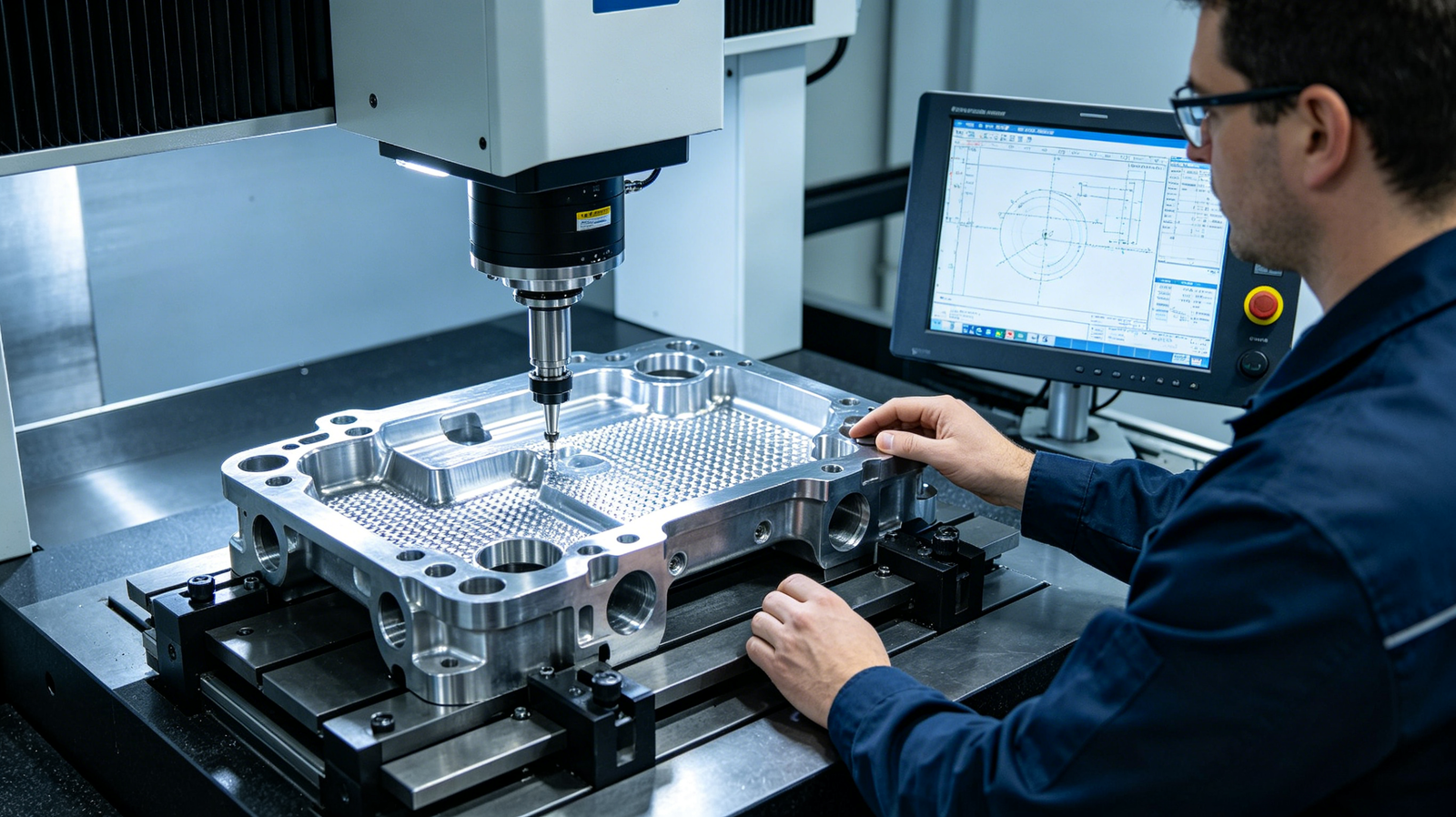
During high-speed filling and rapid cooling processes, automotive die casting parts require precise control of metal flow, gas evacuation, and solidification shrinkage. If process parameters are not properly managed, gas residues or shrinkage voids can easily form inside the molten metal, ultimately affecting mechanical performance and service life. Internal porosity reduces the load-bearing capacity of die casting parts and increases failure risks during long-term automotive operation. Die casting manufacturing usually requires systematic analysis based on die casting process control methods and metal casting defects analysis standards to identify defect sources.
Gas Entrapment Issues: When air cannot be effectively removed during high-speed filling, dispersed gas pores may form and reduce material density.
Solidification Shrinkage Issues: Uneven cooling rates in thick-wall areas can create internal shrinkage cavities, affecting structural strength.
Mold Design Influence: Poor design of gate locations, overflow systems, and venting structures can increase the probability of gas retention.
Material and Parameter Matching: Alloy composition, injection speed, and temperature control all influence final internal quality.
🔧 The foundation of automotive die casting reliability comes from accurately controlling the causes of porosity formation rather than relying on post-production inspection and sorting.
How Can Process Optimization Reduce Porosity Risks in Die Casting Parts?
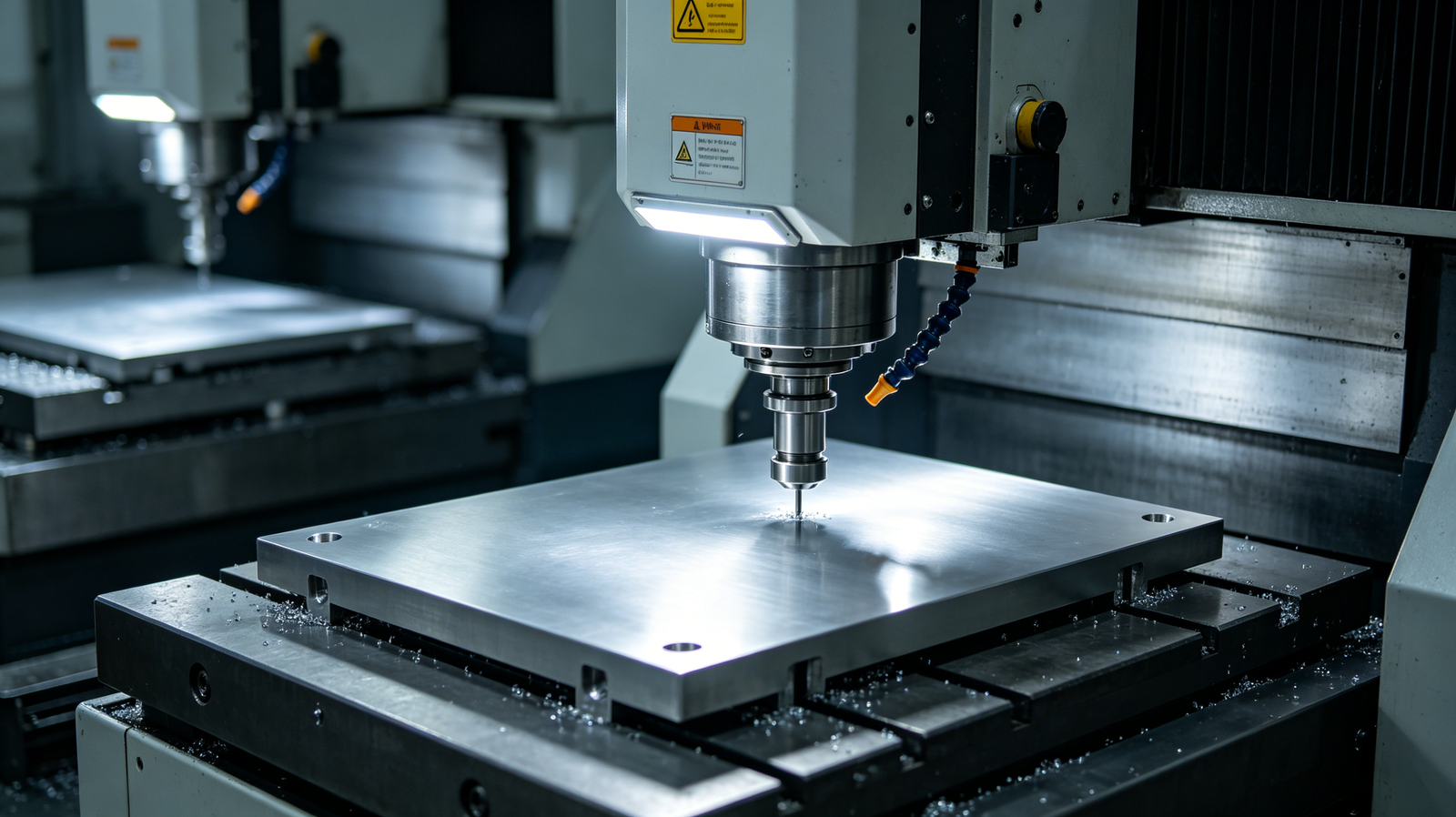
Reducing porosity levels in automotive die casting parts requires simultaneous optimization across product design, mold development, production parameters, and inspection systems. Adjusting only a single production parameter is usually insufficient to solve complex defect issues. Therefore, suppliers need comprehensive engineering analysis capabilities. Stable die casting quality comes from full-process control rather than inspection after production completion. During project development, Xiamen Ruicheng combines DFM analysis, mold evaluation, and production validation to help customers identify potential mass production risks in advance, while referring to automotive manufacturing quality systems to establish stable manufacturing processes.
Mold Venting Optimization: Proper venting channels and overflow structures reduce air entering the molten metal.
Injection Parameter Adjustment: Controlling high-speed injection stages and pressure improves metal filling stability.
Vacuum Die Casting Application: For high-sealing and high-strength automotive parts, vacuum assistance can reduce porosity levels.
Process Monitoring System: Using SPC data analysis to continuously monitor production variation and improve batch consistency.
🔧 Through engineering-based process optimization, suppliers can reduce porosity at the source and improve the long-term reliability of automotive components.
How to Verify Whether Die Casting Porosity Control Meets Automotive Requirements?
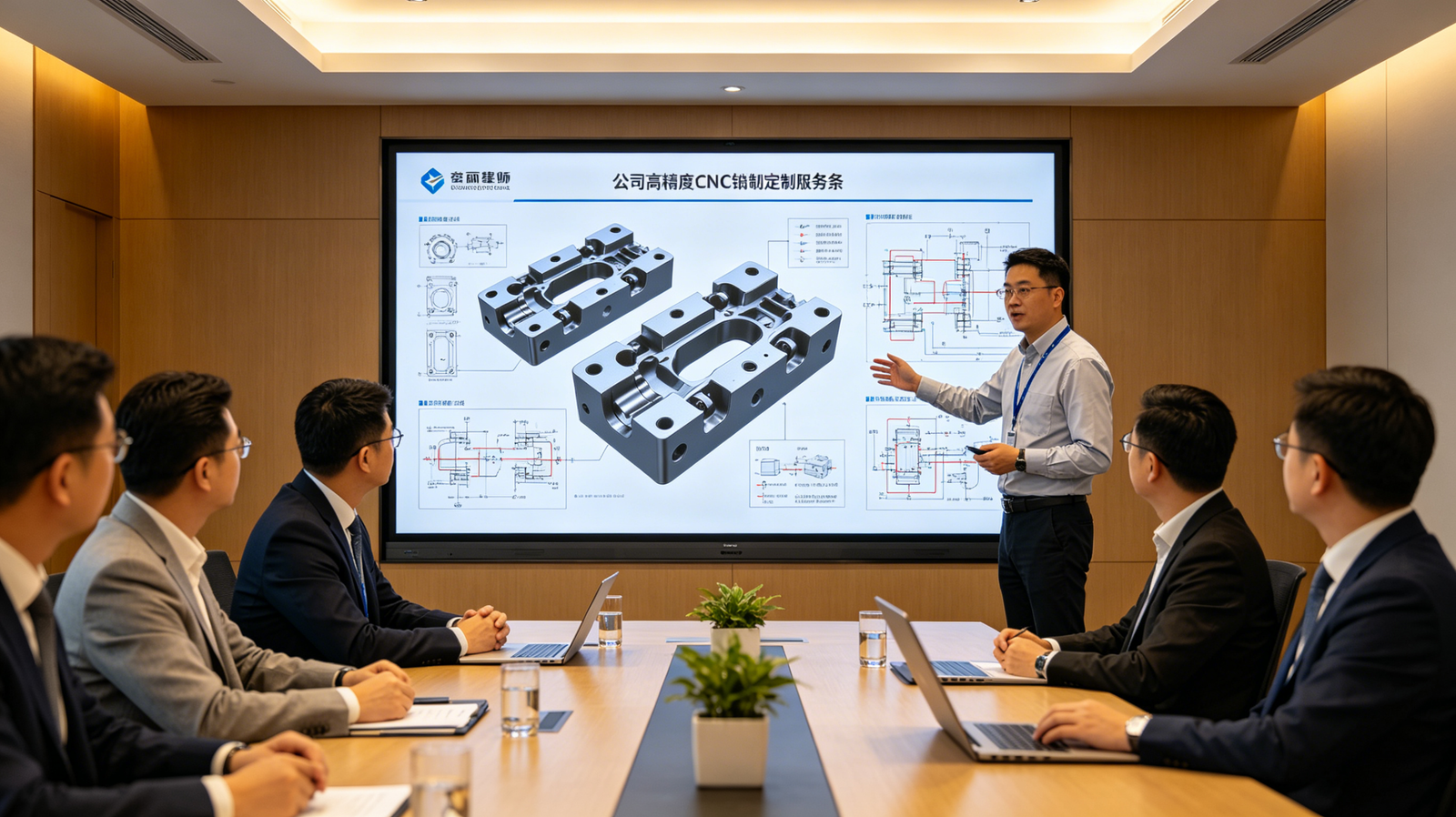
Automotive supply chains have increasingly strict quality validation requirements. Visual inspection alone cannot determine internal porosity conditions. Suppliers need to combine non-destructive testing, dimensional verification, and process data analysis to comprehensively evaluate internal part quality. A reliable validation system helps customers identify hidden risks before mass production and avoid future recall and maintenance costs. For complex automotive component projects, Xiamen Ruicheng combines engineering validation procedures and customer standards, using professional inspection methods such as X-ray inspection to analyze internal structural conditions.
X-ray Inspection: Uses internal imaging technology to identify pore distribution and defect locations.
Density Testing: Evaluates material compactness and determines overall die casting quality.
Mechanical Performance Testing: Validates component load capacity through tensile testing, fatigue testing, and other methods.
Mass Production Data Tracking: Uses SPC management to ensure consistent performance across production batches.
🔧 A complete inspection system transforms invisible risks into manageable data, improving automotive die casting supply chain reliability.
Comparison of Automotive Die Casting Porosity Control Methods
| Control Method | Main Function | Suitable Application | Reliability Impact |
|---|---|---|---|
| Conventional Die Casting | Basic forming process | General structural parts | Medium |
| Vacuum Die Casting | Reduces gas porosity | High-strength components | High |
| Process Optimization | Improves filling stability | Complex structural parts | High |
| Inspection Control | Risk screening | Automotive mass production projects | Very High |
If your automotive die casting project is facing internal defects, batch stability issues, or supplier evaluation challenges, Xiamen Ruicheng can provide one-stop support from process analysis to mass production control. Contact us through contact us to receive a professional solution.
How to Select an Automotive Die Casting Supplier with Porosity Control Capability?
When selecting an automotive die casting supplier, companies should not only focus on quotation and sample performance but also evaluate whether the supplier has the capability to solve long-term mass production challenges. Automotive components usually require strict validation processes. A sample that performs well during early development may still experience quality fluctuations during large-scale production without a stable manufacturing system. The core value of an excellent supplier is helping customers reduce manufacturing risks rather than simply completing part production.
1.Evaluate Engineering Capability: Whether the supplier can participate in product optimization and provide DFM recommendations to reduce manufacturing risks.
2.Review Quality Systems: Whether the supplier has ISO systems, process control methods, and complete inspection procedures to ensure batch consistency.
3.Consider Manufacturing Experience: Whether the supplier has experience with automotive parts, complex structures, and high-requirement projects.
4.Confirm Supply Chain Capability: Whether the supplier can provide integrated manufacturing support from tooling, die casting, and secondary processing.
FAQ: Common Questions About Automotive Die Casting Porosity Control
Question 1: What is your porosity control standard for automotive die casting parts?
Answer: Xiamen Ruicheng develops corresponding quality control solutions based on different automotive application requirements. We control porosity risks through mold design optimization, production parameter management, and internal inspection methods, while validating performance according to customer requirements.
Question 2: We plan to purchase automotive die casting parts. What information should we provide?
Answer: Customers usually need to provide 3D CAD files, material requirements, application environment, performance specifications, and annual purchasing plans. The Xiamen Ruicheng engineering team will conduct process analysis and manufacturing evaluation based on the provided information.
Question 3: What is the delivery cycle for automotive die casting projects with different production volumes?
Answer: Project timelines vary depending on mold complexity, production quantity, and validation requirements. Prototype production and large-scale manufacturing use different project management approaches to ensure development efficiency and supply stability.
Question 4: How do you handle quality issues with die casting parts?
Answer: Xiamen Ruicheng uses quality traceability, root cause analysis, and corrective actions to identify problem sources. Based on inspection data, we develop improvement plans to ensure future production meets customer requirements.
Question 5: Can you optimize die casting solutions for special automotive applications?
Answer: Yes. Xiamen Ruicheng supports customized optimization based on product structure, operating environment, and performance requirements, including material selection, process adjustment, and manufacturing solution improvement.
Conclusion
The reliability of automotive die casting parts depends not only on material strength but also on systematic control of porosity risks throughout the manufacturing process. From mold design and production parameters to quality validation, every stage influences final component performance.For automotive manufacturers, selecting suppliers with engineering analysis capabilities and stable mass production experience is an important approach to reducing product lifecycle risks.Xiamen Ruicheng helps global customers achieve more stable and efficient automotive component supply through precision manufacturing capabilities, quality management systems, and project development experience.
For expert assistance in implementing automotive die casting solutions for your production needs, visit our resource center or contact us. Let’s help you scale up your manufacturing with precision and efficiency!