Introduction
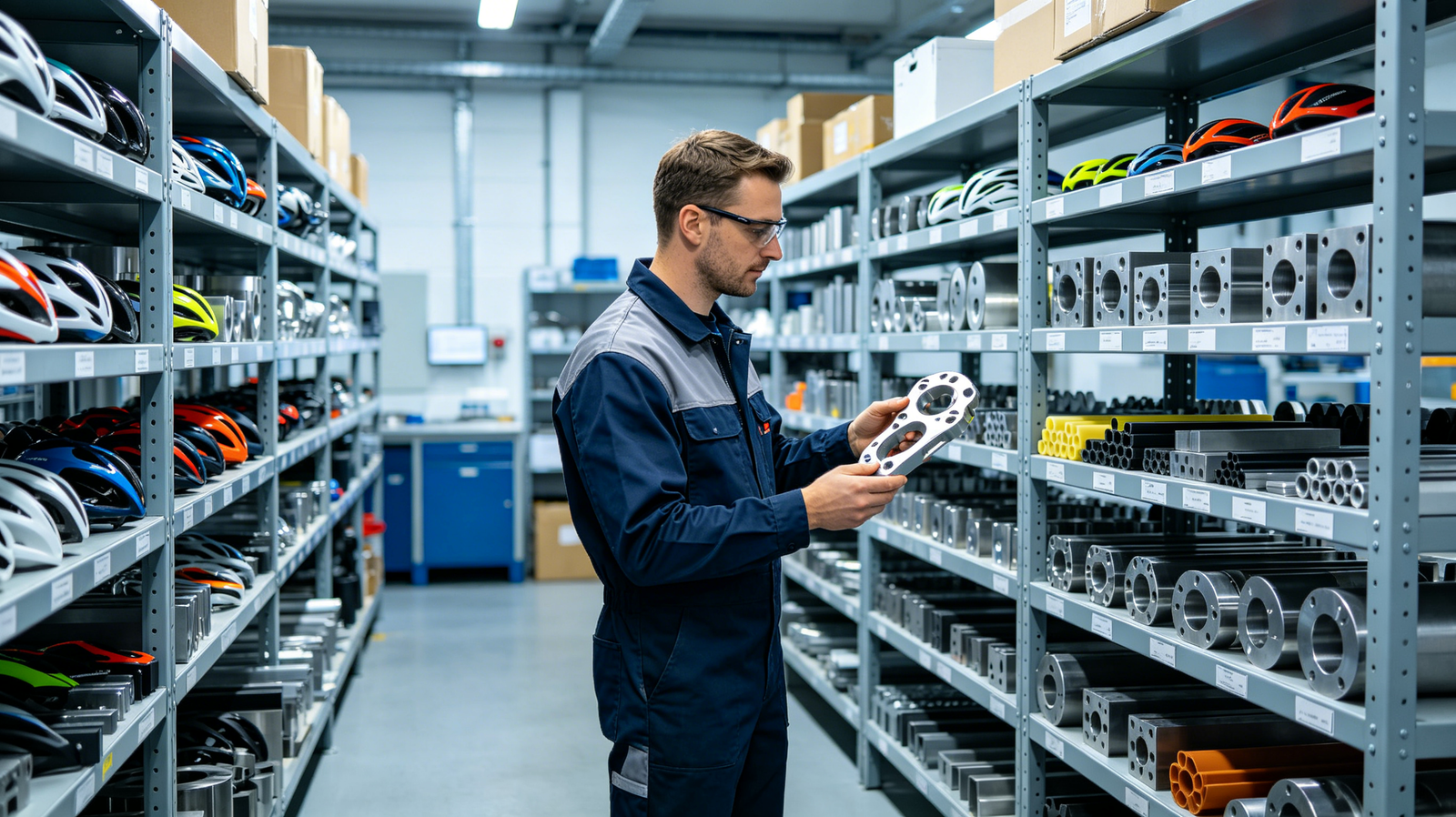
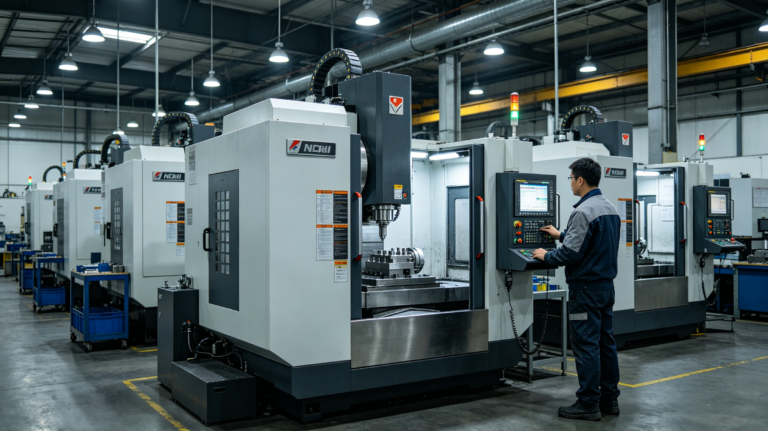
In the manufacturing of aerospace components, medical devices, automotive functional parts, and high-end industrial components, complex parts often involve multi-surface geometries, limited machining spaces, and strict precision requirements. Traditional three-axis machining is often restricted by multiple setups and limited tool access, which can result in dimensional deviations and inconsistent surface quality. 5 axis CNC machining uses multi-axis movement to allow cutting tools to approach workpieces from multiple angles, improving machining consistency for complex structures. Improving complex part accuracy depends not only on equipment capability but also on the integration of machining strategy and engineering experience.
Xiamen Ruicheng applies 5 axis machining technology, process planning, and quality inspection systems in precision part manufacturing projects to solve accuracy control challenges for complex components. Compared with relying only on high-precision machines, a stable manufacturing process provides better consistency in mass production. Reliable precision comes from comprehensive control of design analysis, machining processes, and inspection systems.
Why Can 5 Axis CNC Machining Improve Complex Part Accuracy?
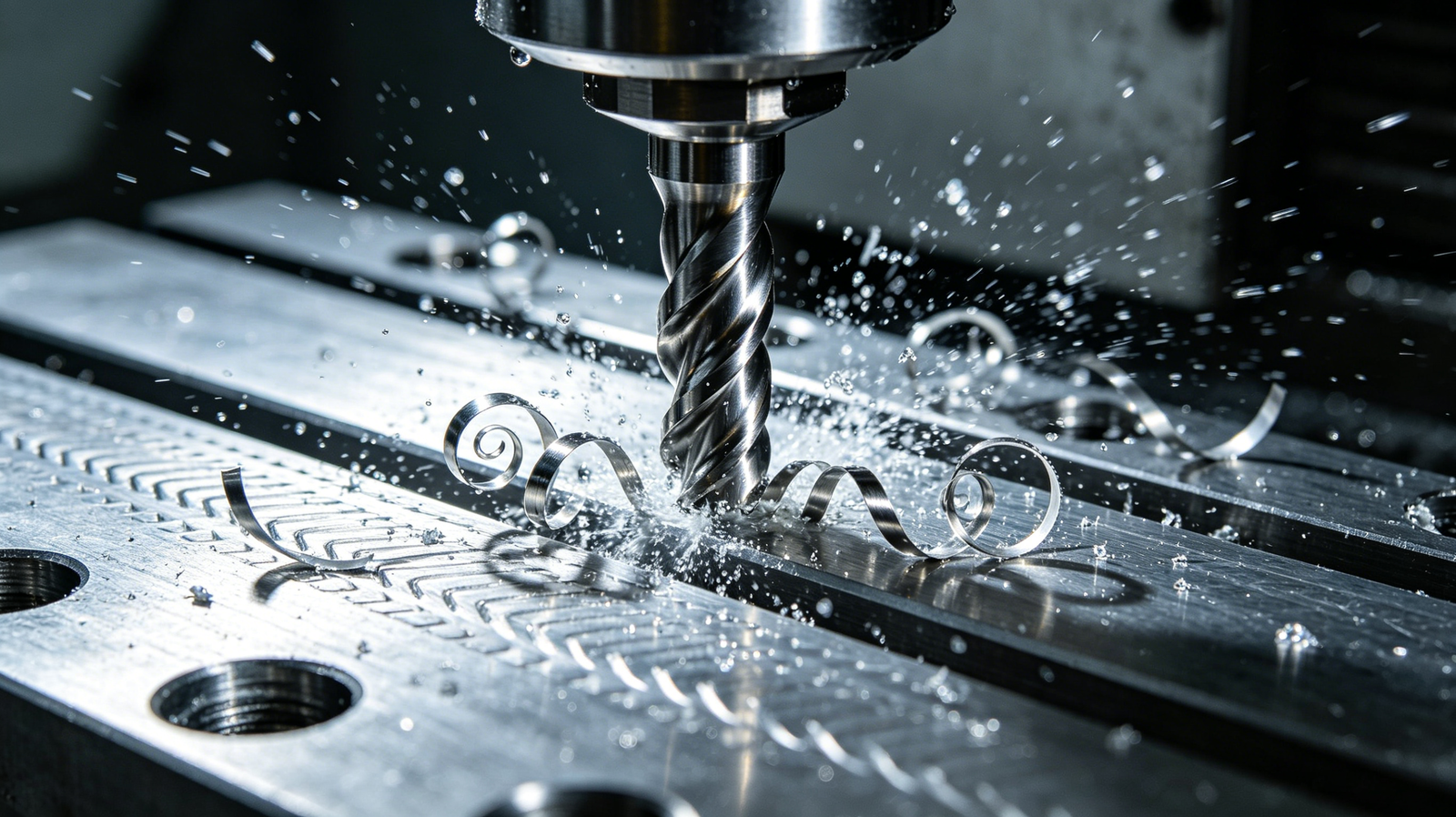
5 axis CNC machining combines three linear axes (X, Y, Z) with two rotary axes (A and B) to achieve coordinated movement, allowing cutting tools to maintain more suitable cutting angles and reducing positioning errors caused by repeated setups. Xiamen Ruicheng combines 5 Axis CNC Machining and Computer Numerical Control technologies to optimize the manufacturing of complex surfaces, deep cavities, and high-precision components. Reducing setup errors is one of the key reasons why five-axis machining improves part accuracy.
Reduce Setup Errors: Completing multiple machining directions in a single setup minimizes dimensional deviations caused by repositioning.
Optimize Tool Paths: Multi-axis movement enables better cutting conditions and improves machining stability.
Improve Surface Quality: Continuous machining reduces tool marks and improves complex surface consistency.
Enhance Machining Consistency: Standardized CNC programs help maintain stable accuracy during batch production.
📌 The core value of five-axis machining is not simply adding more axes, but reducing accumulated errors during complex manufacturing processes.
How Does 5 Axis Machining Solve Complex Structure Manufacturing Challenges?
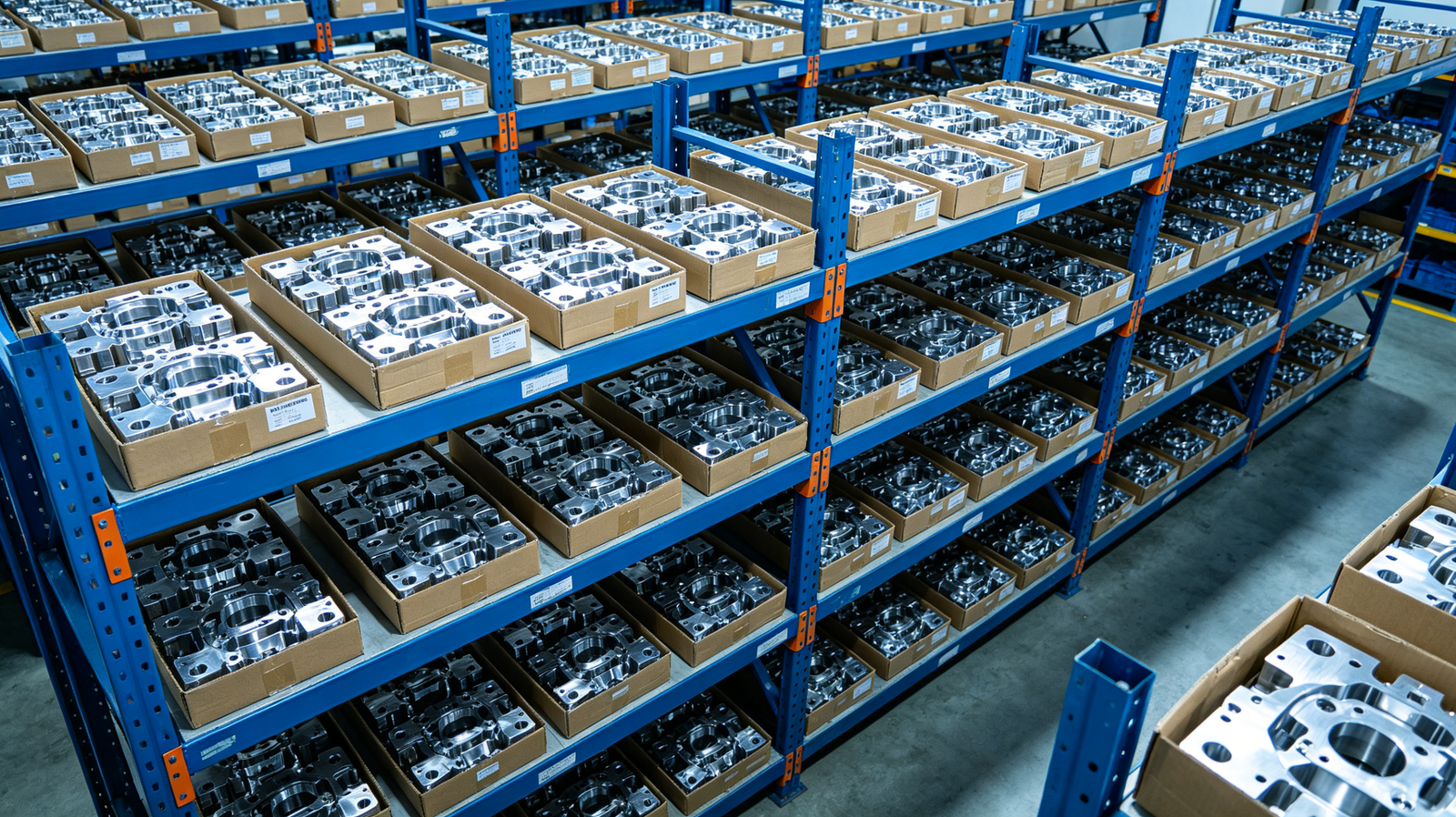
Complex parts often include angled holes, freeform surfaces, deep cavities, and high-precision fitting areas. These features are difficult to manufacture with traditional methods due to tool interference, inaccessible areas, and repeated positioning errors. Xiamen Ruicheng uses CAD/CAM programming and machining simulation to analyze tool movement paths before production, reducing risks during actual manufacturing. The key to complex part machining is not single cutting capability, but complete process planning capability.
Reduce Machining Dead Zones: Five-axis machines adjust tool orientation to improve accessibility in difficult-to-machine areas.
Lower Deformation Risks: Proper cutting direction and force control reduce deformation in thin-wall structures.
Improve Dimensional Matching: Continuous machining minimizes accumulated errors between multiple operations.
Increase Design Freedom: Supports complex geometries that are difficult to manufacture with conventional equipment.
📌 Complex parts are not impossible to manufacture; they require the right machining strategy.
How Does 5 Axis CNC Machining Maintain Long-Term Production Accuracy?
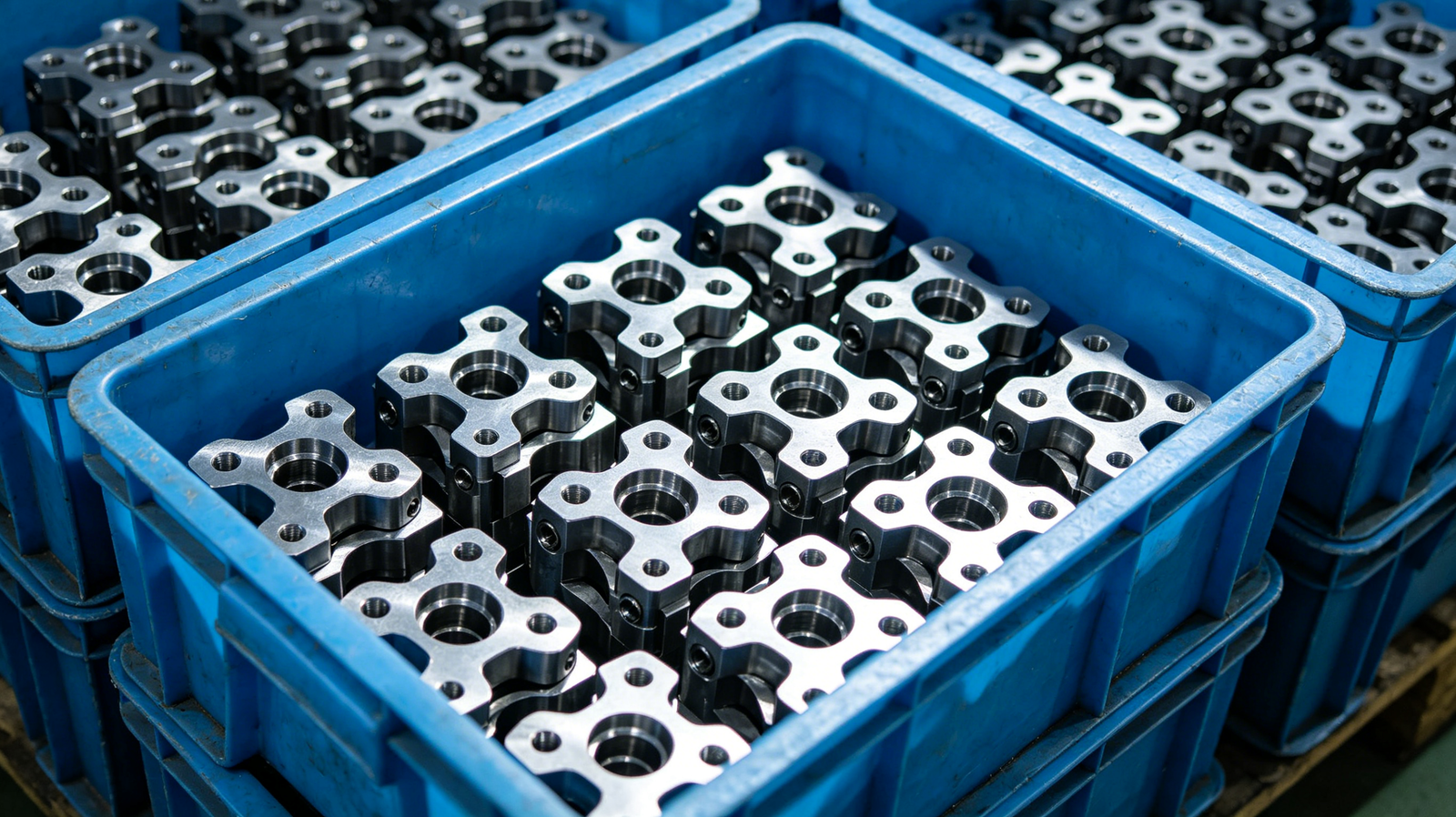
In precision manufacturing projects, achieving accuracy in a single machining operation does not guarantee production capability. Long-term stable manufacturing requires machine condition management, process parameter control, and inspection procedures. Xiamen Ruicheng uses process monitoring and Coordinate Measuring Machine inspection methods to continuously verify critical dimensions. Stable process control determines the final quality performance of complex parts in mass production.
Machine Accuracy Management: Regular machine calibration ensures stable machining references.
Parameter Optimization Control: Cutting speed, feed rate, and tooling strategies are adjusted according to material characteristics.
Process Quality Inspection: Inspection data helps identify machining deviations at an early stage.
Batch Consistency Verification: First article inspection and process checks reduce production variation.
📌 High-precision manufacturing requires not only machining capability but also continuous quality management.
Comparison of 5 Axis Machining and Traditional Manufacturing Methods
| Comparison Item | 3 Axis Machining | 4 Axis Machining | 5 Axis Machining | Application Impact |
|---|---|---|---|---|
| Machining Direction | Mainly single direction | Multi-angle machining | Continuous multi-face machining | Improves complex geometry capability |
| Setup Frequency | Higher | Medium | Lower | Reduces positioning errors |
| Surface Machining | Limited | Improved | Excellent | Enhances surface quality |
| Part Complexity | Standard structures | Medium complexity | Highly complex parts | Expands application range |
If your complex parts require higher machining accuracy, stable delivery capability, and professional process evaluation, contact Xiamen Ruicheng through contact us to receive engineering support.
How Should You Evaluate a 5 Axis CNC Machining Supplier?
When selecting a five-axis machining supplier, purchasing teams should evaluate not only the number of machines available but also whether the supplier has capabilities in complex part analysis, process optimization, and quality control. Xiamen Ruicheng develops machining solutions based on drawing requirements, material characteristics, and production goals during project development to help customers reduce manufacturing risks. An excellent machining supplier provides more than machining services; it delivers a complete manufacturing solution.
1.Evaluate Equipment Capability: Confirm whether the supplier has suitable five-axis machining equipment and technical experience for complex parts.
2.Verify Engineering Capability: Understand whether the supplier can provide DFM analysis and machining optimization recommendations.
3.Review Quality Systems: Check whether complete dimensional inspection and process control systems are available.
4.Assess Delivery Capability: Evaluate whether the supplier can support prototype development and long-term mass production requirements.
FAQ: Common Questions About 5 Axis CNC Machining
Question 1: What are the key advantages of your 5 axis CNC machining service?
Answer: Xiamen Ruicheng combines five-axis equipment capability, engineering experience, and quality inspection systems to achieve high-precision machining for complex parts and develop suitable manufacturing solutions based on customer requirements.
Question 2: What information do we need to provide to start a 5 axis machining project?
Answer: Customers typically need to provide 3D models, 2D drawings, material requirements, quantity expectations, and surface treatment specifications. Xiamen Ruicheng will analyze the information for process planning and quotation evaluation.
Question 3: What are the MOQ and lead time for five-axis machining parts?
Answer: MOQ and delivery time depend on part complexity, machining requirements, and production volume. Prototype projects and mass production orders can be planned according to specific customer needs.
Question 4: How do you handle dimensional deviations in machined parts?
Answer: Xiamen Ruicheng uses inspection records, machining data analysis, and engineering reviews to identify root causes and develop corrective solutions such as process optimization or rework when necessary.
Question 5: Do you support custom complex part development?
Answer: Xiamen Ruicheng supports complete services from process analysis and machining strategy development to mass production, providing customized solutions based on material, structure, and precision requirements.
Conclusion
The core advantage of 5 axis CNC machining in improving complex part accuracy lies in reducing positioning errors and optimizing tool paths to achieve a more stable manufacturing process. For high-demand components, equipment capability is only the foundation; engineering experience and quality control systems determine the final delivery performance. Selecting a supplier with complete machining capabilities can effectively reduce risks during complex part development and mass production.Xiamen Ruicheng provides one-stop precision machining support from prototype development to volume manufacturing through five-axis machining technology, engineering analysis, and inspection systems, helping customers achieve more efficient and reliable part production.
For expert assistance in implementing solutions for your production needs, visit our resource center or contact us. Let’s help you scale up your manufacturing with precision and efficiency!