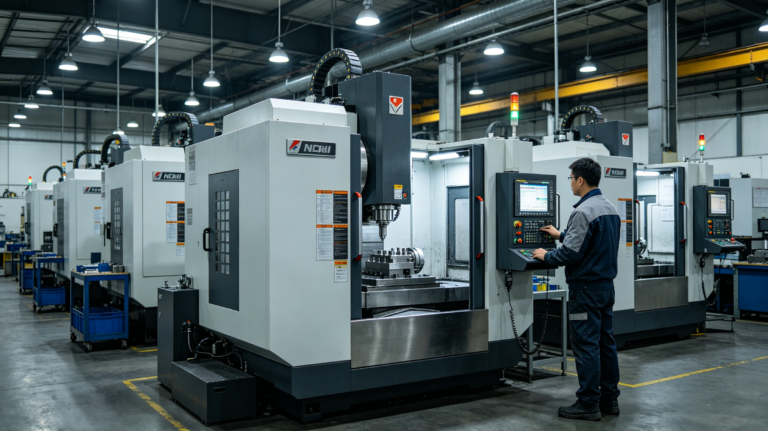
Introduction
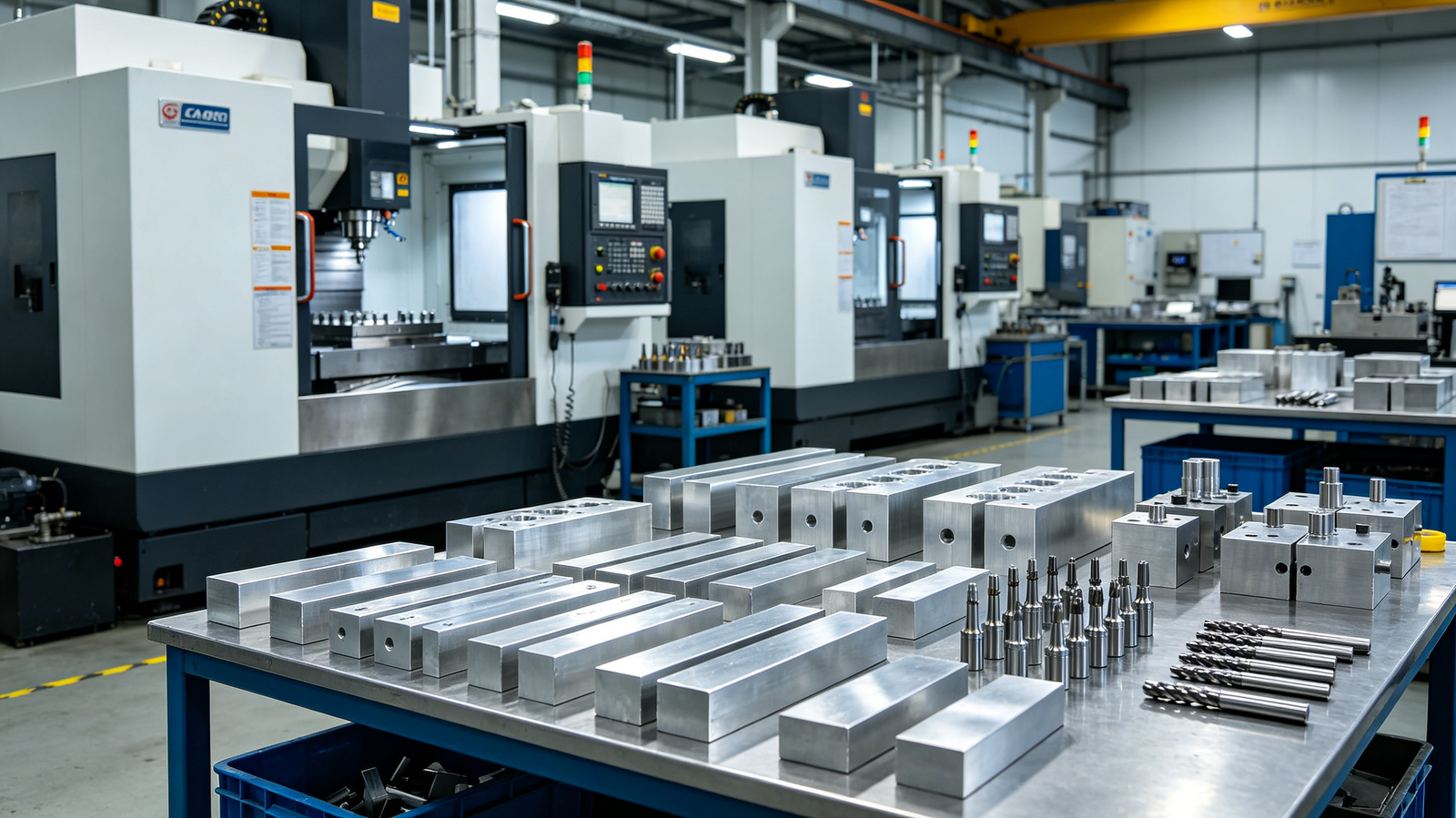
In CNC machined part development, selecting the right aluminum alloy directly determines structural performance, machining stability, and total project cost. 6061, 7075, and 2024 represent three different performance tiers, each suited for distinct engineering scenarios. Incorrect material selection often introduces higher project risk than machining errors themselves.
For automotive components, UAV structures, and industrial equipment housings, material choice affects not only strength but also production consistency and scalability. At Xiamen Ruicheng, material selection is integrated into early-stage engineering review to reduce downstream manufacturing risks. Material decisions are essentially supply chain risk decisions.
What Defines the Choice Between 6061, 7075, and 2024?
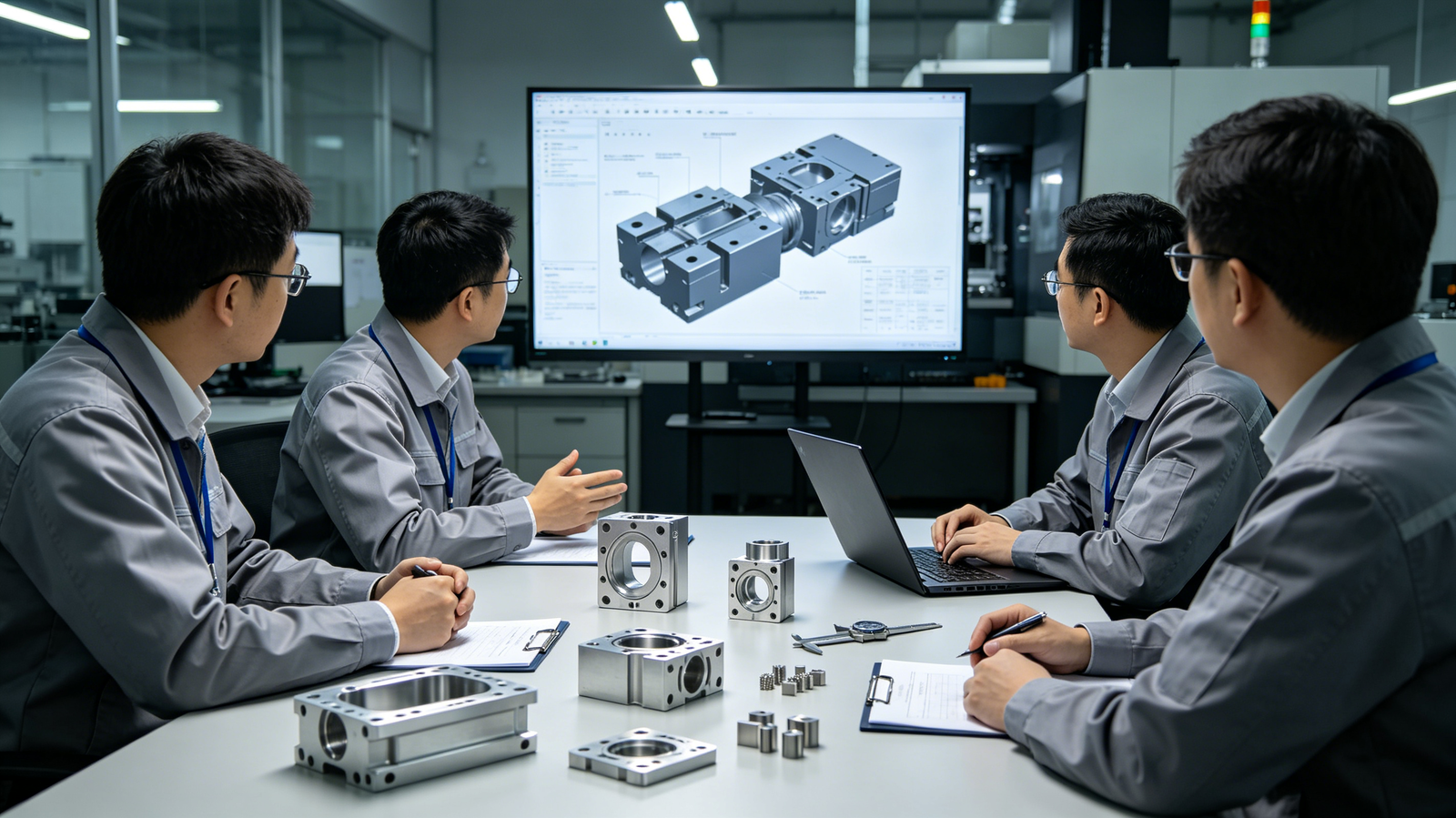
In CNC machining, different aluminum alloys define different machining windows and structural boundaries. 6061 is widely used for general structural components, 7075 is selected for high-load applications, and 2024 is preferred for fatigue-critical environments. At Xiamen Ruicheng, engineers evaluate load conditions, cost targets, and delivery constraints before final material confirmation. Material selection is not comparison—it is application matching.
Load Requirement Analysis: High-stress structures typically require 7075 or 2024 to avoid deformation failure.
Cost Optimization Factors: 6061 provides the most balanced cost-to-performance ratio for mass production.
Machining Complexity Impact: 7075 increases tool wear and requires tighter process control.
Application Matching Logic: Aerospace, automotive, and industrial use cases require different material priorities.
📌 The goal is not choosing the strongest alloy, but the most suitable one.
Why Is 7075 Preferred for High-Strength CNC Parts?
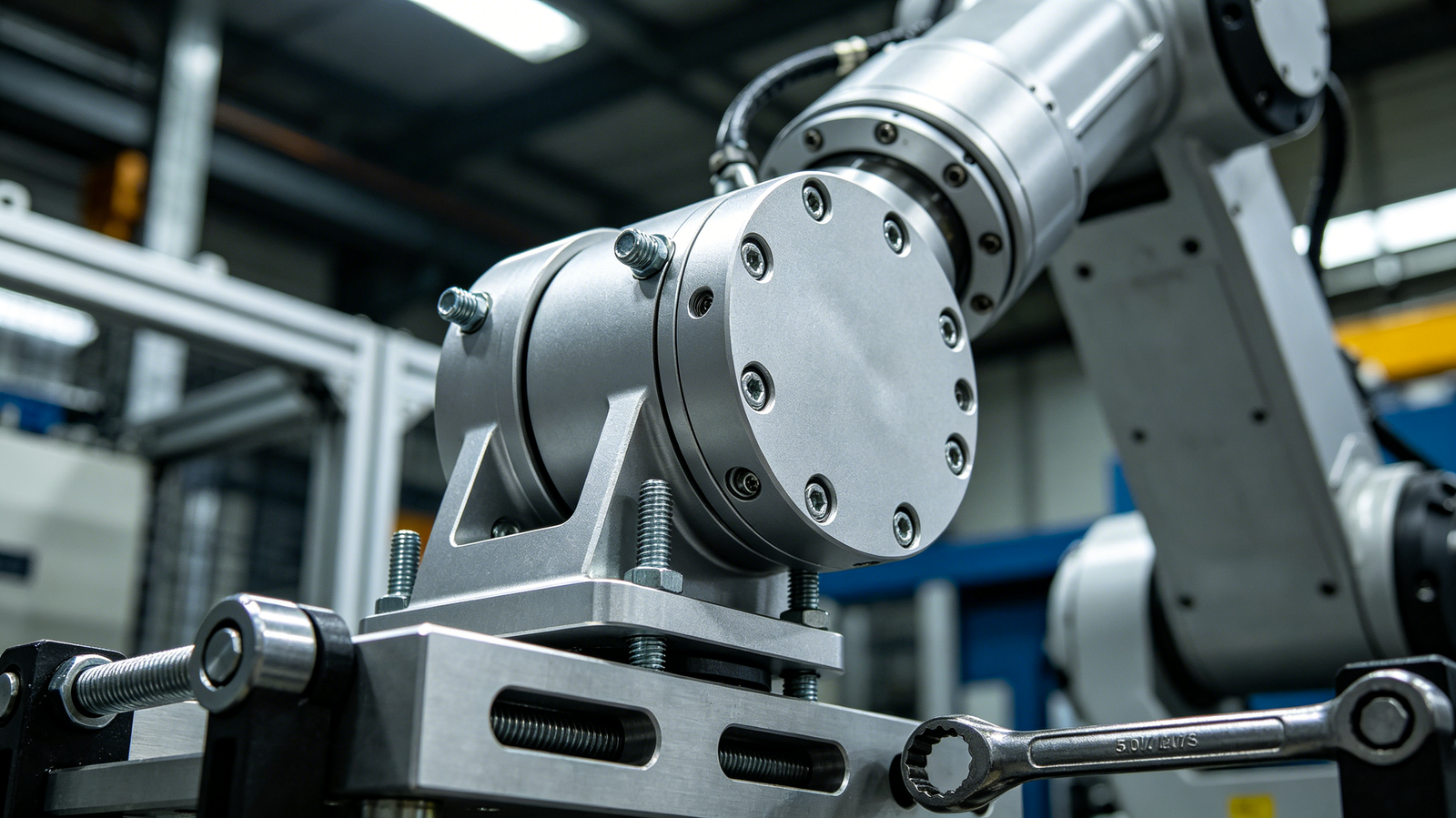
7075 aluminum alloy is a zinc-based high-strength material widely used in load-bearing structural components. Compared with 6061 and 2024, it delivers significantly higher tensile strength but requires stricter machining control and higher cost. In aluminum alloy engineering systems, 7075 is considered a performance-critical material. Its value lies in extreme strength, not general usability.
Superior Strength Performance: Suitable for high-load structural and aerospace-grade applications.
Strict Machining Requirements: Requires optimized tool paths and cooling strategies.
Higher Production Cost: Material cost and machining cost are both significantly higher than 6061.
Critical Component Usage: Common in UAV frames, aerospace brackets, and high-stress mechanical parts.
📌 7075 is a performance solution, not a universal material.
Why Is 2024 Common in Fatigue-Critical Applications?
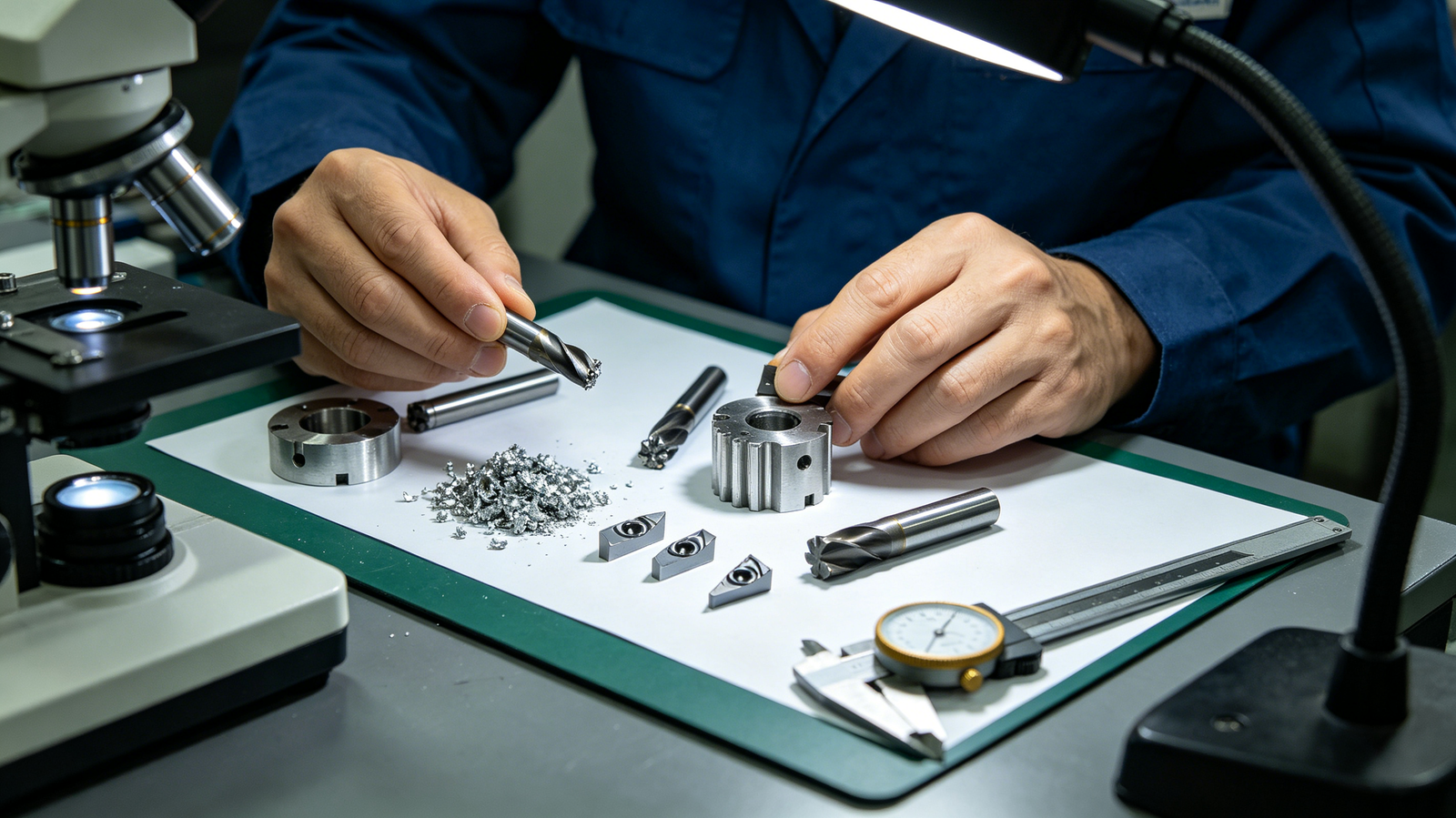
2024 aluminum alloy is widely used in aerospace and long-cycle mechanical environments due to its excellent fatigue resistance. While its corrosion resistance is weaker than 6061 and 7075, it performs exceptionally well under repeated stress conditions. Its strength lies in durability under cyclic loading, not peak strength.
High Fatigue Resistance: Ideal for long-term vibration and cyclic stress environments.
Lower Corrosion Resistance: Often requires surface treatment such as anodizing or coating.
Stable Structural Behavior: Maintains performance under repeated mechanical stress.
Moderate Machining Cost: Positioned between 6061 and 7075 in processing difficulty.
📌 2024 is designed for endurance, not extreme strength.
CNC Aluminum Alloy Selection Comparison Table
| Alloy | Strength Level | Machinability | Cost Level | Recommended Applications |
|---|---|---|---|---|
| 6061 | Medium | Excellent | Low | General structural parts |
| 7075 | Very High | Difficult | High | High-load components |
| 2024 | High | Medium | Medium | Fatigue-critical parts |
| Summary | Balanced | Stable | Flexible | Industrial CNC use |
In real CNC projects, Xiamen Ruicheng often supports clients with DFM analysis to avoid both over-engineering and under-specification. If you are evaluating material selection for your CNC project, you can contact us for engineering support.
Engineering Insights Behind CNC Aluminum Selection
In CNC manufacturing, material selection influences tool path strategy, machining efficiency, and batch consistency. Xiamen Ruicheng has observed that more than 60% of structural issues originate from poor material-design matching rather than machining defects. Real engineering optimization always happens before machining begins.
Early Design Intervention: Evaluate material suitability during the design stage.
Tool Path Optimization: Different alloys require different cutting strategies.
Batch Stability Control: Material consistency affects long-term quality variation.
Supply Chain Alignment: Material choice impacts lead time and sourcing strategy.
FAQ: CNC Aluminum Alloy Selection
Question 1: Why must aluminum alloy be selected early in CNC design?
Answer: Because material defines machining behavior, strength performance, and cost structure. Early selection prevents redesign and reduces manufacturing risks.
Question 2: How do I choose between 6061 and 7075?
Answer: 6061 is suitable for general-purpose and cost-sensitive applications, while 7075 is used for high-strength load-bearing parts.
Question 3: Where is 2024 aluminum typically used?
Answer: 2024 is commonly used in fatigue-critical environments such as aerospace structures and cyclic-load mechanical components.
Question 4: Does material choice affect CNC machining cost?
Answer: Yes, it impacts tool wear, machining speed, scrap rate, and overall production efficiency.
Question 5: How does Xiamen Ruicheng support material selection?
Answer: Through DFM analysis and CNC engineering experience, Xiamen Ruicheng provides integrated material selection and manufacturability guidance.
Conclusion
The selection of aluminum alloys in CNC machining is not a simple performance comparison but a structured engineering decision based on application requirements. 6061, 7075, and 2024 each serve distinct structural and economic roles. Proper material selection significantly improves product reliability and lifecycle performance.
For expert assistance in CNC aluminum selection and engineering validation, visit our resource center or contact us. Let’s help you scale up your manufacturing with precision and efficiency!