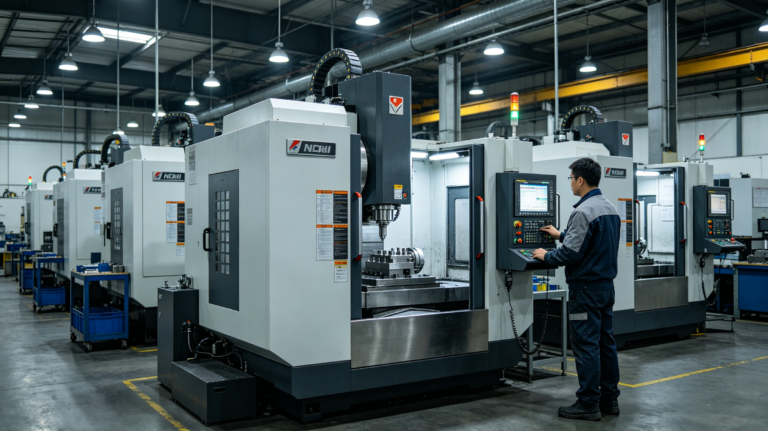
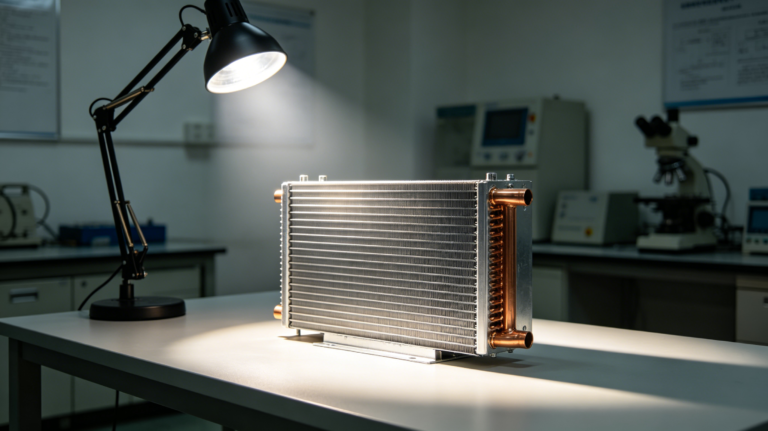
Introduction
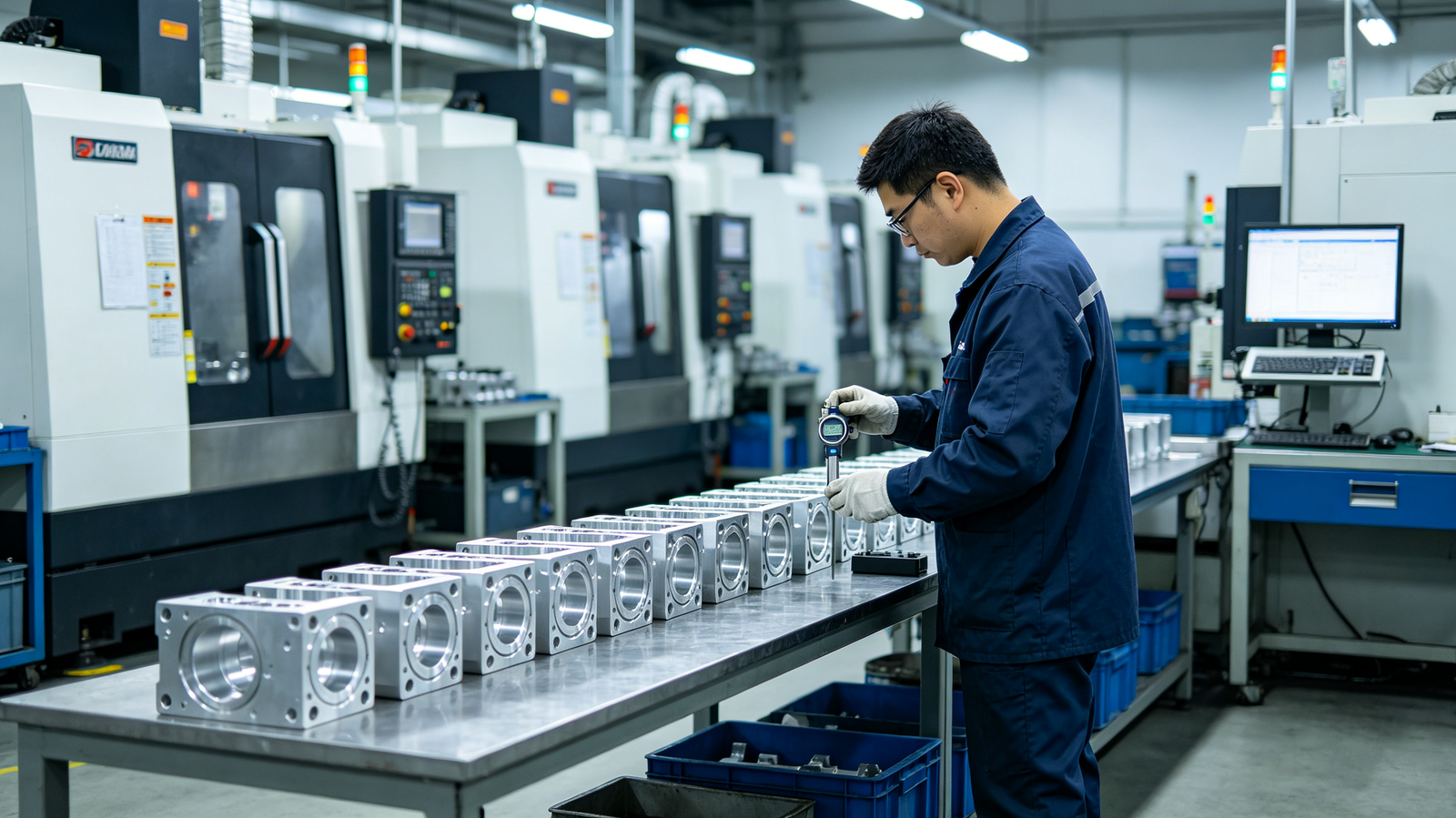
CNC machined parts require precise material selection because performance differences directly affect structural reliability, weight efficiency, and manufacturing stability. Among industrial aluminum options, 6061, 7075, and 2024 represent three fundamentally different engineering pathways. Choosing the wrong alloy often leads to higher lifecycle cost than machining errors.
At Xiamen Ruicheng, we frequently observe that early-stage design decisions overlook real working conditions such as load cycles, vibration, and corrosion exposure. Through engineering-driven evaluation, we help customers reduce downstream manufacturing risks. Material selection is ultimately a supply chain and engineering decision combined.
Why Must CNC Parts Differentiate Between 6061, 7075, and 2024?

In CNC machining applications, 6061 aluminum alloy, 7075 aluminum alloy, and 2024 aluminum alloy represent three distinct engineering priorities: general structural use, high-strength load bearing, and fatigue resistance. Xiamen Ruicheng applies its precision machining capability to match materials with real operating conditions. Incorrect material selection directly reduces part lifespan and assembly reliability.
Structural Suitability: 6061 is widely used for housings and general mechanical structures.
Strength Requirement Matching: 7075 is ideal for high-load aerospace and robotic components.
Fatigue Optimization: 2024 performs best in long-term cyclic loading environments.
Engineering Pre-Validation: DFM analysis reduces material selection risk before production.
📌 Material selection is not a comparison of specs but a matching process with real-world conditions.
How to Balance Machinability and Cost in CNC Aluminum Selection?
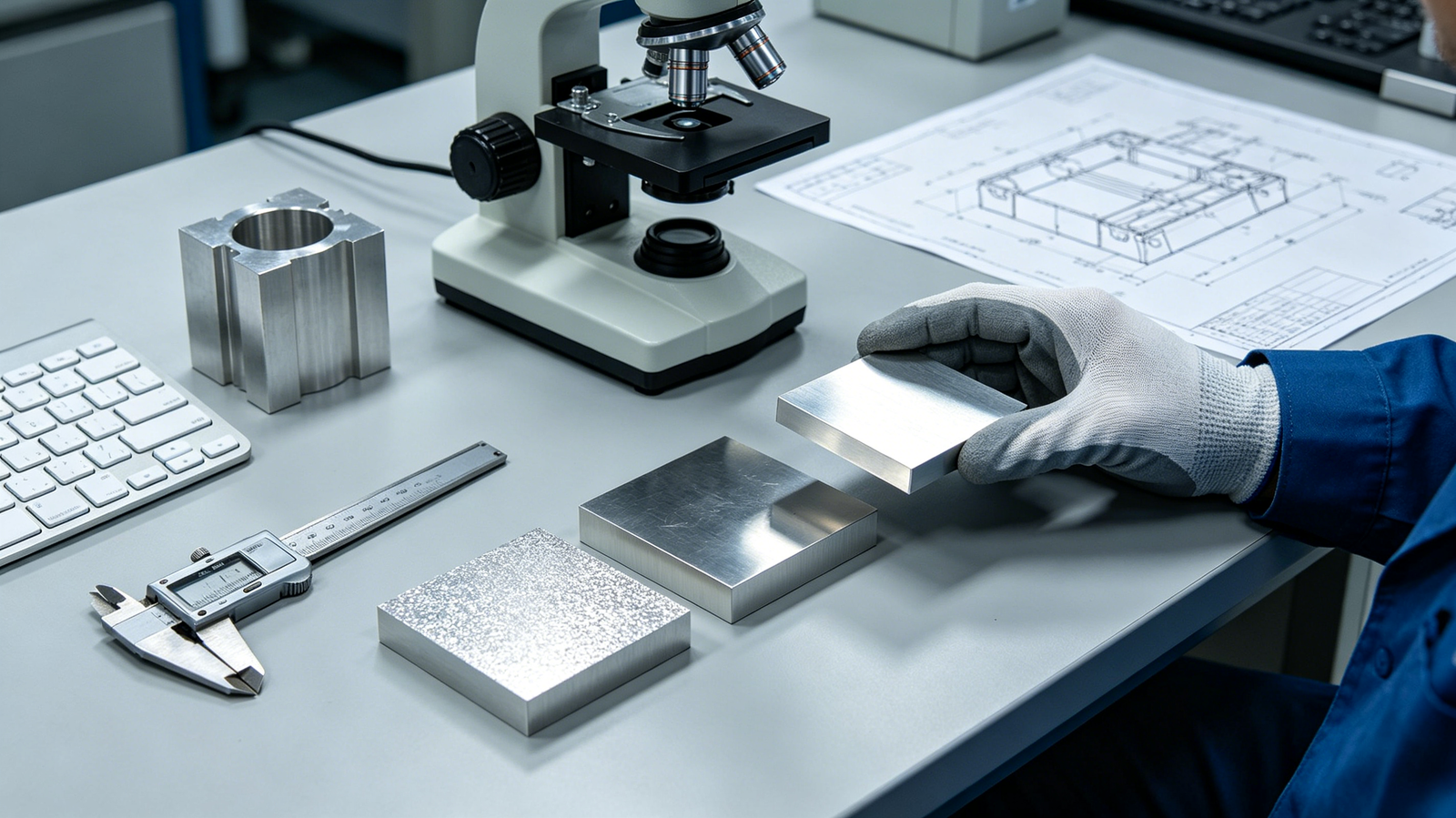
During CNC production, differences in machinability significantly affect lead time, tooling wear, and total cost. 6061 offers excellent cutting performance, 7075 provides higher strength with stable machining behavior, while 2024 requires stricter tooling control. The balance between machinability and performance defines production efficiency.
Cutting Efficiency Differences: 6061 supports high-speed machining and complex geometries.
Tool Wear Management: 7075 increases tool wear but remains dimensionally stable.
Machining Risk Control: 2024 may introduce localized stress concentration during cutting.
Cost Structure Optimization: Material and machining costs must be evaluated together.
📌 Machinability defines efficiency, while material defines performance limits.
How to Prevent Mass Production Risks in Aluminum Selection?
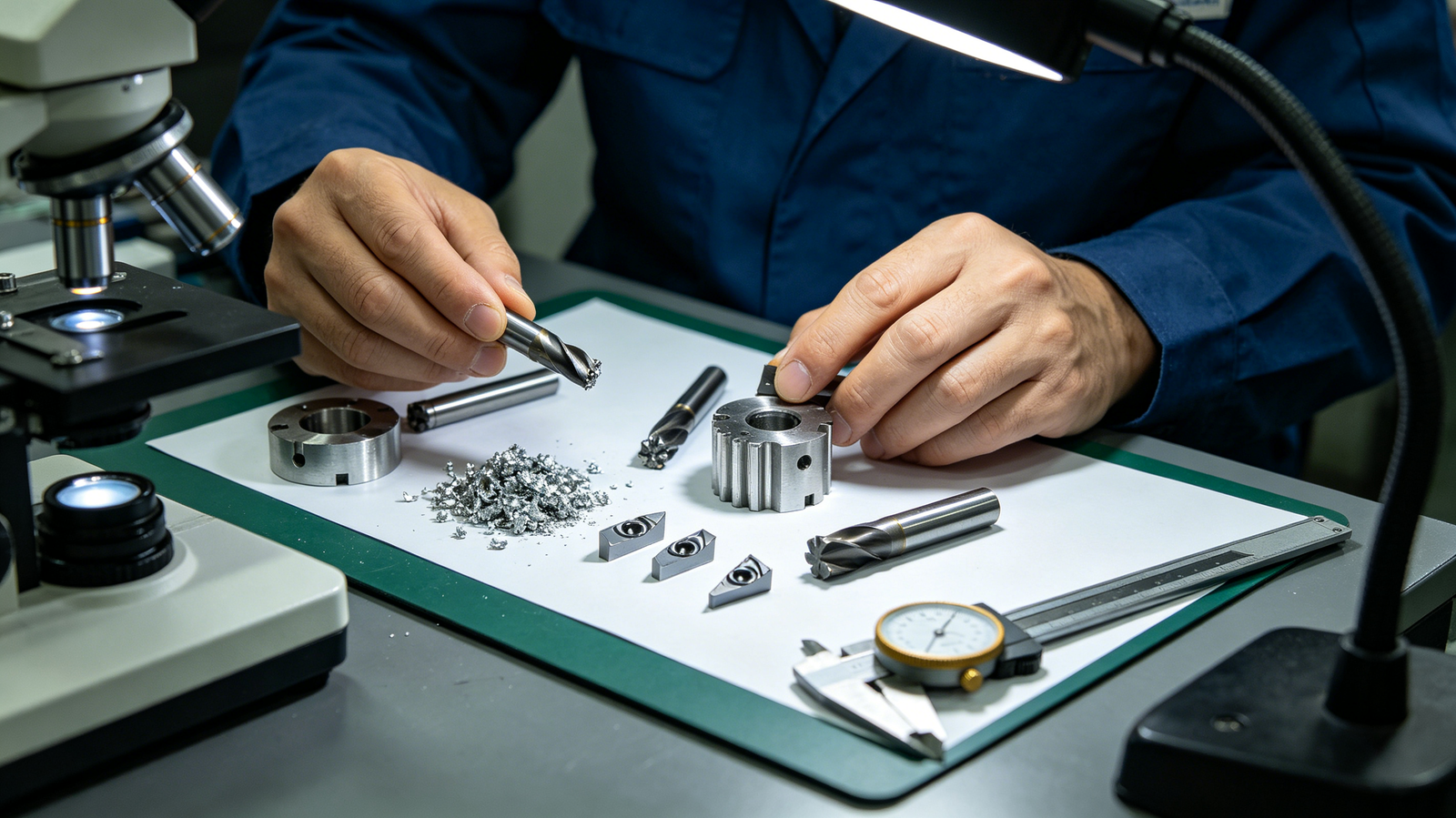
In mass CNC production, incorrect material selection can lead to dimensional variation, deformation, and batch inconsistency. Xiamen Ruicheng reduces these risks through process control and material verification systems. Material mistakes become significantly amplified during mass production.
Dimensional Stability Control: 6061 provides better post-heat-treatment stability.
Structural Strength Assurance: 7075 is suitable for high-stress connections.
Fatigue Life Optimization: 2024 performs well under continuous vibration.
Batch Consistency Management: Material verification reduces production deviation.
📌 Mass production stability depends on both material selection and process alignment.
Comprehensive Comparison of CNC Aluminum Alloys
| Material Type | Strength Level | Machinability | Cost Level | Typical Applications |
|---|---|---|---|---|
| 6061 | Medium | Easy | Low | Housings / Structural parts |
| 7075 | Very High | Medium-High | High | Aerospace / High-load parts |
| 2024 | High | Medium | Medium | Fatigue-critical structures |
| Engineering Logic | Application-driven | Process-driven | Cost-balanced | Decision-based selection |
Material selection directly impacts product lifecycle performance and supply chain stability. For engineering evaluation and DFM support, Xiamen Ruicheng provides structured guidance contact us.
Engineering Decision Logic for CNC Aluminum Selection
In real manufacturing projects, material selection should never rely on a single parameter. It must integrate structural design, load conditions, and production scale.
1.Define Functional Requirements: Identify load, environment, and structural role.
2.Match Material Properties: Select between 6061, 7075, and 2024 based on application.
3.Evaluate Manufacturability: Confirm machine capability and tooling compatibility.
4.Validate Mass Production Stability: Conduct pilot runs for consistency verification.
FAQ: CNC Aluminum Selection Questions
Question 1: How to choose aluminum material for CNC machined parts?
Answer: Selection must consider structural strength, operating environment, and machining feasibility to ensure engineering-level reliability instead of parameter-only decisions.
Question 2: How to quickly start a CNC aluminum machining project?
Answer: Provide CAD files, material requirements, and application conditions for engineering evaluation and rapid quotation.
Question 3: What is the difference between 6061, 7075, and 2024 in mass production?
Answer: 6061 offers the best stability, 7075 provides highest strength with higher cost, and 2024 is optimized for fatigue resistance but requires tighter process control.
Question 4: How to reduce material selection risks in CNC projects?
Answer: Use DFM analysis, material validation, and pilot production to minimize mass production risks.
Question 5: Does Xiamen Ruicheng support engineering material selection?
Answer: Yes, Xiamen Ruicheng provides integrated support from material selection to DFM analysis and mass production validation.
Conclusion
Aluminum selection in CNC machining defines both performance boundaries and cost structure, making it a critical engineering decision rather than a simple material choice. Correct material selection significantly improves production reliability and reduces long-term risk.
With strong engineering capability and manufacturing experience, Xiamen Ruicheng supports customers in optimizing material decisions and improving project success rates from the earliest design stage.