Introduction
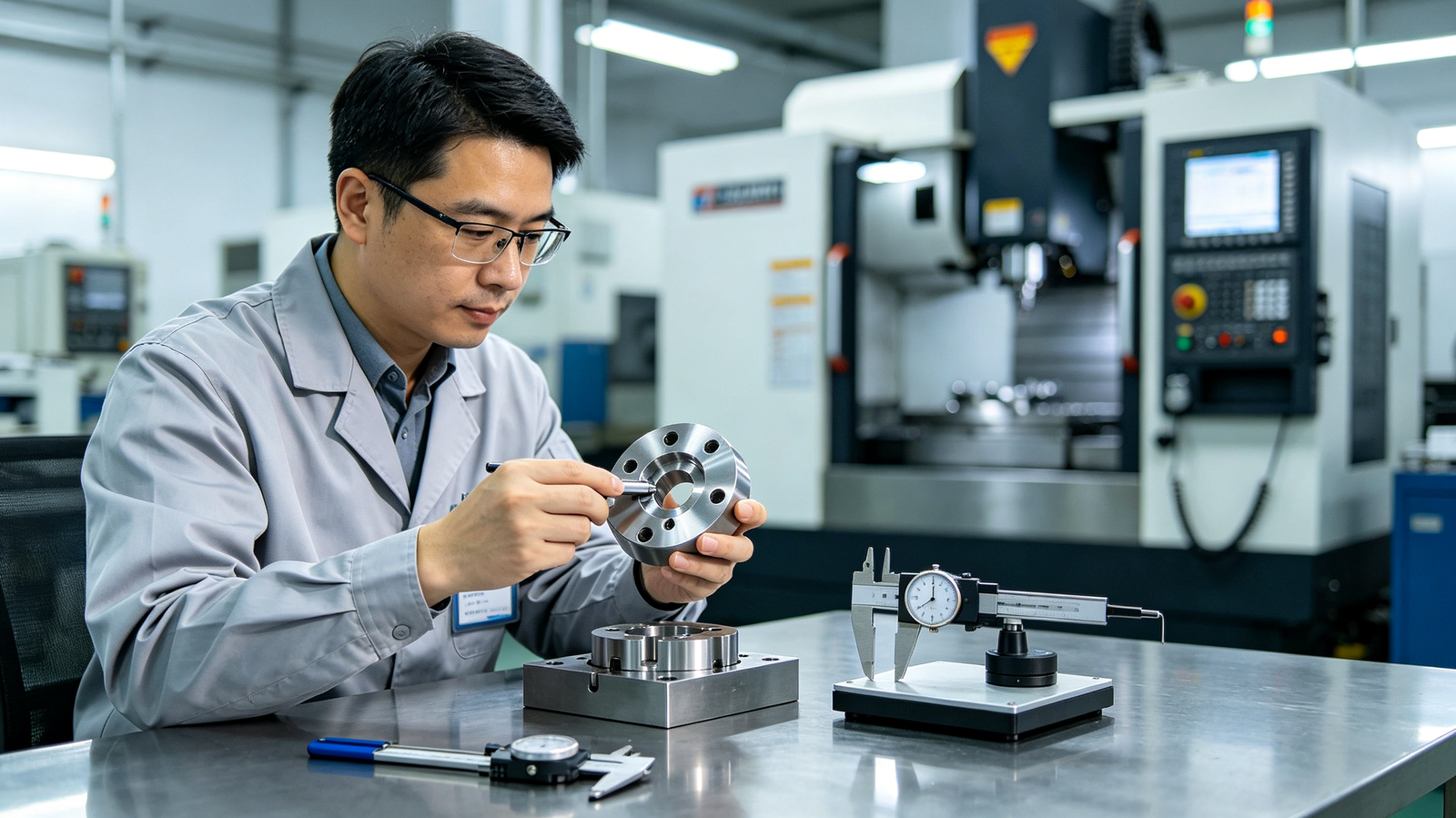
In precision CNC machining supply chains, the FAI (First Article Inspection) report is one of the most critical documents for verifying a supplier’s real manufacturing capability. It reflects not only the first-article inspection results but also the supplier’s understanding of drawings, process control, and inspection discipline. For procurement decisions, the quality of FAI directly determines the level of batch production risk.
In real manufacturing projects, many suppliers can deliver acceptable samples but fail to maintain consistency in mass production. This is exactly why FAI exists—to validate reproducibility and process stability. At Xiamen Ruicheng, FAI is always treated as the first real proof of engineering capability.
How Can You Identify Whether a CNC Supplier’s FAI Report Is Truly Reliable?
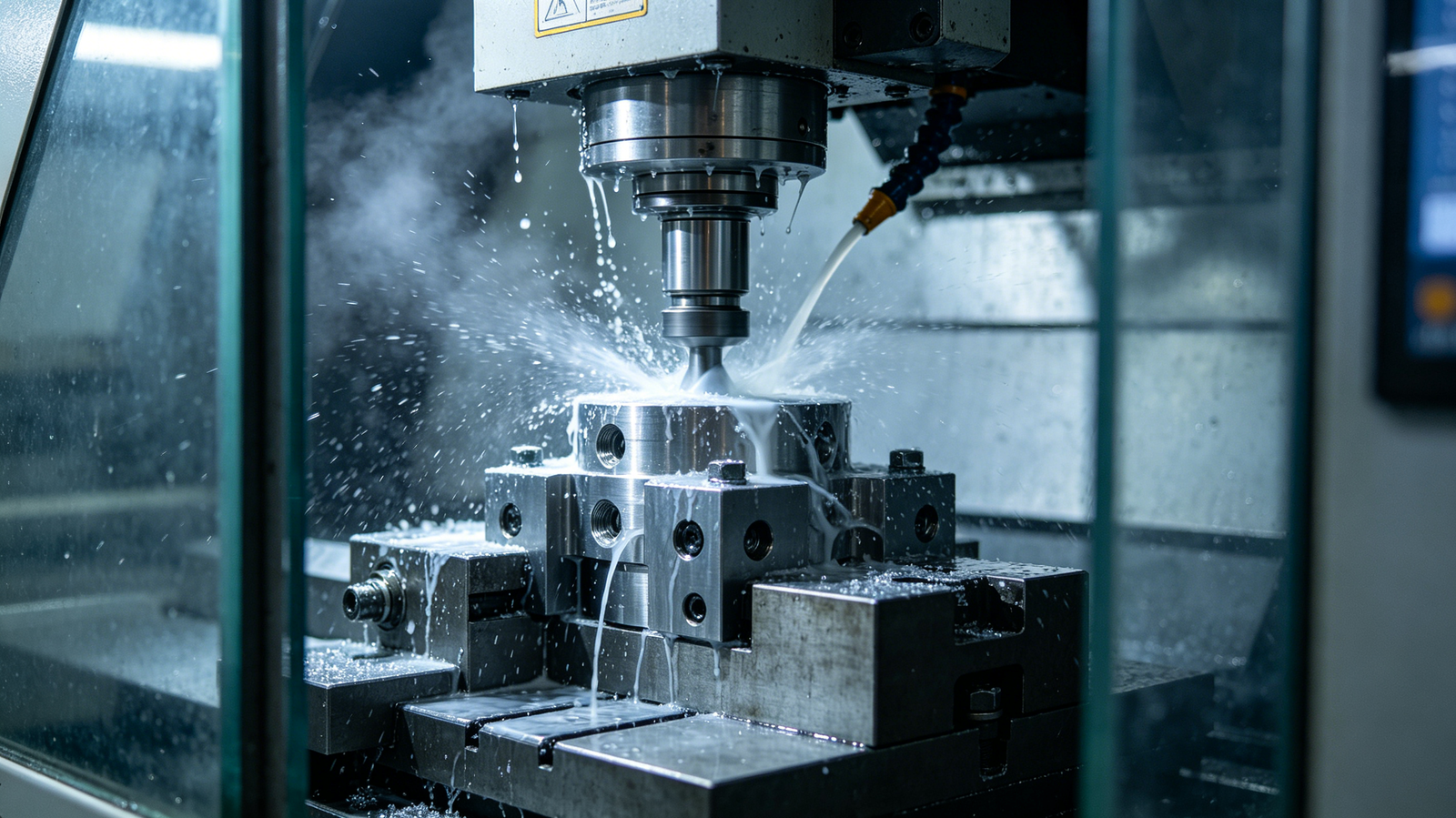
At the supplier evaluation stage, the FAI (First Article Inspection) report is more than a quality document—it is a reflection of process maturity. By analyzing First Article Inspection standards and CNC machining fundamentals, buyers can determine whether a supplier truly has production capability. The key is whether the report contains full dimensional coverage and traceable measurement data.
Report Completeness: Whether all critical dimensions and GD&T requirements are included.
Measurement Transparency: Whether CMM or equivalent inspection methods are clearly stated.
Data Traceability: Whether raw measurement data is provided instead of simplified summaries.
Engineering Consistency: Whether results strictly match drawing specifications.
📌 A real FAI report is not paperwork—it is engineering evidence of capability.
How Does FAI Data Reveal CNC Process Stability?
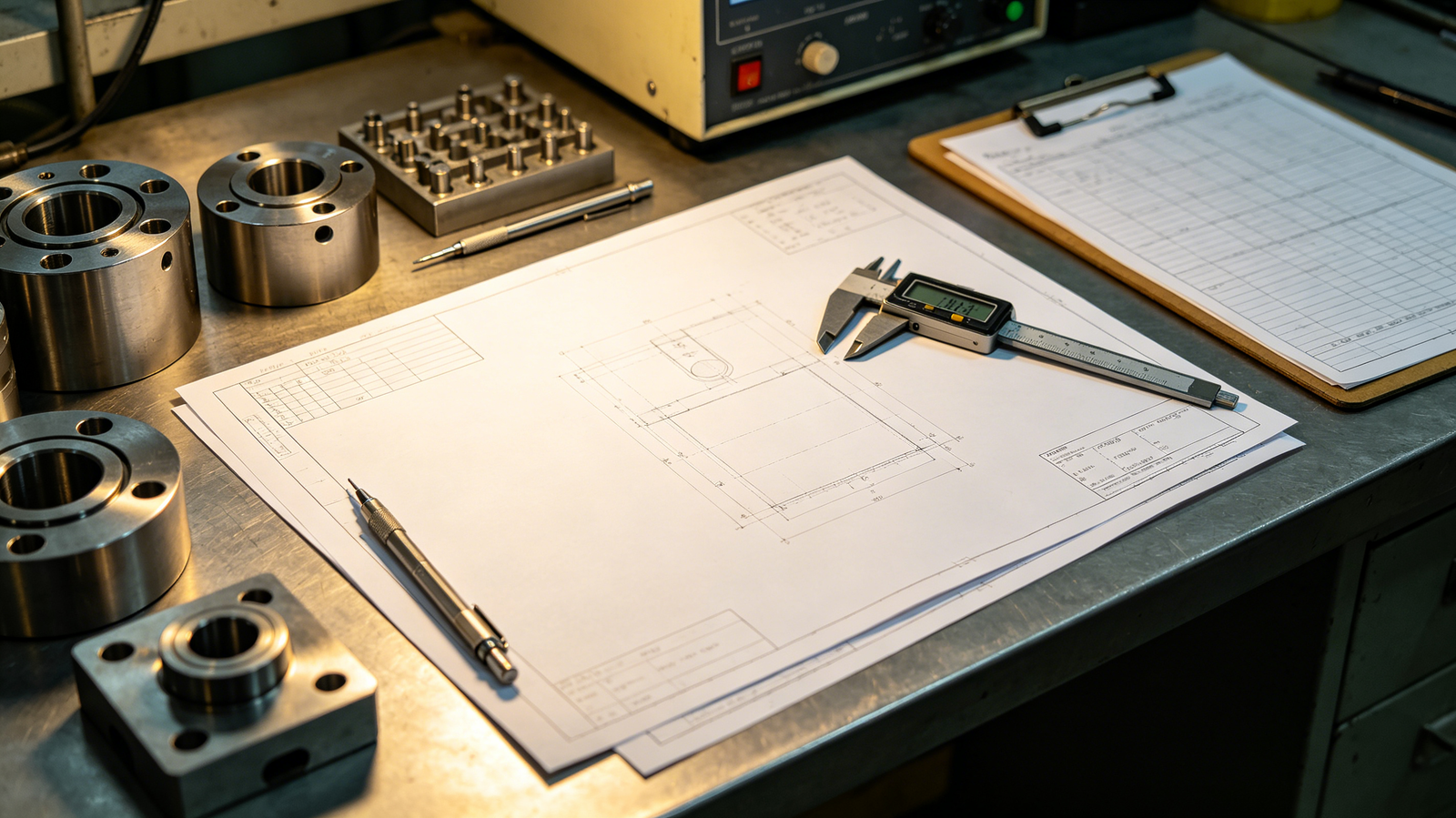
FAI data is not only used to confirm one sample but also to evaluate long-term process stability. In Xiamen Ruicheng’s precision machining projects, process capability analysis is combined with FAI data to assess production reliability. Stable CNC suppliers must demonstrate consistent dimensional control across batches.
Dimensional Drift Detection: Identifying whether measurements show systematic deviation trends.
Batch Consistency: Comparing whether multiple first articles remain stable.
Process Repeatability: Evaluating whether identical parameters produce consistent results.
Anomaly Detection: Identifying early warning signals through data trends.
📌 The more complete the FAI data, the clearer the true process capability becomes.
Can FAI Reports Predict CNC Mass Production Capability?

FAI reports are not only for first-piece approval but also a strong indicator of whether a supplier can sustain mass production. Xiamen Ruicheng evaluates production readiness by combining FAI, CMM inspection, and process control systems. A supplier capable of mass production must demonstrate a closed-loop engineering validation system in FAI.
First Article Consistency: Whether sample results match drawing tolerances.
Inspection System Strength: Whether full-dimensional inspection capability exists.
Process Reproducibility: Whether machining parameters can be reliably repeated.
Quality Feedback Loop: Whether FAI results are used to improve processes.
📌 Mass production capability is defined by process control, not machine quantity.
CNC FAI Supplier Capability Comparison
| Evaluation Dimension | Basic Supplier | Professional Supplier | Xiamen Ruicheng |
|---|---|---|---|
| FAI Coverage | Partial dimensions | Full dimensional report | Full GD&T coverage |
| Inspection Method | Manual sampling | CMM measurement | Full CMM + 3D inspection |
| Data Traceability | Simplified report | Standard documentation | Fully traceable system |
| Engineering Feedback | None | Basic adjustment | Closed-loop DFM optimization |
In CNC supplier selection, FAI capability directly reflects risk level. Suppliers without complete inspection systems often carry hidden batch production risks. For engineering support or evaluation, contact us.
How to Build a Supplier Evaluation System Based on FAI?
FAI is not only a quality confirmation tool but also a structured method for supplier evaluation. By building a standardized assessment model, buyers can identify real engineering capability differences. :contentReference[oaicite:0]{index=0} applies a combined FAI + DFM evaluation system to minimize early-stage manufacturing risks.
1.Drawing Compliance Check: Verify whether FAI fully matches design requirements.
2.Inspection Equipment Audit: Confirm availability of CMM and precision instruments.
3.Engineering Responsiveness: Evaluate whether feedback leads to process optimization.
4.Batch Stability Prediction: Use FAI data to estimate production variation.
FAQ: CNC FAI Report & Supplier Evaluation
Question 1: What is the core purpose of an FAI report in CNC machining?
Answer: It verifies whether the first produced part fully meets drawing requirements and confirms supplier manufacturing capability.
Question 2: Must all dimensions be included in an FAI report?
Answer: Yes, all critical dimensions and GD&T features must be covered to evaluate process reliability.
Question 3: How can I verify if an FAI report is authentic?
Answer: Check for raw measurement data, inspection equipment records, and traceable identification systems.
Question 4: Is CMM inspection required in FAI?
Answer: For precision CNC parts, CMM is essential to ensure measurement accuracy and reliability.
Question 5: Can FAI alone confirm mass production capability?
Answer: Not alone, but combined with process data it becomes a strong predictor of production stability.
Conclusion
FAI reports are not just inspection documents but a direct reflection of a supplier’s engineering capability. By analyzing dimensional data, inspection methods, and process control systems, buyers can significantly reduce supply chain risks. Suppliers who consistently deliver complete and traceable FAI reports are far more likely to achieve stable mass production performance.
For expert assistance in implementing CNC FAI validation systems for your production needs, visit our resource center or contact us. Let’s help you scale up your manufacturing with precision and efficiency!