Introduction
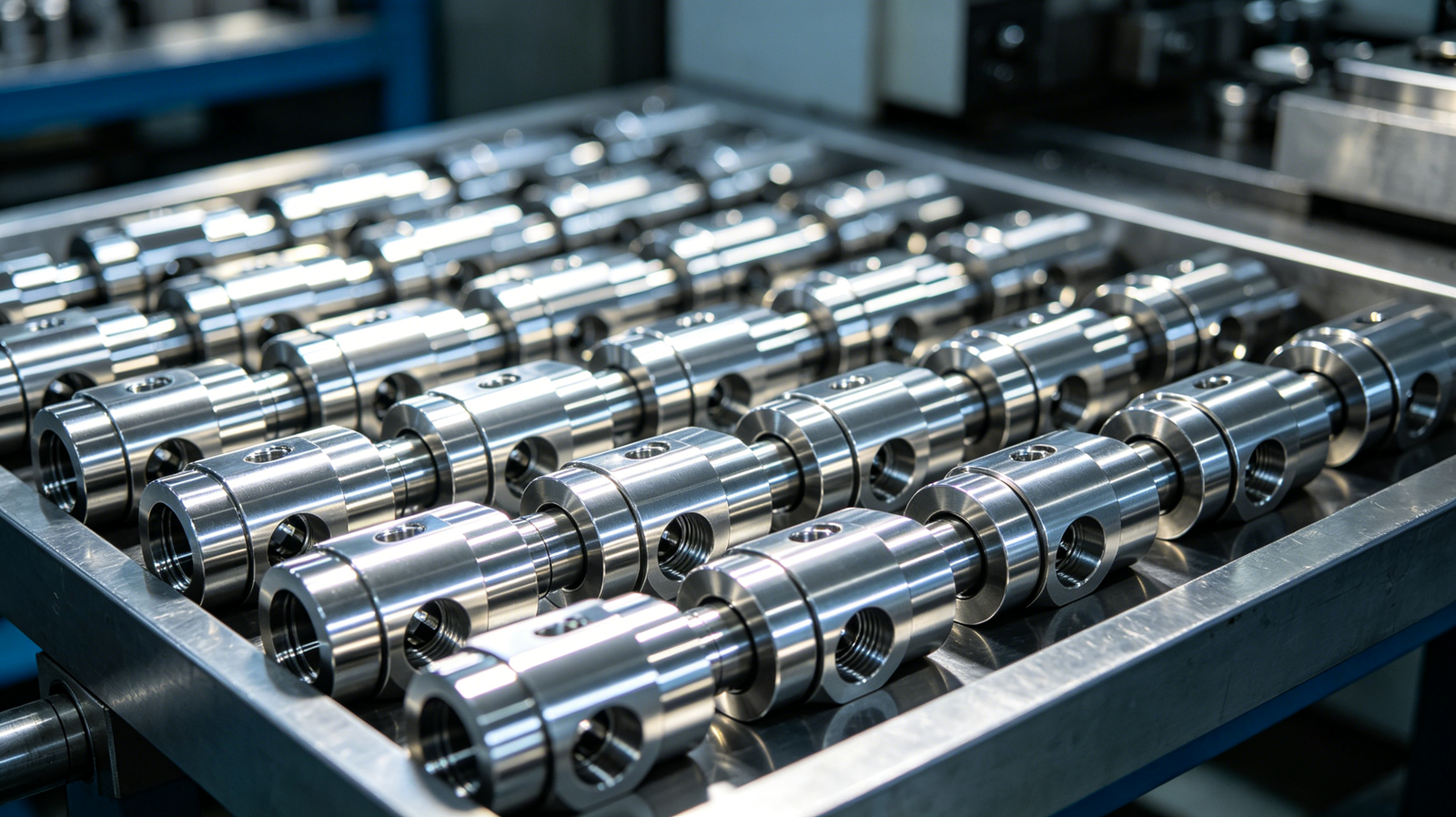
When developing sports equipment components, material selection directly affects product safety, durability, and service life. Different CNC materials perform differently in impact resistance, fatigue strength, weight control, and long-term reliability, which means engineers cannot choose materials only based on cost or machining convenience. The right material selection creates the foundation for reliable sports equipment performance.
For manufacturers of fitness equipment, bicycle components, and outdoor products, material decisions often determine whether products can withstand repeated use and demanding conditions. Xiamen Ruicheng evaluates loading conditions, application environments, and manufacturing requirements during CNC machining projects to recommend suitable material solutions. Early material planning helps reduce product development risks and improves production reliability.
Why Do Sports Equipment Parts Need Durable CNC Materials?
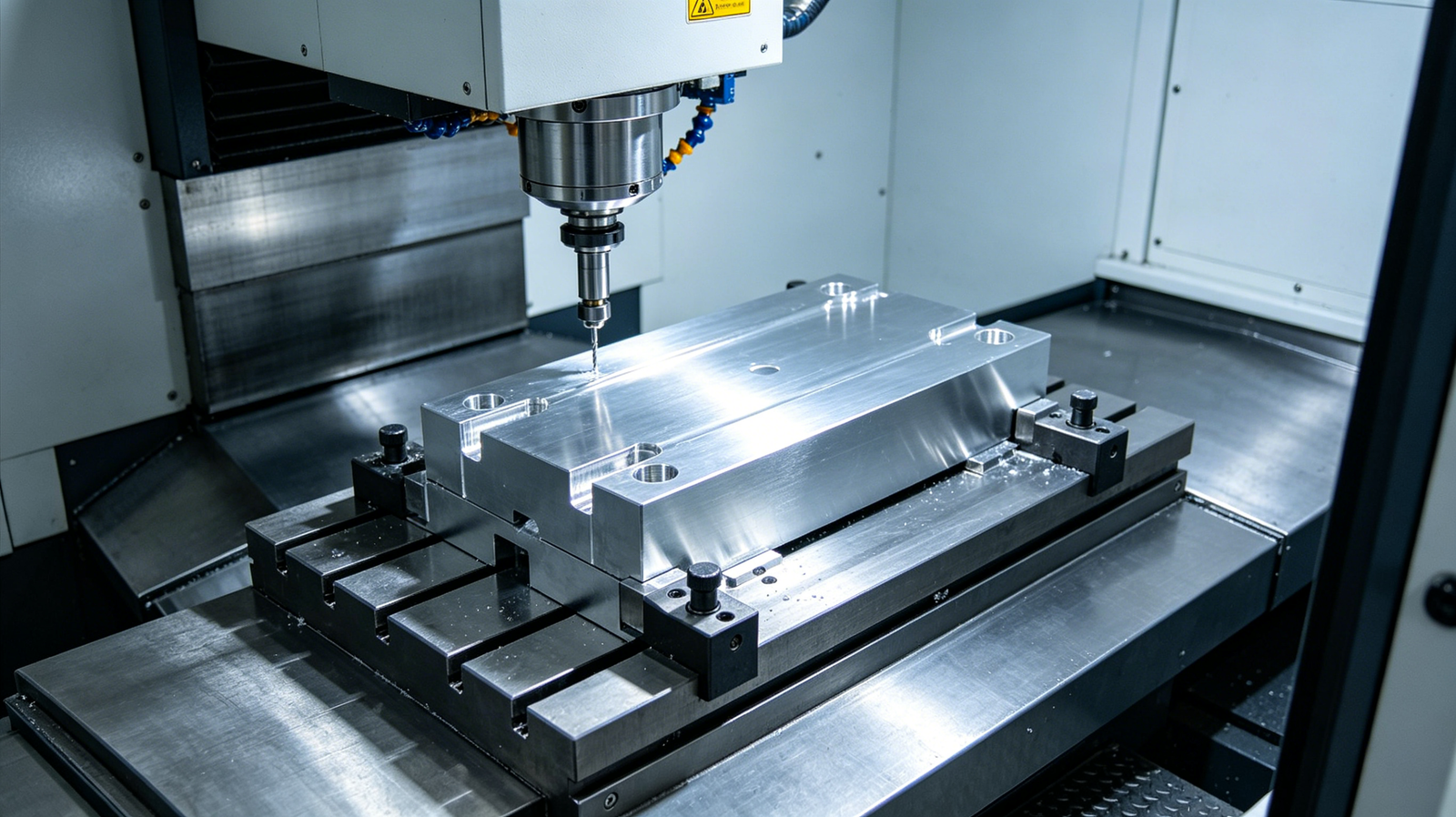
Sports equipment components often experience repeated impact, dynamic loading, and continuous stress cycles, making material durability one of the most important evaluation factors. Many failures are not caused by design errors but by materials that cannot withstand long-term fatigue conditions. Insufficient durability is one of the main reasons sports components fail during real-world use. During CNC manufacturing, fatigue resistance is closely related to material structure and processing quality, which directly affects component lifespan.
Impact Load: Sports parts must withstand sudden forces without cracking or permanent deformation.
Fatigue Life: Repeated movement gradually reduces material strength over time.
Environmental Exposure: Moisture, sweat, and outdoor conditions can accelerate material degradation.
Machining Quality: CNC surface quality influences crack initiation and fatigue performance.
💡 Durability depends on multiple factors working together, not a single material property.
What Are the Differences Between Aluminum, Titanium, and Steel for Sports Equipment?
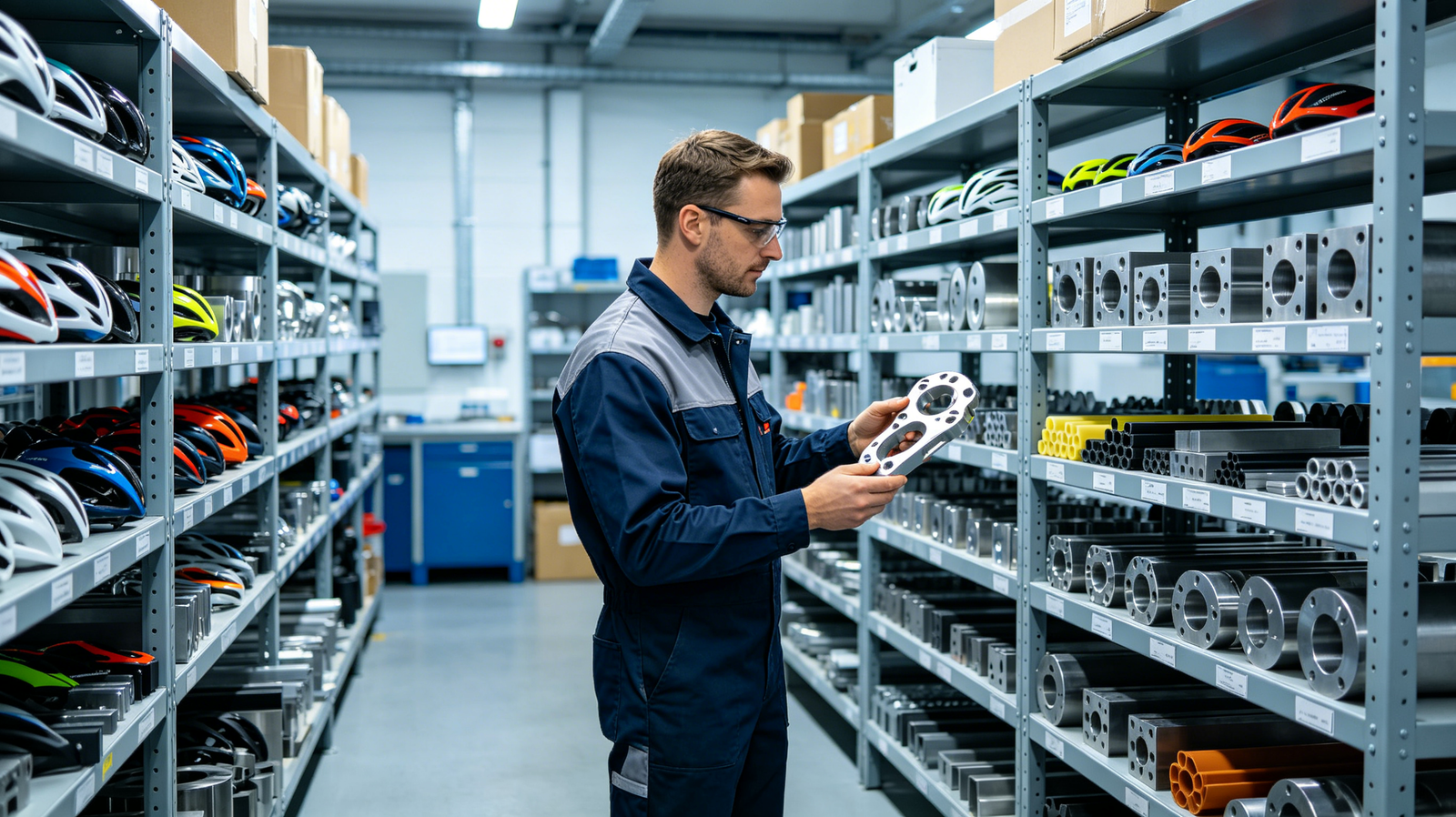
Different materials serve different purposes in sports equipment applications. Aluminum focuses on lightweight performance, titanium provides excellent strength-to-weight advantages, and steel delivers strong structural support. Engineers need to balance weight, strength, and cost instead of choosing the highest-performance material in every situation. The right material match determines the final performance level of the product. For example, aluminum CNC machining is widely used for bicycle components and fitness equipment structures, while premium sports products may require titanium for enhanced durability.
Aluminum Applications: Suitable for lightweight parts requiring good strength and efficient machining.
Titanium Advantages: Offers excellent strength-to-weight ratio and outstanding fatigue resistance.
Steel Characteristics: Provides high rigidity and stable structural performance.
Material Combination: Multiple materials can be combined to optimize cost and performance.
💡 There is no universally perfect material, only the best solution for each application.
How Should CNC Materials Be Selected Based on Sports Loads?
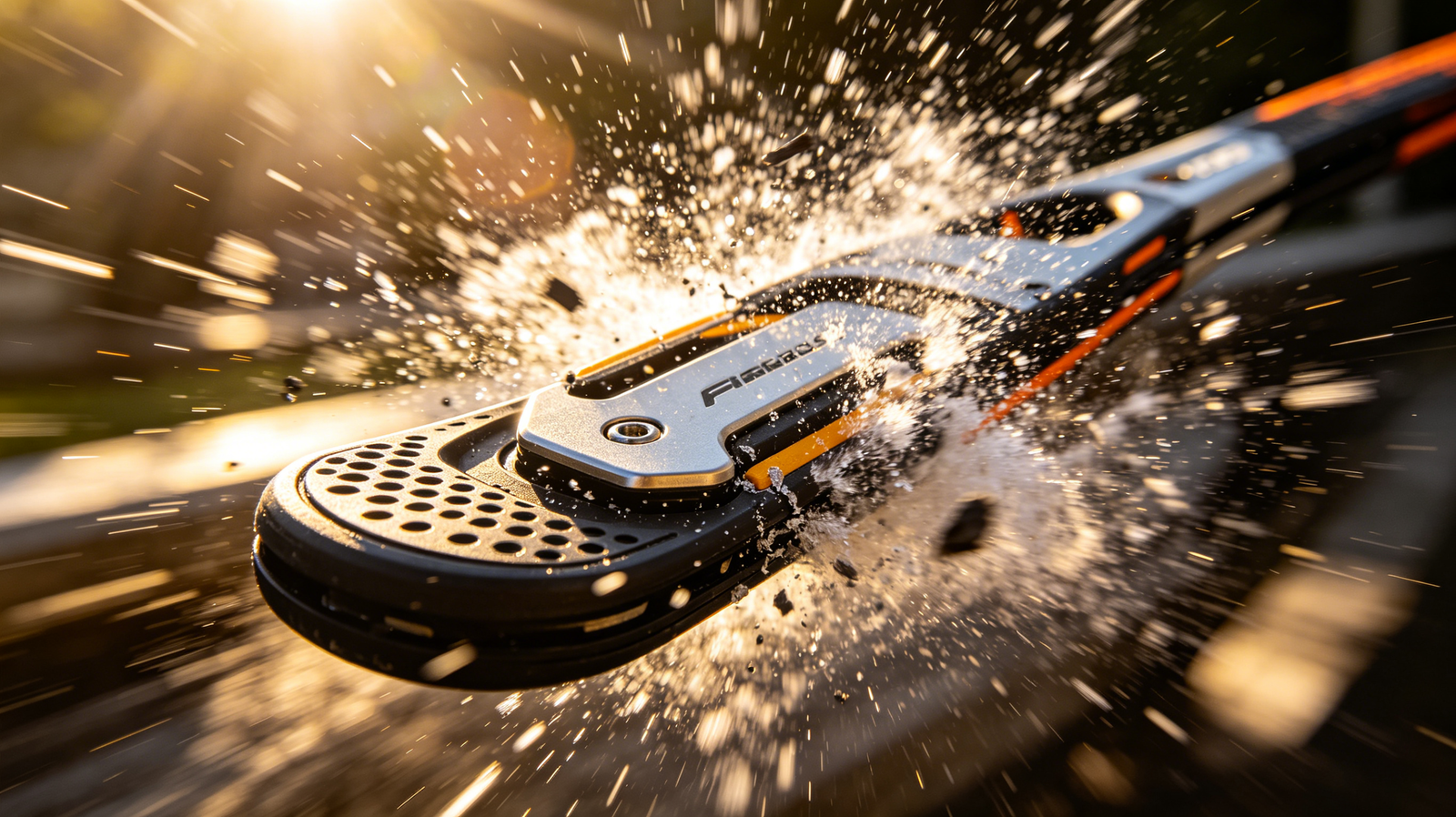
Material selection for sports equipment parts should be based on actual operating loads rather than theoretical strength values alone. Different sports applications, including impact-based, continuous-load, and high-speed movement systems, create different material requirements. Understanding real operating conditions is the first step in selecting the right CNC material. Xiamen Ruicheng evaluates product structures and usage scenarios to determine whether selected materials can meet dynamic strength requirements.
Dynamic Loads: High-frequency movement requires stable fatigue performance.
Static Loads: Supporting structures require sufficient yield strength.
Usage Frequency: Continuous operation accelerates material aging.
Safety Margin: Critical components require additional strength consideration.
💡 Material selection should reflect real working conditions instead of laboratory data alone.
How Does CNC Material Selection Affect Precision and Product Lifespan?
Material choice influences not only mechanical strength but also CNC machining stability and dimensional accuracy. Different materials behave differently during cutting, including heat deformation, tool wear, and surface finish performance, which eventually affect component durability. Machining characteristics directly influence final product quality and reliability.
Cutting Stability: Excessively hard materials may increase machining difficulty.
Surface Finish: Better surfaces help reduce fatigue crack development.
Dimensional Control: Thermal expansion differences affect machining accuracy.
Tool Life: Material properties influence manufacturing efficiency and consistency.
💡 A difficult-to-machine material may reduce reliability even if its strength is high.
CNC Material Performance Comparison for Durable Sports Equipment Parts
| Material Type | Strength Level | Weight | Fatigue Resistance | Typical Applications |
|---|---|---|---|---|
| 7075 Aluminum | High strength | Lightweight | Medium-high | Bicycle components |
| Titanium Alloy | Extremely high strength | Medium | Excellent | Premium sports equipment |
| Stainless Steel | Stable strength | Heavy | High | Fitness equipment structures |
| Carbon Steel | High rigidity | Heavy | Medium | Support frames |
When selecting CNC materials for durable sports equipment parts, companies should consider strength, weight, machining capability, and long-term reliability. For customized material evaluation and manufacturing support, contact us.
How Can CNC Material Selection Improve Sports Equipment Reliability?
Improving sports equipment reliability requires more than choosing a strong material. It requires the combination of engineering design, material analysis, and manufacturing control. Through DFM evaluation and material optimization, manufacturers can reduce failure risks and improve product lifespan. Reliable performance comes from the combination of design and manufacturing expertise.
1.Design Stage: Optimize structures to reduce stress concentration and improve fatigue resistance.
2.Material Stage: Select materials with suitable strength, weight, and durability characteristics.
3.Machining Stage: Use precision CNC processes to minimize manufacturing defects.
4.Validation Stage: Confirm performance through testing and application verification.
FAQ
Question 1: What are the key standards for your CNC material selection service for sports equipment parts?
Answer: Xiamen Ruicheng evaluates strength requirements, weight targets, fatigue performance, application conditions, and machining feasibility to recommend suitable material solutions.
Question 2: What information should we provide for material evaluation?
Answer: Customers usually need to provide drawings, application environments, loading conditions, expected service life, and production quantities for engineering assessment.
Question 3: Can small-batch sports equipment parts use different materials for testing?
Answer: Yes. Different material options can be evaluated during prototyping stages to compare performance before mass production.
Question 4: How do you handle fatigue or durability issues after production?
Answer: Xiamen Ruicheng analyzes potential causes through material verification, machining review, and failure evaluation to provide improvement recommendations.
Question 5: Can you provide lightweight optimization solutions for sports equipment parts?
Answer: Yes. Through DFM analysis and material engineering support, we help customers reduce weight while maintaining required strength and durability.
Conclusion
Material selection for sports equipment parts affects not only strength but also safety, durability, and long-term product performance. Different materials require careful evaluation of load conditions, weight requirements, manufacturing feasibility, and cost factors. A scientific material selection strategy helps companies create more reliable and competitive products.With CNC machining experience, engineering support, and material optimization capabilities, Xiamen Ruicheng helps customers move from product design to stable manufacturing. The right material strategy enables sports equipment components to achieve better balance between performance, durability, and production efficiency.
For expert assistance in implementing CNC material selection for sports equipment parts, visit our resource center or contact us. Let’s help you build stronger and more durable products with precision manufacturing.