Introduction
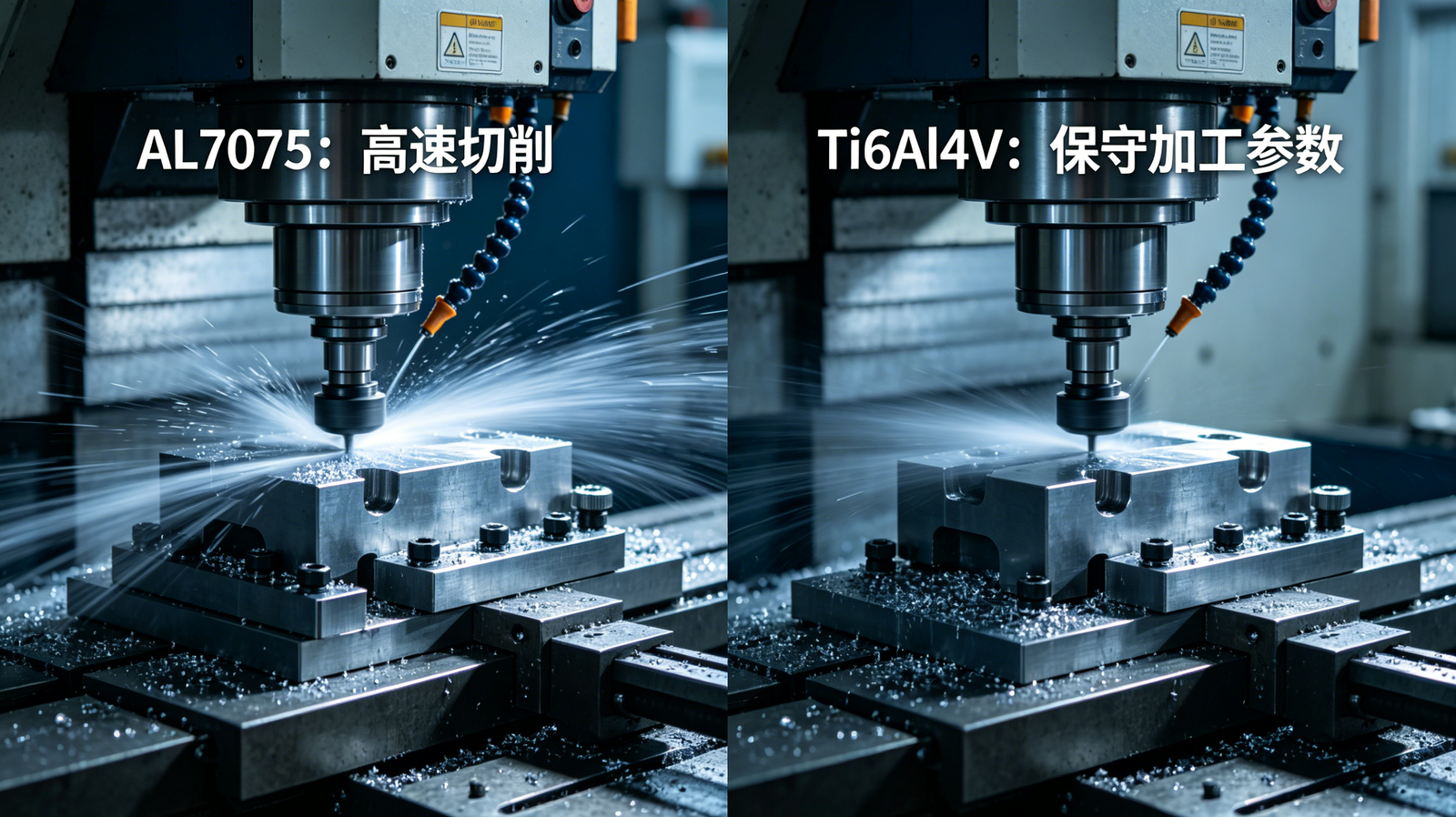
In modern CNC milling applications, AL7075 and Ti6Al4V represent two fundamentally different material systems widely used in aerospace, medical, and high-performance engineering components. These materials behave differently under cutting forces, heat concentration, and tool engagement conditions. Material selection directly defines tool life, machining stability, and total manufacturing cost.
In real production environments, wear resistance is not only a material property but also a system-level outcome influenced by cutting strategy and machine capability. Especially in complex geometries, differences between aluminum and titanium alloys become significantly amplified. Process stability often has a greater impact on final part quality than theoretical material strength.
Which material shows better wear resistance in CNC milling, AL7075 or Ti6Al4V?
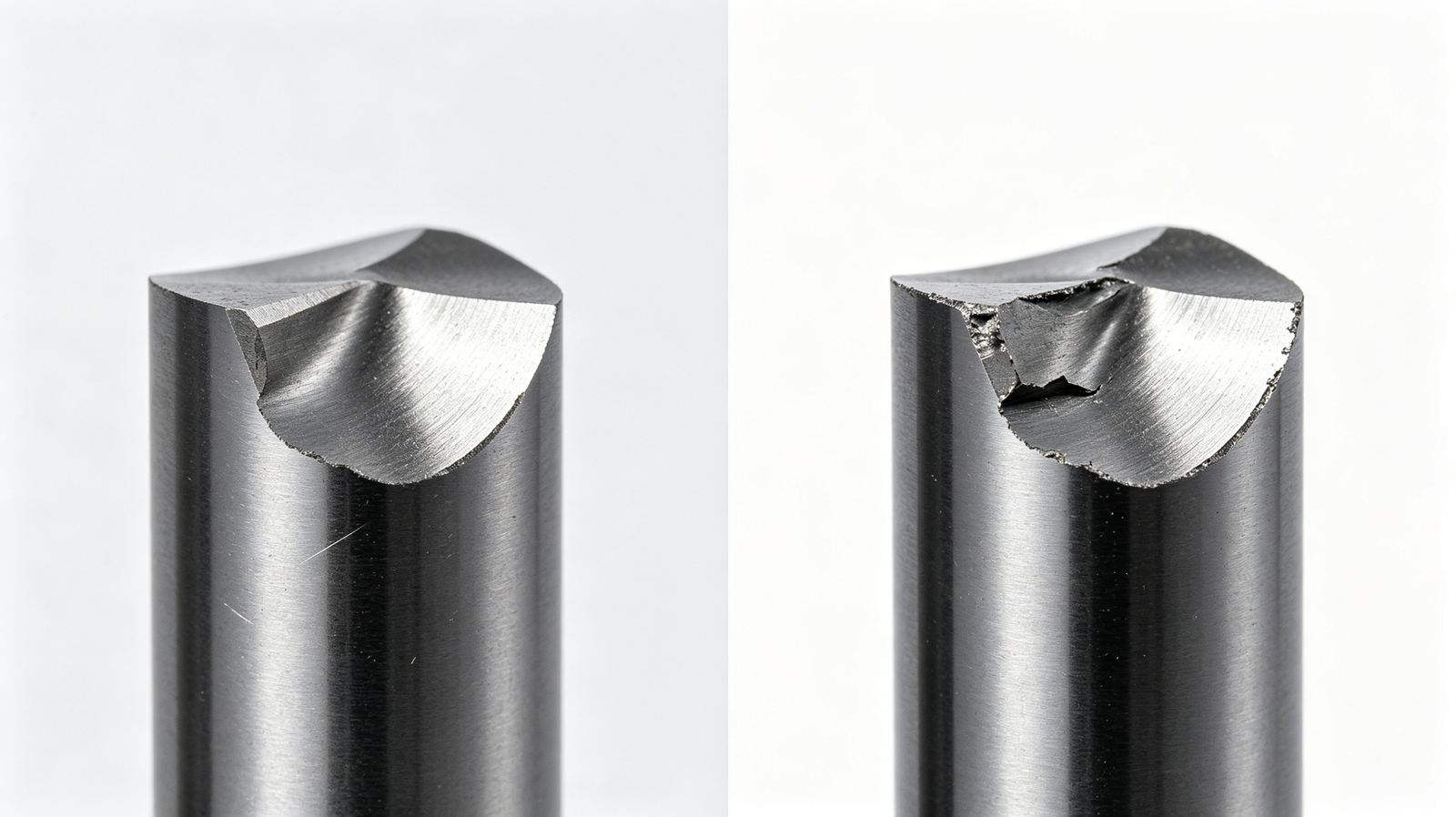
Wear resistance in CNC milling is determined not only by hardness but also by thermal behavior and chip formation characteristics. AL7075, a widely used aerospace aluminum alloy, and Ti6Al4V, a titanium alloy known for high strength, can be referenced through 7075 aluminum alloy and Ti-6Al-4V titanium alloy. Ti6Al4V demonstrates significantly higher wear resistance under high-temperature cutting conditions, but it also imposes much higher machining difficulty. In real production cases at xiamen ruicheng, tool wear when machining titanium can be 3 to 5 times faster than aluminum alloys.
Hardness behavior: Ti6Al4V causes more abrasive wear due to its high strength, while AL7075 tends to generate adhesive wear.
Thermal conductivity: AL7075 dissipates heat quickly, reducing tool thermal load, while Ti6Al4V accumulates heat at the cutting zone.
Tool life performance: AL7075 significantly extends tool life under high-speed machining conditions.
Machining behavior: Titanium requires low-speed, high-torque cutting, while aluminum supports high-efficiency machining.
😎 Overall, Ti6Al4V is more wear-resistant but much harder to machine than AL7075
How do AL7075 and Ti6Al4V differ in machining efficiency and cost control?
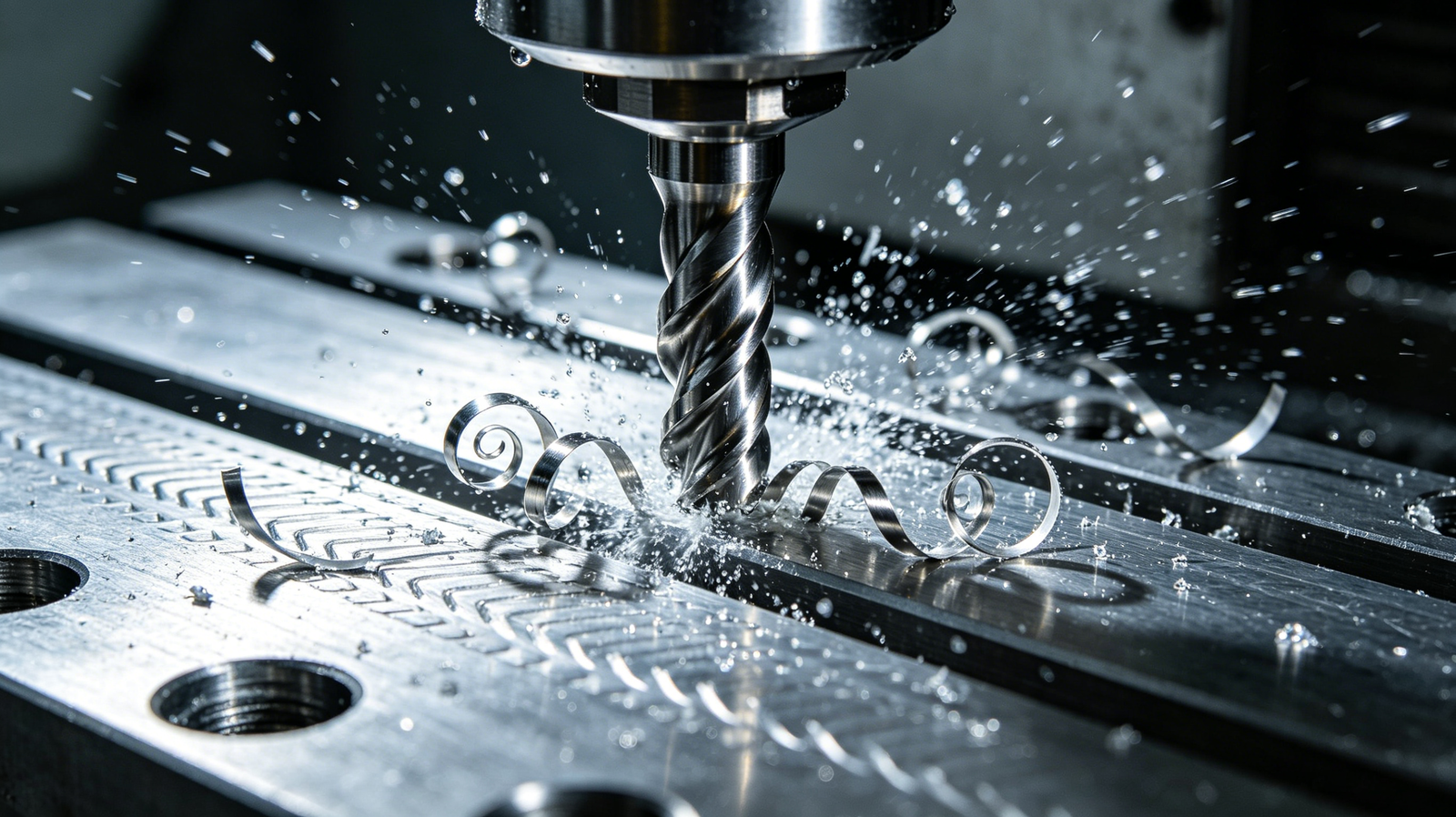
In industrial manufacturing, efficiency and cost often outweigh pure material performance in decision-making. Based on CNC machining principles, AL7075 supports high-speed cutting, while Ti6Al4V requires conservative machining parameters. AL7075 typically achieves 30%–60% shorter machining time compared to Ti6Al4V. In engineering practice at Xiamen Ruicheng, titanium machining often requires 20%–40% additional machine time planning.
Machine load difference: Ti6Al4V imposes higher spindle load requirements, limiting cutting speed.
Tool consumption cost: Titanium significantly increases tool wear cost per part.
Batch production efficiency: AL7075 is more stable for high-volume manufacturing.
Total manufacturing cost: Ti6Al4V is typically 1.8–3 times more expensive than AL7075 processing.
⚙️ Efficiency differences directly determine the correct material selection strategy
How to select AL7075 or Ti6Al4V based on application scenarios to minimize machining risk?
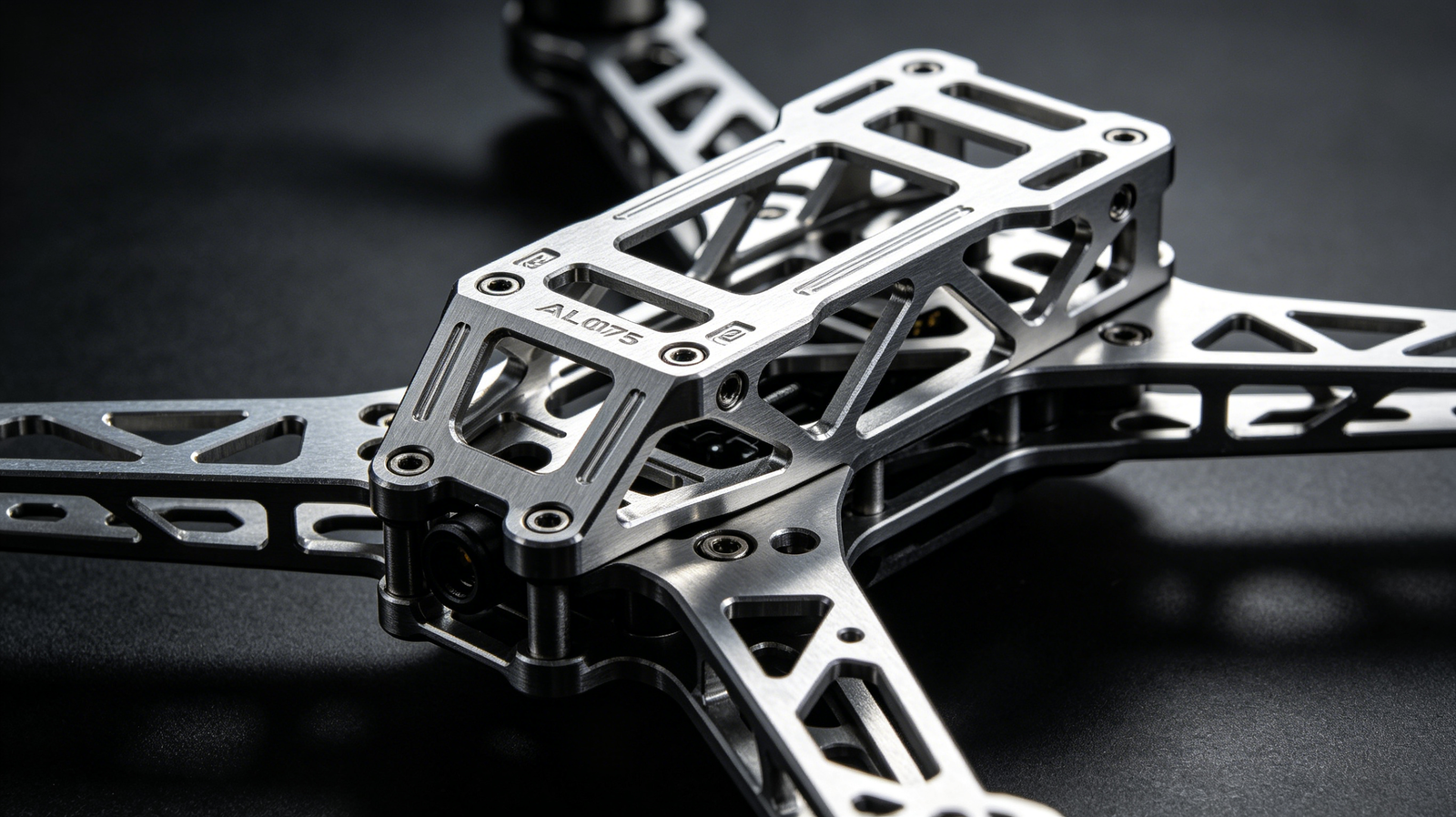
Material selection in engineering is not only about performance comparison but also about risk management and delivery stability. Based on aerospace manufacturing standards, AL7075 and Ti6Al4V serve completely different application needs. AL7075 is ideal for lightweight and cost-sensitive components, while Ti6Al4V is suitable for high-strength and high-reliability applications.
Lightweight structure demand: AL7075 is widely used in drones, consumer electronics, and structural housings.
High reliability demand: Ti6Al4V is used in implants and critical aerospace load-bearing components.
Machining risk control: Aluminum alloys have lower machining risk, while titanium requires strict process control.
Delivery stability: AL7075 enables more predictable mass production cycles.
🔧 Selection should always be driven by application scenario, not material limits alone
AL7075 vs Ti6Al4V Wear & Machining Comparison Table
| Dimension | AL7075 | Ti6Al4V | Industrial Fit | Risk Level |
|---|---|---|---|---|
| Wear resistance | Medium | High | Titanium preferred | High |
| Machining difficulty | Low | High | Aluminum preferred | High (Ti) |
| Tool life | Long | Short | Aluminum advantage | Medium-High |
| Production cost | Low | High | Aluminum preferred | High (Ti) |
For engineering evaluation or CNC process consultation, feel free to contact us for professional manufacturing support.
Decision Logic for AL7075 vs Ti6Al4V in CNC Milling Applications
In advanced manufacturing systems, material selection directly impacts lifecycle cost and production stability. AL7075 and Ti6Al4V represent two different manufacturing philosophies: efficiency vs performance limit. Proper selection delivers more value than maximizing material properties alone.
1.Material differences define machining strategies: AL7075 supports high-speed cutting, Ti6Al4V requires low-speed high-torque machining.
2.Tool wear mechanisms affect total cost structure: titanium dramatically increases tooling consumption compared to aluminum.
3.Application scenarios determine material boundaries: aerospace and medical prefer titanium, while consumer and structural parts prefer aluminum.
4.Xiamen Ruicheng engineering practice validates selection logic: real CNC machining experience improves delivery efficiency and reduces risk.
Material selection should always be treated as a system-level engineering decision rather than a standalone material comparison.
FAQ Module
Question: What are the advantages of AL7075 in high-precision CNC milling?
Answer: AL7075 offers excellent machinability and low tool wear, making it suitable for high-speed production and complex geometries with stable cost control and high efficiency.
Question: Why does Ti6Al4V cause higher tool wear?
Answer: Ti6Al4V has low thermal conductivity and high strength, which generates concentrated heat zones during cutting, accelerating abrasive tool wear and requiring specialized cutting tools.
Question: How to optimize cost between these two materials?
Answer: Selection should be based on functional requirements; AL7075 is ideal for cost-sensitive structures, while Ti6Al4V is required for high-reliability critical components.
Question: Does Xiamen Ruicheng support machining both materials?
Answer: Yes, with mature CNC machining capability for both aluminum and titanium alloys, including process optimization and toolpath recommendations.
Question: Is prototype validation available before mass production?
Answer: Yes, small-batch trials help validate tool wear, surface finish, and dimensional stability before scaling up production.
Conclusion
The differences between AL7075 and Ti6Al4V in CNC milling extend far beyond wear resistance and directly influence machining strategy and manufacturing economics. Proper material selection is the key to balancing efficiency, cost, and risk. In real industrial applications, decisions should integrate process capability, production goals, and delivery constraints to achieve optimal results.
For expert assistance in CNC machining solutions, visit our resource center or contact us. Let’s help you scale up your manufacturing with precision and efficiency!